English
- Afrikaans
- Albanian
- Amharic
- Arabic
- Armenian
- Azerbaijani
- Basque
- Belarusian
- Bengali
- Bosnian
- Bulgarian
- Catalan
- Cebuano
- Corsican
- Croatian
- Czech
- Danish
- Dutch
- English
- Esperanto
- Estonian
- Finnish
- French
- Frisian
- Galician
- Georgian
- German
- Greek
- Gujarati
- Haitian Creole
- hausa
- hawaiian
- Hebrew
- Hindi
- Miao
- Hungarian
- Icelandic
- igbo
- Indonesian
- irish
- Italian
- Japanese
- Javanese
- Kannada
- kazakh
- Khmer
- Rwandese
- Korean
- Kurdish
- Kyrgyz
- Lao
- Latin
- Latvian
- Lithuanian
- Luxembourgish
- Macedonian
- Malgashi
- Malay
- Malayalam
- Maltese
- Maori
- Marathi
- Mongolian
- Myanmar
- Nepali
- Norwegian
- Norwegian
- Occitan
- Pashto
- Persian
- Polish
- Portuguese
- Punjabi
- Romanian
- Russian
- Samoan
- Scottish Gaelic
- Serbian
- Sesotho
- Shona
- Sindhi
- Sinhala
- Slovak
- Slovenian
- Somali
- Spanish
- Sundanese
- Swahili
- Swedish
- Tagalog
- Tajik
- Tamil
- Tatar
- Telugu
- Thai
- Turkish
- Turkmen
- Ukrainian
- Urdu
- Uighur
- Uzbek
- Vietnamese
- Welsh
- Bantu
- Yiddish
- Yoruba
- Zulu

Telephone: +86 13120555503
Email: frank@cypump.com


Apr . 01, 2024 17:55 Back to list
Slurry Pump Volute Liner Details
Introduction
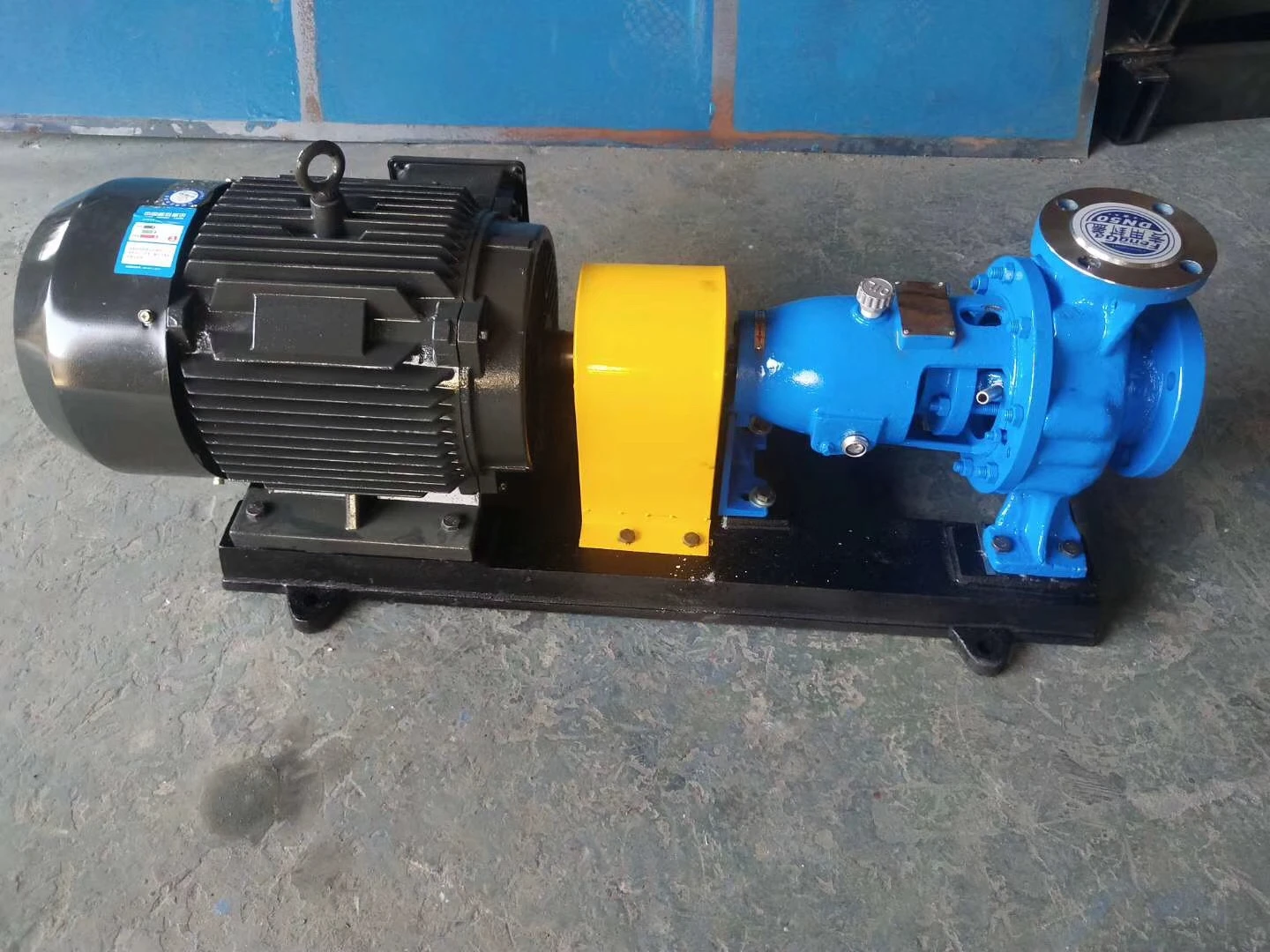
Slurry pump volute liners are critical wear components within centrifugal slurry pumps, responsible for directing fluid flow and protecting the pump casing from abrasive erosion. They represent a significant cost component in pump lifecycle management, especially in demanding applications like mining, wastewater treatment, and heavy industrial processing. The volute liner, typically installed within the pump volute casing, is subjected to high-velocity particle impact, chemical attack, and varying temperature gradients. Its performance directly impacts pump efficiency, maintenance intervals, and overall operational costs. Understanding the material science, manufacturing processes, performance characteristics, and failure modes of volute liners is paramount for optimizing pump system reliability and minimizing downtime. This guide provides an in-depth technical overview of slurry pump volute liners, addressing key considerations for procurement, maintenance, and performance evaluation.
Material Science & Manufacturing
Volute liners are commonly manufactured from high-chromium cast iron alloys (typically 15-30% Cr) due to their exceptional abrasion resistance. The presence of chromium carbides within the microstructure provides the primary resistance to particle erosion. Other alloying elements, such as molybdenum, nickel, and copper, are added to enhance toughness, corrosion resistance, and castability. Alternative materials include specialized white irons, ceramic composites (alumina and silicon carbide), and rubber liners for specific applications. The selection depends on the slurry’s characteristics—particle size distribution, hardness, corrosivity, and temperature.
Manufacturing processes predominantly involve sand casting, although investment casting and centrifugal casting are used for complex geometries and higher precision. Sand casting involves creating a mold from sand, pouring molten metal into the mold cavity, and allowing it to solidify. Key parameters controlled during casting include melt temperature, pouring rate, cooling rate, and sand composition. Post-casting processes include heat treatment (annealing or quenching and tempering) to optimize hardness and toughness. Machining is often required to achieve precise dimensional tolerances and surface finish. Liner surfaces are typically left as-cast or lightly ground to maximize abrasion resistance; polishing reduces abrasion resistance. For rubber liners, a layering process is employed, applying rubber compounds to a metallic substrate, followed by vulcanization to achieve the desired elasticity and impact resistance. The bond strength between the rubber and metal is critical for longevity.
Performance & Engineering
The primary engineering consideration for volute liners is resistance to erosion from slurry flow. Erosion rate is a function of slurry velocity, particle size, particle hardness, impact angle, and liner material hardness. High-velocity impact leads to material removal through micro-cutting and fatigue mechanisms. The volute liner's geometry, specifically the diffuser angle and throat area, influences the flow pattern and velocity distribution within the pump. Diffuser angles are optimized to minimize turbulence and energy loss. Finite element analysis (FEA) is used to model stress distribution within the liner under various operating conditions, identifying potential stress concentration points. Compliance requirements often dictate material traceability and non-destructive testing (NDT) methods, such as radiographic inspection (RT) and ultrasonic testing (UT), to ensure structural integrity. Corrosion resistance is also critical, particularly in aggressive chemical environments. Material selection must account for both abrasive and corrosive wear mechanisms. The liner’s thickness is another key parameter; thicker liners provide longer service life but increase pump weight and potentially reduce pump efficiency due to altered flow paths.
Technical Specifications
| Material Composition | Hardness (BHN) | Tensile Strength (MPa) | Impact Strength (J) |
|---|---|---|---|
| High-Chromium Cast Iron (27% Cr) | 550-650 | 400-600 | 20-30 |
| White Iron (18% Cr, 3% Ni) | 600-700 | 500-700 | 15-25 |
| Alumina Ceramic | >1200 HV | >400 | 5-10 |
| Natural Rubber (with fabric reinforcement) | 40-60 Shore A | 10-20 | >100 |
| Silicon Carbide | >1500 HV | >600 | 10-15 |
| Duplex Stainless Steel (for corrosive environments) | 250-350 BHN | 500-700 | 40-60 |
Failure Mode & Maintenance
Common failure modes for volute liners include abrasive wear, erosion-corrosion, impact fracture, and thermal fatigue. Abrasive wear is the predominant failure mechanism, resulting in gradual material loss due to particle impact. Erosion-corrosion occurs when the protective layer formed by corrosion is mechanically removed by abrasive particles, accelerating material degradation. Impact fracture can occur due to large particles or sudden pressure surges. Thermal fatigue arises from repeated heating and cooling cycles, inducing stress cracks. Regular inspection is crucial, utilizing visual inspection, dimensional measurements, and NDT methods. Preventative maintenance involves replacing liners before catastrophic failure, based on wear rate predictions. Maintaining proper pump operating parameters – flow rate, head, and slurry concentration – minimizes wear. Proper impeller clearance adjustment is also vital to prevent excessive liner loading. For rubber liners, regular inspection for cracking, swelling, or delamination is necessary. Lubrication of the liner-casing interface can reduce friction and wear. Failure analysis should be conducted on failed liners to determine the root cause of failure and implement corrective actions.
Industry FAQ
Q: What is the primary difference between high-chromium cast iron and white iron liners in terms of wear resistance?
A: High-chromium cast iron offers a balance of abrasion resistance and toughness, making it suitable for a wider range of slurry applications. The chromium carbides provide hardness, while the matrix provides impact resistance. White iron, with its higher hardness due to cementite content, exhibits superior abrasion resistance in lower-impact applications. However, it is significantly more brittle and prone to fracture under high-impact loading, limiting its suitability for harsh environments.
Q: How does slurry velocity affect the erosion rate of a volute liner?
A: The erosion rate increases exponentially with slurry velocity. Higher velocities impart greater kinetic energy to the particles, leading to more severe material removal. This relationship is complex and also influenced by particle size, shape, and concentration. Minimizing slurry velocity, where possible, is a key strategy for extending liner life.
Q: What are the advantages of using ceramic liners compared to metallic liners?
A: Ceramic liners, particularly alumina and silicon carbide, offer exceptional abrasion and corrosion resistance, significantly exceeding that of most metallic alloys. They are inert to a wide range of chemicals and operate effectively at high temperatures. However, they are brittle and susceptible to impact damage, necessitating careful application and design considerations.
Q: What role does liner surface finish play in abrasion resistance?
A: A rough, as-cast surface generally provides better abrasion resistance than a polished surface. The microscopic irregularities on the rough surface create micro-wedges that help to arrest particle impact and dissipate energy. Polishing removes these irregularities, increasing the likelihood of direct particle impact and accelerated wear.
Q: What NDT methods are commonly used to assess the condition of volute liners?
A: Radiographic inspection (RT) is used to detect cracks and voids within the liner material. Ultrasonic testing (UT) measures liner thickness and detects subsurface flaws. Liquid penetrant testing (PT) identifies surface cracks. Visual inspection is always the first step, looking for signs of wear, corrosion, or damage.
Conclusion
Slurry pump volute liners are fundamental components impacting the performance and longevity of slurry pumping systems. The selection of appropriate liner materials, based on a thorough understanding of slurry characteristics and operating conditions, is paramount. High-chromium cast iron remains the dominant material due to its balance of properties, but ceramic and rubber liners offer specialized advantages in specific applications. Careful attention to manufacturing processes, dimensional control, and preventative maintenance practices are essential for maximizing liner service life and minimizing operational costs.
Future advancements in liner technology will likely focus on developing new materials with enhanced abrasion and corrosion resistance, optimizing liner geometries through computational fluid dynamics (CFD) modeling, and implementing advanced monitoring systems to predict liner wear and schedule replacements proactively. Continued research into protective coatings and surface treatments will also play a crucial role in improving liner performance and reducing the total cost of ownership.
-
Precision at the Pump: How Better Machining Protects Flow and Uptime
News2026-11-20
-
Why Pump Reliability Begins Before the First Drop of Fluid
News2026-11-20
-
Beyond the Pump: Designing Safer Access Around Critical Water Infrastructure
News2026-11-20
-
Why Pumping Stations Depend on the Infrastructure Beneath the Pumps
News2026-11-20
-
Beyond the Pump Room: How Smarter Loading Protects Industrial Equipment
News2026-11-19
-
When Pumps Stop: Designing More Resilient Power for Critical Pumping Systems
News2026-11-19
-
The Hidden Role of Dust and Gas Monitoring in Reliable Pump Operations
News2026-11-19
-
The Hidden Role of Mineral Compounds in Extending Industrial Pump Lifespan
News2026-10-12
-
Why Pump System Reliability Depends on Precision Hose Assembly Methods
News2026-09-15
-
How Advanced Imaging Films Are Transforming Pump Component Quality Control
News2026-08-25
-
How Advanced Filtration Protects Pump Systems from Premature Wear and Costly Downtime
News2026-08-25
-
How Steel Material Selection Drives Pump Reliability in Heavy-Duty Systems
News2026-08-25
-
Ensuring Pump System Efficiency: The Role of High-Quality Pipe Fittings and Tubing
News2026-08-24
-
Optimizing Fluid Dynamics and Material Consistency in Industrial Processing
News2026-08-18
-
Innovations and Challenges in Hydraulic Systems for Heavy Machinery
News2026-08-13




