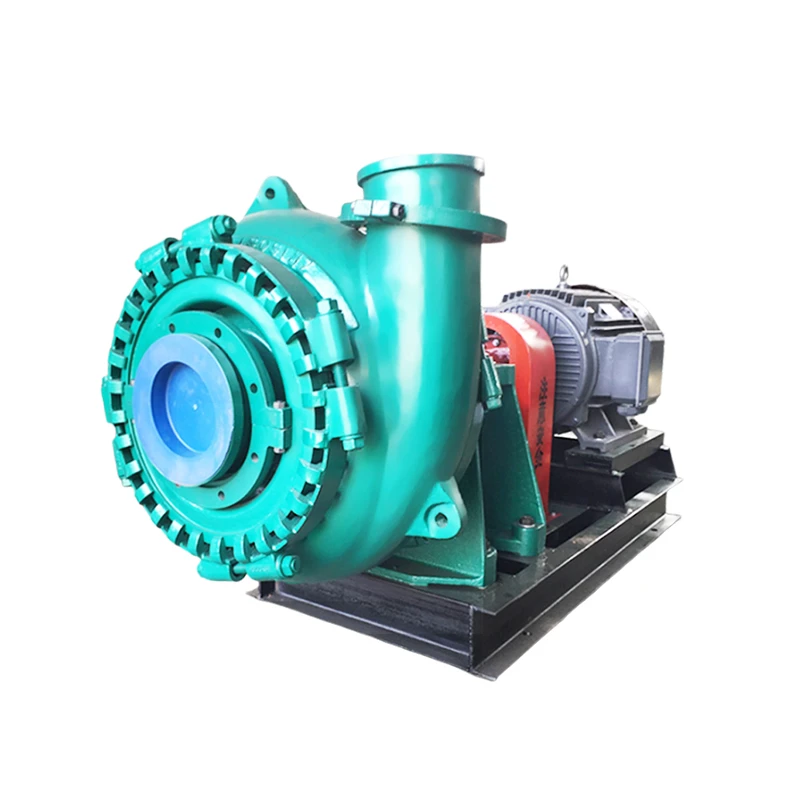
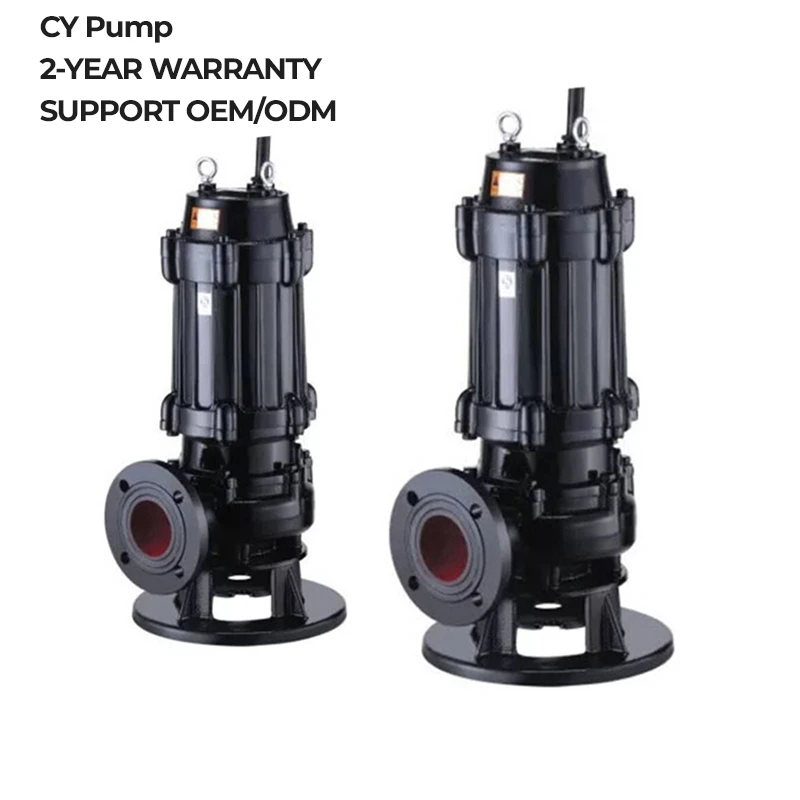
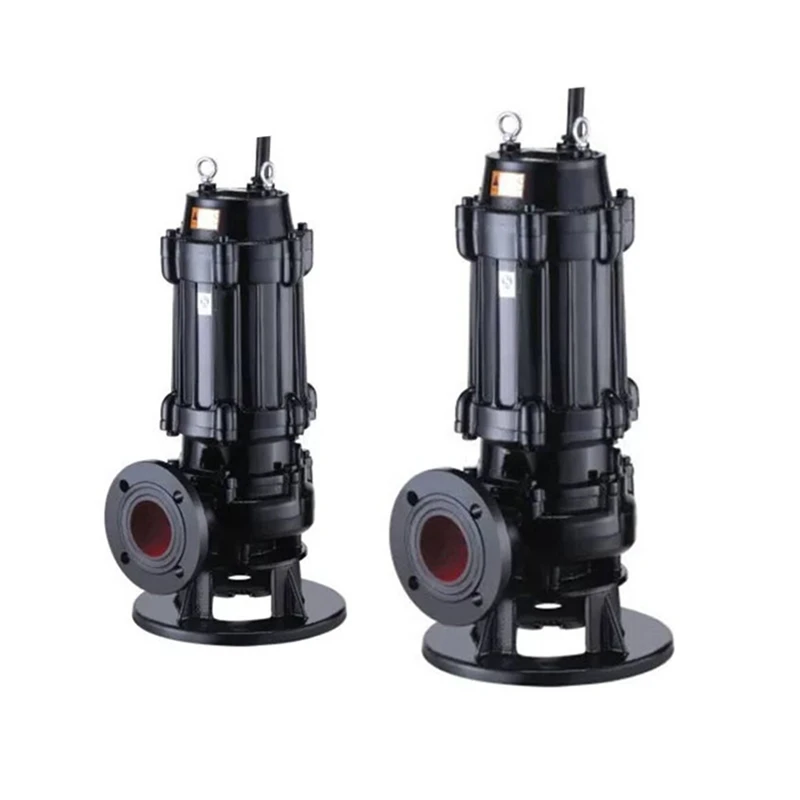
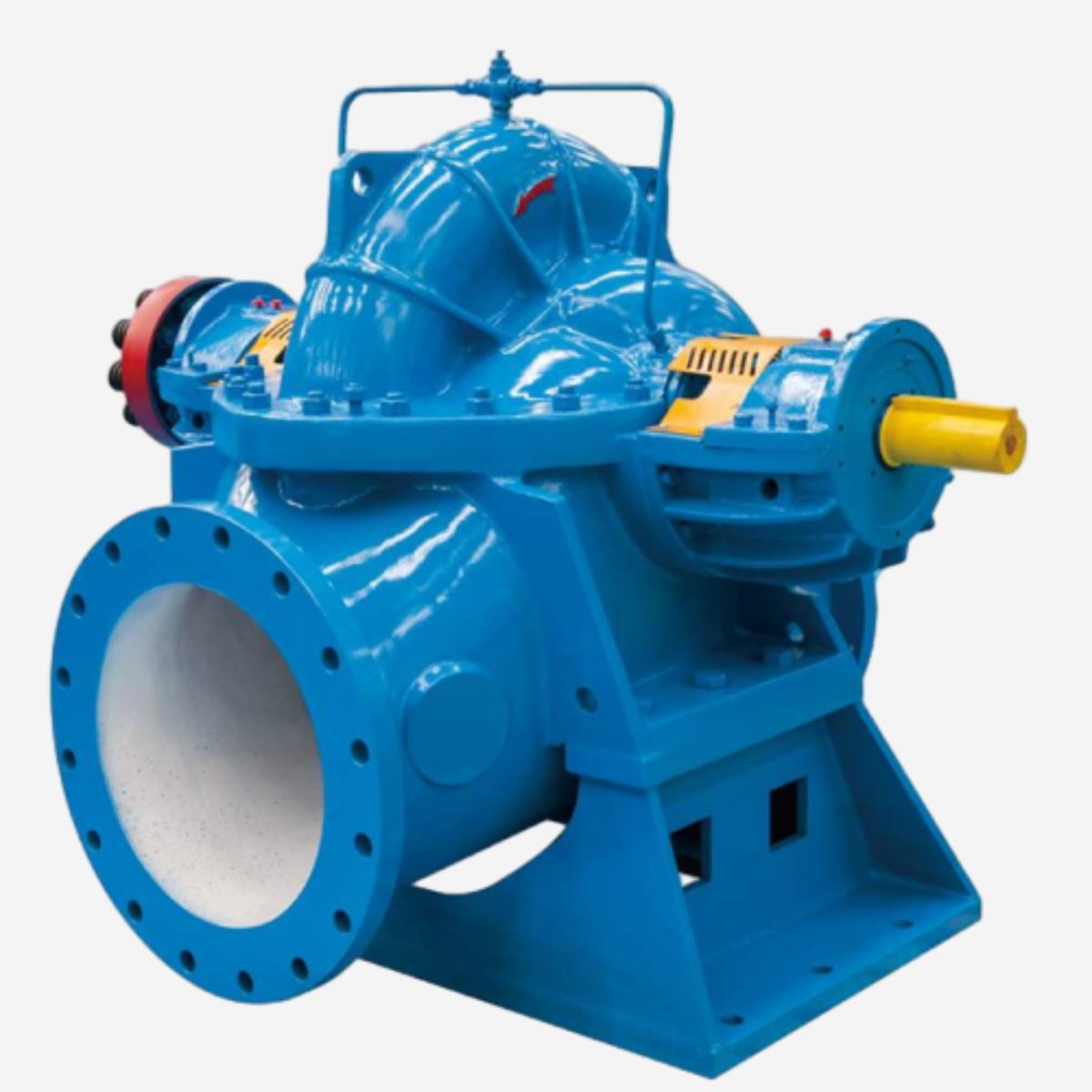
stainless steel sewage pump
Stainless Steel Sewage Pump
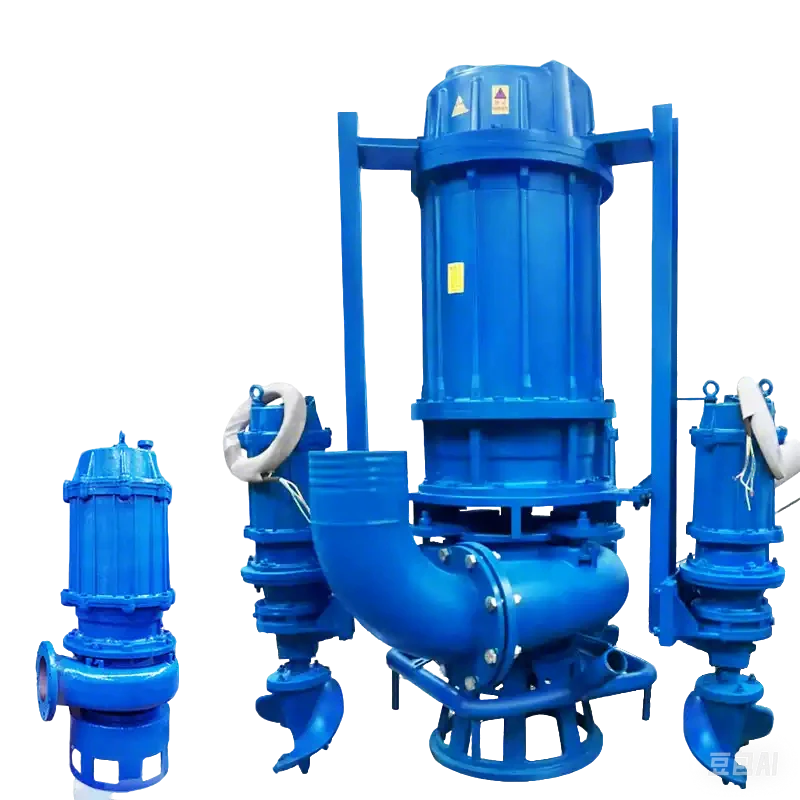
The stainless steel sewage pump is engineered to handle the toughest wastewater and sewage applications with efficiency and reliability. Crafted from high-quality stainless steel, this pump is designed to withstand corrosive environments, making it ideal for various industrial applications. Suitable for commercial and municipal use, our sewage pump ensures optimal performance and longevity, even in the most demanding situations.
Key Features
- Corrosion Resistance: Made from durable stainless steel to prevent rust and corrosion.
- High Flow Rate: Capable of moving large volumes of sewage and wastewater quickly.
- Submersible Design: Efficiently operates underwater, allowing for easy installation in various settings.
- Energy Efficient: Designed to minimize energy consumption while maximizing output.
- Robust Motor: Features a powerful motor that ensures reliable performance in challenging environments.
Technical Specifications
| Specification | Details |
|---|---|
| Material | Stainless Steel 304/316 |
| Power | 1.5 - 15 HP |
| Flow Rate | Up to 3000 GPM |
| Max Head | Up to 100 ft |
| Voltage | 220V / 380V |
| Operating Temperature | -10°C to 40°C |
| Weight | Varies by model |
Application Scenarios
The stainless steel sewage pump is versatile and can be used in a variety of applications, including:
- Municipal Sewage Systems: Efficiently pumps wastewater from treatment facilities.
- Industrial Wastewater Management: Ideal for factories and plants that discharge heavy wastewater.
- Construction Sites: Manages groundwater and sewage in construction areas.
- Residential Applications: Suitable for sewage discharge in homes with basements.
- Agricultural Settings: Used for pumping wastewater from livestock facilities and irrigation systems.
Advantages
Choosing our stainless steel sewage pump comes with numerous benefits:
- Durability: Built to last in harsh environments, reducing maintenance costs.
- Efficiency: High flow rates ensure quick and effective wastewater management.
- Easy Installation: Submersible design allows for straightforward installation and operation.
- Low Maintenance: Designed for minimal upkeep, saving time and resources.
- Customizable Options: Available in various sizes and specifications to meet specific needs.
Why Choose Us
As a leader in the industrial pump industry, we take pride in our commitment to quality and customer satisfaction. Here’s why our stainless steel sewage pump stands out:
- Expertise: Over 20 years of experience in manufacturing industrial pumps.
- Quality Assurance: Each pump is rigorously tested to meet international standards.
- Global Reach: Serving clients across diverse industries worldwide.
- Support: Dedicated customer service team available for technical support and inquiries.
- Innovation: Continuously improving our products to meet evolving industry standards.
FAQ
1. What is a stainless steel sewage pump?
A stainless steel sewage pump is a submersible pump designed to transport sewage and wastewater. Made from stainless steel, it offers excellent corrosion resistance and durability.
2. How does a stainless steel sewage pump work?
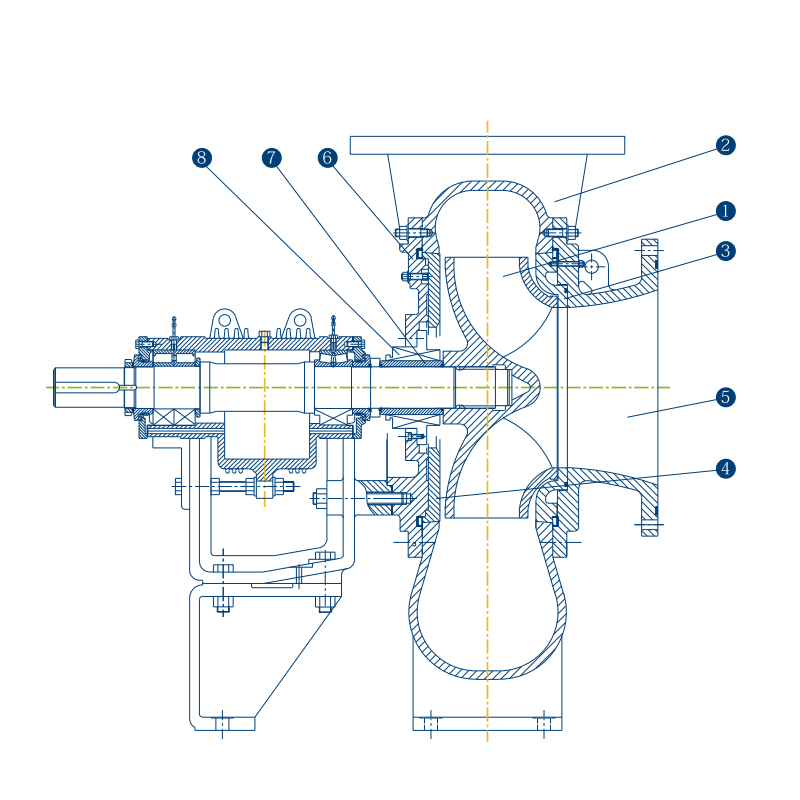
The pump operates by utilizing a motor to create suction, drawing sewage or wastewater into the pump and then expelling it through discharge piping. Its submersible design allows it to function underwater, making it ideal for sewage systems.
3. What applications are suitable for a stainless steel sewage pump?
These pumps are suitable for municipal sewage systems, industrial wastewater management, construction sites, residential applications, and agricultural settings.
4. How do I maintain a stainless steel sewage pump?
Regular maintenance includes checking for blockages, inspecting electrical connections, and ensuring that the pump operates smoothly. Follow the manufacturer's guidelines for detailed maintenance procedures.
5. What is the typical lifespan of a stainless steel sewage pump?
With proper maintenance, a stainless steel sewage pump can last for many years, often exceeding 10-15 years depending on usage conditions and maintenance practices.