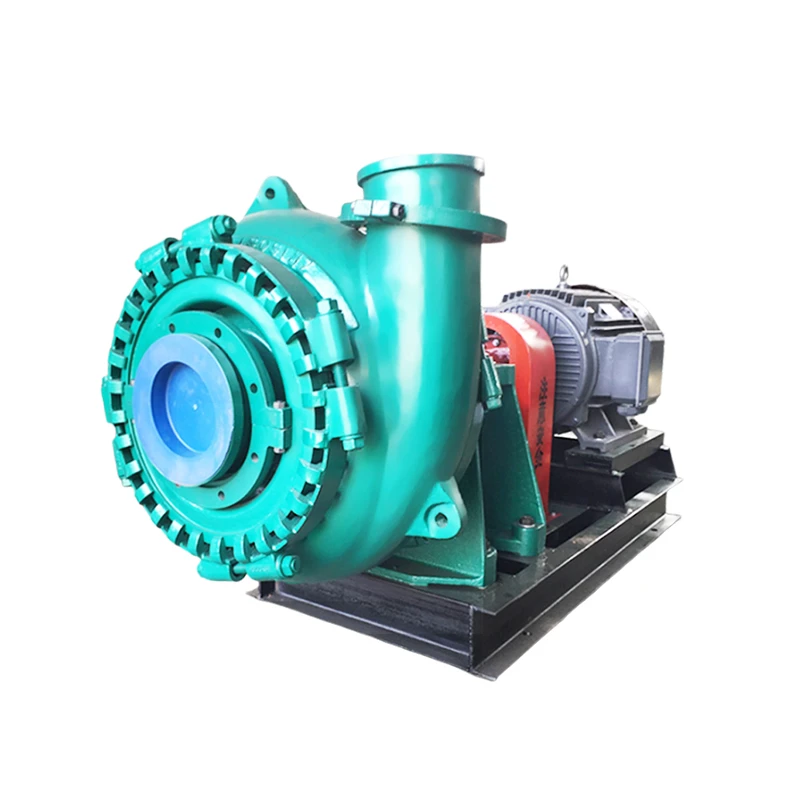
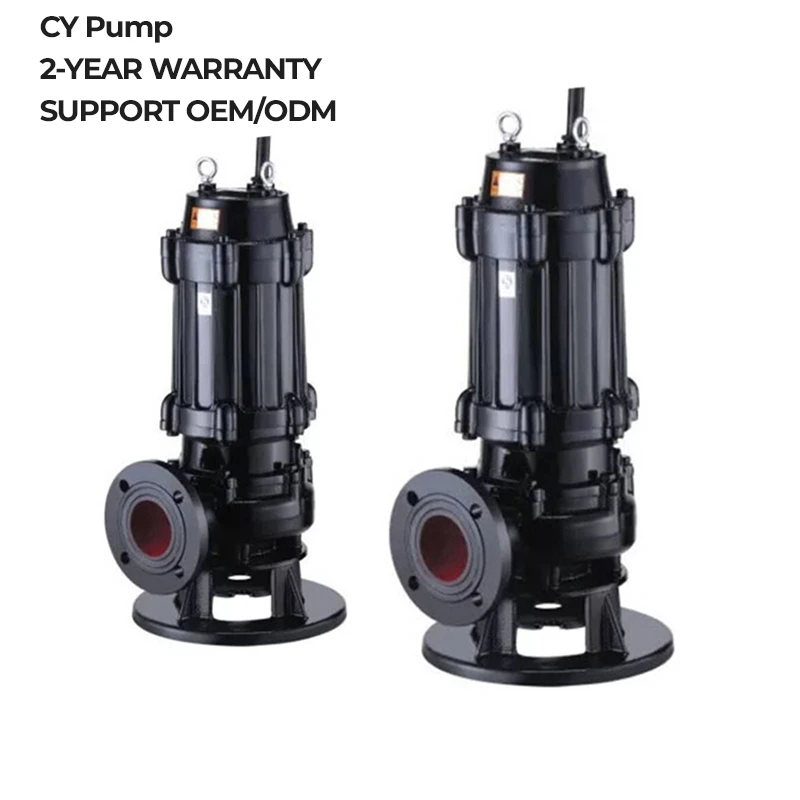
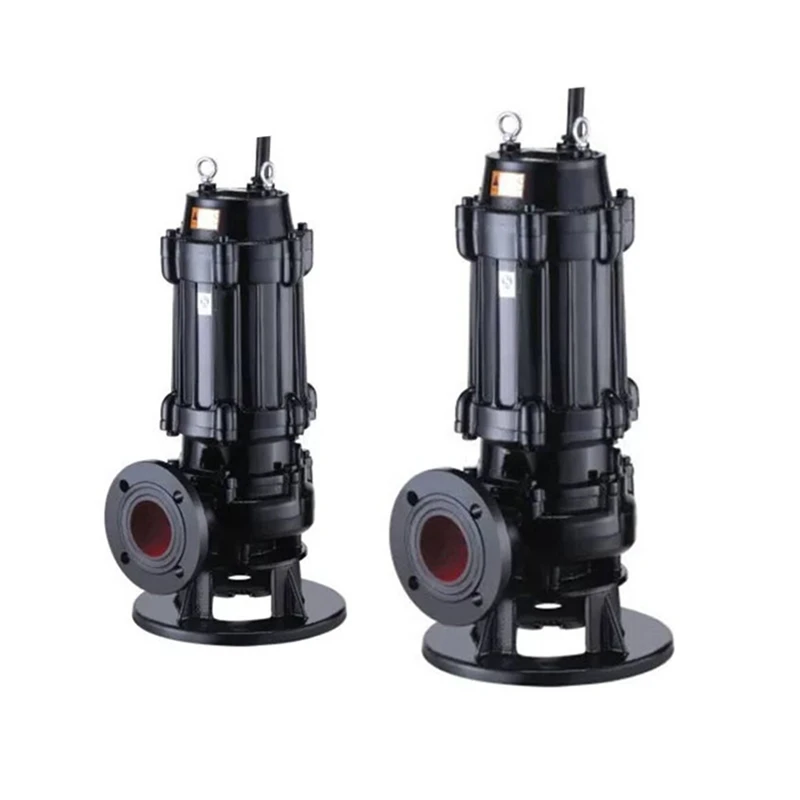
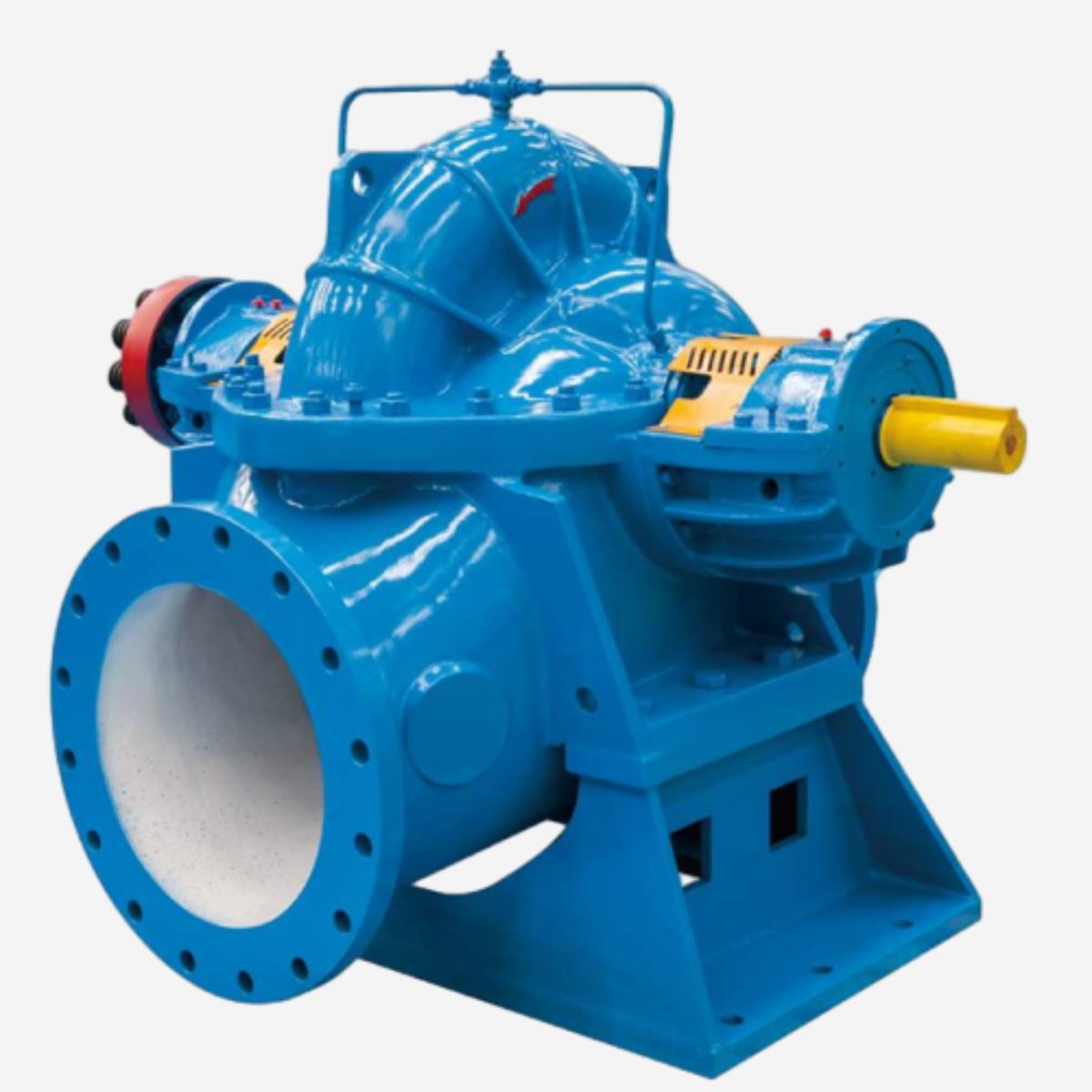
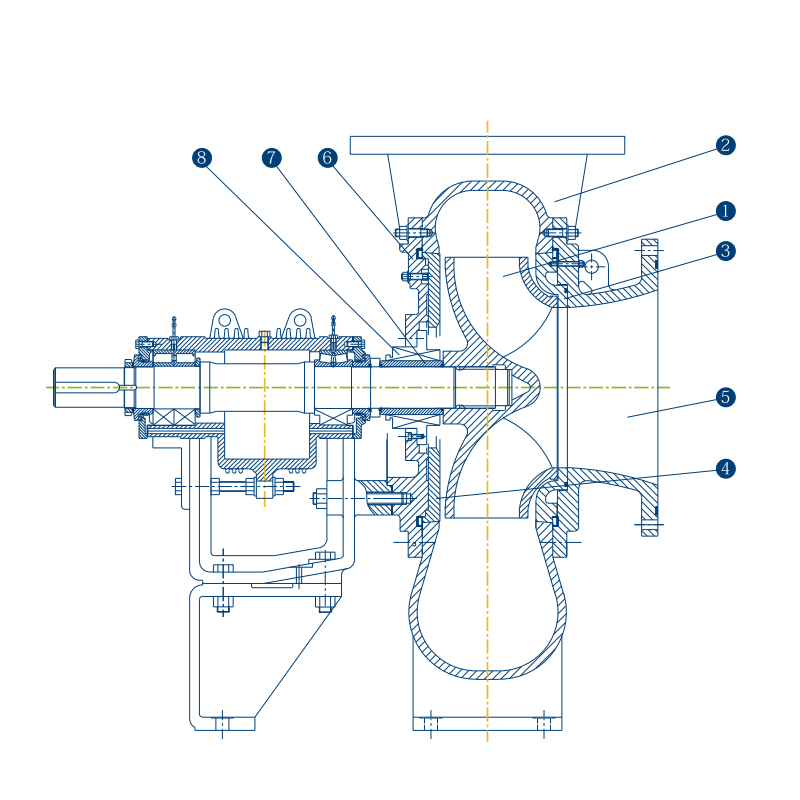
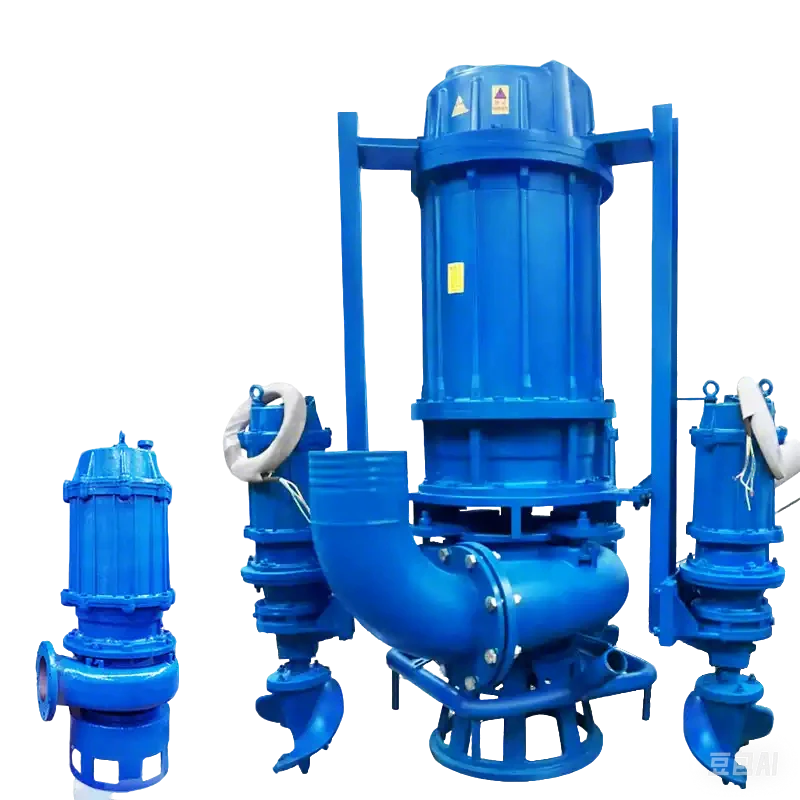
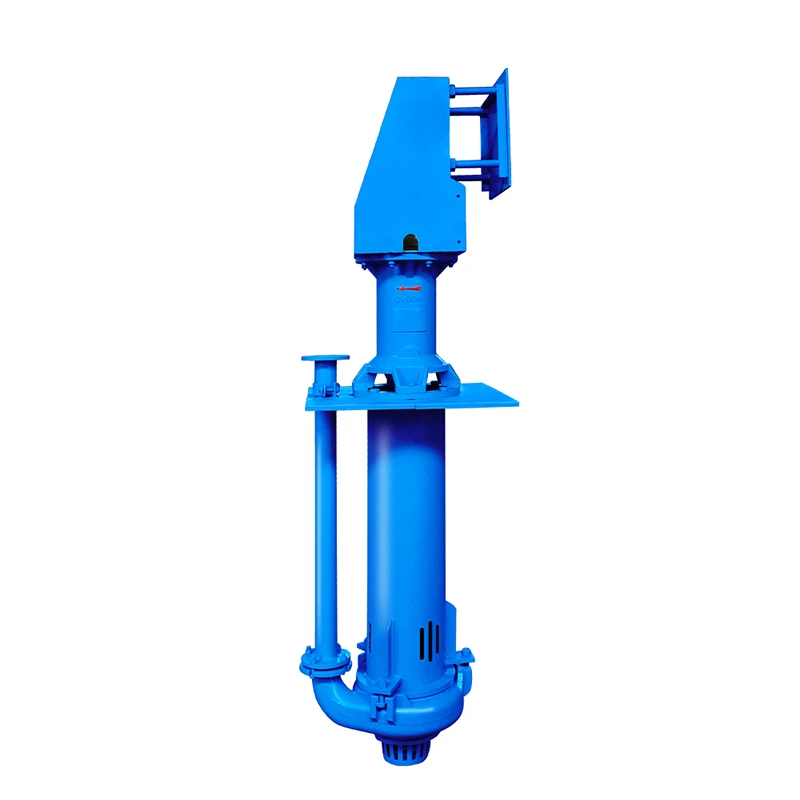
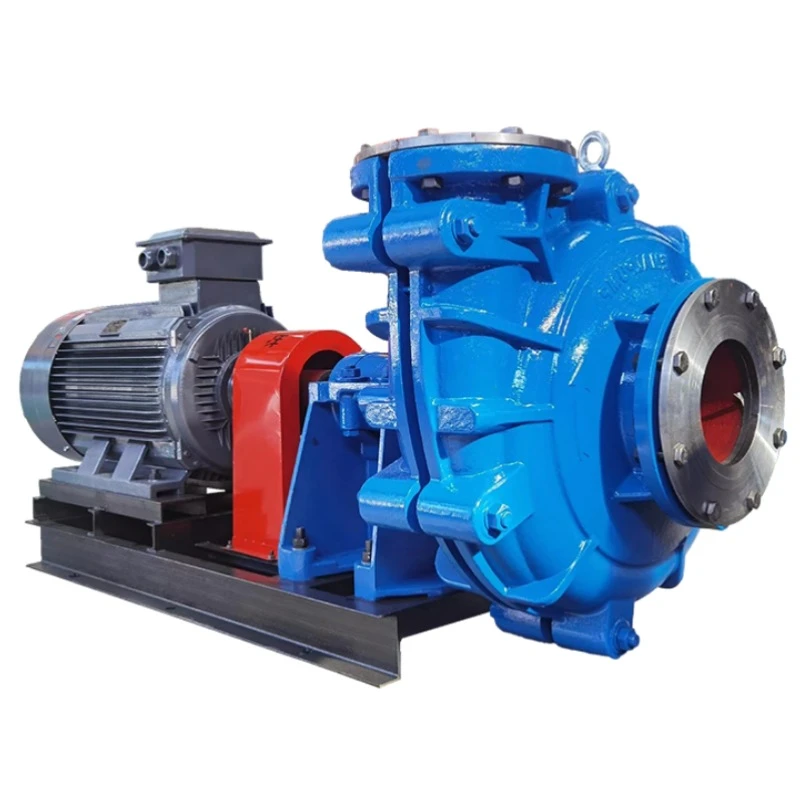
slurry pump types
Slurry Pump Types
The world of industrial pumping is vast, and among the various types of pumps available, slurry pump types stand out for their unique capabilities. Designed specifically to handle abrasive and viscous materials, slurry pumps are essential in industries such as mining, construction, and wastewater treatment. This product page will provide an in-depth overview of the different slurry pump types, their features, applications, and why they are indispensable in various industrial processes.
Product Overview
Slurry pump types are engineered to transport mixtures of liquid and solid particles, commonly referred to as slurry. These pumps are robust, durable, and capable of handling challenging materials, making them crucial for operations that require the movement of heavy slurries. The primary function of slurry pumps is to provide a reliable means of transferring materials without compromising efficiency or integrity.
Key Features
- High Efficiency: Slurry pump types are designed to maximize flow rates and minimize energy consumption.
- Durable Construction: Made from wear-resistant materials, these pumps withstand abrasive conditions commonly encountered in industrial settings.
- Versatile Design: Available in various configurations, including centrifugal and positive displacement, to cater to different slurry characteristics.
- Customizable Options: Various impeller designs and sizes can be tailored to the specific requirements of the application.
- Easy Maintenance: Many slurry pump types feature simple disassembly and reassembly, reducing downtime during maintenance.
Technical Specifications
| Specification | Details |
|---|---|
| Pump Type | Centrifugal, Positive Displacement |
| Capacity | Up to 6000 m³/h |
| Max Head | Up to 150 m |
| Max Solid Size | Up to 100 mm |
| Material Options | Cast Iron, Stainless Steel, Rubber Lined |
| Power Supply | Electric, Hydraulic, Diesel |
Application Scenarios
Slurry pump types serve a multitude of industries and applications, including:
- Mining: Efficiently transport ore slurries to processing plants.
- Construction: Handle cement and other heavy mixtures during the building process.
- Wastewater Treatment: Move sludge and other by-products through treatment facilities.
- Food Processing: Manage viscous materials such as slurry in food production lines.
- Chemical Processing: Transfer chemical slurries safely and efficiently.
Advantages

The benefits of using specific slurry pump types are numerous:
- Improved Efficiency: Designed to handle high solids concentrations, which increase overall throughput.
- Cost-Effectiveness: Reduces operational costs by minimizing energy consumption and maintenance needs.
- Enhanced Reliability: Built to withstand demanding conditions, ensuring long-term operation without failure.
- Custom Solutions: Tailored options available to suit specific operational needs and challenges.
- Environmental Compliance: Designed with eco-friendly materials and technologies to reduce environmental impact.
Why Choose Us
When selecting slurry pump types for your operations, choosing a trusted partner is essential. Here’s why we stand out:
- Expertise: With years of experience in the industry, we understand the complexities of slurry transport and provide top-notch solutions.
- High-Quality Products: Our slurry pumps are manufactured using the finest materials, ensuring durability and performance.
- Customer-Centric Approach: We prioritize your needs, offering personalized service and support throughout your project.
- Global Reach: Our international trade capabilities ensure timely delivery and support wherever you are located.
- Innovative Technology: We continually invest in research and development to provide cutting-edge solutions for our clients.
FAQ
What are the different types of slurry pumps?
There are mainly two types of slurry pumps: centrifugal and positive displacement. Centrifugal pumps are ideal for high flow applications, while positive displacement pumps are better suited for high-viscosity slurries.
How do I choose the right slurry pump type for my application?
Consider factors such as the type of slurry, flow rate, head requirement, and solid size. Consulting with an expert can help you make an informed decision.
What materials are slurry pumps made from?
Slurry pump types can be made from various materials, including cast iron, stainless steel, and rubber linings, depending on the application and the nature of the slurry being pumped.
Can slurry pumps handle corrosive materials?
Yes, certain slurry pump types are specifically designed to handle corrosive materials. It's essential to choose the right material for the pump based on the chemical properties of the slurry.
What maintenance do slurry pumps require?
Regular maintenance includes checking for wear on components, ensuring seals are intact, and monitoring performance parameters. A proactive maintenance schedule can significantly extend the lifespan of your slurry pump.