English
- Afrikaans
- Albanian
- Amharic
- Arabic
- Armenian
- Azerbaijani
- Basque
- Belarusian
- Bengali
- Bosnian
- Bulgarian
- Catalan
- Cebuano
- Corsican
- Croatian
- Czech
- Danish
- Dutch
- English
- Esperanto
- Estonian
- Finnish
- French
- Frisian
- Galician
- Georgian
- German
- Greek
- Gujarati
- Haitian Creole
- hausa
- hawaiian
- Hebrew
- Hindi
- Miao
- Hungarian
- Icelandic
- igbo
- Indonesian
- irish
- Italian
- Japanese
- Javanese
- Kannada
- kazakh
- Khmer
- Rwandese
- Korean
- Kurdish
- Kyrgyz
- Lao
- Latin
- Latvian
- Lithuanian
- Luxembourgish
- Macedonian
- Malgashi
- Malay
- Malayalam
- Maltese
- Maori
- Marathi
- Mongolian
- Myanmar
- Nepali
- Norwegian
- Norwegian
- Occitan
- Pashto
- Persian
- Polish
- Portuguese
- Punjabi
- Romanian
- Russian
- Samoan
- Scottish Gaelic
- Serbian
- Sesotho
- Shona
- Sindhi
- Sinhala
- Slovak
- Slovenian
- Somali
- Spanish
- Sundanese
- Swahili
- Swedish
- Tagalog
- Tajik
- Tamil
- Tatar
- Telugu
- Thai
- Turkish
- Turkmen
- Ukrainian
- Urdu
- Uighur
- Uzbek
- Vietnamese
- Welsh
- Bantu
- Yiddish
- Yoruba
- Zulu

Telephone: +86 13120555503
Email: frank@cypump.com


Apr . 01, 2024 17:55 Back to list
wholesale trash slurry pump Manufacturing Performance Analysis
Introduction
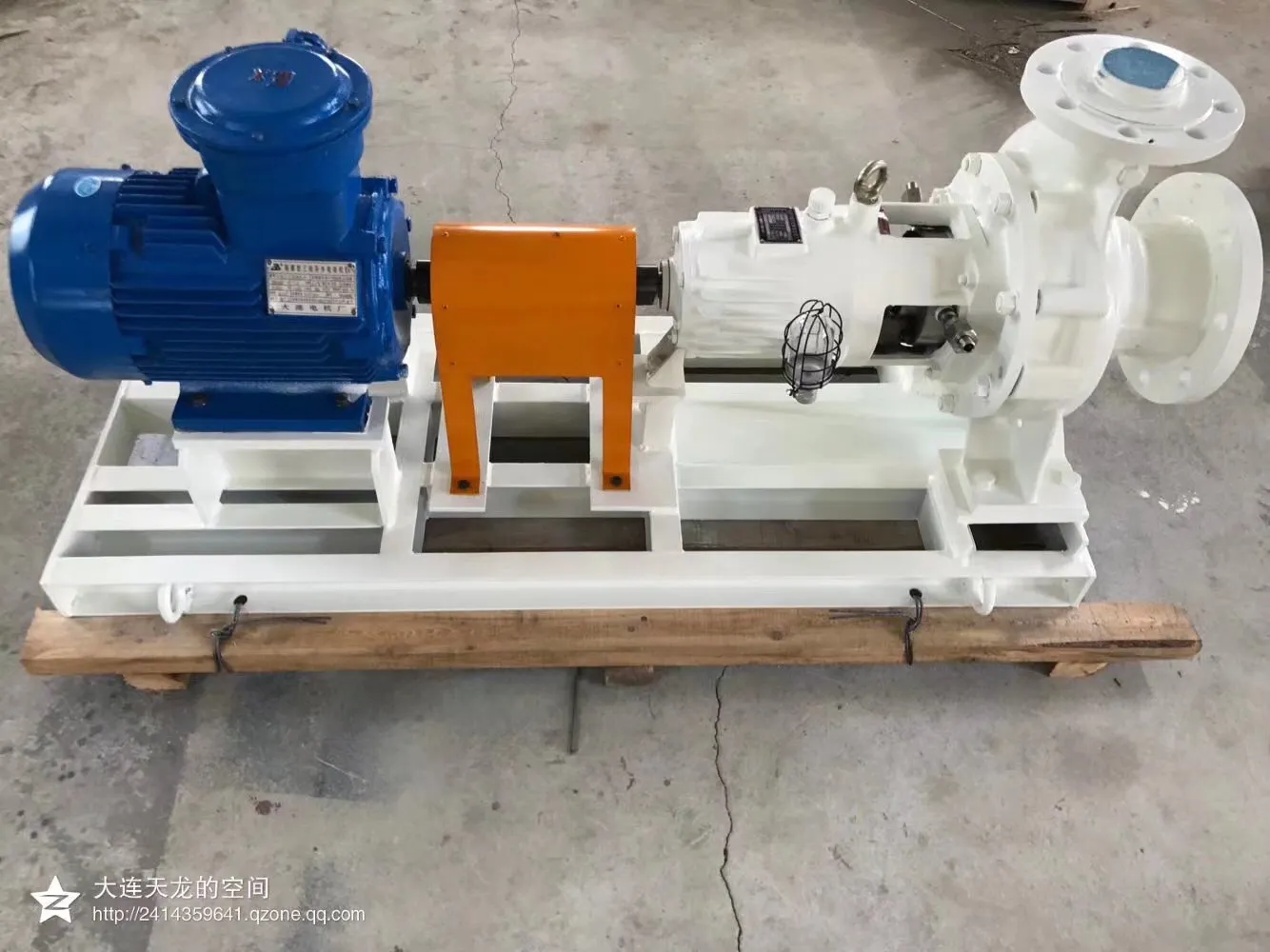
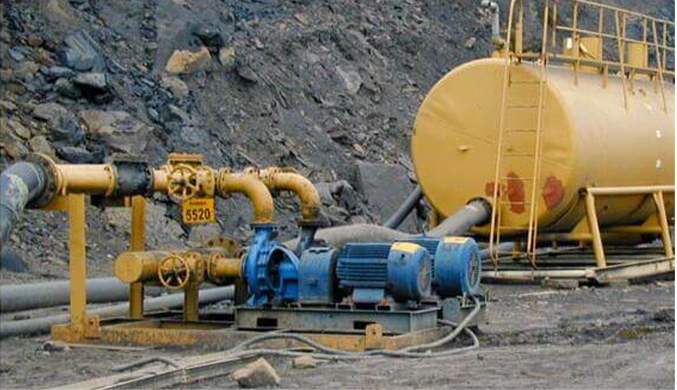
Wholesale trash slurry pumps are robust centrifugal pumps designed for handling highly abrasive and solids-laden fluids. Positioned within the wastewater treatment, mining, construction, and industrial effluent management segments, these pumps are critical components for moving materials containing large solids, debris, and abrasive particles. Their primary function is to efficiently transfer slurries without clogging, ensuring continuous operation of downstream processes. Core performance characteristics include flow rate, head pressure, solids handling capacity, and abrasion resistance. Unlike standard centrifugal pumps, trash slurry pumps incorporate design features such as open impellers, hardened materials, and oversized passages to mitigate wear and prevent blockages. The increasing demand stems from stringent environmental regulations demanding effective wastewater management, coupled with the growth in industries generating significant solid waste byproducts. Selection hinges on accurately characterizing the slurry's composition, particle size distribution, specific gravity, and abrasive index.
Material Science & Manufacturing
The construction of wholesale trash slurry pumps necessitates materials capable of withstanding severe abrasion, corrosion, and impact. Common materials include high-chromium cast iron (typically 27-30% chromium) for impellers and volute casings, offering exceptional wear resistance. Pump housings are often constructed from ductile iron (ASTM A536 Grade 65-45-12) due to its tensile strength and impact toughness. Shafts are commonly forged from alloy steel (e.g., 4140 or 4340) and heat-treated for high torsional strength. Elastomeric components, such as seals and liners, utilize materials like natural rubber, neoprene, or Viton, selected based on the slurry's chemical compatibility.
Manufacturing processes involve several key steps. Casing production typically utilizes sand casting followed by machining to achieve precise dimensions and smooth surface finishes. Impellers are often investment cast to create complex geometries with minimal material waste. Welding procedures, particularly for housing assembly and shaft alignment, must adhere to ASME Section IX standards to ensure structural integrity. Heat treatment processes are critical for optimizing material properties; improper heat treatment can lead to reduced hardness or increased brittleness. Quality control measures include non-destructive testing (NDT) such as radiographic inspection and ultrasonic testing to detect internal flaws. Surface coatings, such as epoxy or ceramic linings, are frequently applied to further enhance abrasion resistance and corrosion protection. Parameter control during casting focuses on melt temperature, pouring rate, and solidification time. Machining tolerances are tightly controlled to ensure proper impeller-casing clearances, maximizing pump efficiency and minimizing wear.
Performance & Engineering
Performance evaluation of trash slurry pumps centers on hydraulic efficiency, solids handling capability, and wear life. Force analysis considers centrifugal forces acting on the impeller, hydrodynamic forces within the volute, and the pressure drop across the pump. Environmental resistance is a crucial factor, particularly in corrosive environments. Pump materials must be selected to withstand the chemical attack from the slurry. For example, slurries containing sulfuric acid necessitate the use of stainless steel or specialized polymer coatings. Compliance requirements vary by region; in the US, EPA regulations govern effluent discharge standards, dictating the need for reliable pumping systems. European standards (EN 732) address pump performance testing and classification. Functional implementation involves matching pump characteristics (flow rate, head) to the system's requirements, considering factors like pipe friction losses and elevation changes. Cavitation, a common issue in centrifugal pumps, is mitigated through proper impeller design and ensuring sufficient Net Positive Suction Head Available (NPSHa). Pump curves are essential tools for selecting the appropriate pump size and operating point, optimizing efficiency and preventing damage.
The pump's hydraulic design focuses on minimizing turbulence and maximizing impeller-volute matching. Open impeller designs are preferred for trash slurry pumps as they reduce the risk of clogging. Impeller vane angles and volute geometry are optimized using Computational Fluid Dynamics (CFD) simulations to achieve desired performance characteristics. Seal selection is critical to prevent leakage and ingress of abrasive particles. Mechanical seals with hardened faces and multiple spring configurations are common choices. Pump performance is also affected by the pump speed; higher speeds generally lead to higher flow rates but also increased wear.
Technical Specifications
| Parameter | Unit | Typical Range | Tolerance |
|---|---|---|---|
| Flow Rate | m³/h | 50 - 1000 | ±5% |
| Head | m | 10 - 80 | ±5% |
| Solids Handling Capacity | mm | Up to 100 | N/A |
| Pump Speed | RPM | 500 - 1800 | ±2% |
| Power | kW | 2.2 - 150 | ±5% |
| Casing Material | - | Ductile Iron (A536 65-45-12) / High Chrome Iron | ASTM Standards |
Failure Mode & Maintenance
Trash slurry pumps are susceptible to various failure modes. Fatigue cracking, particularly in the impeller and casing, can occur due to cyclical loading and stress concentrations. Delamination of protective coatings, such as epoxy linings, leads to accelerated corrosion and wear. Abrasive wear is the most common failure mechanism, causing gradual erosion of impeller vanes and casing walls. Chemical attack from corrosive slurries can result in pitting corrosion and material degradation. Cavitation damage can occur if the NPSHa is insufficient, leading to implosion of vapor bubbles and erosion of pump components. Seal failures can lead to leakage and reduced pump efficiency.
Preventative maintenance is critical for maximizing pump life. Regular inspection of impellers, casings, and seals for wear and damage is essential. Lubrication of bearings is crucial to prevent overheating and failure. Monitoring vibration levels can detect early signs of imbalance or bearing wear. Periodic cleaning of pump passages removes accumulated solids and debris. Replacement of worn components, such as seals and liners, prevents catastrophic failures. Scheduled impeller and casing replacements are necessary based on wear rate and operating conditions. Employing a predictive maintenance program using vibration analysis and oil analysis can optimize maintenance schedules and minimize downtime. Regular visual inspections for signs of corrosion or erosion should also be conducted. Maintaining accurate records of pump performance and maintenance activities facilitates informed decision-making and proactive troubleshooting.
Industry FAQ
Q: What is the impact of slurry composition on impeller wear rate?
A: The slurry’s solid particle size, shape, hardness, and concentration significantly impact impeller wear. Larger, harder particles cause more aggressive abrasion. Higher solid concentrations increase the frequency of impacts. Slurries containing angular particles typically exhibit higher wear rates compared to those with rounded particles. Analyzing a slurry’s particle size distribution and hardness using methods like sieve analysis and Mohs hardness testing is essential for predicting wear rates and selecting appropriate materials.
Q: How does impeller design affect pump efficiency and solids handling capability?
A: Open impeller designs, characterized by fewer vanes and wider passages, are favored for trash slurry pumps due to their reduced risk of clogging and improved solids handling. However, open impellers generally have lower hydraulic efficiency compared to closed impellers. Optimizing vane angles and impeller diameter is crucial for balancing efficiency and solids handling. Impeller geometry also influences the pump's NPSHr (Net Positive Suction Head Required), impacting its susceptibility to cavitation.
Q: What are the key considerations when selecting a pump seal for abrasive slurries?
A: Seal selection is critical for preventing leakage and ingress of abrasive particles. Mechanical seals with hardened faces (e.g., tungsten carbide or silicon carbide) offer superior wear resistance. Double mechanical seals with a barrier fluid provide enhanced protection against abrasive particles and prevent leakage. Seal materials must be chemically compatible with the slurry. Seal flush plans are important for removing abrasive particles and maintaining lubrication.
Q: What are the typical maintenance intervals for a trash slurry pump in continuous operation?
A: Maintenance intervals depend on the severity of the application and the slurry composition. Daily inspections should include visual checks for leaks and unusual noises. Monthly maintenance should involve lubrication of bearings and inspection of seals. Quarterly maintenance should include impeller and casing inspection for wear, and vibration analysis. Annual maintenance should include a complete pump overhaul, including seal replacement and impeller/casing refurbishment or replacement.
Q: How important is NPSH (Net Positive Suction Head) in preventing pump damage?
A: NPSH is critically important. Insufficient NPSH leads to cavitation, which causes severe erosion of pump components, particularly the impeller. Ensuring that the NPSHa (Net Positive Suction Head Available) is always greater than the pump’s NPSHr (Net Positive Suction Head Required) is essential for preventing cavitation and maximizing pump life. Factors affecting NPSHa include suction lift, fluid temperature, and atmospheric pressure.
Conclusion
Wholesale trash slurry pumps represent a vital technology for handling abrasive and solid-laden fluids across numerous industrial applications. Successful operation hinges on a deep understanding of material science, manufacturing processes, and hydraulic principles. Proper pump selection, based on a thorough characterization of the slurry and system requirements, is paramount. The longevity and efficiency of these pumps are directly correlated to a robust preventative maintenance program, focused on early detection of wear and timely component replacement.
Future developments in trash slurry pump technology will likely focus on advanced materials with enhanced abrasion resistance, improved impeller designs for increased efficiency, and the integration of smart sensors for predictive maintenance. Furthermore, optimization of pump control systems to minimize energy consumption and reduce environmental impact will become increasingly important. Continued research and development in these areas will ensure the reliable and cost-effective operation of trash slurry pumps in challenging industrial environments.
-
Precision at the Pump: How Better Machining Protects Flow and Uptime
News2026-11-20
-
Why Pump Reliability Begins Before the First Drop of Fluid
News2026-11-20
-
Beyond the Pump: Designing Safer Access Around Critical Water Infrastructure
News2026-11-20
-
Why Pumping Stations Depend on the Infrastructure Beneath the Pumps
News2026-11-20
-
Beyond the Pump Room: How Smarter Loading Protects Industrial Equipment
News2026-11-19
-
When Pumps Stop: Designing More Resilient Power for Critical Pumping Systems
News2026-11-19
-
The Hidden Role of Dust and Gas Monitoring in Reliable Pump Operations
News2026-11-19
-
The Hidden Role of Mineral Compounds in Extending Industrial Pump Lifespan
News2026-10-12
-
Why Pump System Reliability Depends on Precision Hose Assembly Methods
News2026-09-15
-
How Advanced Imaging Films Are Transforming Pump Component Quality Control
News2026-08-25
-
How Advanced Filtration Protects Pump Systems from Premature Wear and Costly Downtime
News2026-08-25
-
How Steel Material Selection Drives Pump Reliability in Heavy-Duty Systems
News2026-08-25
-
Ensuring Pump System Efficiency: The Role of High-Quality Pipe Fittings and Tubing
News2026-08-24
-
Optimizing Fluid Dynamics and Material Consistency in Industrial Processing
News2026-08-18
-
Innovations and Challenges in Hydraulic Systems for Heavy Machinery
News2026-08-13




