English
- Afrikaans
- Albanian
- Amharic
- Arabic
- Armenian
- Azerbaijani
- Basque
- Belarusian
- Bengali
- Bosnian
- Bulgarian
- Catalan
- Cebuano
- Corsican
- Croatian
- Czech
- Danish
- Dutch
- English
- Esperanto
- Estonian
- Finnish
- French
- Frisian
- Galician
- Georgian
- German
- Greek
- Gujarati
- Haitian Creole
- hausa
- hawaiian
- Hebrew
- Hindi
- Miao
- Hungarian
- Icelandic
- igbo
- Indonesian
- irish
- Italian
- Japanese
- Javanese
- Kannada
- kazakh
- Khmer
- Rwandese
- Korean
- Kurdish
- Kyrgyz
- Lao
- Latin
- Latvian
- Lithuanian
- Luxembourgish
- Macedonian
- Malgashi
- Malay
- Malayalam
- Maltese
- Maori
- Marathi
- Mongolian
- Myanmar
- Nepali
- Norwegian
- Norwegian
- Occitan
- Pashto
- Persian
- Polish
- Portuguese
- Punjabi
- Romanian
- Russian
- Samoan
- Scottish Gaelic
- Serbian
- Sesotho
- Shona
- Sindhi
- Sinhala
- Slovak
- Slovenian
- Somali
- Spanish
- Sundanese
- Swahili
- Swedish
- Tagalog
- Tajik
- Tamil
- Tatar
- Telugu
- Thai
- Turkish
- Turkmen
- Ukrainian
- Urdu
- Uighur
- Uzbek
- Vietnamese
- Welsh
- Bantu
- Yiddish
- Yoruba
- Zulu

Telephone: +86 13120555503
Email: frank@cypump.com


Apr . 01, 2024 17:55 Back to list
wholesale slurry pump spare parts Manufacturing Specification and Performance Analysis
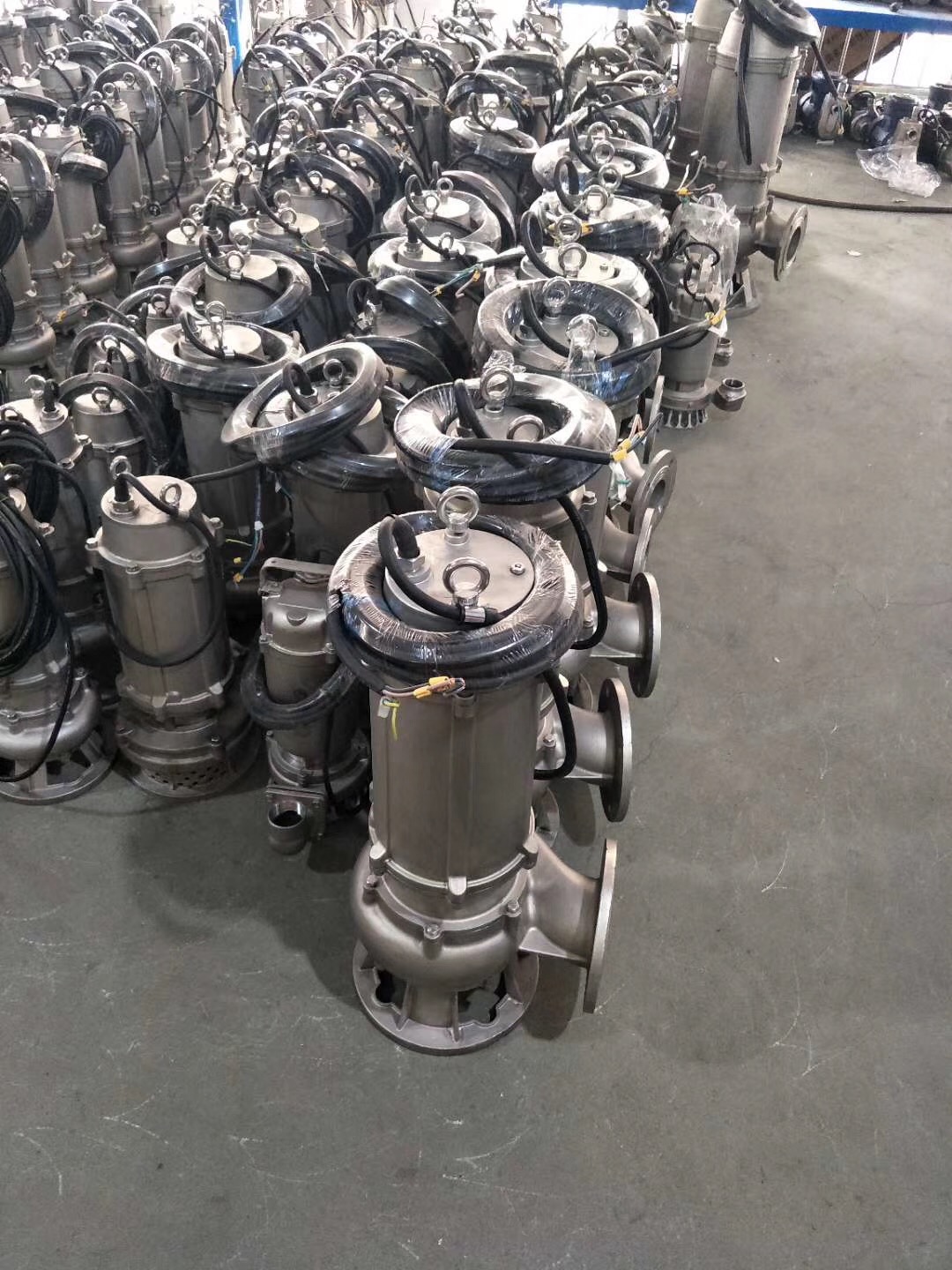
Slurry Pump Spare Parts Manufacturing Specification and Performance Analysis
Slurry pumps are the critical conduits in the transport of abrasive solids suspended in liquids, serving as the backbone for mineral processing, dredging, and chemical waste management. Wholesale slurry pump spare parts—specifically impellers, liners, and seals—operate in some of the most hostile mechanical environments in industrial engineering. The technical position of these components is defined by their role as "sacrificial" elements; they are engineered to erode predictably to protect the pump casing and drive assembly. The core performance of these parts is measured by their abrasion resistance, corrosion tolerance, and the maintenance of hydraulic efficiency over extended service intervals. Achieving an optimal balance between hardness (to resist wear) and toughness (to prevent catastrophic brittle failure) is the primary engineering challenge in the procurement and application of these components.
Material Science & Manufacturing
The selection of materials for slurry pump spare parts is governed by the chemical composition of the slurry and the particle size distribution of the abrasive media. Three primary material categories dominate the industry: High-Chrome White Irons, Natural Rubber, and Specialized Thermoplastic Composites.
High-Chrome Alloys (ASTM A532): For severe abrasive conditions, 27% Cr white iron is standard. The manufacturing process involves precision casting followed by controlled heat treatment to precipitate M7C3 carbides. These hard carbides provide the primary defense against scouring, while the martensitic matrix provides the structural integrity. Key parameter control during the cooling phase is essential to prevent internal stress cracking and ensure a uniform hardness profile across the impeller vanes.
Elastomeric Liners: Natural rubber and Polyurethane are utilized for finer particles with high impact. The manufacturing involves a vulcanization process where the polymer is cross-linked under heat and pressure. The critical metric here is the "tear strength" and "abrasion loss" measured via DIN 53516. The rubber absorbs the energy of particle impact, causing the particles to bounce rather than cut into the surface.
Precision Manufacturing: Modern spare parts are produced using CNC machining and 3D laser scanning to ensure a tight tolerance fit (typically within ±0.1mm for impeller clearances). This precision is vital to prevent "recirculation" within the pump volute, which would otherwise accelerate localized wear and drop the overall pump efficiency (η).

Performance & Engineering
The engineering efficiency of slurry pump spare parts is analyzed through the lens of Fluid Dynamics (CFD) and Tribology. The primary goal is to minimize the velocity of the slurry at the boundary layer where the fluid meets the metal or rubber surface, as erosion rates typically increase with the cube of the velocity (v³).
Force Analysis: Impellers are subjected to massive centrifugal forces and radial thrust. Engineering specifications focus on the "vane profile" to ensure a smooth transition of kinetic energy. Any cavitation—caused by local pressure drops below the vapor pressure of the liquid—can lead to "pitting," which destroys the material surface far faster than standard abrasion. This requires strict adherence to NPSH (Net Positive Suction Head) requirements.
Environmental Resistance: In mining applications, the presence of sulfuric acid or chlorides necessitates the use of Duplex Stainless Steels or specialized coatings. The interaction between corrosion and abrasion—known as "corrosion-erosion"—is synergistic; corrosion removes the protective oxide layer, exposing fresh metal to abrasion, which in turn accelerates corrosion. Therefore, the engineering of spare parts must include a chemical compatibility analysis of the slurry's pH and salinity.
Technical Specifications
| Material Grade | Hardness (Rockwell/Shore) | Abrasion Resistance | Max Operating Temp | Typical Application |
|---|---|---|---|---|
| High Chrome (27% Cr) | 60-65 HRC | Extreme (High) | < 150°C | Coarse tailings, Ore slurry |
| High Chrome (12% Cr) | 52-58 HRC | Moderate-High | < 200°C | Corrosive slurry, Ash |
| Natural Rubber (NR) | 60-70 Shore A | High (Fine particles) | < 70°C | Fine sand, Coal slurry |
| Polyurethane (PU) | 85-95 Shore A | Very High (Impact) | < 80°C | Dredging, Heavy sand |
| Duplex Steel (2205) | 25-30 HRC | Low-Moderate | < 300°C | Sea water, Acidic slurry |
| Ceramic Alumina | > 90 HRC | Absolute Maximum | < 500°C | Ultra-fine abrasive powders |
Failure Mode & Maintenance
Understanding the failure modes of slurry pump spare parts is essential for reducing unplanned downtime and optimizing Total Cost of Ownership (TCO).
1. Abrasive Wear & Scouring: The most common failure. It manifests as gradual thinning of the impeller vanes and liner walls. Failure occurs when the "wear limit" is reached, causing a drop in discharge pressure and flow rate. Solution: Implement a scheduled measurement of liner thickness using ultrasonic gauges.
2. Cavitation Erosion: Identified by a "sponge-like" or pitted appearance on the impeller suction eye. This is caused by the collapse of vapor bubbles. Solution: Increase suction head or reduce pump speed to match the system's NPSHa.
3. Fatigue Cracking: Often found in high-chrome parts subjected to cyclic loading or large solids impact. Brittle fracture occurs when a crack propagates through the martensitic matrix. Solution: Ensure correct heat treatment (tempering) and avoid operating the pump "dry" or with oversized solids.
4. Delamination: Common in rubber-lined parts where the bonding agent fails, causing the liner to peel away from the metal shell. Solution: Ensure proper surface preparation (sandblasting) and temperature control during the bonding process.
Maintenance Protocol: A professional maintenance cycle involves: (A) Vibration analysis to detect impeller imbalance; (B) Seal leak monitoring to prevent slurry ingress into the bearing housing; (C) Systematic rotation of liners to distribute wear evenly.
Industry FAQ
Q: How do I determine whether to choose High Chrome or Rubber liners for my application?
A: The decision is based primarily on particle size. For particles larger than 0.1mm, High Chrome alloys are superior due to their hardness. For finer particles (below 0.1mm) and high-velocity impact, Natural Rubber is preferred as it absorbs the energy of the particles rather than resisting it through hardness.
Q: Why is my impeller wearing unevenly on one side?
A: Uneven wear is typically a sign of hydraulic imbalance or misalignment. It often occurs when the pump is operated too far from its Best Efficiency Point (BEP), causing turbulent flow and recirculation zones that concentrate abrasion on specific sections of the impeller.
Q: What is the impact of slurry density on spare part longevity?
A: Higher slurry density increases the concentration of abrasive particles per unit volume, which linearly increases the wear rate. Furthermore, higher density increases the viscosity, which can alter the flow regime and increase the frictional drag on the internal components.
Q: Can I mix and match brands for spare parts, or must I use OEM components?
A: While wholesale high-quality aftermarket parts often meet or exceed OEM specifications (ASTM/ISO), it is critical to ensure that tolerances and material grades match exactly. Mixing components with different hardness levels can lead to "preferential wear," where the softer part fails prematurely.
Q: How does the pH level of the fluid affect the choice of spare parts?
A: In highly acidic (pH < 4) or alkaline (pH > 10) environments, standard high-chrome irons may suffer from rapid chemical corrosion. In such cases, we recommend Duplex Stainless Steel or specialized polymer coatings to prevent the synergistic effect of corrosion-erosion.
Conclusion
The technical integrity of wholesale slurry pump spare parts relies on the precise intersection of metallurgy, fluid dynamics, and mechanical engineering. By selecting materials that align with the specific abrasive and corrosive characteristics of the medium—be it the extreme hardness of 27% Cr white iron or the resilience of natural rubber—operators can significantly extend the Mean Time Between Failures (MTBF) and optimize the operational efficiency of the pumping system.
Moving forward, the industry is shifting toward "intelligent wear monitoring" and the use of hybrid ceramic-metal composites to further push the boundaries of durability. Procurement managers and engineers must transition from a "lowest initial cost" mindset to a "lifecycle value" approach, prioritizing precision manufacturing and material compliance to ensure sustainable industrial productivity in the most demanding environments.
-
Effluent vs Sump Pump Performance Analysis
News2026-05-22
-
effluent septic pump Performance Engineering
News2026-05-22
-
best sewer pumps Performance Engineering
News2026-05-22
-
best sewer pump Performance Analysis
News2026-05-22
-
best sewage pumps Performance Engineering
News2026-05-22
-
basement bathroom sewage pump Material Science Manufacturing
News2026-05-21
-
wastewater treatment plant pumps Material Science Manufacturing
News2026-05-21
-
waste water pump for basement Material Science Manufacturing
News2026-05-21
-
sump pump sewage Performance Analysis
News2026-05-21
-
sump pump for sewage Material Science and Manufacturing
News2026-05-21
-
sump pump for septic systems Material Science Manufacturing
News2026-05-20
-
sump pump and ejector pump Material Science Manufacturing
News2026-05-20
-
sewage treatment plant pumps Performance Analysis
News2026-05-20
-
sewage tank pump Material Science and Manufacturing
News2026-05-20
-
sewage pump for septic tank Performance Analysis
News2026-05-20




