English
- Afrikaans
- Albanian
- Amharic
- Arabic
- Armenian
- Azerbaijani
- Basque
- Belarusian
- Bengali
- Bosnian
- Bulgarian
- Catalan
- Cebuano
- Corsican
- Croatian
- Czech
- Danish
- Dutch
- English
- Esperanto
- Estonian
- Finnish
- French
- Frisian
- Galician
- Georgian
- German
- Greek
- Gujarati
- Haitian Creole
- hausa
- hawaiian
- Hebrew
- Hindi
- Miao
- Hungarian
- Icelandic
- igbo
- Indonesian
- irish
- Italian
- Japanese
- Javanese
- Kannada
- kazakh
- Khmer
- Rwandese
- Korean
- Kurdish
- Kyrgyz
- Lao
- Latin
- Latvian
- Lithuanian
- Luxembourgish
- Macedonian
- Malgashi
- Malay
- Malayalam
- Maltese
- Maori
- Marathi
- Mongolian
- Myanmar
- Nepali
- Norwegian
- Norwegian
- Occitan
- Pashto
- Persian
- Polish
- Portuguese
- Punjabi
- Romanian
- Russian
- Samoan
- Scottish Gaelic
- Serbian
- Sesotho
- Shona
- Sindhi
- Sinhala
- Slovak
- Slovenian
- Somali
- Spanish
- Sundanese
- Swahili
- Swedish
- Tagalog
- Tajik
- Tamil
- Tatar
- Telugu
- Thai
- Turkish
- Turkmen
- Ukrainian
- Urdu
- Uighur
- Uzbek
- Vietnamese
- Welsh
- Bantu
- Yiddish
- Yoruba
- Zulu

Telephone: +86 13120555503
Email: frank@cypump.com


Apr . 01, 2024 17:55 Back to list
wholesale slurry pump parts Manufacturing Specification and Performance Analysis
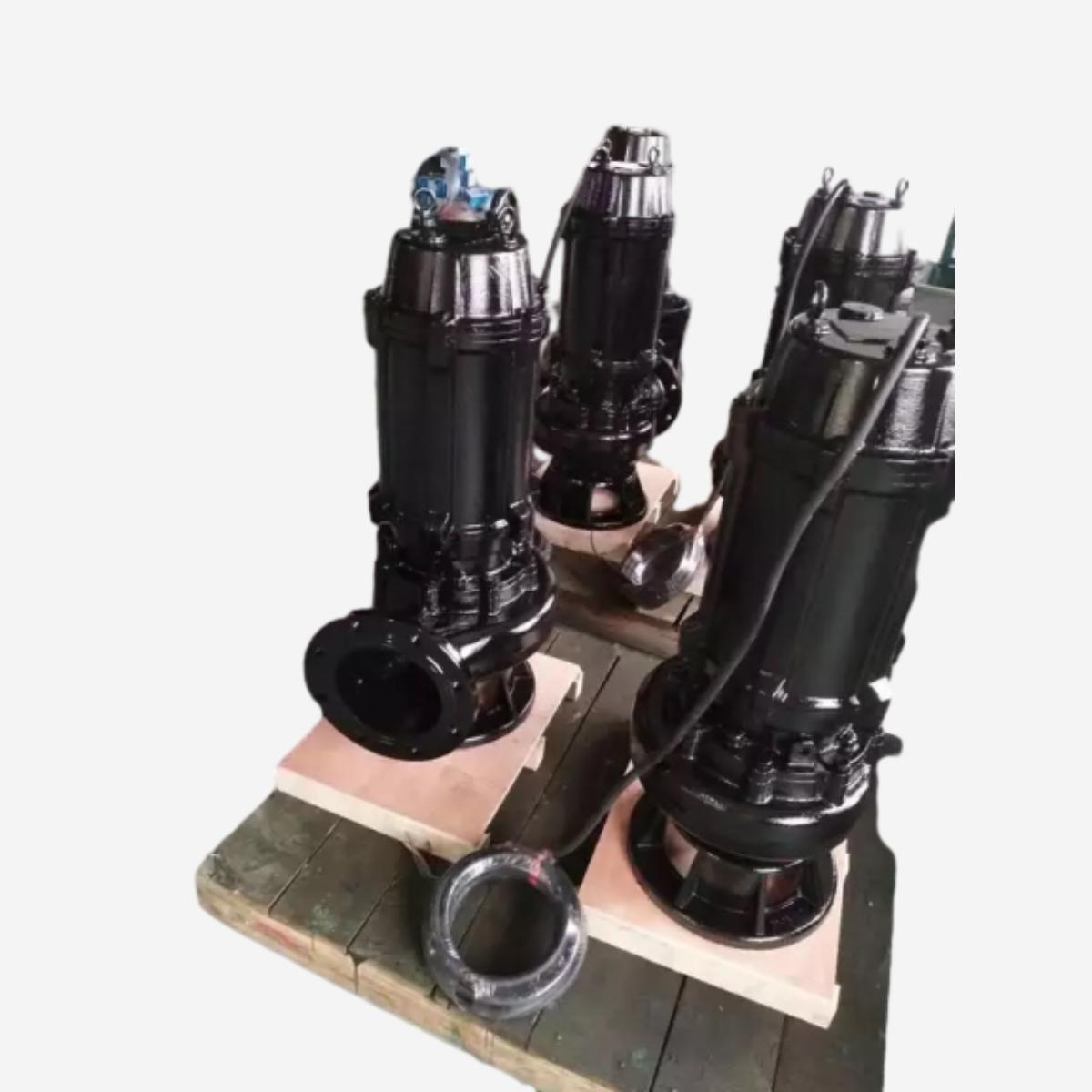
Slurry Pump Parts Manufacturing Specification and Performance Analysis
Slurry pumps are specialized centrifugal machines engineered to transport abrasive fluids—mixtures of liquids and suspended solid particles—across mining, dredging, and chemical processing industries. Within the industrial supply chain, wholesale slurry pump parts, such as impellers, volute liners, and throat bushings, represent the critical wear interface of the system. The technical positioning of these components is defined by their ability to withstand extreme erosive and corrosive environments while maintaining hydraulic efficiency. The core performance of these parts is measured by their volumetric efficiency, mean time between failure (MTBF), and the material's resistance to abrasive wear, which directly dictates the operational expenditure (OPEX) of heavy-duty industrial pumping systems.
Material Science & Manufacturing
The selection of materials for slurry pump parts is governed by the nature of the slurry: its pH value, the hardness of the suspended solids (e.g., quartz or magnetite), and the velocity of the fluid flow. The primary materials utilized are High-Chrome White Cast Irons (ASTM A532), Natural Rubber, and Polyurethanes.
High-Chrome Alloys: These materials typically consist of 20% to 30% Chromium. The manufacturing process involves precision casting followed by controlled heat treatment to form M7C3 carbides within a martensitic matrix. This microstructure provides a high hardness (typically 58-65 HRC), which is essential for resisting the micro-cutting and plowing actions of abrasive particles. Key parameter control during the cooling phase is critical to avoid brittle fracture and internal porosity.
Elastomeric Liners: For slurries with smaller particles and high impact, natural rubber or polyurethane is employed. Manufacturing involves vulcanization processes where the rubber is bonded to a metal shell. The performance of these parts depends on the polymer cross-linking density, which determines the resilience and the ability of the material to "bounce back" after particle impact, thereby reducing material loss compared to rigid metals.
Precision Machining: After casting, critical components undergo CNC grinding and dynamic balancing. For impellers, the balance grade must meet ISO 1940 standards to prevent vibration-induced fatigue in the pump shaft and bearings, ensuring the longevity of the entire pump assembly.
Performance & Engineering
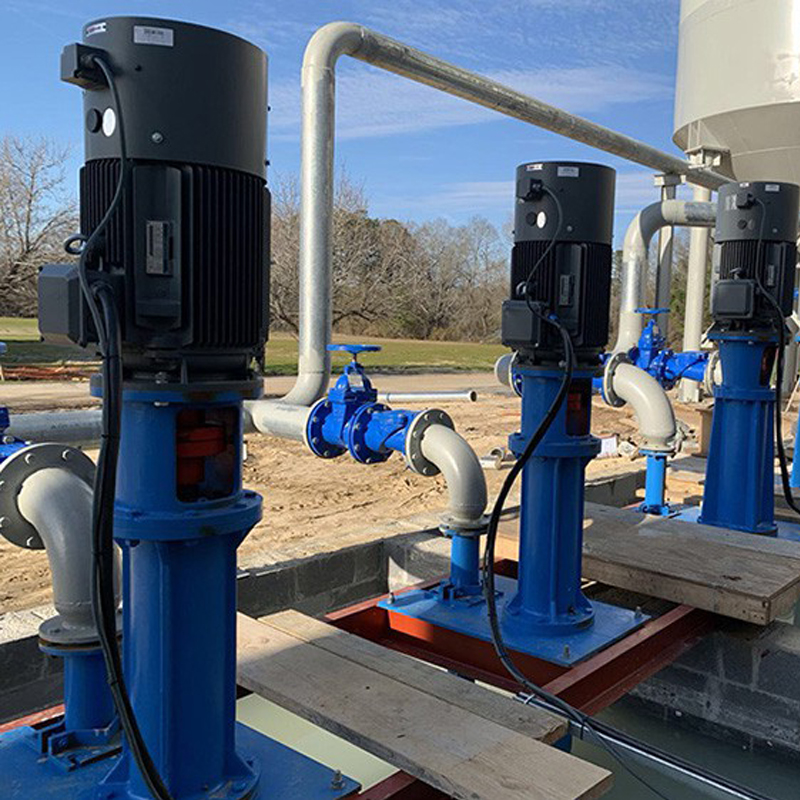
The engineering of slurry pump parts focuses on the management of fluid dynamics to minimize turbulence and localized high-velocity zones, which accelerate wear. Force analysis indicates that the most severe erosion occurs at the impeller vane tips and the volute tongue (cutwater), where the fluid velocity is highest.
Hydraulic Optimization: Advanced Computational Fluid Dynamics (CFD) is used to optimize the vane geometry. By reducing the angle of attack of the abrasive particles, the component's lifespan is extended. The engineering objective is to maintain a laminar flow pattern as much as possible, reducing the kinetic energy of particles impacting the walls.
Environmental Resistance: In acidic or alkaline slurries, chemical compatibility becomes the primary engineering constraint. For high-corrosion environments, duplex stainless steels or specialized nickel alloys are integrated into the part design to prevent pitting and stress corrosion cracking (SCC). The synergy between corrosion and erosion (corrosion-erosion) often accelerates wear faster than either mechanism alone, requiring a dual-layer protection strategy or specialized alloy compositions.
Compliance and Tolerance: Engineering tolerances for wearable parts like throat bushings are kept within microns to prevent "leak-back" of the slurry into the stuffing box or mechanical seal area, which would otherwise lead to catastrophic seal failure.
Technical Specifications
| Material Grade | Hardness (HRC/Shore A) | Abrasion Resistance | Max Operating Temp | Primary Application | Typical Lifespan (hrs) |
|---|---|---|---|---|---|
| High Chrome (Cr27) | 60 - 65 HRC | Extreme | 150°C | Hard Rock Mining | 4,000 - 8,000 |
| Chrome Iron (Cr12) | 55 - 60 HRC | High | 120°C | General Slurry | 3,000 - 6,000 |
| Natural Rubber | 65 - 75 Shore A | Moderate (Impact) | 70°C | Fine Sand/Tailings | 5,000 - 10,000 |
| Polyurethane (PU) | 85 - 95 Shore A | High (Erosion) | 80°C | Dredging/Fine Silt | 6,000 - 12,000 |
| Duplex Steel | 25 - 35 HRC | Moderate | 200°C | Corrosive Brines | 2,000 - 5,000 |
| Ceramic Liners | > 80 HRC (Equiv) | Ultimate | 400°C | Ultra-Abrasive | 15,000+ |
Failure Mode & Maintenance
Failure analysis of slurry pump parts typically reveals four primary degradation modes: abrasive erosion, cavitation, corrosion, and fatigue cracking.
Abrasive Erosion: This is the most common failure, manifesting as "thinning" of the impeller vanes or "gouging" of the volute liner. Failure occurs when the material loss reaches a critical threshold where hydraulic efficiency drops below the operational requirement. Maintenance involves scheduled measurement of wall thickness using ultrasonic testing.
Cavitation: Occurs when the Net Positive Suction Head available (NPSHa) is lower than the required (NPSHr). This leads to the formation and collapse of vapor bubbles, creating micro-jets that "pit" the metal surface. This is often mistaken for corrosion but is a mechanical failure of the surface layer. Correcting the suction piping and reducing pump speed are primary solutions.
Delamination and Degradation: In elastomeric parts, chemical attack or over-heating leads to the breakdown of polymer chains (degradation) or separation from the metal substrate (delamination). This is typically caused by operating the pump "dry" or exceeding the material's temperature limit.
Maintenance Protocol: Professional maintenance requires a proactive "wear-monitoring" schedule. It is recommended to replace the throat bushing and impeller as a matched set to maintain optimal clearances. After installation, a detailed alignment check is mandatory to prevent premature bearing failure and shaft deflection.
Industry FAQ
Q: How do I determine whether to choose high-chrome alloys or rubber liners for my application?
A: The decision depends on particle size and hardness. High-chrome alloys are superior for large, hard particles that would cut through rubber. Rubber liners are more effective for fine, abrasive particles and high-impact slurries where the material's elasticity can absorb the energy of the particle impact.
Q: What is the primary cause of premature impeller failure in wholesale slurry pump parts?
A: The most frequent cause is "operating away from the Best Efficiency Point (BEP)." Operating too far to the left or right of the BEP increases internal turbulence and recirculation, which drastically accelerates erosive wear on the impeller vanes and the volute casing.
Q: Can we use polyurethane liners in high-temperature chemical slurries?
A: Generally, no. Polyurethane typically has a maximum operating temperature of around 80°C. Exceeding this limit leads to thermal degradation, loss of mechanical properties, and rapid failure. For higher temperatures, high-chrome alloys or specialized polymers are required.
Q: How does the "chrome content" affect the lifespan of the pump parts?
A: Higher chrome content (typically 25%+) increases the volume fraction of hard M7C3 carbides. This improves resistance to abrasion. However, excessively high chrome can make the part too brittle, increasing the risk of catastrophic cracking under high-impact loads.
Q: What is the significance of dynamic balancing for wholesale impeller parts?
A: Due to the high rotational speeds and the heavy mass of slurry pump impellers, even a small imbalance can generate massive centrifugal forces. This leads to vibration, which destroys mechanical seals and bearings and causes fatigue cracking in the pump housing.
Conclusion
The selection and maintenance of wholesale slurry pump parts are not merely procurement decisions but critical engineering tasks. The intersection of material science—specifically the balance between hardness and toughness in high-chrome alloys—and hydraulic engineering ensures that these components can withstand the extreme conditions of abrasive transport. By focusing on the reduction of turbulence and the precise matching of material properties to the slurry characteristics, operators can significantly extend the MTBF of their equipment.
Looking forward, the industry is shifting toward "intelligent wear monitoring" and the use of ceramic-metal composites (Cermets) to further push the boundaries of durability. For procurement managers and engineers, the priority must remain on rigorous adherence to technical specifications and the implementation of a disciplined failure analysis protocol to optimize the total cost of ownership in heavy-duty pumping applications.
-
Effluent vs Sump Pump Performance Analysis
News2026-05-22
-
effluent septic pump Performance Engineering
News2026-05-22
-
best sewer pumps Performance Engineering
News2026-05-22
-
best sewer pump Performance Analysis
News2026-05-22
-
best sewage pumps Performance Engineering
News2026-05-22
-
basement bathroom sewage pump Material Science Manufacturing
News2026-05-21
-
wastewater treatment plant pumps Material Science Manufacturing
News2026-05-21
-
waste water pump for basement Material Science Manufacturing
News2026-05-21
-
sump pump sewage Performance Analysis
News2026-05-21
-
sump pump for sewage Material Science and Manufacturing
News2026-05-21
-
sump pump for septic systems Material Science Manufacturing
News2026-05-20
-
sump pump and ejector pump Material Science Manufacturing
News2026-05-20
-
sewage treatment plant pumps Performance Analysis
News2026-05-20
-
sewage tank pump Material Science and Manufacturing
News2026-05-20
-
sewage pump for septic tank Performance Analysis
News2026-05-20




