English
- Afrikaans
- Albanian
- Amharic
- Arabic
- Armenian
- Azerbaijani
- Basque
- Belarusian
- Bengali
- Bosnian
- Bulgarian
- Catalan
- Cebuano
- Corsican
- Croatian
- Czech
- Danish
- Dutch
- English
- Esperanto
- Estonian
- Finnish
- French
- Frisian
- Galician
- Georgian
- German
- Greek
- Gujarati
- Haitian Creole
- hausa
- hawaiian
- Hebrew
- Hindi
- Miao
- Hungarian
- Icelandic
- igbo
- Indonesian
- irish
- Italian
- Japanese
- Javanese
- Kannada
- kazakh
- Khmer
- Rwandese
- Korean
- Kurdish
- Kyrgyz
- Lao
- Latin
- Latvian
- Lithuanian
- Luxembourgish
- Macedonian
- Malgashi
- Malay
- Malayalam
- Maltese
- Maori
- Marathi
- Mongolian
- Myanmar
- Nepali
- Norwegian
- Norwegian
- Occitan
- Pashto
- Persian
- Polish
- Portuguese
- Punjabi
- Romanian
- Russian
- Samoan
- Scottish Gaelic
- Serbian
- Sesotho
- Shona
- Sindhi
- Sinhala
- Slovak
- Slovenian
- Somali
- Spanish
- Sundanese
- Swahili
- Swedish
- Tagalog
- Tajik
- Tamil
- Tatar
- Telugu
- Thai
- Turkish
- Turkmen
- Ukrainian
- Urdu
- Uighur
- Uzbek
- Vietnamese
- Welsh
- Bantu
- Yiddish
- Yoruba
- Zulu

Telephone: +86 13120555503
Email: frank@cypump.com


Apr . 01, 2024 17:55 Back to list
wholesale slurry pump parts impeller Performance Analysis
Introduction
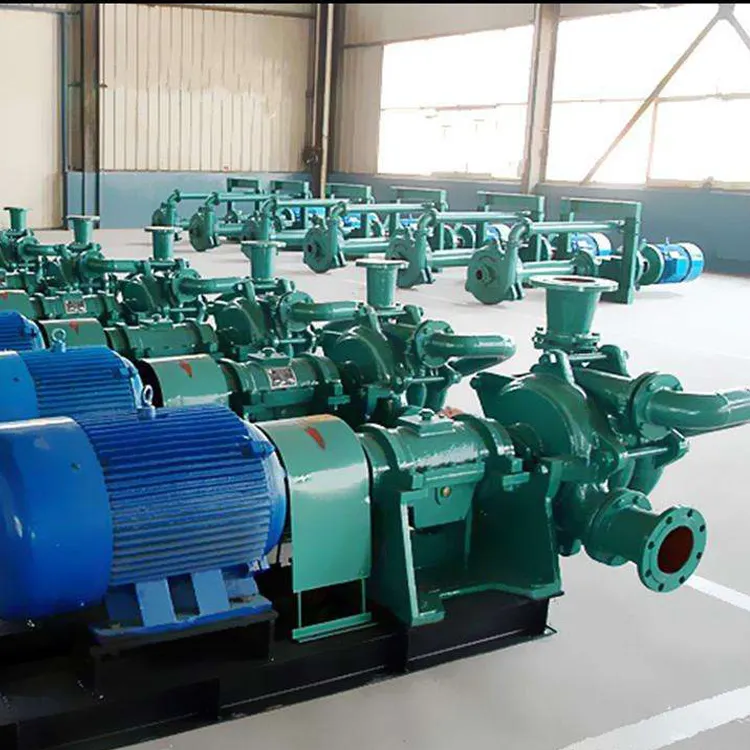
Slurry pump impellers are critical components within the broader solids handling industry, serving as the primary driver of fluid movement in applications ranging from mining and wastewater treatment to chemical processing and dredging. These impellers, often manufactured in bulk as wholesale parts, are specifically designed to withstand the abrasive and corrosive nature of slurries – mixtures of liquids and solid particles. Their performance dictates the efficiency and longevity of the entire pumping system. This guide provides a comprehensive technical overview of slurry pump impeller design, materials, manufacturing, performance, failure modes, and maintenance, targeted towards procurement managers, engineers, and maintenance personnel involved in industrial pumping operations. The increasing demand for robust and reliable slurry handling systems necessitates a deep understanding of impeller characteristics beyond simple material specifications, focusing instead on hydrodynamic efficiency, erosion resistance, and long-term operational cost minimization. The wholesale market for these components is driven by the need for readily available replacements, customized solutions for specific slurry compositions, and competitive pricing, all factors that impact design and material choices.
Material Science & Manufacturing
The selection of materials for slurry pump impellers is paramount, dictated by the slurry’s composition (particle size, concentration, hardness, and chemical properties) and operating conditions (flow rate, pressure, temperature). Common materials include high-chrome cast iron (typically 15-30% chromium), offering excellent abrasion resistance at a moderate cost. For highly abrasive and corrosive slurries, stainless steels (304, 316, duplex stainless steels) are preferred, providing superior corrosion resistance but generally lower abrasion resistance than high-chrome irons. Ceramic materials, such as alumina and silicon carbide, are employed in extremely abrasive applications where metallic materials fail prematurely, however they are often more brittle and require careful handling. Rubber-lined impellers are used to handle highly corrosive slurries with low solids content, offering excellent chemical resistance but limited abrasion resistance. Manufacturing processes vary depending on the material and impeller design. High-chrome iron impellers are typically produced via sand casting, followed by heat treatment to optimize hardness and toughness. Stainless steel impellers can be investment cast for complex geometries and tight tolerances. For rubber-lined impellers, the rubber is bonded to a metal substrate using vulcanization. Key manufacturing parameters include proper alloy composition, controlled cooling rates during casting to minimize residual stresses, and accurate machining to ensure proper impeller balance and hydraulic efficiency. Welding is occasionally used for repairs or to combine different materials, requiring qualified welders and appropriate welding procedures to maintain material integrity and prevent corrosion.
Performance & Engineering
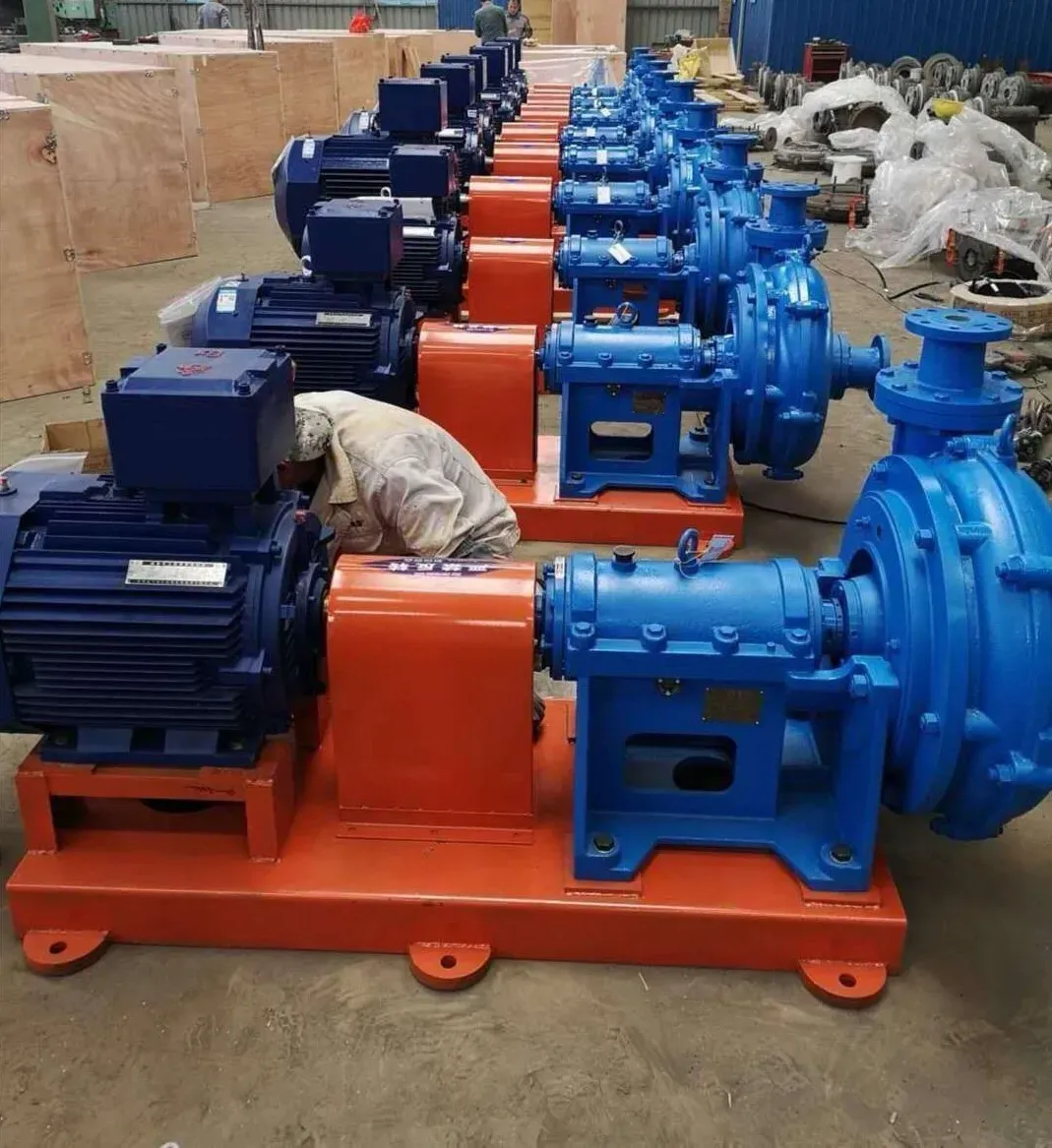
Impeller performance is defined by its ability to efficiently convert mechanical energy into hydraulic energy, generating the required flow rate and head (pressure). This is governed by impeller geometry, including the vane angle, vane number, impeller diameter, and impeller width. Computational Fluid Dynamics (CFD) modeling is extensively used to optimize impeller design, predicting flow patterns, pressure distributions, and cavitation potential. Cavitation, the formation and collapse of vapor bubbles within the impeller, is a major concern as it causes erosion and reduces pump efficiency. Proper Net Positive Suction Head Required (NPSHr) calculation and impeller design are critical to prevent cavitation. Force analysis is crucial to determine stresses within the impeller, ensuring structural integrity under operating conditions. Centrifugal forces, hydraulic loads, and pressure differentials all contribute to stress, and finite element analysis (FEA) is often employed to assess stress distributions and identify potential failure points. Environmental resistance is also vital; impellers must withstand varying temperatures, pressures, and exposure to corrosive media. Compliance with industry standards (discussed in the conclusion) ensures consistent performance and safety. Engineering considerations also include impeller balancing to minimize vibration, proper sealing to prevent leakage, and shaft coupling design to transmit power efficiently.
Technical Specifications
| Material | Maximum Slurry Concentration (%) | Maximum Particle Size (mm) | Operating Temperature (°C) | Maximum Impeller Speed (RPM) | Typical Hardness (BHN) |
|---|---|---|---|---|---|
| High-Chrome Cast Iron (27% Cr) | 60 | 25 | 150 | 3600 | 550-650 |
| 304 Stainless Steel | 40 | 10 | 200 | 3000 | 200-300 |
| 316 Stainless Steel | 50 | 15 | 300 | 2800 | 220-320 |
| Duplex Stainless Steel | 65 | 20 | 250 | 2500 | 300-400 |
| Alumina Ceramic | 70 | 5 | 100 | 3200 | 900-1100 (Vickers) |
| Natural Rubber (lined) | 80 | 8 | 80 | 2400 | 40-60 (Shore A) |
Failure Mode & Maintenance
Slurry pump impellers are susceptible to several failure modes. Erosion, caused by the impact of abrasive particles, is the most common. This manifests as gradual material loss, leading to changes in impeller geometry and reduced performance. Corrosion, especially in acidic or alkaline slurries, can lead to pitting, crevice corrosion, and ultimately, structural weakening. Fatigue cracking can occur due to cyclic stresses from operation and flow pulsations, particularly at the impeller vanes and hub. Improper impeller balancing can induce excessive vibration, accelerating fatigue failure. Cavitation erosion results in localized pitting and material removal, often appearing as a honeycomb pattern. Delamination can occur in rubber-lined impellers due to poor bonding or adhesive failure. Maintenance strategies include regular visual inspections for wear and corrosion, impeller balancing checks, and replacement of worn or damaged impellers. Preventive maintenance, such as flushing the pump casing to remove abrasive buildup and optimizing operating parameters to minimize cavitation, can significantly extend impeller life. Non-destructive testing methods, such as ultrasonic testing and dye penetrant inspection, can detect subsurface cracks and defects. Proper lubrication of bearings and seals is also critical to prevent premature failure. Analysis of failed impellers (failure analysis) is essential to identify the root cause of failure and implement corrective actions.
Industry FAQ
Q: What is the primary difference between a closed impeller and an open impeller in a slurry pump application?
A: Closed impellers generally offer higher efficiency and head due to their enclosed design, which directs flow more effectively. However, they are more susceptible to clogging in slurries with high solids content. Open impellers, with their unobstructed flow paths, are better suited for handling slurries with large particles or high solids concentration, but they typically have lower efficiency and head.
Q: How does the hardness of the slurry affect the selection of impeller material?
A: Higher slurry hardness necessitates materials with greater abrasion resistance. High-chrome cast iron is suitable for moderately abrasive slurries, while ceramic materials are preferred for extremely abrasive applications. The choice also depends on the corrosive nature of the slurry, potentially requiring a trade-off between abrasion and corrosion resistance.
Q: What role does impeller trim play in pump performance and efficiency?
A: Impeller trimming involves reducing the impeller diameter to adjust pump performance to meet specific flow rate and head requirements. While it can fine-tune performance, excessive trimming can significantly reduce efficiency and increase the risk of cavitation. Trimming should be done carefully and in accordance with pump performance curves.
Q: What preventative measures can be taken to mitigate cavitation damage?
A: Maintaining sufficient Net Positive Suction Head Available (NPSHa) above the NPSHr is critical. This involves ensuring adequate suction line size, minimizing suction lift, and avoiding flow restrictions on the suction side of the pump. Impeller design optimized for low NPSHr is also crucial.
Q: How often should slurry pump impellers be inspected for wear?
A: The inspection frequency depends on the severity of the slurry and pump operating conditions. As a general guideline, impellers should be inspected at least annually, and more frequently in highly abrasive or corrosive applications. Regular monitoring of pump performance parameters (flow rate, head, power consumption) can also indicate impeller wear.
Conclusion
The selection and maintenance of slurry pump impellers are critical for ensuring reliable and efficient operation in demanding industrial applications. Understanding the interplay between material science, manufacturing processes, hydrodynamic performance, and potential failure modes is paramount. Choosing the appropriate impeller material and design for a specific slurry composition and operating condition is essential for maximizing impeller life and minimizing downtime. Regular inspection, preventive maintenance, and failure analysis are key components of a comprehensive impeller management program.
As slurry handling technology evolves, advancements in materials, impeller designs (e.g., vortex impellers), and monitoring techniques will continue to improve performance and reduce operational costs. Future trends may include the increased use of advanced ceramics, optimized impeller geometries based on CFD modeling, and predictive maintenance strategies leveraging sensor data and machine learning algorithms. Proper consideration of these factors will be crucial for maintaining a competitive edge in the slurry pump market.
-
Precision at the Pump: How Better Machining Protects Flow and Uptime
News2026-11-20
-
Why Pump Reliability Begins Before the First Drop of Fluid
News2026-11-20
-
Beyond the Pump: Designing Safer Access Around Critical Water Infrastructure
News2026-11-20
-
Why Pumping Stations Depend on the Infrastructure Beneath the Pumps
News2026-11-20
-
Beyond the Pump Room: How Smarter Loading Protects Industrial Equipment
News2026-11-19
-
When Pumps Stop: Designing More Resilient Power for Critical Pumping Systems
News2026-11-19
-
The Hidden Role of Dust and Gas Monitoring in Reliable Pump Operations
News2026-11-19
-
The Hidden Role of Mineral Compounds in Extending Industrial Pump Lifespan
News2026-10-12
-
Why Pump System Reliability Depends on Precision Hose Assembly Methods
News2026-09-15
-
How Advanced Imaging Films Are Transforming Pump Component Quality Control
News2026-08-25
-
How Advanced Filtration Protects Pump Systems from Premature Wear and Costly Downtime
News2026-08-25
-
How Steel Material Selection Drives Pump Reliability in Heavy-Duty Systems
News2026-08-25
-
Ensuring Pump System Efficiency: The Role of High-Quality Pipe Fittings and Tubing
News2026-08-24
-
Optimizing Fluid Dynamics and Material Consistency in Industrial Processing
News2026-08-18
-
Innovations and Challenges in Hydraulic Systems for Heavy Machinery
News2026-08-13




