English
- Afrikaans
- Albanian
- Amharic
- Arabic
- Armenian
- Azerbaijani
- Basque
- Belarusian
- Bengali
- Bosnian
- Bulgarian
- Catalan
- Cebuano
- Corsican
- Croatian
- Czech
- Danish
- Dutch
- English
- Esperanto
- Estonian
- Finnish
- French
- Frisian
- Galician
- Georgian
- German
- Greek
- Gujarati
- Haitian Creole
- hausa
- hawaiian
- Hebrew
- Hindi
- Miao
- Hungarian
- Icelandic
- igbo
- Indonesian
- irish
- Italian
- Japanese
- Javanese
- Kannada
- kazakh
- Khmer
- Rwandese
- Korean
- Kurdish
- Kyrgyz
- Lao
- Latin
- Latvian
- Lithuanian
- Luxembourgish
- Macedonian
- Malgashi
- Malay
- Malayalam
- Maltese
- Maori
- Marathi
- Mongolian
- Myanmar
- Nepali
- Norwegian
- Norwegian
- Occitan
- Pashto
- Persian
- Polish
- Portuguese
- Punjabi
- Romanian
- Russian
- Samoan
- Scottish Gaelic
- Serbian
- Sesotho
- Shona
- Sindhi
- Sinhala
- Slovak
- Slovenian
- Somali
- Spanish
- Sundanese
- Swahili
- Swedish
- Tagalog
- Tajik
- Tamil
- Tatar
- Telugu
- Thai
- Turkish
- Turkmen
- Ukrainian
- Urdu
- Uighur
- Uzbek
- Vietnamese
- Welsh
- Bantu
- Yiddish
- Yoruba
- Zulu

Telephone: +86 13120555503
Email: frank@cypump.com


Apr . 01, 2024 17:55 Back to list
wholesale slurry pump cover Performance Analysis
Introduction
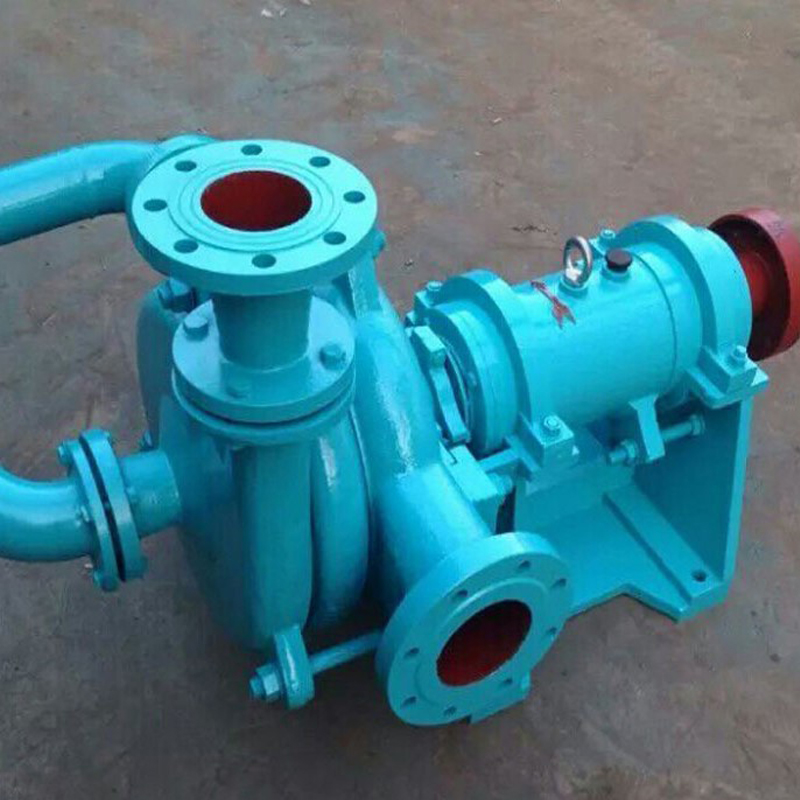
Wholesale slurry pump covers represent a critical component in the safe and efficient operation of centrifugal pumps handling abrasive and corrosive fluids. Positioned within the mining, wastewater treatment, chemical processing, and oil & gas industries, these covers are designed to protect the pump's internal components, particularly the impeller and volute, from wear, erosion, and chemical attack. The performance of a slurry pump cover directly impacts pump lifespan, maintenance intervals, and overall system reliability. Core performance characteristics center on material compatibility with the pumped slurry, structural integrity under pressure and impact, and ease of inspection and replacement. Industry pain points include premature failure due to improper material selection, inadequate sealing leading to leakage and downtime, and challenges in maintaining cover integrity within increasingly abrasive slurry compositions. This guide provides an in-depth technical analysis of slurry pump cover design, manufacturing, performance, failure modes, and maintenance best practices.
Material Science & Manufacturing
Slurry pump covers are typically manufactured from high-chromium cast irons (e.g., ASTM A532 Grade 1 Class 30), various grades of stainless steel (304, 316, duplex stainless steels), and increasingly, specialized polymer composites. High-chromium cast irons offer excellent abrasion resistance due to the formation of hard chromium carbides within the microstructure. Stainless steels provide superior corrosion resistance, particularly against acidic and oxidizing slurries. Polymer composites, often reinforced with fiberglass or carbon fiber, offer lightweight construction and good resistance to specific chemical environments, but generally have lower abrasion resistance than metallic options. Manufacturing processes commonly employed include sand casting, investment casting, and centrifugal casting for metallic covers. Polymer covers are primarily produced via resin transfer molding (RTM) or filament winding. Parameter control during casting is critical, focusing on cooling rates to minimize residual stresses and optimize carbide distribution in cast irons. For polymer composites, precise resin-to-reinforcement ratios and curing cycles are essential to achieve desired mechanical properties. Weld overlay techniques, using materials like tungsten carbide, are frequently applied to critical wear areas to extend cover lifespan. Chemical compatibility assessments, based on slurry composition and operating temperature, are paramount in material selection to prevent galvanic corrosion or material degradation.
Performance & Engineering
The primary performance requirement of a slurry pump cover is to withstand the hydrostatic pressure of the pumped fluid, as well as the dynamic forces generated by the impeller. Finite Element Analysis (FEA) is extensively used to model stress distribution within the cover under various operating conditions, including steady-state flow and transient events like pump start-up and shut-down. Cavitation, a common phenomenon in slurry pumps, can induce significant erosion damage to the cover. Design features like optimized impeller-volute clearances and anti-cavitation plates minimize this risk. Environmental resistance is also critical. Covers operating in outdoor environments must be designed to withstand temperature fluctuations, UV radiation, and potential freeze-thaw cycles. Compliance requirements vary by industry and region. For example, covers used in the food processing industry must meet FDA standards for material safety. Covers handling hazardous materials must comply with relevant pressure vessel codes (e.g., ASME Section VIII Division 1). Leakage prevention is achieved through the use of gaskets (e.g., rubber, PTFE) and clamping mechanisms. The selection of gasket material must consider chemical compatibility and operating temperature. Regular inspection for signs of wear or corrosion is essential to prevent catastrophic failure. Pressure testing, performed according to industry standards, validates the cover's structural integrity.
Technical Specifications
| Material Grade | Tensile Strength (MPa) | Hardness (Brinell) | Corrosion Resistance (ASTM B117 Salt Spray Hours) |
|---|---|---|---|
| High-Chromium Cast Iron (A532 Gr. 1 Cl. 30) | 400-600 | 550-650 | 72-168 |
| Stainless Steel 304 | 517-724 | 200-285 | >1000 |
| Stainless Steel 316 | 586-862 | 200-293 | >2000 |
| Duplex Stainless Steel | 700-900 | 280-350 | >3000 |
| Fiberglass Reinforced Polymer | 100-200 | 40-60 | >500 (depending on resin) |
| Carbon Fiber Reinforced Polymer | 200-400 | 60-80 | >800 (depending on resin) |
Failure Mode & Maintenance
Common failure modes for slurry pump covers include abrasion, erosion, corrosion, fatigue cracking, and impact damage. Abrasion occurs due to the constant impingement of solid particles within the slurry, leading to material loss. Erosion is accelerated by high-velocity flow and the presence of sharp-edged particles. Corrosion results from chemical reactions between the cover material and the slurry components. Fatigue cracking can occur due to cyclic stress variations, particularly during pump start-up and shut-down. Impact damage is often caused by large or heavy particles within the slurry. Preventive maintenance is crucial. Regular visual inspections should be conducted to identify signs of wear, corrosion, or cracking. Non-destructive testing (NDT) methods, such as ultrasonic testing or liquid penetrant inspection, can detect subsurface defects. Gasket replacement should be performed at scheduled intervals to prevent leakage. Covers exhibiting significant wear should be replaced or refurbished. Refurbishment options include weld overlay, hardfacing, or the application of abrasion-resistant coatings. Proper lubrication of cover bolts and clamping mechanisms prevents corrosion and ensures proper sealing. Maintaining accurate records of maintenance activities and failure analysis data allows for optimized cover selection and preventative maintenance scheduling. Periodic hydrostatic testing should be performed to verify the structural integrity of the cover.
Industry FAQ
Q: What is the optimal material selection for a slurry pump cover handling a highly abrasive silica slurry?
A: For highly abrasive silica slurries, a high-chromium cast iron (ASTM A532 Grade 1 Class 30) is generally the preferred material due to its excellent abrasion resistance. However, if corrosion is also a concern, a duplex stainless steel or a high-chromium cast iron with a weld overlay of tungsten carbide may be more suitable. The specific silica concentration, particle size distribution, and slurry pH should be considered during material selection.
Q: How do I determine the appropriate gasket material for a slurry pump cover?
A: Gasket material selection must be based on chemical compatibility with the slurry, operating temperature, and pressure. PTFE gaskets offer broad chemical resistance but may exhibit lower mechanical strength. Rubber gaskets (e.g., EPDM, Viton) are suitable for many applications, but their compatibility with specific chemicals must be verified. Consult a gasket manufacturer’s chemical resistance chart to ensure proper material selection.
Q: What are the key considerations for preventing cavitation damage to a slurry pump cover?
A: Minimizing impeller-volute clearances, ensuring adequate Net Positive Suction Head Available (NPSHA), and using an anti-cavitation plate are essential for preventing cavitation. Proper pump sizing and operating the pump within its recommended flow range also contribute to cavitation prevention. Regular monitoring of pump performance parameters can detect early signs of cavitation.
Q: What are the advantages and disadvantages of using polymer composite covers compared to metallic covers?
A: Polymer composite covers offer advantages such as lightweight construction, good corrosion resistance to specific chemicals, and lower cost in some cases. However, they generally have lower abrasion resistance and mechanical strength compared to metallic covers. They are best suited for applications involving low-abrasive slurries and moderate operating pressures.
Q: How often should a slurry pump cover be inspected for wear and corrosion?
A: The inspection frequency depends on the severity of the service conditions. As a general guideline, covers should be visually inspected monthly and undergo a more detailed inspection, including NDT, every six months. Covers operating in highly abrasive or corrosive environments may require more frequent inspections.
Conclusion
The selection, implementation, and maintenance of wholesale slurry pump covers are critical for ensuring the reliability and longevity of slurry pumping systems. A thorough understanding of material science, manufacturing processes, performance engineering, and potential failure modes is essential for optimizing cover performance and minimizing downtime. Careful consideration of slurry composition, operating conditions, and relevant industry standards is paramount in making informed decisions.
Future advancements in slurry pump cover technology will likely focus on the development of novel materials with enhanced abrasion and corrosion resistance, as well as the integration of smart sensors for real-time monitoring of cover condition. Predictive maintenance strategies, based on sensor data and advanced analytics, will further improve operational efficiency and reduce maintenance costs. Continuous refinement of cover designs and manufacturing processes will contribute to increased pump system reliability and overall cost savings.
-
Precision at the Pump: How Better Machining Protects Flow and Uptime
News2026-11-20
-
Why Pump Reliability Begins Before the First Drop of Fluid
News2026-11-20
-
Beyond the Pump: Designing Safer Access Around Critical Water Infrastructure
News2026-11-20
-
Why Pumping Stations Depend on the Infrastructure Beneath the Pumps
News2026-11-20
-
Beyond the Pump Room: How Smarter Loading Protects Industrial Equipment
News2026-11-19
-
When Pumps Stop: Designing More Resilient Power for Critical Pumping Systems
News2026-11-19
-
The Hidden Role of Dust and Gas Monitoring in Reliable Pump Operations
News2026-11-19
-
The Hidden Role of Mineral Compounds in Extending Industrial Pump Lifespan
News2026-10-12
-
Why Pump System Reliability Depends on Precision Hose Assembly Methods
News2026-09-15
-
How Advanced Imaging Films Are Transforming Pump Component Quality Control
News2026-08-25
-
How Advanced Filtration Protects Pump Systems from Premature Wear and Costly Downtime
News2026-08-25
-
How Steel Material Selection Drives Pump Reliability in Heavy-Duty Systems
News2026-08-25
-
Ensuring Pump System Efficiency: The Role of High-Quality Pipe Fittings and Tubing
News2026-08-24
-
Optimizing Fluid Dynamics and Material Consistency in Industrial Processing
News2026-08-18
-
Innovations and Challenges in Hydraulic Systems for Heavy Machinery
News2026-08-13




