English
- Afrikaans
- Albanian
- Amharic
- Arabic
- Armenian
- Azerbaijani
- Basque
- Belarusian
- Bengali
- Bosnian
- Bulgarian
- Catalan
- Cebuano
- Corsican
- Croatian
- Czech
- Danish
- Dutch
- English
- Esperanto
- Estonian
- Finnish
- French
- Frisian
- Galician
- Georgian
- German
- Greek
- Gujarati
- Haitian Creole
- hausa
- hawaiian
- Hebrew
- Hindi
- Miao
- Hungarian
- Icelandic
- igbo
- Indonesian
- irish
- Italian
- Japanese
- Javanese
- Kannada
- kazakh
- Khmer
- Rwandese
- Korean
- Kurdish
- Kyrgyz
- Lao
- Latin
- Latvian
- Lithuanian
- Luxembourgish
- Macedonian
- Malgashi
- Malay
- Malayalam
- Maltese
- Maori
- Marathi
- Mongolian
- Myanmar
- Nepali
- Norwegian
- Norwegian
- Occitan
- Pashto
- Persian
- Polish
- Portuguese
- Punjabi
- Romanian
- Russian
- Samoan
- Scottish Gaelic
- Serbian
- Sesotho
- Shona
- Sindhi
- Sinhala
- Slovak
- Slovenian
- Somali
- Spanish
- Sundanese
- Swahili
- Swedish
- Tagalog
- Tajik
- Tamil
- Tatar
- Telugu
- Thai
- Turkish
- Turkmen
- Ukrainian
- Urdu
- Uighur
- Uzbek
- Vietnamese
- Welsh
- Bantu
- Yiddish
- Yoruba
- Zulu

Telephone: +86 13120555503
Email: frank@cypump.com


Apr . 01, 2024 17:55 Back to list
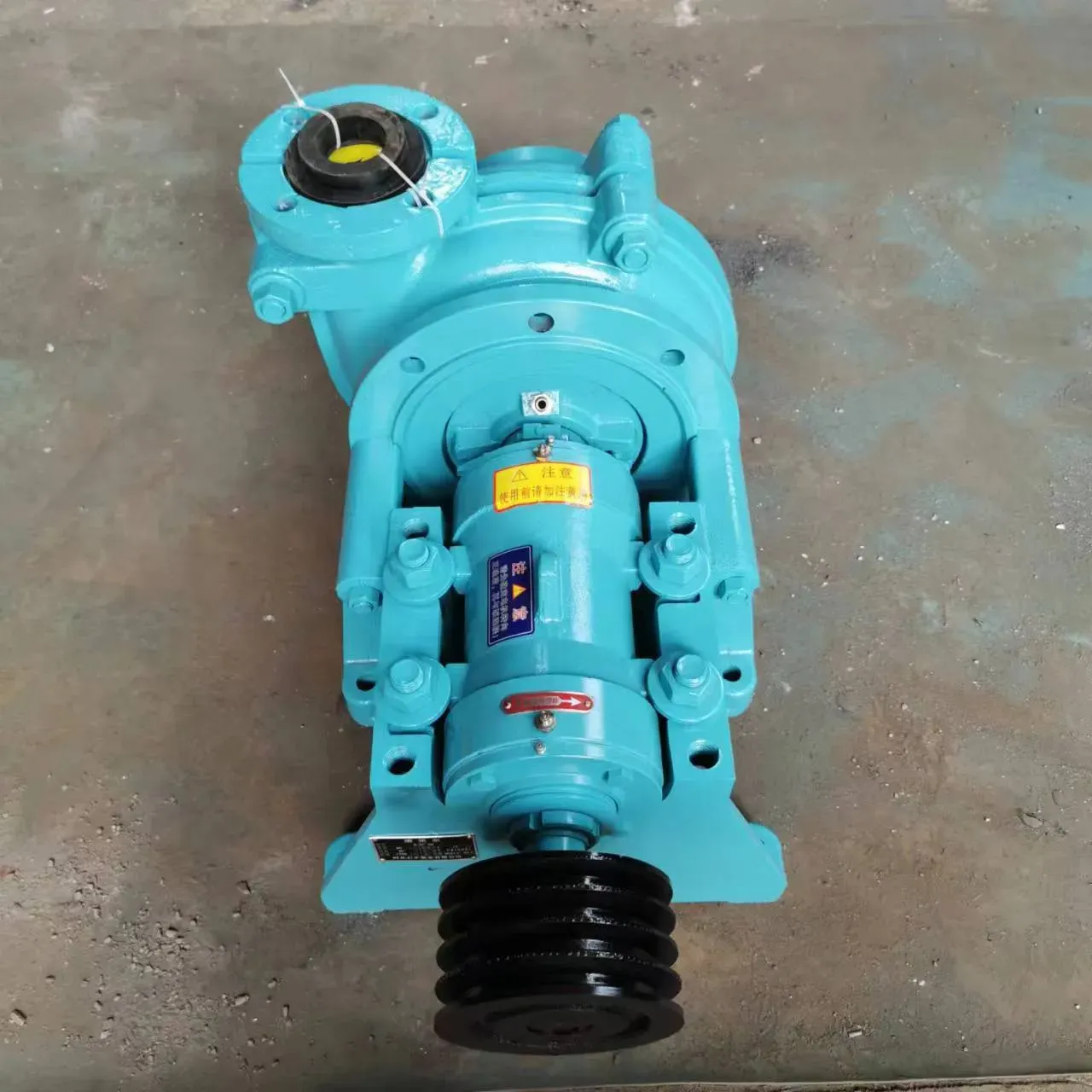
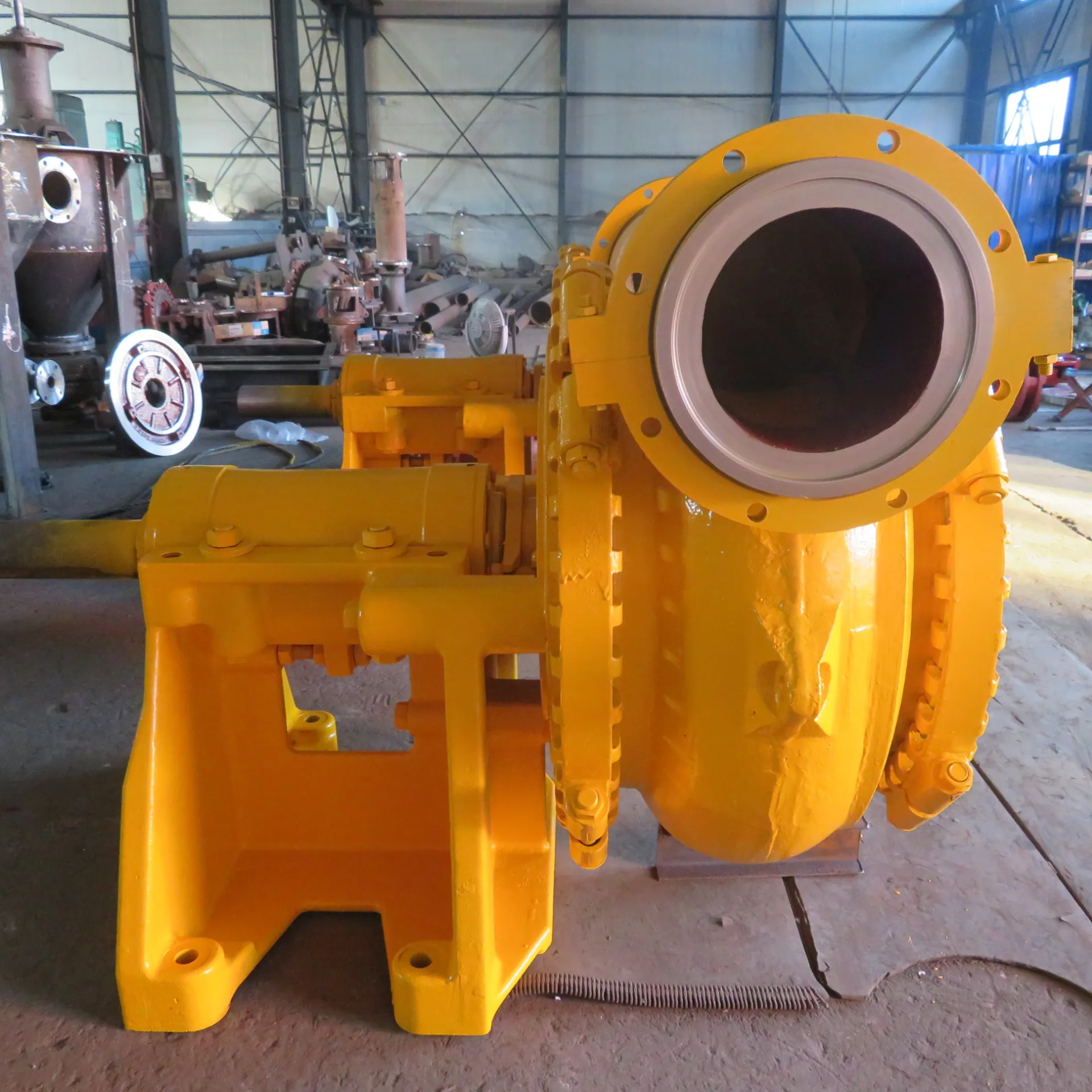
wholesale short delivery slurry pump Performance Analysis
Introduction
Wholesale short delivery slurry pumps represent a critical component in numerous industrial processes involving the transportation of abrasive or dense fluids. These pumps are engineered for applications where efficient solid-liquid handling is paramount, commonly found in mining, wastewater treatment, dredging, and chemical processing. Unlike conventional centrifugal pumps, slurry pumps incorporate design features specifically addressing wear and erosion caused by suspended solids. The "short delivery" configuration signifies a reduced distance between the pump impeller and the discharge nozzle, influencing pump performance characteristics like head and efficiency, particularly when handling highly concentrated slurries. This guide details the material science, manufacturing processes, performance parameters, failure modes, and maintenance procedures associated with wholesale short delivery slurry pumps, providing a comprehensive technical overview for engineers, procurement managers, and maintenance personnel.
Material Science & Manufacturing
The robust performance of slurry pumps heavily relies on the selection of materials resistant to abrasion, corrosion, and erosion. Common materials include high-chromium cast irons (typically 13-28% Cr) offering excellent abrasion resistance for handling sand and gravel; specialized alloys like duplex stainless steels (e.g., UNS S31803, S32205) provide enhanced corrosion resistance in aggressive chemical environments; and rubber liners (natural rubber, synthetic rubber) used for casings and impellers to dampen impact and protect metallic components. Manufacturing typically begins with sand casting for the pump casing, often followed by heat treatment to achieve desired hardness. Impellers are frequently produced using investment casting for complex geometries and tight tolerances. Welding processes, predominantly shielded metal arc welding (SMAW) or gas tungsten arc welding (GTAW) with appropriate filler metals, are critical for joining components. Key parameter control during manufacturing includes maintaining consistent chromium carbide distribution within the cast iron, achieving proper weld penetration and minimizing heat-affected zones, and ensuring dimensional accuracy of impeller vanes to optimize hydraulic performance. Rubber lining is applied through vulcanization, a process requiring precise temperature and pressure control to ensure strong adhesion and prevent delamination. The selection of elastomers must account for the slurry’s chemical composition to prevent swelling or degradation.
Performance & Engineering
Slurry pump performance is governed by hydraulic principles and material characteristics. Force analysis focuses on stresses induced by impeller rotation, fluid pressure, and particle impact. Cavitation, a major concern, arises when pressure drops below the vapor pressure of the slurry, forming bubbles that collapse and erode pump components. Short delivery designs, while potentially reducing overall head, minimize recirculation losses when handling highly viscous or solid-laden fluids. Environmental resistance considerations include temperature extremes, exposure to corrosive chemicals, and abrasive particle size distribution. Compliance requirements often involve adherence to API 610 standards for centrifugal pumps, with specific sections addressing slurry handling. Functional implementation demands careful consideration of Net Positive Suction Head Required (NPSHr) to prevent cavitation and proper selection of shaft seals (mechanical seals, packing) to minimize leakage and contamination. Pump curves, illustrating head-capacity relationships, are vital for system design. A critical engineering aspect is the pump’s ability to handle varying slurry densities and solid concentrations without significant performance degradation or increased wear. Bearing selection is also crucial, typically utilizing heavy-duty roller bearings or hydrodynamic bearings to withstand radial and axial loads. Fatigue analysis is employed to predict pump lifespan under cyclic loading conditions.
Technical Specifications
| Parameter | Unit | Typical Value (Range) | Industry Standard/Tolerance |
|---|---|---|---|
| Flow Rate | m³/h | 50-500 | ISO 9906:2012 Class 2 |
| Total Head | m | 10-80 | API 610 (±5% tolerance) |
| Solids Handling Size | mm | Up to 75 | Dependent on impeller design |
| Slurry Concentration (Weight %) | % | Up to 60 | Varies with pump type |
| Pump Speed | RPM | 500-1500 | Dependent on motor and application |
| Casing Material | - | High-Chromium Cast Iron, Duplex Stainless Steel | ASTM A532 (for cast irons), ASTM A992 (for steels) |
Failure Mode & Maintenance
Slurry pump failures commonly stem from abrasive wear, corrosion, erosion, cavitation, and mechanical fatigue. Abrasive wear, particularly on impellers and casing liners, reduces pump efficiency and can lead to complete component failure. Corrosion, especially in acidic or saline environments, weakens metallic components. Erosion, caused by high-velocity particles, attacks surfaces and alters pump geometry. Cavitation generates implosions that pit and erode metallic surfaces. Fatigue cracking can occur in shafts, impellers, and casings due to cyclic loading. Regular maintenance is critical. This includes routine visual inspections for wear, leakage, and corrosion; vibration analysis to detect bearing problems or impeller imbalance; performance monitoring to track changes in head, flow rate, and power consumption; and scheduled replacement of wear parts (liners, impellers, seals). Preventive measures include proper slurry preparation (screening, desanding), optimizing pump speed to minimize erosion, selecting appropriate materials for the slurry’s composition, and implementing a robust lubrication program for bearings. Failure analysis, including metallurgical examination of failed components, is crucial for identifying root causes and preventing recurrence. Non-destructive testing (NDT) methods, such as ultrasonic testing and radiography, can identify cracks or defects before catastrophic failure occurs.
Industry FAQ
Q: What is the primary difference between a short delivery and a standard centrifugal slurry pump, and when would I choose a short delivery design?
A: The primary difference lies in the distance between the impeller discharge and the pump casing outlet. Short delivery pumps have a shorter distance, which minimizes recirculation losses when handling highly concentrated or viscous slurries. This results in improved hydraulic efficiency and reduced wear. Choose a short delivery design when dealing with slurries containing high solids content, high viscosity, or when energy efficiency is paramount for viscous fluid transport.
Q: How do I determine the appropriate material for a slurry pump given a specific slurry composition?
A: Material selection requires a detailed analysis of the slurry’s abrasive particle size, concentration, chemical composition (pH, corrosive agents), and operating temperature. High-chromium cast irons are generally suitable for abrasive slurries with neutral pH. Duplex stainless steels are preferred for corrosive environments. Rubber linings are effective for both abrasive and corrosive slurries, but their chemical compatibility must be verified. Consult material compatibility charts and, ideally, perform laboratory testing with representative slurry samples.
Q: What are the typical causes of cavitation in slurry pumps, and how can it be prevented?
A: Cavitation is typically caused by insufficient Net Positive Suction Head Available (NPSHa) relative to the pump’s NPSHr. This can occur due to high suction lift, low suction pressure, or excessive slurry viscosity. Prevention strategies include increasing suction pressure, reducing suction lift, lowering slurry viscosity (e.g., by heating or dilution), and selecting a pump with a lower NPSHr. Proper impeller design also contributes to cavitation resistance.
Q: What is the recommended maintenance schedule for a wholesale short delivery slurry pump operating continuously in a demanding application?
A: A continuous operation demands a rigorous schedule. Daily visual inspections for leaks and unusual noises are vital. Weekly vibration analysis and temperature checks of bearings should be conducted. Monthly inspections of wear liners and impeller condition are necessary. Scheduled replacement of wear parts (liners, seals, packing) should be based on operating hours and wear rate, typically every 6-12 months. Annual overhauls involving complete pump disassembly, inspection, and repair are recommended.
Q: How does the impeller design influence the pump’s ability to handle solids and its overall efficiency?
A: Impeller design is crucial. Open impellers are better suited for handling large solids, while closed impellers offer higher efficiency for cleaner fluids. The impeller vane angle, width, and number directly affect flow rate, head, and solids handling capacity. Impellers with larger flow passages and wear-resistant coatings improve solids handling and reduce wear. Back vanes reduce axial thrust and improve hydraulic balance.
Conclusion
Wholesale short delivery slurry pumps are specialized equipment demanding careful consideration of material science, engineering principles, and operational parameters. Their ability to efficiently and reliably handle abrasive and dense fluids is critical to many industrial processes. Selecting the appropriate pump configuration, materials, and maintenance practices directly impacts operational costs, equipment lifespan, and process efficiency. Understanding the failure modes and implementing preventative maintenance strategies are essential for maximizing pump uptime and minimizing downtime.
Future developments in slurry pump technology are likely to focus on advanced materials with enhanced wear resistance, improved impeller designs for increased efficiency, and the integration of smart sensors for predictive maintenance. These innovations will contribute to greater reliability, lower operating costs, and improved sustainability in slurry handling applications. Continued adherence to industry standards and best practices remains paramount for ensuring safe and efficient operation.
-
Precision at the Pump: How Better Machining Protects Flow and Uptime
News2026-11-20
-
Why Pump Reliability Begins Before the First Drop of Fluid
News2026-11-20
-
Beyond the Pump: Designing Safer Access Around Critical Water Infrastructure
News2026-11-20
-
Why Pumping Stations Depend on the Infrastructure Beneath the Pumps
News2026-11-20
-
Beyond the Pump Room: How Smarter Loading Protects Industrial Equipment
News2026-11-19
-
When Pumps Stop: Designing More Resilient Power for Critical Pumping Systems
News2026-11-19
-
The Hidden Role of Dust and Gas Monitoring in Reliable Pump Operations
News2026-11-19
-
The Hidden Role of Mineral Compounds in Extending Industrial Pump Lifespan
News2026-10-12
-
Why Pump System Reliability Depends on Precision Hose Assembly Methods
News2026-09-15
-
How Advanced Imaging Films Are Transforming Pump Component Quality Control
News2026-08-25
-
How Advanced Filtration Protects Pump Systems from Premature Wear and Costly Downtime
News2026-08-25
-
How Steel Material Selection Drives Pump Reliability in Heavy-Duty Systems
News2026-08-25
-
Ensuring Pump System Efficiency: The Role of High-Quality Pipe Fittings and Tubing
News2026-08-24
-
Optimizing Fluid Dynamics and Material Consistency in Industrial Processing
News2026-08-18
-
Innovations and Challenges in Hydraulic Systems for Heavy Machinery
News2026-08-13




