English
- Afrikaans
- Albanian
- Amharic
- Arabic
- Armenian
- Azerbaijani
- Basque
- Belarusian
- Bengali
- Bosnian
- Bulgarian
- Catalan
- Cebuano
- Corsican
- Croatian
- Czech
- Danish
- Dutch
- English
- Esperanto
- Estonian
- Finnish
- French
- Frisian
- Galician
- Georgian
- German
- Greek
- Gujarati
- Haitian Creole
- hausa
- hawaiian
- Hebrew
- Hindi
- Miao
- Hungarian
- Icelandic
- igbo
- Indonesian
- irish
- Italian
- Japanese
- Javanese
- Kannada
- kazakh
- Khmer
- Rwandese
- Korean
- Kurdish
- Kyrgyz
- Lao
- Latin
- Latvian
- Lithuanian
- Luxembourgish
- Macedonian
- Malgashi
- Malay
- Malayalam
- Maltese
- Maori
- Marathi
- Mongolian
- Myanmar
- Nepali
- Norwegian
- Norwegian
- Occitan
- Pashto
- Persian
- Polish
- Portuguese
- Punjabi
- Romanian
- Russian
- Samoan
- Scottish Gaelic
- Serbian
- Sesotho
- Shona
- Sindhi
- Sinhala
- Slovak
- Slovenian
- Somali
- Spanish
- Sundanese
- Swahili
- Swedish
- Tagalog
- Tajik
- Tamil
- Tatar
- Telugu
- Thai
- Turkish
- Turkmen
- Ukrainian
- Urdu
- Uighur
- Uzbek
- Vietnamese
- Welsh
- Bantu
- Yiddish
- Yoruba
- Zulu

Telephone: +86 13120555503
Email: frank@cypump.com


Apr . 01, 2024 17:55 Back to list
wholesale self priming sewage pump Performance and Engineering
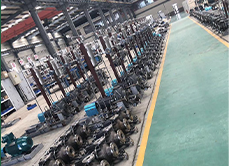
Introduction
Wholesale self-priming sewage pumps are centrifugal pumps specifically engineered for the efficient transfer of wastewater, sewage, and solids-laden fluids. Occupying a critical position in municipal and industrial wastewater treatment systems, construction dewatering, and flood control, these pumps distinguish themselves from standard centrifugal pumps through integrated self-priming capabilities. This functionality, achieved through innovative impeller and casing designs, eliminates the need for initial manual priming, significantly reducing downtime and simplifying operation. Core performance characteristics revolve around flow rate (typically measured in gallons per minute or cubic meters per hour), head (the maximum height the pump can lift the fluid, expressed in feet or meters), solids handling capacity (the maximum size and concentration of solids the pump can process without clogging), and pump efficiency (the ratio of hydraulic power output to electrical power input). The demand for robust and reliable sewage pumps is driven by increasingly stringent environmental regulations, aging infrastructure requiring replacement, and expanding urbanization leading to increased wastewater volumes. The prevalent pain point in this sector is balancing efficient solids handling with maintaining high hydraulic performance and long-term durability in abrasive and corrosive environments.
Material Science & Manufacturing
The construction of a wholesale self-priming sewage pump necessitates careful material selection to withstand the harsh operating conditions inherent in wastewater applications. Pump casings are commonly manufactured from gray iron (ASTM A48 Class 30), ductile iron (ASTM A536 65-45-12), or stainless steel (304/316 – ASTM A743). Gray iron offers cost-effectiveness and good vibration damping characteristics but is susceptible to corrosion. Ductile iron provides enhanced strength and impact resistance. Stainless steel, while the most expensive, delivers superior corrosion resistance, crucial for handling aggressive fluids. Impellers, responsible for imparting kinetic energy to the fluid, are often constructed from high-chrome iron alloys (e.g., Hi-Chrome) known for their exceptional abrasion resistance. Shafts typically utilize 4140 alloy steel (ASTM A488) for high tensile strength and fatigue resistance. Seals are a critical component, frequently employing silicon carbide (SiC) faces against hardened steel for reliable sealing in abrasive environments. Manufacturing processes include sand casting for casing and impeller production, precision machining for shaft and impeller balancing, and automated welding for structural integrity. Parameter control during manufacturing is paramount; impeller balancing minimizes vibration, casing dimensional accuracy ensures proper sealing, and weld quality is rigorously inspected via non-destructive testing (NDT) methods like radiographic inspection and ultrasonic testing. Surface coatings, such as epoxy or ceramic linings, are often applied to the casing and impeller to enhance corrosion and abrasion resistance.
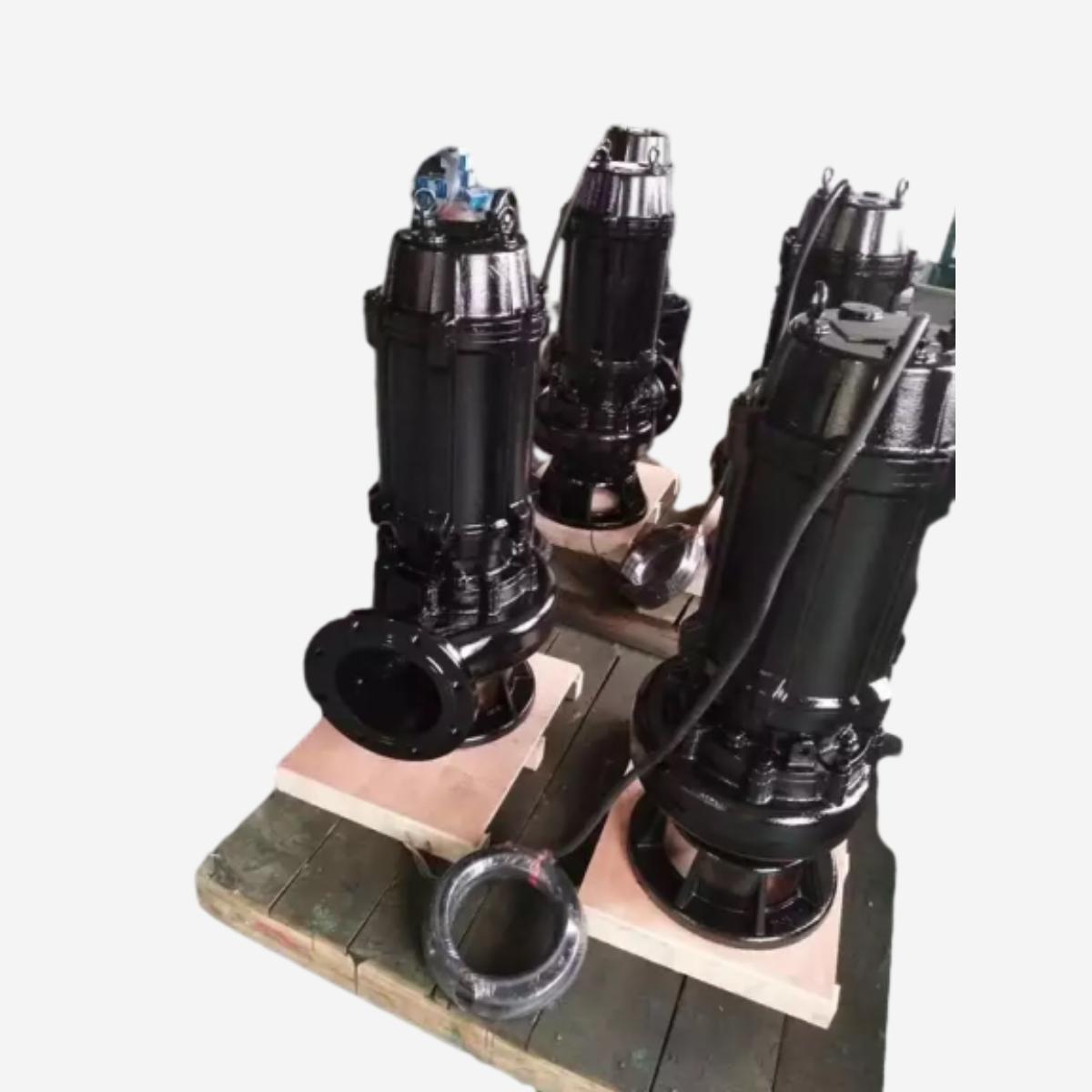
Performance & Engineering
The performance of a self-priming sewage pump is dictated by a complex interplay of hydraulic forces and fluid dynamics. The impeller’s design – typically open or semi-open – is crucial for efficient solids handling. Open impellers are more tolerant of large solids but generally have lower head and efficiency. Semi-open impellers offer a compromise between solids handling and hydraulic performance. Force analysis reveals that the pump must withstand significant radial and axial loads due to fluid pressure and impeller imbalance. Bearings (typically deep-groove ball bearings or tapered roller bearings) are engineered to accommodate these loads, with lubrication systems ensuring longevity. Environmental resistance is a key consideration; pumps operating outdoors must be protected from rain, snow, and extreme temperatures. Compliance requirements, such as those stipulated by the EPA (Environmental Protection Agency) regarding effluent discharge limits, dictate the need for reliable pump operation and leak prevention. Functional implementation centers around the self-priming mechanism, which typically involves a priming chamber and a vent valve. As the pump starts, the impeller creates a vacuum, drawing air from the suction line into the priming chamber. Once the chamber is filled with liquid, the vent valve closes, and the pump begins to discharge fluid. Pump curves, which plot head versus flow rate, are essential for selecting the appropriate pump for a given application.
Technical Specifications
| Parameter | Unit | Typical Value (Range) | Testing Standard |
|---|---|---|---|
| Flow Rate | GPM (US) | 50-500 | HI 1.6 |
| Total Dynamic Head | ft | 20-150 | ANSI/ASME B73.1 |
| Solids Handling Capacity | in | Up to 3 | N/A (based on impeller design) |
| Motor Power | HP | 3-75 | NEMA MG 1 |
| Seal Type | - | Mechanical Seal (SiC/Hardened Steel) | API 682 |
| Casing Material | - | Ductile Iron (65-45-12) | ASTM A536 |
Failure Mode & Maintenance
Self-priming sewage pumps are susceptible to several failure modes. Fatigue cracking in the impeller, particularly around the vanes, can occur due to cyclical stress from solids impact. Delamination of protective coatings on the casing and impeller reduces corrosion resistance, accelerating wear. Shaft corrosion or pitting due to galvanic corrosion can lead to bearing failure. Mechanical seal failure, often caused by abrasive particles or dry running, results in leakage. Clogging of the impeller or suction line by debris can reduce flow rate and increase motor load. Oxidation of metallic components in corrosive environments diminishes structural integrity. Preventive maintenance is crucial. Regular inspection of the impeller, casing, and seals for wear or damage is essential. Lubrication of bearings per manufacturer's specifications prevents premature failure. Periodic flushing of the pump and suction line removes accumulated debris. Monitoring motor current and pump vibration provides early warning signs of potential problems. Replacement of worn components, such as seals and bearings, extends pump life. For severe corrosion, consider upgrading to a stainless steel pump or applying more robust coatings. Thorough root cause analysis of failures is vital to identify and address underlying issues, such as improper pump selection or inadequate filtration.
Industry FAQ
Q: What is the impact of solids concentration on pump selection and longevity?
A: Higher solids concentrations necessitate pumps with larger impeller passages and abrasion-resistant materials. Selecting a pump with a flow rate and head optimized for the specific solids content is critical. Increased solids accelerate wear, shortening pump life and requiring more frequent maintenance. Employing pre-filtration systems to reduce solids loading can significantly extend pump longevity.
Q: How does the specific gravity of the pumped fluid affect pump performance?
A: Pumps are typically rated for a specific gravity of 1.0 (water). Pumping fluids with higher specific gravity (e.g., sludge) requires more power and reduces flow rate and head. Pump curves should be adjusted for the actual fluid specific gravity to ensure adequate performance.
Q: What are the key considerations for selecting a pump motor for sewage applications?
A: Motor selection must account for the pump’s power requirements, the operating environment (indoor/outdoor, temperature), and the duty cycle. Totally enclosed fan-cooled (TEFC) motors are commonly used for sewage applications to protect against moisture and contaminants. Variable Frequency Drives (VFDs) can be used to optimize energy consumption and control pump speed.
Q: What is the role of the priming system, and what types are available?
A: The priming system is crucial for removing air from the suction line, allowing the pump to develop suction. Common types include vacuum priming systems, ejector priming systems, and self-priming impellers. Vacuum priming uses a vacuum pump to create suction, while ejector priming uses a jet of fluid to entrain air. Self-priming impellers utilize a unique design to trap air and discharge it through the discharge port.
Q: What are the typical lead times for a custom-engineered wholesale self-priming sewage pump?
A: Lead times for custom-engineered pumps vary significantly based on complexity and material availability. Generally, expect lead times ranging from 8 to 20 weeks. Factors influencing lead time include pump size, material specifications, control system integration, and required certifications.
Conclusion
Wholesale self-priming sewage pumps represent a vital component in numerous wastewater management systems. Their performance is fundamentally dependent on meticulous material selection, precise manufacturing processes, and a thorough understanding of fluid dynamics and solids handling. Addressing the inherent challenges of abrasion, corrosion, and clogging through robust design, preventive maintenance, and appropriate pump selection is paramount for ensuring long-term reliability and operational efficiency.
Future advancements in this field will likely focus on developing more energy-efficient pumps, integrating smart monitoring systems for predictive maintenance, and utilizing advanced materials with enhanced corrosion and abrasion resistance. Optimizing pump designs for specific wastewater compositions and implementing digital control systems will further enhance performance and reduce life-cycle costs. Collaboration between pump manufacturers, end-users, and regulatory agencies is essential to drive innovation and address evolving environmental challenges.
-
Precision at the Pump: How Better Machining Protects Flow and Uptime
News2026-11-20
-
Why Pump Reliability Begins Before the First Drop of Fluid
News2026-11-20
-
Beyond the Pump: Designing Safer Access Around Critical Water Infrastructure
News2026-11-20
-
Why Pumping Stations Depend on the Infrastructure Beneath the Pumps
News2026-11-20
-
Beyond the Pump Room: How Smarter Loading Protects Industrial Equipment
News2026-11-19
-
When Pumps Stop: Designing More Resilient Power for Critical Pumping Systems
News2026-11-19
-
The Hidden Role of Dust and Gas Monitoring in Reliable Pump Operations
News2026-11-19
-
The Hidden Role of Mineral Compounds in Extending Industrial Pump Lifespan
News2026-10-12
-
Why Pump System Reliability Depends on Precision Hose Assembly Methods
News2026-09-15
-
How Advanced Imaging Films Are Transforming Pump Component Quality Control
News2026-08-25
-
How Advanced Filtration Protects Pump Systems from Premature Wear and Costly Downtime
News2026-08-25
-
How Steel Material Selection Drives Pump Reliability in Heavy-Duty Systems
News2026-08-25
-
Ensuring Pump System Efficiency: The Role of High-Quality Pipe Fittings and Tubing
News2026-08-24
-
Optimizing Fluid Dynamics and Material Consistency in Industrial Processing
News2026-08-18
-
Innovations and Challenges in Hydraulic Systems for Heavy Machinery
News2026-08-13




