English
- Afrikaans
- Albanian
- Amharic
- Arabic
- Armenian
- Azerbaijani
- Basque
- Belarusian
- Bengali
- Bosnian
- Bulgarian
- Catalan
- Cebuano
- Corsican
- Croatian
- Czech
- Danish
- Dutch
- English
- Esperanto
- Estonian
- Finnish
- French
- Frisian
- Galician
- Georgian
- German
- Greek
- Gujarati
- Haitian Creole
- hausa
- hawaiian
- Hebrew
- Hindi
- Miao
- Hungarian
- Icelandic
- igbo
- Indonesian
- irish
- Italian
- Japanese
- Javanese
- Kannada
- kazakh
- Khmer
- Rwandese
- Korean
- Kurdish
- Kyrgyz
- Lao
- Latin
- Latvian
- Lithuanian
- Luxembourgish
- Macedonian
- Malgashi
- Malay
- Malayalam
- Maltese
- Maori
- Marathi
- Mongolian
- Myanmar
- Nepali
- Norwegian
- Norwegian
- Occitan
- Pashto
- Persian
- Polish
- Portuguese
- Punjabi
- Romanian
- Russian
- Samoan
- Scottish Gaelic
- Serbian
- Sesotho
- Shona
- Sindhi
- Sinhala
- Slovak
- Slovenian
- Somali
- Spanish
- Sundanese
- Swahili
- Swedish
- Tagalog
- Tajik
- Tamil
- Tatar
- Telugu
- Thai
- Turkish
- Turkmen
- Ukrainian
- Urdu
- Uighur
- Uzbek
- Vietnamese
- Welsh
- Bantu
- Yiddish
- Yoruba
- Zulu

Telephone: +86 13120555503
Email: frank@cypump.com


Apr . 01, 2024 17:55 Back to list
wholesale r55 slurry pump liner Material Science and Performance Analysis
Introduction
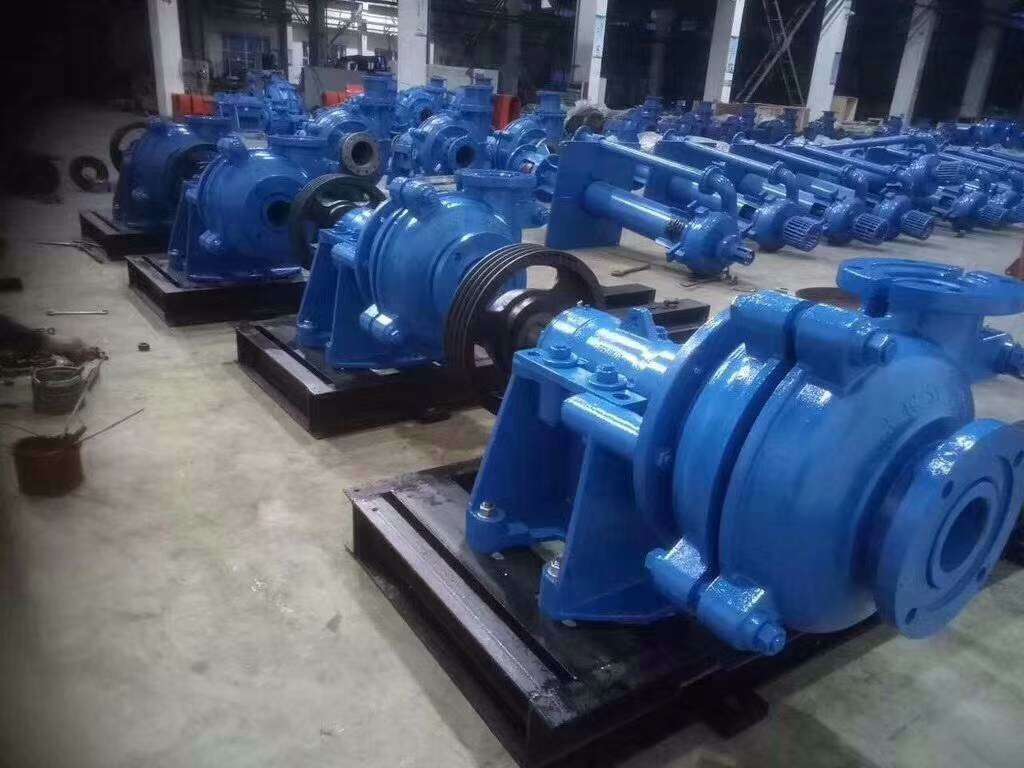
The R55 slurry pump liner is a critical wear component utilized in heavy-duty slurry pumping applications across diverse industries including mining, mineral processing, dredging, and wastewater treatment. Positioned as the internal protective layer within centrifugal slurry pumps, the liner’s primary function is to safeguard the pump casing from abrasive wear, corrosion, and erosion caused by the slurry being transported. These liners are typically constructed from high-chromium white iron, rubber, polyurethane, or ceramic composites, each offering distinct performance characteristics tailored to specific slurry compositions and operational demands. The industry faces consistent challenges related to liner lifespan and replacement costs, driving demand for liners with enhanced wear resistance and optimized hydrodynamic profiles. The R55 designation generally refers to a specific hardness level within the white iron family, indicating a balance between abrasion resistance and impact toughness. Understanding the material properties and installation procedures of R55 liners is paramount for maximizing pump efficiency, reducing downtime, and ensuring long-term operational reliability.
Material Science & Manufacturing
R55 slurry pump liners are predominantly manufactured from high-chromium white iron alloys, typically containing between 15% and 30% chromium. The high chromium content forms hard chromium carbides (Cr3C2) during the casting process, providing exceptional abrasion resistance. Other alloying elements, such as nickel, molybdenum, and manganese, may be added in smaller proportions to enhance toughness and impact resistance. The manufacturing process begins with careful selection of raw materials, followed by melting and casting. The casting process utilizes techniques like sand casting or investment casting to produce liners with precise dimensions and smooth surfaces. Crucially, the cooling rate during solidification is carefully controlled to maximize carbide precipitation and minimize the formation of softer phases like ferrite and pearlite. Following casting, liners undergo heat treatment, including quenching and tempering, to achieve the desired hardness and microstructure. The R55 hardness specification generally falls within the 58-62 HRC (Rockwell C) range. Improper heat treatment can lead to cracking or reduced wear resistance. Rubber liners are manufactured through vulcanization of natural or synthetic rubber compounds, incorporating fillers like silica or carbon black for reinforcement. Polyurethane liners are created through the polymerization of isocyanates and polyols. Ceramic liners are formed through sintering of alumina or zirconia powders. Each manufacturing route dictates the final material properties and application suitability.
Performance & Engineering
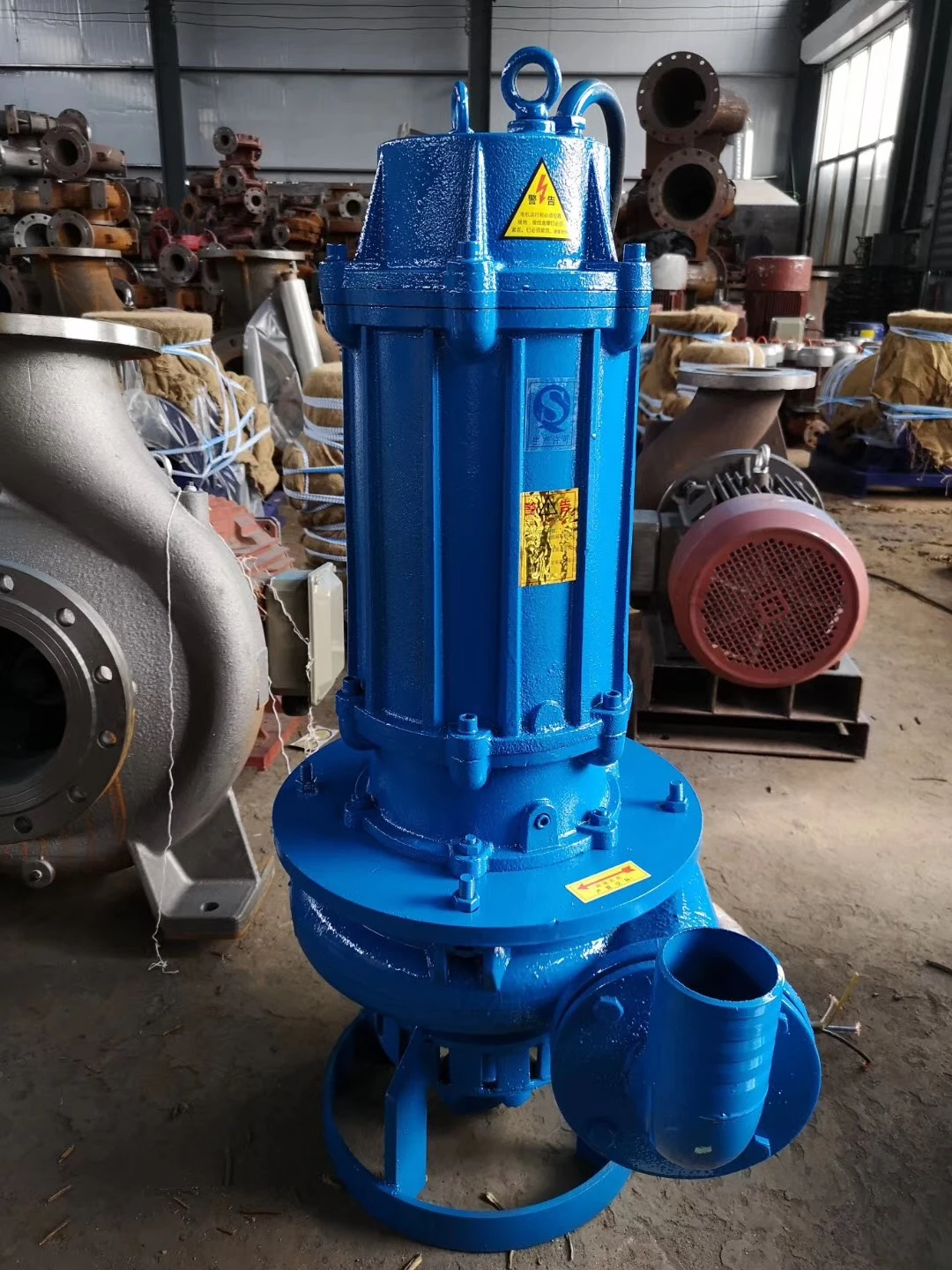
The performance of an R55 slurry pump liner is primarily determined by its resistance to abrasive wear, erosive wear, and corrosion. Abrasive wear, caused by hard particles impacting the liner surface, is mitigated by the high hardness of the chromium carbides. Erosive wear, resulting from the impact of high-velocity slurry, is influenced by the liner’s material toughness and hydrodynamic design. Corrosion resistance depends on the alloy composition and the chemical properties of the slurry. The liner's thickness is a critical engineering parameter; thicker liners provide longer service life but increase pump weight and potentially reduce pump efficiency. Finite Element Analysis (FEA) is commonly employed to optimize liner geometry and minimize stress concentrations. Pump manufacturers conduct extensive hydraulic testing to evaluate liner performance under various flow rates, slurry concentrations, and particle sizes. The hydrodynamic design of the liner influences slurry flow patterns, minimizing turbulence and reducing wear rates. Factors like slurry velocity, particle size distribution, and slurry chemistry significantly impact liner lifespan. Furthermore, the liner must withstand the hydrostatic pressure exerted by the slurry and the mechanical stresses induced by pump operation. Proper liner installation, ensuring a tight fit and preventing slurry bypass, is crucial for maintaining pump performance and preventing premature failure. Cavitation, though more prevalent in impeller damage, can also contribute to liner erosion if slurry density is insufficient.
Technical Specifications
| Material | Hardness (HRC) | Tensile Strength (MPa) | Impact Resistance (J) |
|---|---|---|---|
| High-Chromium White Iron (R55) | 58-62 | 300-450 | 15-25 |
| Natural Rubber | 40-60 (Shore A) | 10-20 | 50-100 |
| Polyurethane | 60-80 (Shore D) | 40-70 | 30-60 |
| Alumina Ceramic | 9.0 Mohs | 200-300 | 5-10 |
| Zirconia Ceramic | 8.5 Mohs | 800-1000 | 10-15 |
| Ductile Iron (Casing Compatibility) | 170-250HBW | 400-600 | 30-50 |
Failure Mode & Maintenance
Common failure modes for R55 slurry pump liners include abrasive wear, impact cracking, erosion, corrosion, and delamination. Abrasive wear manifests as gradual material loss due to the rubbing action of solid particles. Impact cracking occurs when the liner is subjected to sudden, high-energy impacts from large particles. Erosion results from the impingement of high-velocity slurry, particularly at the pump inlet and discharge. Corrosion can occur due to the chemical reactivity of the slurry with the liner material. Delamination, primarily in rubber or polyurethane liners, involves the separation of layers within the material. Failure analysis often reveals that premature liner failure is linked to improper slurry selection (e.g., exceeding the liner’s recommended particle size or concentration limits), incorrect pump operation (e.g., running the pump at excessive speeds), or inadequate liner installation. Preventative maintenance involves regular inspections to assess liner wear and identify potential failure points. Liners should be replaced when their thickness falls below a specified minimum value or when significant cracking or erosion is observed. Proper cleaning and lubrication of mating surfaces during liner replacement are essential to prevent corrosion and ensure a tight fit. Implementing a planned maintenance schedule, based on pump operating hours and slurry characteristics, can significantly extend liner lifespan and minimize downtime. Regular monitoring of pump performance parameters, such as discharge pressure and power consumption, can also provide early warning signs of liner degradation.
Industry FAQ
Q: What is the primary difference between R55 and R26 high-chromium white iron liners?
A: The primary difference lies in the chromium carbide content and resulting hardness. R55 liners generally have a higher chromium content (around 26-30%) compared to R26 liners (around 15-20%), leading to a higher hardness (58-62 HRC vs. 48-52 HRC). R55 provides superior abrasion resistance, making it suitable for highly abrasive slurries, while R26 offers better impact toughness for applications with larger particle sizes and frequent impacts.
Q: How does slurry velocity affect the lifespan of an R55 liner?
A: Higher slurry velocity significantly increases the rate of erosive wear. As velocity increases, the kinetic energy of the slurry particles increases, leading to greater impact forces on the liner surface. Maintaining optimal slurry velocity, within the pump’s design parameters, is crucial for maximizing liner lifespan. Excessive velocities should be avoided.
Q: What is the impact of slurry pH on the corrosion resistance of R55 liners?
A: Slurry pH can significantly affect corrosion rates. Highly acidic (low pH) or alkaline (high pH) slurries can accelerate corrosion of the R55 liner. The presence of chlorides and sulfates in the slurry can also exacerbate corrosion. Selecting a liner material with appropriate corrosion resistance for the specific slurry chemistry is essential.
Q: What are the key considerations when replacing R55 liners?
A: Key considerations include ensuring a proper fit between the liner and pump casing, thoroughly cleaning the mating surfaces to remove any debris or corrosion, using appropriate gaskets or sealants to prevent slurry bypass, and tightening the liner bolts to the manufacturer’s specified torque. Proper installation is critical for maintaining pump efficiency and preventing premature failure.
Q: Can R55 liners be repaired if they experience minor wear or cracking?
A: Minor wear can sometimes be addressed through welding repairs, using a compatible high-chromium welding rod. However, extensive cracking or significant material loss typically necessitates complete liner replacement. Repairing severely damaged liners can compromise their structural integrity and reduce their overall lifespan. Welding repairs should only be performed by qualified personnel.
Conclusion
The R55 slurry pump liner remains a cornerstone component in demanding slurry handling applications due to its robust abrasion resistance and established performance history. Understanding the interplay between material science, manufacturing processes, and operational parameters is critical for maximizing liner lifespan and minimizing total cost of ownership. Proper slurry characterization, pump selection, and preventative maintenance practices are paramount for achieving optimal performance and preventing premature failure.
Future developments in slurry pump liner technology are likely to focus on the development of new materials with enhanced wear resistance and corrosion resistance, as well as the implementation of advanced coating technologies to further extend liner lifespan. Improved hydrodynamic designs and optimized liner geometries will also play a role in reducing wear rates and improving pump efficiency. Continuous monitoring of pump performance and data analytics will provide valuable insights into liner wear patterns, enabling proactive maintenance and optimized liner replacement schedules.
-
Precision at the Pump: How Better Machining Protects Flow and Uptime
News2026-11-20
-
Why Pump Reliability Begins Before the First Drop of Fluid
News2026-11-20
-
Beyond the Pump: Designing Safer Access Around Critical Water Infrastructure
News2026-11-20
-
Why Pumping Stations Depend on the Infrastructure Beneath the Pumps
News2026-11-20
-
Beyond the Pump Room: How Smarter Loading Protects Industrial Equipment
News2026-11-19
-
When Pumps Stop: Designing More Resilient Power for Critical Pumping Systems
News2026-11-19
-
The Hidden Role of Dust and Gas Monitoring in Reliable Pump Operations
News2026-11-19
-
The Hidden Role of Mineral Compounds in Extending Industrial Pump Lifespan
News2026-10-12
-
Why Pump System Reliability Depends on Precision Hose Assembly Methods
News2026-09-15
-
How Advanced Imaging Films Are Transforming Pump Component Quality Control
News2026-08-25
-
How Advanced Filtration Protects Pump Systems from Premature Wear and Costly Downtime
News2026-08-25
-
How Steel Material Selection Drives Pump Reliability in Heavy-Duty Systems
News2026-08-25
-
Ensuring Pump System Efficiency: The Role of High-Quality Pipe Fittings and Tubing
News2026-08-24
-
Optimizing Fluid Dynamics and Material Consistency in Industrial Processing
News2026-08-18
-
Innovations and Challenges in Hydraulic Systems for Heavy Machinery
News2026-08-13




