English
- Afrikaans
- Albanian
- Amharic
- Arabic
- Armenian
- Azerbaijani
- Basque
- Belarusian
- Bengali
- Bosnian
- Bulgarian
- Catalan
- Cebuano
- Corsican
- Croatian
- Czech
- Danish
- Dutch
- English
- Esperanto
- Estonian
- Finnish
- French
- Frisian
- Galician
- Georgian
- German
- Greek
- Gujarati
- Haitian Creole
- hausa
- hawaiian
- Hebrew
- Hindi
- Miao
- Hungarian
- Icelandic
- igbo
- Indonesian
- irish
- Italian
- Japanese
- Javanese
- Kannada
- kazakh
- Khmer
- Rwandese
- Korean
- Kurdish
- Kyrgyz
- Lao
- Latin
- Latvian
- Lithuanian
- Luxembourgish
- Macedonian
- Malgashi
- Malay
- Malayalam
- Maltese
- Maori
- Marathi
- Mongolian
- Myanmar
- Nepali
- Norwegian
- Norwegian
- Occitan
- Pashto
- Persian
- Polish
- Portuguese
- Punjabi
- Romanian
- Russian
- Samoan
- Scottish Gaelic
- Serbian
- Sesotho
- Shona
- Sindhi
- Sinhala
- Slovak
- Slovenian
- Somali
- Spanish
- Sundanese
- Swahili
- Swedish
- Tagalog
- Tajik
- Tamil
- Tatar
- Telugu
- Thai
- Turkish
- Turkmen
- Ukrainian
- Urdu
- Uighur
- Uzbek
- Vietnamese
- Welsh
- Bantu
- Yiddish
- Yoruba
- Zulu

Telephone: +86 13120555503
Email: frank@cypump.com


Apr . 01, 2024 17:55 Back to list
wholesale heavy duty slurry pump Performance Analysis and Manufacturing Specifications
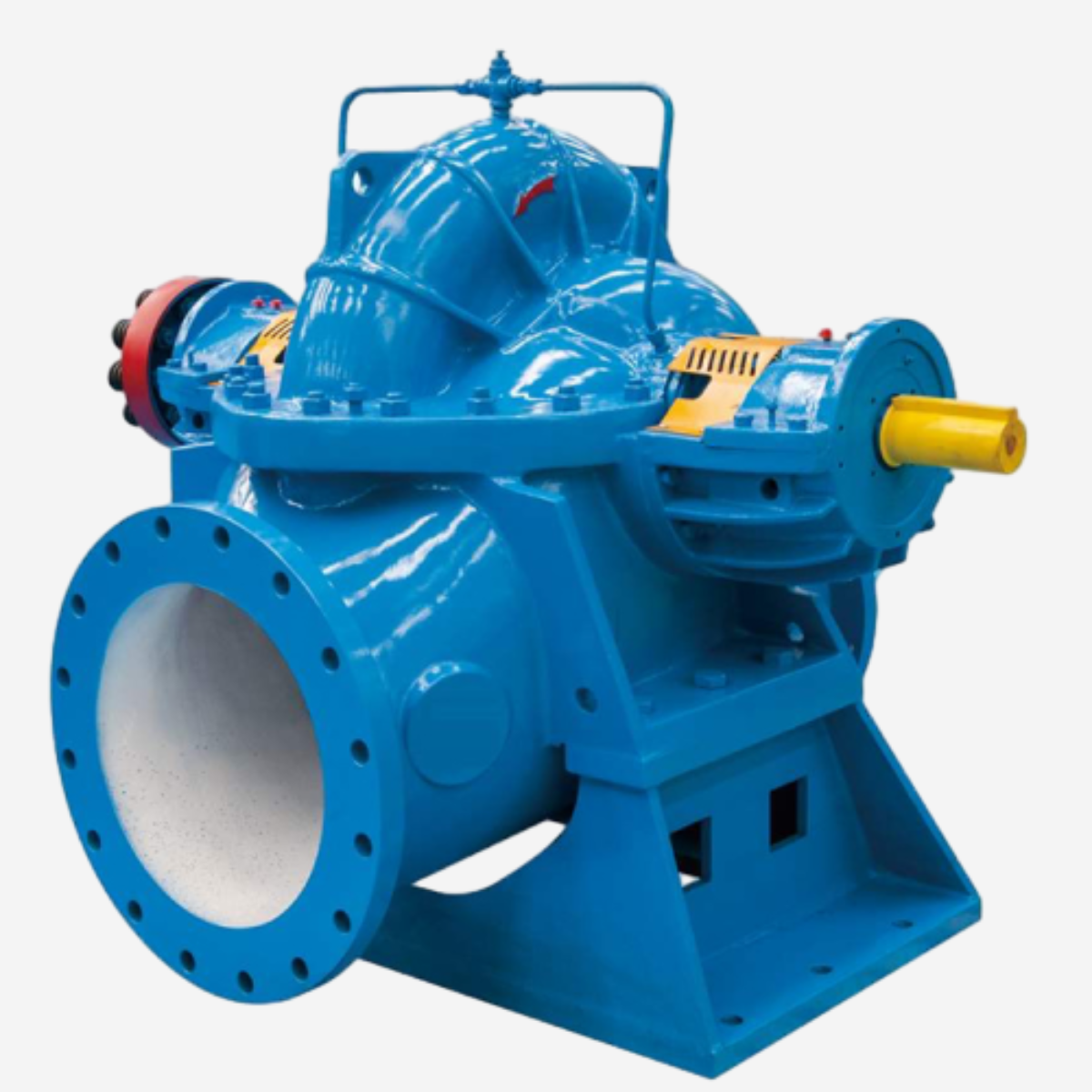
Heavy Duty Slurry Pump Performance Analysis and Manufacturing Specifications
Heavy duty slurry pumps are specialized centrifugal machines engineered to transport highly abrasive, corrosive, and high-density fluids, commonly referred to as slurries. Positioned as critical infrastructure in the mid-stream processing of the mining, dredging, and chemical industries, these pumps bridge the gap between raw material extraction and refined processing. Unlike standard water pumps, the technical essence of a heavy duty slurry pump lies in its ability to maintain volumetric efficiency while resisting the extreme kinetic energy of suspended solids. The core performance is measured by the pump's ability to manage critical solids concentration, maintain a stable Net Positive Suction Head (NPSH), and minimize the rate of erosion-corrosion on internal wetted parts, ensuring operational longevity in environments where standard alloys would fail within hours.
Material Science & Manufacturing
The operational lifespan of a heavy duty slurry pump is fundamentally determined by its material science. The primary challenge is "abrasive wear," where hard particles in the slurry cause micro-plowing and cutting of the pump surfaces. To combat this, high-chrome white irons (ASTM A532) are utilized for impellers and liners. These materials feature a martensitic matrix embedded with primary M7C3 carbides, providing a hardness typically exceeding 60 HRC. For environments involving both abrasion and chemical corrosion, duplex stainless steels or specialized rubber linings (natural rubber or nitrile) are employed to provide elasticity and chemical inertness, effectively absorbing the impact of particles rather than allowing them to erode the substrate.
Manufacturing processes involve precision casting and rigorous post-processing. The casting of the impeller requires strict temperature control to prevent porosity and ensure a uniform distribution of carbides. Following casting, heat treatment (quenching and tempering) is performed to optimize the hardness-to-toughness ratio. Furthermore, the machining of the wear plate and the impeller must maintain tolerances within microns to prevent internal recirculation and turbulence, which would otherwise accelerate localized wear. The assembly process integrates heavy-duty bearings and mechanical seals designed to isolate the pump's internal high-pressure environment from the external atmosphere, often utilizing an external flush system to prevent solids from entering the seal faces.
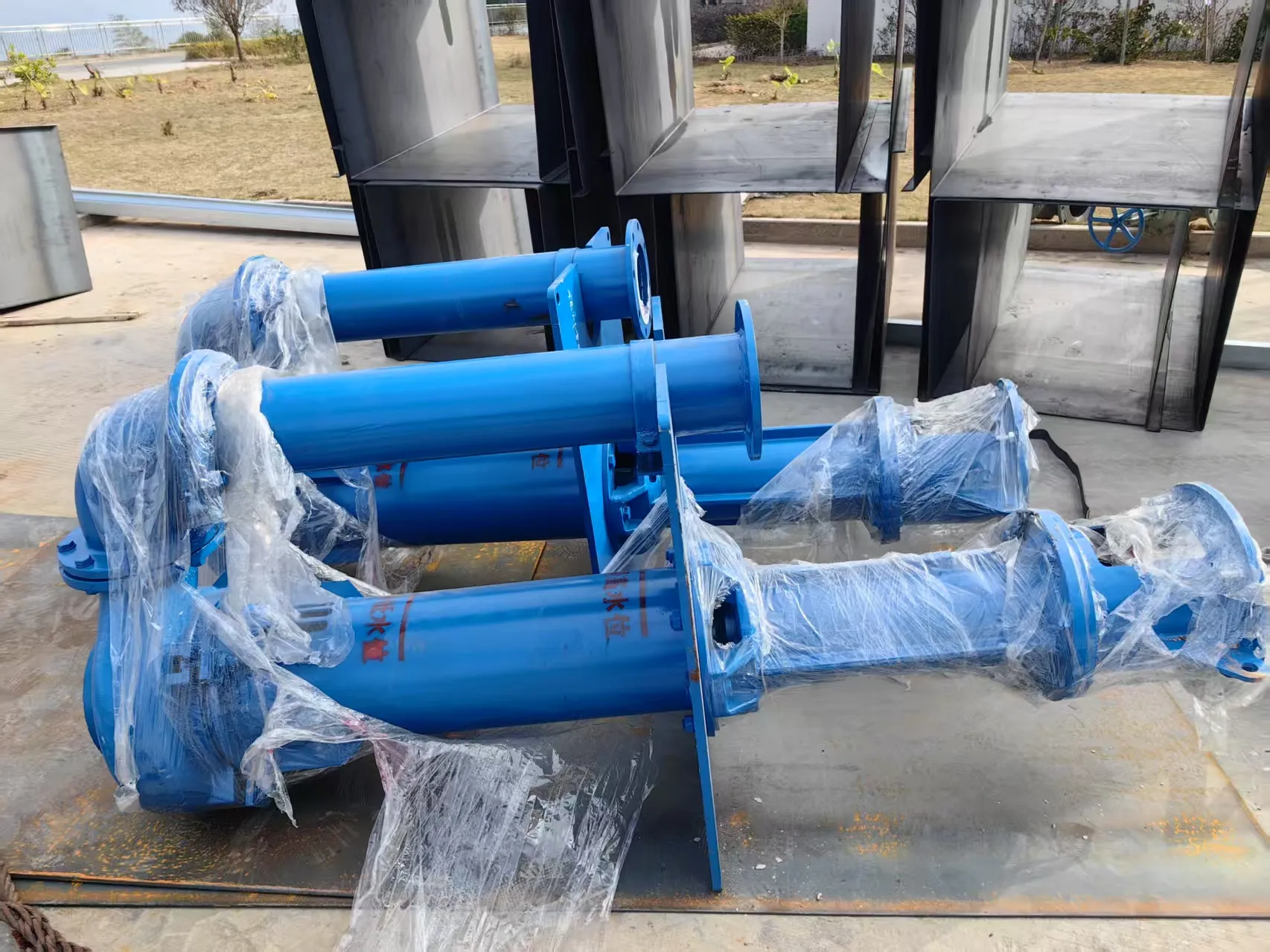
Performance & Engineering
Engineering a heavy duty slurry pump requires a comprehensive analysis of fluid dynamics and force distribution. The primary engineering focus is the "Critical Solids Concentration" (CSC), the point at which the slurry behaves as a non-Newtonian fluid. To prevent sedimentation and clogging, the pump must maintain a minimum transport velocity. This is achieved through a precision-engineered impeller geometry that optimizes the flow angle and reduces the risk of cavitation. Cavitation is particularly destructive in slurry pumps because the imploding vapor bubbles can strip away protective oxide layers from the metal, exposing the base material to rapid erosion.
From a structural perspective, the pump casing is designed as a heavy-wall pressure vessel to withstand the hydrostatic pressure of dense slurries and the vibration induced by large particles. The shaft design incorporates high fatigue strength to resist the radial and axial loads generated by unbalanced slurry flow. Compliance with international hydraulic standards ensures that the pump achieves the required head and flow rate without excessive energy loss. Engineering calculations also account for the "Specific Speed" of the pump, allowing operators to select between high-flow/low-head configurations (common in dredging) and low-flow/high-head configurations (common in mineral tailings transport).
Technical Specifications
| Parameter Dimension | High-Chrome Alloy Spec | Natural Rubber Spec | Duplex Steel Spec | Operating Range |
|---|---|---|---|---|
| Hardness (HRC/Shore A) | 60 - 65 HRC | 65 - 75 Shore A | 25 - 35 HRC | Variable by Medium |
| Max Particle Size (mm) | Up to 150 mm | Up to 50 mm | Up to 80 mm | Application Dependent |
| Corrosion Resistance | Moderate | Excellent (Acidic) | Superior (Chloride) | pH 2.0 - 12.0 |
| Max Flow Rate (m³/h) | 2500 | 1800 | 2200 | 50 - 3000 m³/h |
| Max Total Head (m) | 120 | 70 | 110 | 10 - 150 m |
| Wear Rate (mm/1000h) | Low (Abrasive) | Low (Impact) | Medium | $le$ 5.0 mm |
Failure Mode & Maintenance
Failure analysis in heavy duty slurry pumps typically centers on four primary modes: erosive wear, corrosive pitting, fatigue cracking, and seal failure. Erosive wear occurs most aggressively at the impeller vane tips and the volute tongue, where fluid velocity is highest. This leads to a gradual drop in pump head and efficiency. Corrosive pitting happens when the protective passivation layer is breached, often due to chemical incompatibility, leading to localized deep holes in the casting. Fatigue cracking is usually a result of vibration induced by "slugging" (large clumps of solids entering the pump) or misalignment between the motor and the pump shaft.
Professional maintenance requires a predictive approach rather than a reactive one. We implement ultrasonic thickness testing on the casing and liners to monitor wear rates without dismantling the machine. For the impeller, balancing checks are mandatory after every liner replacement to prevent bearing premature failure. Seal maintenance involves monitoring the flush water pressure; a drop in flush pressure allows solids to penetrate the seal faces, leading to catastrophic leakage. The recommended maintenance cycle includes monthly vibration analysis and quarterly clearance measurements between the impeller and the suction plate to optimize volumetric efficiency.
Industry FAQ
Q: How do we determine whether to choose a high-chrome alloy or a rubber liner for our slurry pump?
A: The choice depends on the particle size and the nature of the abrasion. High-chrome alloys are superior for large, sharp, and hard particles that cause cutting wear. Rubber liners are preferred for smaller, sandy particles that cause impact and sliding wear, as the elasticity of the rubber allows it to rebound rather than be cut.
Q: What is the impact of slurry viscosity on the NPSH requirements of the pump?
A: Increased viscosity increases the frictional losses in the suction piping, which significantly reduces the available Net Positive Suction Head (NPSHa). This increases the risk of cavitation. To mitigate this, we recommend increasing the suction pipe diameter or lowering the pump installation height relative to the slurry pond.
Q: Why is my pump experiencing rapid wear specifically at the volute tongue?
A: This is usually due to high-velocity turbulence and "impingement" where the slurry is forced to change direction abruptly. This can be solved by installing a sacrificial wear plate at the tongue or optimizing the impeller clearance to ensure a more laminar flow transition into the volute.
Q: How does the solids concentration affect the power consumption of the pump?
A: As solids concentration increases, the density and apparent viscosity of the fluid increase, which directly raises the brake horsepower (BHP) required to move the fluid. If the concentration exceeds the Critical Solids Concentration, the power demand may spike exponentially, risking motor overload.
Q: What are the signs of imminent bearing failure in a heavy duty slurry pump?
A: Primary indicators include an increase in the vibration amplitude in the 1x or 2x RPM frequency range, an increase in the bearing housing temperature above 70°C, and the presence of metallic particles in the lubrication oil during analysis.
Conclusion
The operational efficiency of wholesale heavy duty slurry pumps is not merely a function of raw power, but a precise orchestration of material science, hydraulic engineering, and rigorous maintenance. By aligning the metallurgical properties of the pump components—such as the use of high-chrome alloys for abrasion resistance—with the specific chemical and physical characteristics of the slurry, operators can significantly reduce the Total Cost of Ownership (TCO) and maximize uptime in the most demanding industrial environments.
Looking forward, the industry is shifting toward "intelligent pumping," incorporating real-time wear sensors and variable frequency drives (VFDs) to optimize flow based on actual solids concentration. For procurement managers and engineers, the focus must remain on the balance between initial capital expenditure and the long-term durability of the wetted parts, ensuring that the selected specifications strictly adhere to the geological and chemical realities of the application site.
-
basement bathroom sewage pump Material Science Manufacturing
News2026-05-21
-
wastewater treatment plant pumps Material Science Manufacturing
News2026-05-21
-
waste water pump for basement Material Science Manufacturing
News2026-05-21
-
sump pump sewage Performance Analysis
News2026-05-21
-
sump pump for sewage Material Science and Manufacturing
News2026-05-21
-
sump pump for septic systems Material Science Manufacturing
News2026-05-20
-
sump pump and ejector pump Material Science Manufacturing
News2026-05-20
-
sewage treatment plant pumps Performance Analysis
News2026-05-20
-
sewage tank pump Material Science and Manufacturing
News2026-05-20
-
sewage pump for septic tank Performance Analysis
News2026-05-20
-
Sewage Pump and Tank Performance Analysis
News2026-05-19
-
Sewage Ejector Pump Replacement Performance Analysis
News2026-05-19
-
sewage ejector pump for basement bathroom Material Science Manufacturing
News2026-05-19
-
sewage ejection pump Material Science and Manufacturing
News2026-05-19
-
in line sewage pump Performance Analysis
News2026-05-19




