English
- Afrikaans
- Albanian
- Amharic
- Arabic
- Armenian
- Azerbaijani
- Basque
- Belarusian
- Bengali
- Bosnian
- Bulgarian
- Catalan
- Cebuano
- Corsican
- Croatian
- Czech
- Danish
- Dutch
- English
- Esperanto
- Estonian
- Finnish
- French
- Frisian
- Galician
- Georgian
- German
- Greek
- Gujarati
- Haitian Creole
- hausa
- hawaiian
- Hebrew
- Hindi
- Miao
- Hungarian
- Icelandic
- igbo
- Indonesian
- irish
- Italian
- Japanese
- Javanese
- Kannada
- kazakh
- Khmer
- Rwandese
- Korean
- Kurdish
- Kyrgyz
- Lao
- Latin
- Latvian
- Lithuanian
- Luxembourgish
- Macedonian
- Malgashi
- Malay
- Malayalam
- Maltese
- Maori
- Marathi
- Mongolian
- Myanmar
- Nepali
- Norwegian
- Norwegian
- Occitan
- Pashto
- Persian
- Polish
- Portuguese
- Punjabi
- Romanian
- Russian
- Samoan
- Scottish Gaelic
- Serbian
- Sesotho
- Shona
- Sindhi
- Sinhala
- Slovak
- Slovenian
- Somali
- Spanish
- Sundanese
- Swahili
- Swedish
- Tagalog
- Tajik
- Tamil
- Tatar
- Telugu
- Thai
- Turkish
- Turkmen
- Ukrainian
- Urdu
- Uighur
- Uzbek
- Vietnamese
- Welsh
- Bantu
- Yiddish
- Yoruba
- Zulu

Telephone: +86 13120555503
Email: frank@cypump.com


Apr . 01, 2024 17:55 Back to list
wholesale atlantic slurry pump Performance Analysis
Introduction
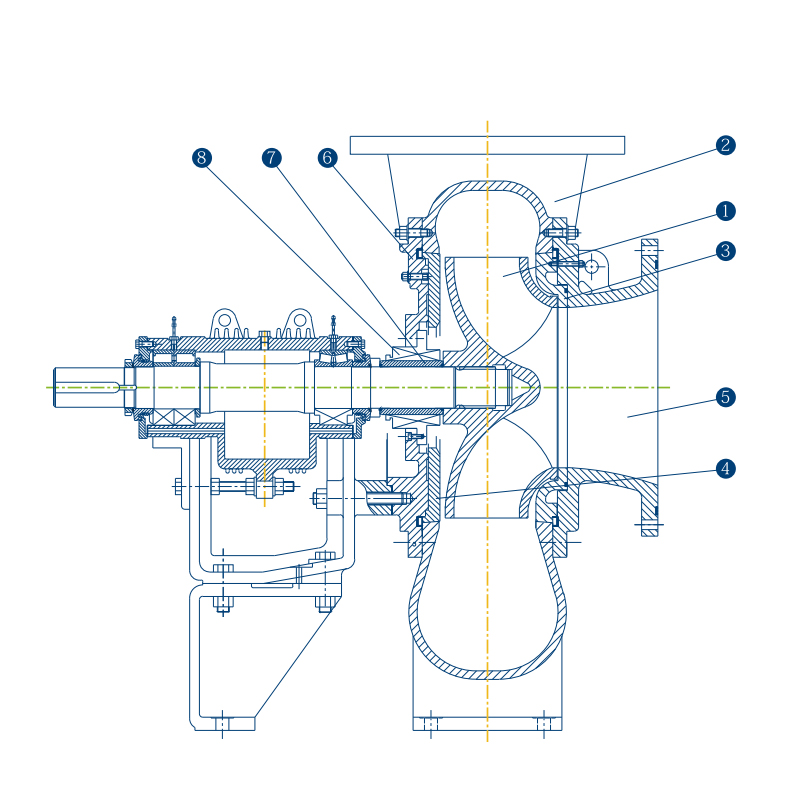
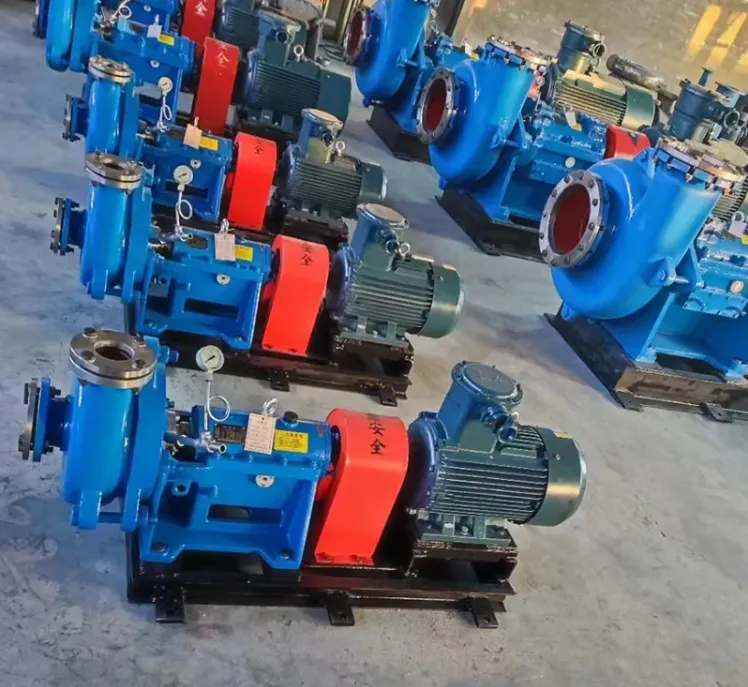
Atlantic slurry pumps are positive displacement pumps specifically designed for the transport of abrasive, corrosive, and high-solids content slurries. Positioned within the industrial fluid handling chain, these pumps serve critical roles in mining, wastewater treatment, chemical processing, and dredging applications. Their core performance characteristics center around maintaining consistent flow rates despite varying slurry densities and particle sizes, coupled with resistance to abrasive wear and chemical attack. Unlike centrifugal pumps which are sensitive to viscosity changes, slurry pumps excel in handling non-Newtonian fluids. The industry faces constant challenges regarding pump longevity, energy efficiency in high-head applications, and minimizing downtime due to component failure. This guide provides an in-depth technical analysis of Atlantic slurry pumps, covering materials, manufacturing, performance parameters, failure modes, and relevant industry standards.
Material Science & Manufacturing
The construction of Atlantic slurry pumps relies heavily on materials science to withstand harsh operating environments. Pump casings are typically manufactured from high-chromium cast iron (typically 26-35% Cr) which provides excellent abrasion resistance. Impellers are frequently constructed from similarly alloyed cast iron or, for exceptionally abrasive slurries, high-hardness materials like tungsten carbide or ceramic composites. Shafts employ alloy steels (e.g., 4140, 4340) hardened and tempered for torsional strength and corrosion resistance. Seals are a critical component, utilizing materials like Viton (fluoroelastomer), EPDM (ethylene propylene diene monomer), or PTFE (polytetrafluoroethylene) based on the chemical compatibility requirements of the slurry.
Manufacturing processes vary based on component complexity. Casings are generally produced using sand casting followed by heat treatment to achieve desired mechanical properties. Impellers may utilize investment casting for intricate geometries and tighter tolerances. Shafts are typically machined from bar stock using CNC turning and milling. Critical parameters during manufacturing include: wall thickness uniformity in casings to prevent stress concentration, impeller balancing to minimize vibration, and dimensional accuracy of wear parts to ensure proper clearances. Welding procedures, particularly for repairs, must adhere to ASME Section IX standards to maintain structural integrity. Surface hardening techniques, such as induction hardening, are often applied to impellers and shaft sleeves to further enhance wear resistance. Non-destructive testing (NDT), including radiography and ultrasonic testing, is routinely employed to detect internal flaws.
Performance & Engineering
The performance of an Atlantic slurry pump is dictated by several key engineering principles. Positive displacement, typically achieved through rotating lobes, gears, or progressing cavities, ensures a relatively constant flow rate irrespective of discharge pressure. However, volumetric efficiency decreases with wear. Force analysis considers the hydrodynamic forces exerted by the slurry on the impeller, the static loads on the shaft, and the pressure loads on the casing. These forces contribute to bearing loads and potential for fatigue failure. Environmental resistance is crucial, particularly concerning temperature extremes and exposure to corrosive agents. Material selection is paramount in mitigating corrosion, erosion, and oxidation.
Compliance requirements vary by region and application. For instance, pumps handling hazardous materials must comply with ATEX directives (Europe) or Class I, Division 1/2 standards (North America) regarding explosion protection. Hydraulic Institute standards dictate pump performance testing and reporting requirements. Energy efficiency is a major focus, with pump manufacturers striving to minimize hydraulic losses through optimized impeller designs and tighter clearances. Net Positive Suction Head Required (NPSHr) is a critical parameter to prevent cavitation, which can severely damage the impeller and reduce pump performance. Proper piping design, including minimizing suction lift and ensuring adequate pipe diameter, is essential to maintain NPSHr.
Technical Specifications
| Parameter | Unit | Typical Value (Small Pump) | Typical Value (Large Pump) |
|---|---|---|---|
| Flow Rate | GPM (Gallons per Minute) | 50 | 500 |
| Discharge Pressure | PSI (Pounds per Square Inch) | 100 | 300 |
| Solids Handling Capability | Inches | 1 | 4 |
| Pump Speed | RPM (Revolutions per Minute) | 300 | 600 |
| Material (Casing) | - | High Chromium Cast Iron | High Chromium Cast Iron |
| Material (Impeller) | - | High Chromium Cast Iron | Tungsten Carbide |
Failure Mode & Maintenance
Atlantic slurry pumps are susceptible to several failure modes. Abrasive wear is the most common, leading to impeller erosion, casing thinning, and reduced pump performance. Cavitation, caused by insufficient NPSH, results in pitting and erosion of the impeller. Corrosion, particularly in aggressive chemical environments, can lead to material degradation and component failure. Fatigue cracking can occur in the shaft or casing due to cyclic loading and stress concentration. Seal failure is a frequent issue, resulting in leakage and potential contamination.
Preventative maintenance is crucial for maximizing pump lifespan. Regular inspections should include checking for wear on the impeller and casing, verifying seal integrity, and monitoring bearing temperature and vibration. Lubrication of bearings according to manufacturer's recommendations is essential. Periodic replacement of wear parts, such as the impeller and casing liners, is necessary to maintain optimal performance. Slurry analysis should be conducted to identify abrasive particles and corrosive agents, informing material selection and maintenance schedules. Shutdown and overhaul procedures must follow established safety protocols. When repairing or replacing components, strict adherence to OEM specifications is vital to ensure proper fit and performance.
Industry FAQ
Q: What is the impact of slurry particle size on pump selection?
A: Larger particle sizes necessitate pumps with wider flow passages and more robust impeller designs. Increased particle size also accelerates abrasive wear, requiring more frequent replacement of wear parts and potentially necessitating the use of harder materials like tungsten carbide. Selecting a pump capable of handling the maximum particle size present in the slurry is critical to prevent clogging and damage.
Q: How does slurry viscosity affect pump performance?
A: While Atlantic slurry pumps are better suited for viscous slurries than centrifugal pumps, extremely high viscosities can still reduce pump efficiency and increase energy consumption. Higher viscosity also increases frictional losses within the pump. Pump manufacturers often provide performance curves at different viscosities to aid in selection.
Q: What measures can be taken to mitigate corrosion in a chemically aggressive slurry?
A: Material selection is paramount. Choosing corrosion-resistant alloys, such as stainless steel or specialized polymers, is essential. Applying protective coatings, such as epoxy or rubber linings, can also provide a barrier against corrosion. Regular monitoring of slurry pH and chemical composition is crucial to identify potential corrosion issues.
Q: What are the primary causes of pump vibration and how can they be addressed?
A: Pump vibration can be caused by impeller imbalance, bearing wear, misalignment, cavitation, or the presence of solid particles causing hydraulic imbalance. Balancing the impeller, replacing worn bearings, correcting misalignment, ensuring adequate NPSH, and screening the slurry can all help reduce vibration.
Q: What is the role of the seal flush in a slurry pump application?
A: Seal flush systems provide lubrication and cooling to the pump seals, preventing premature wear and failure. They also help remove abrasive particles that can damage the seal faces. The type of flush system (e.g., barrier fluid, quill flush) is selected based on the slurry characteristics and application requirements.
Conclusion
Atlantic slurry pumps represent a critical technology in industries dealing with abrasive and corrosive fluids. Their robust construction, utilizing materials engineered for wear resistance and chemical compatibility, allows for reliable operation in demanding environments. Proper pump selection, based on a thorough understanding of slurry characteristics and application requirements, is paramount.
Long-term performance relies heavily on a proactive maintenance program focused on regular inspections, wear part replacement, and adherence to OEM specifications. Continued advancements in materials science and pump design are driving improvements in energy efficiency, reliability, and overall cost of ownership for Atlantic slurry pump systems. Further research into predictive maintenance utilizing sensor data and machine learning algorithms will further optimize their operation and reduce downtime.
-
Precision at the Pump: How Better Machining Protects Flow and Uptime
News2026-11-20
-
Why Pump Reliability Begins Before the First Drop of Fluid
News2026-11-20
-
Beyond the Pump: Designing Safer Access Around Critical Water Infrastructure
News2026-11-20
-
Why Pumping Stations Depend on the Infrastructure Beneath the Pumps
News2026-11-20
-
Beyond the Pump Room: How Smarter Loading Protects Industrial Equipment
News2026-11-19
-
When Pumps Stop: Designing More Resilient Power for Critical Pumping Systems
News2026-11-19
-
The Hidden Role of Dust and Gas Monitoring in Reliable Pump Operations
News2026-11-19
-
The Hidden Role of Mineral Compounds in Extending Industrial Pump Lifespan
News2026-10-12
-
Why Pump System Reliability Depends on Precision Hose Assembly Methods
News2026-09-15
-
How Advanced Imaging Films Are Transforming Pump Component Quality Control
News2026-08-25
-
How Advanced Filtration Protects Pump Systems from Premature Wear and Costly Downtime
News2026-08-25
-
How Steel Material Selection Drives Pump Reliability in Heavy-Duty Systems
News2026-08-25
-
Ensuring Pump System Efficiency: The Role of High-Quality Pipe Fittings and Tubing
News2026-08-24
-
Optimizing Fluid Dynamics and Material Consistency in Industrial Processing
News2026-08-18
-
Innovations and Challenges in Hydraulic Systems for Heavy Machinery
News2026-08-13




