English
- Afrikaans
- Albanian
- Amharic
- Arabic
- Armenian
- Azerbaijani
- Basque
- Belarusian
- Bengali
- Bosnian
- Bulgarian
- Catalan
- Cebuano
- Corsican
- Croatian
- Czech
- Danish
- Dutch
- English
- Esperanto
- Estonian
- Finnish
- French
- Frisian
- Galician
- Georgian
- German
- Greek
- Gujarati
- Haitian Creole
- hausa
- hawaiian
- Hebrew
- Hindi
- Miao
- Hungarian
- Icelandic
- igbo
- Indonesian
- irish
- Italian
- Japanese
- Javanese
- Kannada
- kazakh
- Khmer
- Rwandese
- Korean
- Kurdish
- Kyrgyz
- Lao
- Latin
- Latvian
- Lithuanian
- Luxembourgish
- Macedonian
- Malgashi
- Malay
- Malayalam
- Maltese
- Maori
- Marathi
- Mongolian
- Myanmar
- Nepali
- Norwegian
- Norwegian
- Occitan
- Pashto
- Persian
- Polish
- Portuguese
- Punjabi
- Romanian
- Russian
- Samoan
- Scottish Gaelic
- Serbian
- Sesotho
- Shona
- Sindhi
- Sinhala
- Slovak
- Slovenian
- Somali
- Spanish
- Sundanese
- Swahili
- Swedish
- Tagalog
- Tajik
- Tamil
- Tatar
- Telugu
- Thai
- Turkish
- Turkmen
- Ukrainian
- Urdu
- Uighur
- Uzbek
- Vietnamese
- Welsh
- Bantu
- Yiddish
- Yoruba
- Zulu

Telephone: +86 13120555503
Email: frank@cypump.com


Apr . 01, 2024 17:55 Back to list
Well Pump Service Performance Analysis
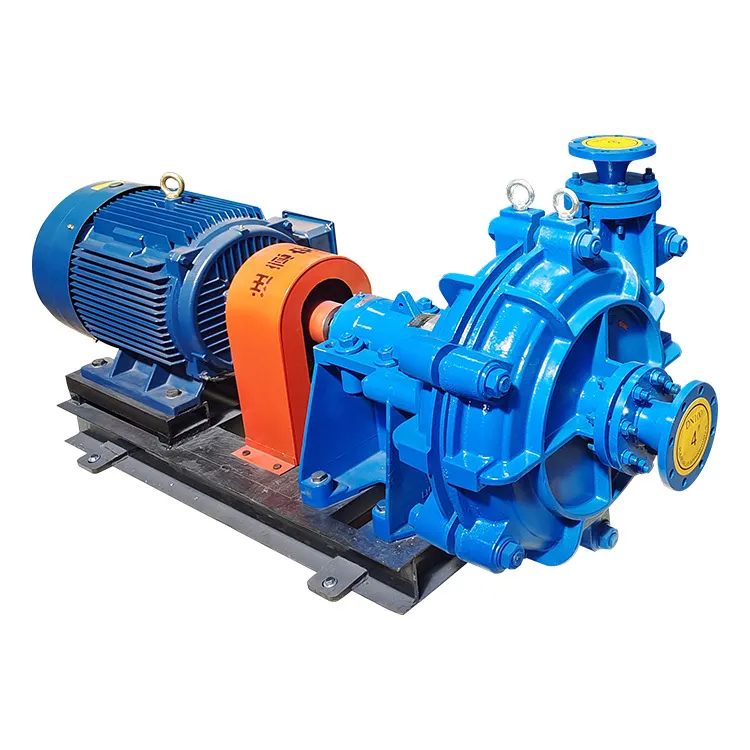
Introduction
Well pump service encompasses the installation, maintenance, and repair of submersible and jet pumps used to extract groundwater for residential, agricultural, and industrial applications. Positioned as a critical component of water supply infrastructure, well pump systems require specialized knowledge due to their submerged operation and interaction with diverse geological formations. Core performance characteristics include pumping capacity (gallons per minute – GPM), total dynamic head (TDH), horsepower (HP), and efficiency. Reliable operation directly impacts water availability, and failures can lead to significant disruption and potential water contamination. This guide provides a comprehensive overview of well pump service, covering material science, manufacturing, performance engineering, failure modes, and industry best practices.
Material Science & Manufacturing
Well pumps are constructed from a variety of materials selected for their corrosion resistance, mechanical strength, and compatibility with groundwater chemistry. Pump housings and impellers commonly utilize cast iron (ASTM A48 Class 30), stainless steel (304, 316 – ASTM A743), and engineered polymers such as Noryl (a polyphenylene oxide blend) and thermoplastic elastomers. Motor components necessitate high-grade electrical steel (AISI M-19) for the stator and rotor, encapsulated within a watertight housing. Manufacturing processes vary based on component complexity. Pump housings are often produced via sand casting followed by machining to precise tolerances. Impellers are typically investment cast for intricate designs. Motor stators involve winding copper wire (ASTM B111 C11000) around laminated steel cores. Critical parameters during manufacturing include casting quality (void reduction, surface finish), welding integrity (for stainless steel components – AWS D1.1), and precise balancing of rotating parts to minimize vibration and wear. Shaft materials are often alloy steel, heat treated to achieve optimal tensile strength and hardness (Rockwell C scale). The selection of appropriate elastomers (Nitrile, Viton) for seals and O-rings is crucial, based on expected water chemistry (pH, dissolved solids, presence of hydrogen sulfide). Proper coating application, such as epoxy or fusion-bonded polypropylene, enhances corrosion resistance of cast iron components.
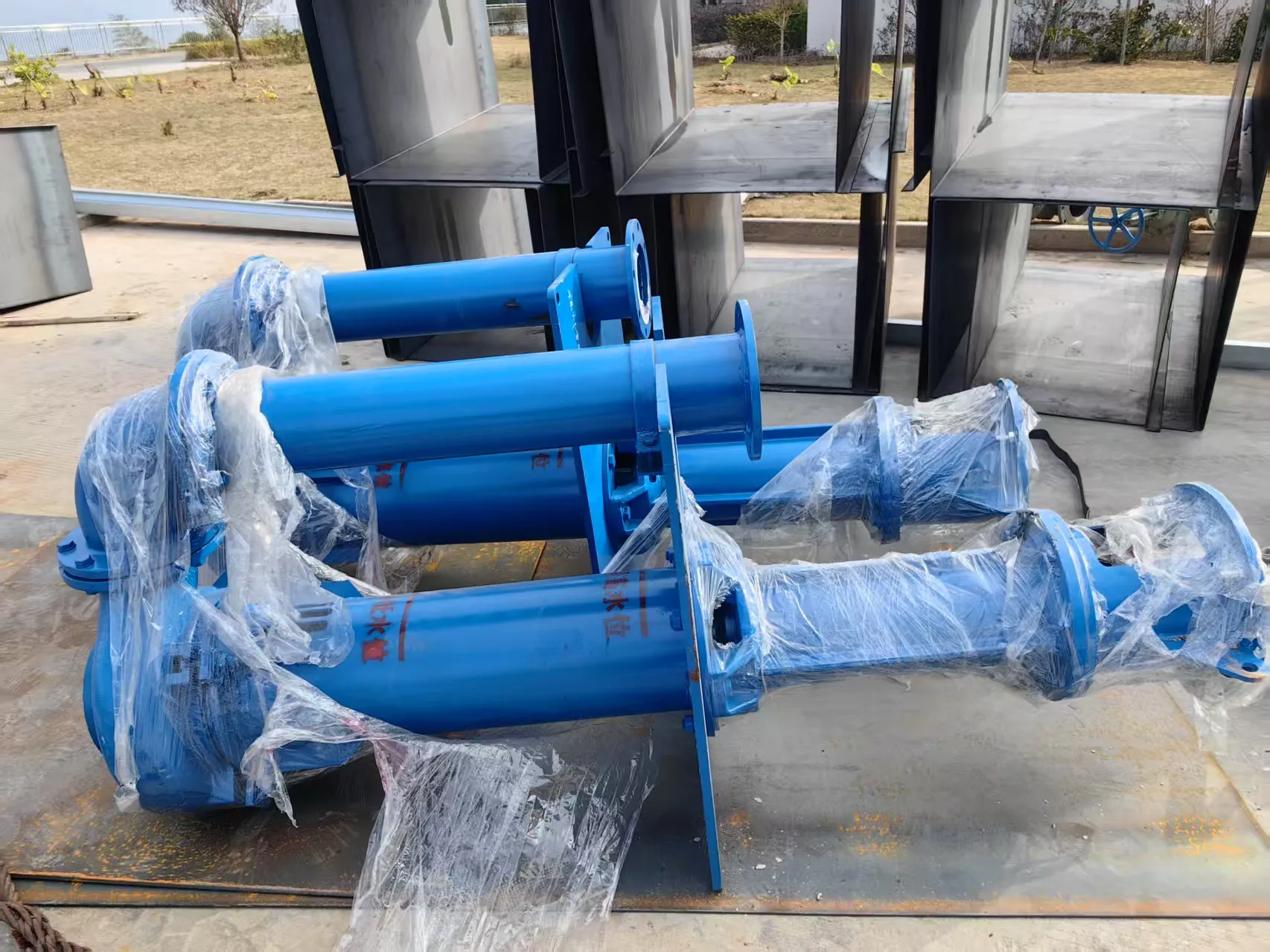
Performance & Engineering
Well pump performance is governed by hydraulic principles and electrical engineering considerations. Force analysis involves calculating static head (vertical distance water is lifted), friction losses within the piping system (Darcy-Weisbach equation), and dynamic head (pressure required to move water at a specific flow rate). Pump curves, provided by manufacturers, illustrate the relationship between flow rate, head, and efficiency. Cavitation, a major performance concern, occurs when pressure drops below the vapor pressure of the water, forming vapor bubbles that implode and damage the impeller. Proper pump selection and system design must prevent cavitation. Electrical engineering aspects include motor sizing (HP calculation based on TDH and GPM), voltage compatibility (single-phase or three-phase power), and wire sizing (NEC guidelines) to minimize voltage drop and ensure safe operation. Environmental resistance is addressed through watertight motor construction (NEMA standards) and corrosion-resistant materials. Compliance requirements involve adherence to local water well construction standards and National Electrical Code (NEC) regulations. Specific attention must be paid to grounding and bonding to prevent electrical shock. Pump selection also considers the specific gravity of the pumped fluid; adjustments may be needed for brines or fluids with high solids content. Regular performance monitoring (flow rate, pressure, amp draw) allows for early detection of performance degradation and proactive maintenance.
Technical Specifications
| Pump Type | Horsepower (HP) | Maximum Head (ft) | Flow Rate (GPM) | Minimum Well Diameter (in) |
|---|---|---|---|---|
| Submersible | 1/2 | 200 | 10 | 4 |
| Submersible | 1 | 300 | 20 | 4 |
| Submersible | 2 | 400 | 30 | 6 |
| Jet Pump (Shallow Well) | 1/2 | 25 | 8 | N/A |
| Jet Pump (Deep Well) | 1 | 100 | 12 | N/A |
| Jet Pump (Deep Well) | 1.5 | 150 | 15 | N/A |
Failure Mode & Maintenance
Common well pump failures include motor burnout (due to overheating, voltage imbalance, or winding shorts), impeller damage (cavitation, sand abrasion), seal failures (leading to water intrusion into the motor), and column pipe corrosion/fracture. Failure analysis should investigate the root cause by examining the motor windings for insulation breakdown, the impeller for wear patterns, and the seals for signs of degradation. Preventive maintenance is crucial. Regular water quality testing identifies corrosive elements (iron, sulfur) and allows for appropriate mitigation strategies. Periodic pump cycling (exercising the pump) prevents stagnation and seal degradation. Motor current monitoring detects overloaded conditions. Well cleaning removes sediment buildup, reducing abrasion and improving pump efficiency. Annual inspections of the pitless adapter (connection between the well casing and the water line) prevent leaks and contamination. If a pump is frequently cycling on/off, it may indicate a low water level or a leak in the pressure tank. In cases of motor failure, proper disposal of the motor is required due to the presence of hazardous materials. Replacement parts should meet OEM specifications (Original Equipment Manufacturer) to ensure compatibility and performance. For submersible pumps, proper handling of the electrical cable is essential to prevent damage and maintain watertight integrity. Replacing worn check valves minimizes water hammer and extends pump life.
Industry FAQ
Q: What is the typical lifespan of a submersible well pump?
A: The lifespan of a submersible well pump typically ranges from 10 to 20 years, depending on water quality, usage frequency, and maintenance practices. Pumps operating in corrosive water or experiencing frequent start/stop cycles will likely have a shorter lifespan.
Q: How can I tell if my well pump is losing prime?
A: A loss of prime is indicated by reduced water flow, intermittent pumping, and the pump motor running continuously without delivering water. Potential causes include leaks in the suction piping, a failing foot valve, or a low water level in the well.
Q: What are the common causes of well pump motor burnout?
A: Common causes of motor burnout include overheating due to insufficient cooling, voltage imbalances, low voltage, winding shorts, and prolonged operation under overloaded conditions. Regular motor current monitoring can help identify potential issues.
Q: What type of water quality testing is recommended for well pump systems?
A: Water quality testing should include pH, total dissolved solids (TDS), iron content, sulfur content, and bacteria levels. High levels of iron or sulfur can accelerate corrosion, while bacteria can foul the pump and piping system.
Q: Is it necessary to shock chlorinate a well after well pump service?
A: Yes, it is generally recommended to shock chlorinate the well after any service that involves opening the well casing or water lines. This helps to disinfect the water and eliminate any potential bacterial contamination.
Conclusion
Effective well pump service is paramount to ensuring a consistent and safe water supply. Understanding the interplay between material science, hydraulic principles, and electrical engineering is essential for proper pump selection, installation, and maintenance. Proactive preventative maintenance, including regular water quality testing and performance monitoring, significantly extends pump lifespan and minimizes costly failures.
The continued development of more efficient and durable pump materials, coupled with advancements in monitoring technologies, will drive improvements in well pump system reliability and sustainability. Implementing smart pump controllers and remote monitoring systems will enable predictive maintenance and optimize energy consumption, contributing to a more resilient water infrastructure.
-
Precision at the Pump: How Better Machining Protects Flow and Uptime
News2026-11-20
-
Why Pump Reliability Begins Before the First Drop of Fluid
News2026-11-20
-
Beyond the Pump: Designing Safer Access Around Critical Water Infrastructure
News2026-11-20
-
Why Pumping Stations Depend on the Infrastructure Beneath the Pumps
News2026-11-20
-
Beyond the Pump Room: How Smarter Loading Protects Industrial Equipment
News2026-11-19
-
When Pumps Stop: Designing More Resilient Power for Critical Pumping Systems
News2026-11-19
-
The Hidden Role of Dust and Gas Monitoring in Reliable Pump Operations
News2026-11-19
-
The Hidden Role of Mineral Compounds in Extending Industrial Pump Lifespan
News2026-10-12
-
Why Pump System Reliability Depends on Precision Hose Assembly Methods
News2026-09-15
-
How Advanced Imaging Films Are Transforming Pump Component Quality Control
News2026-08-25
-
How Advanced Filtration Protects Pump Systems from Premature Wear and Costly Downtime
News2026-08-25
-
How Steel Material Selection Drives Pump Reliability in Heavy-Duty Systems
News2026-08-25
-
Ensuring Pump System Efficiency: The Role of High-Quality Pipe Fittings and Tubing
News2026-08-24
-
Optimizing Fluid Dynamics and Material Consistency in Industrial Processing
News2026-08-18
-
Innovations and Challenges in Hydraulic Systems for Heavy Machinery
News2026-08-13




