English
- Afrikaans
- Albanian
- Amharic
- Arabic
- Armenian
- Azerbaijani
- Basque
- Belarusian
- Bengali
- Bosnian
- Bulgarian
- Catalan
- Cebuano
- Corsican
- Croatian
- Czech
- Danish
- Dutch
- English
- Esperanto
- Estonian
- Finnish
- French
- Frisian
- Galician
- Georgian
- German
- Greek
- Gujarati
- Haitian Creole
- hausa
- hawaiian
- Hebrew
- Hindi
- Miao
- Hungarian
- Icelandic
- igbo
- Indonesian
- irish
- Italian
- Japanese
- Javanese
- Kannada
- kazakh
- Khmer
- Rwandese
- Korean
- Kurdish
- Kyrgyz
- Lao
- Latin
- Latvian
- Lithuanian
- Luxembourgish
- Macedonian
- Malgashi
- Malay
- Malayalam
- Maltese
- Maori
- Marathi
- Mongolian
- Myanmar
- Nepali
- Norwegian
- Norwegian
- Occitan
- Pashto
- Persian
- Polish
- Portuguese
- Punjabi
- Romanian
- Russian
- Samoan
- Scottish Gaelic
- Serbian
- Sesotho
- Shona
- Sindhi
- Sinhala
- Slovak
- Slovenian
- Somali
- Spanish
- Sundanese
- Swahili
- Swedish
- Tagalog
- Tajik
- Tamil
- Tatar
- Telugu
- Thai
- Turkish
- Turkmen
- Ukrainian
- Urdu
- Uighur
- Uzbek
- Vietnamese
- Welsh
- Bantu
- Yiddish
- Yoruba
- Zulu

Telephone: +86 13120555503
Email: frank@cypump.com


Apr . 01, 2024 17:55 Back to list
Well and pump service Performance and Engineering
Introduction
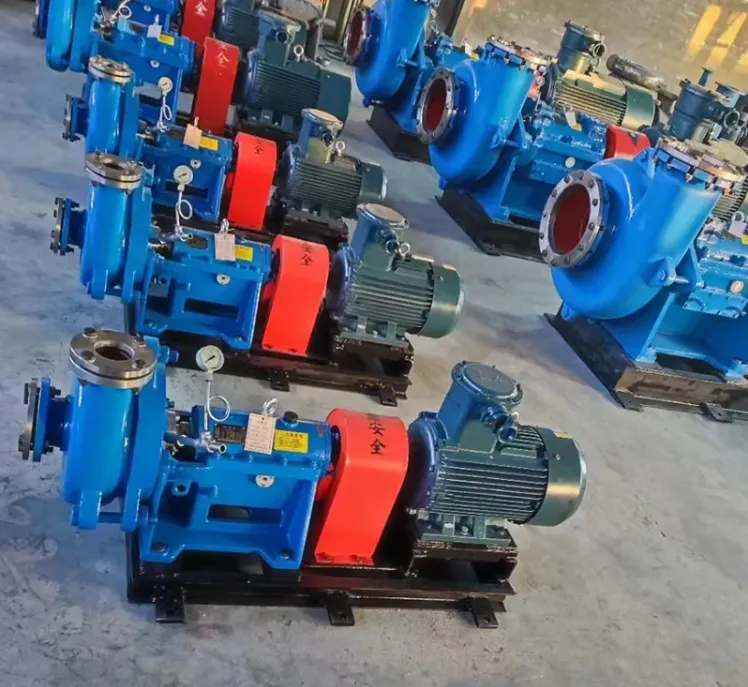
Well and pump service encompasses a comprehensive suite of interventions designed to maintain, optimize, and restore the functionality of oil, gas, and water wells. Positioned critically within the upstream and midstream sectors, these services bridge the gap between reservoir production and surface handling of fluids. Core performance centers around maximizing hydrocarbon recovery rates, minimizing operational downtime, and ensuring the long-term integrity of wellbore and associated equipment. This guide will detail the material science, engineering principles, failure modes, and operational best practices governing effective well and pump service, addressing the significant challenges associated with corrosive environments, abrasive particulates, and high-pressure/high-temperature conditions inherent in well operations. The industry faces persistent challenges with increasing well complexity (horizontal, multilateral), aging infrastructure necessitating preventative maintenance, and stringent environmental regulations driving demand for increasingly reliable and environmentally responsible service methodologies.
Material Science & Manufacturing
The materials used in well and pump service are selected based on their resistance to corrosion, erosion, and mechanical stress. Downhole pumps frequently utilize Alloy steels (4340, 17-4 PH) for impellers and diffusers due to their high tensile strength and toughness. Casing and tubing are predominantly constructed from carbon steel alloys conforming to API 5CT specifications, with duplex stainless steels (2205, 2507) employed in corrosive environments containing H2S, CO2, and chlorides. Polymers, specifically Polyetheretherketone (PEEK) and Nylon, find application in seals, wear rings, and packers due to their chemical resistance and low friction coefficients. Manufacturing processes are rigorous. Pump components are often forged and then precisely machined to exacting tolerances. Casing and tubing are typically produced via seamless pipe extrusion followed by heat treatment and threading. Critical parameters controlled during manufacturing include material composition verification via spectrometric analysis, non-destructive testing (NDT) utilizing magnetic particle inspection (MPI) and ultrasonic testing (UT) to detect flaws, and dimensional accuracy confirmation through coordinate measuring machines (CMM). Welding, when employed for repairs or joining components, follows stringent procedures conforming to AWS D1.1 standards, requiring qualified welders and post-weld heat treatment (PWHT) to relieve residual stresses and enhance weld integrity. The control of sulfide inclusions (MnS) in steel is paramount, as these act as initiation sites for sulfide stress cracking (SSC).
Performance & Engineering
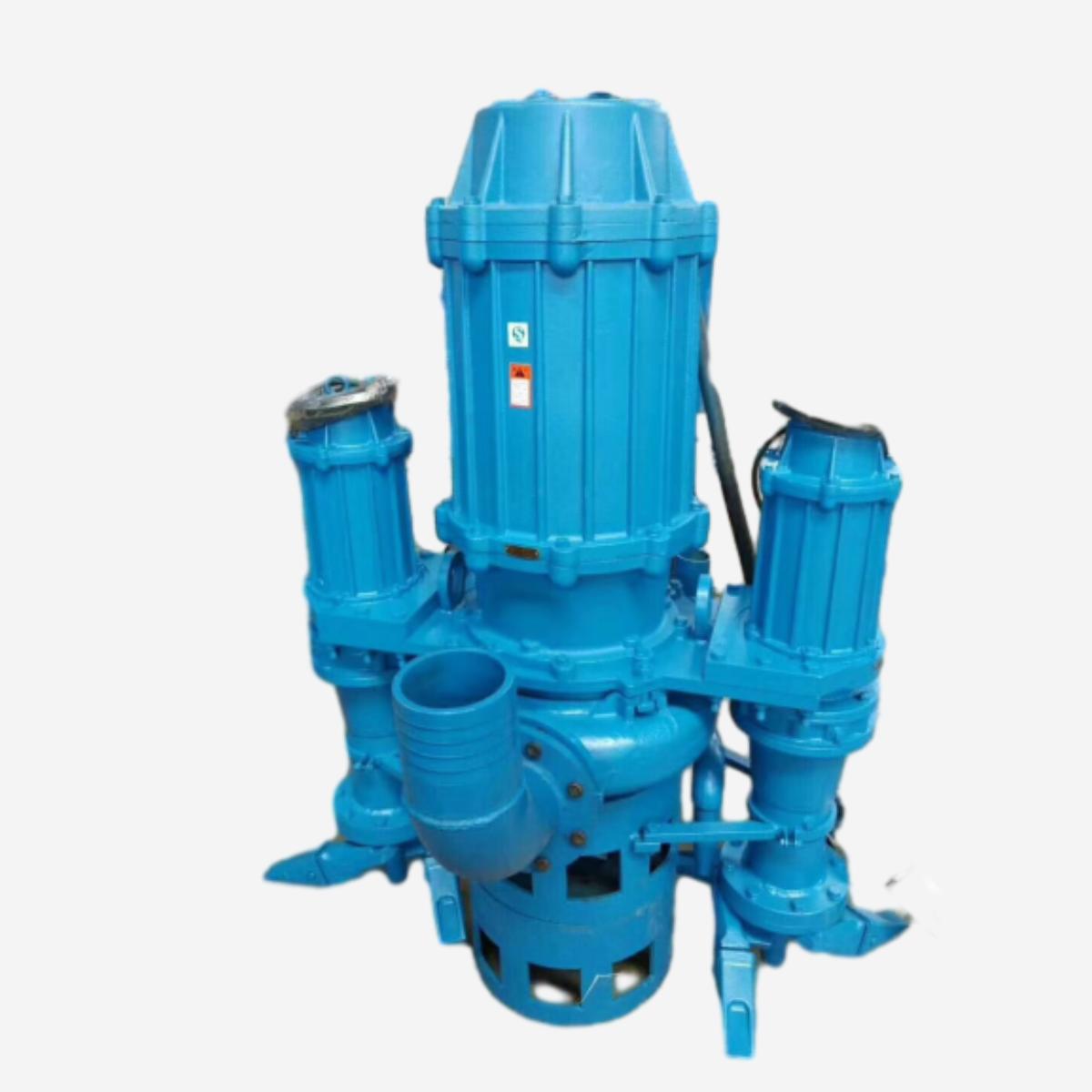
The performance of well and pump systems is governed by fluid dynamics, thermodynamics, and mechanical engineering principles. Pump selection requires detailed analysis of reservoir pressure, fluid viscosity, gas volume fraction (GVF), and required lift rate. Hydraulic horsepower (HHP) calculations determine pump size and motor requirements. Force analysis considers hydrostatic pressure, tensile stress from tubing weight, and bending moments induced by wellbore deviation. Environmental resistance is crucial. Downhole environments can reach temperatures exceeding 200°C and pressures exceeding 10,000 psi, necessitating materials and designs that maintain structural integrity under extreme conditions. Compliance requirements are dictated by API standards (API 674 for reciprocating pumps, API 610 for centrifugal pumps), NACE standards (NACE MR0175/ISO 15156 for materials resistant to sour environments), and regional regulatory bodies. Electrical submersible pumps (ESPs) require careful motor selection to prevent overheating and premature failure. The engineering of artificial lift systems – including sucker-rod pumps, progressive cavity pumps (PCPs), and gas lift – depends on accurate well modeling and inflow performance relationships (IPRs) to optimize production and minimize energy consumption. Failure analysis often employs finite element analysis (FEA) to identify stress concentration points and predict component life.
Technical Specifications
| Parameter | Units | Typical Range (Reciprocating Pump) | Typical Range (ESP) |
|---|---|---|---|
| Discharge Pressure | psi | 500 - 5000 | 200 - 2000 |
| Fluid Rate | bbl/day | 50 - 1000 | 100 - 5000 |
| Maximum Operating Temperature | °F | 350 | 300 |
| Maximum Gas Volume Fraction (GVF) | % | 10 | 95 |
| Pump Material (Body) | - | Carbon Steel, Alloy Steel | Stainless Steel, Alloy Steel |
| Pump Material (Impeller/Diffuser) | - | Alloy Steel | N/A (Centrifugal Design) |
Failure Mode & Maintenance
Common failure modes in well and pump systems include fatigue cracking of pump components due to cyclic loading, corrosion (general, pitting, galvanic) induced by corrosive fluids, erosion caused by abrasive solids (sand, scale), sulfide stress cracking (SSC) in sour environments, and mechanical failures stemming from improper installation or overloading. Failure analysis involves visual inspection, metallographic examination, fracture surface analysis (scanning electron microscopy – SEM), and chemical composition analysis. Preventive maintenance is critical. For reciprocating pumps, this includes regular inspection and replacement of wear components (liners, pistons, valves), rod string analysis to detect fatigue, and lubrication optimization. For ESPs, maintenance focuses on motor monitoring (temperature, current draw), impeller inspection for wear or damage, and cable integrity checks. Scale buildup inside pumps and tubing can severely reduce efficiency and cause damage; regular scale removal treatments using chemicals or mechanical means are essential. Proper grounding and surge protection are crucial to prevent electrical damage to ESP motors. Regular wellbore fluid analysis is vital to proactively address corrosion and scaling issues. Implementing a robust condition monitoring program using downhole sensors can provide early warning signs of potential failures.
Industry FAQ
Q: What are the key differences between reciprocating pumps and ESPs, and when would you recommend one over the other?
A: Reciprocating pumps are generally more efficient at lower flow rates and higher pressures, and are tolerant of higher sand content. They are well-suited for wells with moderate production rates and significant gas interference. ESPs excel at high flow rates and are capable of lifting large volumes of fluid from significant depths. They are preferred for high-production wells where minimizing footprint is important, but are more sensitive to solids and gas interference. The selection depends heavily on the specific well characteristics and production goals.
Q: How do you mitigate the risk of sulfide stress cracking (SSC) in sour gas wells?
A: Mitigation involves careful material selection conforming to NACE MR0175/ISO 15156. Low-alloy steels with controlled chemistry and heat treatment are used. Inhibitors are injected into the wellbore to reduce the corrosive effects of H2S. Regular monitoring of H2S concentration and pH is essential. Stress relieving treatments may be applied to critical components.
Q: What are the common causes of premature ESP failure, and how can they be prevented?
A: Premature ESP failure is often attributed to solids ingestion, gas locking, overheating, and electrical issues. Preventing solids ingestion requires effective sand control measures. Gas locking can be addressed through gas separators or optimizing pump staging. Overheating is prevented by proper motor sizing, cooling, and monitoring. Electrical failures are mitigated through proper grounding, surge protection, and cable integrity checks.
Q: What role does wellbore fluid analysis play in optimizing well and pump service?
A: Wellbore fluid analysis provides crucial information about the fluid composition, including water salinity, H2S concentration, CO2 content, and solids concentration. This data informs material selection, corrosion inhibitor programs, scale inhibitor treatments, and pump sizing. Regular analysis allows for proactive mitigation of potential problems.
Q: What are the emerging technologies in well and pump service?
A: Emerging technologies include downhole sensors for real-time monitoring of pump performance and well conditions (temperature, pressure, vibration), artificial intelligence (AI) driven predictive maintenance algorithms, advanced materials with enhanced corrosion resistance, and remotely operated vehicles (ROVs) for well intervention and inspection. Digital twins are also being increasingly adopted for optimizing well and pump system design and performance.
Conclusion
Effective well and pump service is a complex undertaking demanding a thorough understanding of material science, engineering principles, and operational best practices. Selecting appropriate materials, implementing robust preventative maintenance programs, and continuously monitoring system performance are paramount to maximizing production, minimizing downtime, and ensuring the long-term integrity of wellbore infrastructure. Addressing the inherent challenges of corrosive environments, abrasive particulates, and high-pressure conditions requires a proactive and data-driven approach.
Looking forward, the industry will continue to embrace digital technologies and advanced materials to optimize well and pump service operations. AI-powered predictive maintenance, remote monitoring, and the development of more durable and corrosion-resistant materials will play a pivotal role in reducing operational costs and enhancing production efficiency. Furthermore, a continued focus on environmental sustainability will drive the development and adoption of environmentally friendly service solutions.
-
Precision at the Pump: How Better Machining Protects Flow and Uptime
News2026-11-20
-
Why Pump Reliability Begins Before the First Drop of Fluid
News2026-11-20
-
Beyond the Pump: Designing Safer Access Around Critical Water Infrastructure
News2026-11-20
-
Why Pumping Stations Depend on the Infrastructure Beneath the Pumps
News2026-11-20
-
Beyond the Pump Room: How Smarter Loading Protects Industrial Equipment
News2026-11-19
-
When Pumps Stop: Designing More Resilient Power for Critical Pumping Systems
News2026-11-19
-
The Hidden Role of Dust and Gas Monitoring in Reliable Pump Operations
News2026-11-19
-
The Hidden Role of Mineral Compounds in Extending Industrial Pump Lifespan
News2026-10-12
-
Why Pump System Reliability Depends on Precision Hose Assembly Methods
News2026-09-15
-
How Advanced Imaging Films Are Transforming Pump Component Quality Control
News2026-08-25
-
How Advanced Filtration Protects Pump Systems from Premature Wear and Costly Downtime
News2026-08-25
-
How Steel Material Selection Drives Pump Reliability in Heavy-Duty Systems
News2026-08-25
-
Ensuring Pump System Efficiency: The Role of High-Quality Pipe Fittings and Tubing
News2026-08-24
-
Optimizing Fluid Dynamics and Material Consistency in Industrial Processing
News2026-08-18
-
Innovations and Challenges in Hydraulic Systems for Heavy Machinery
News2026-08-13




