English
- Afrikaans
- Albanian
- Amharic
- Arabic
- Armenian
- Azerbaijani
- Basque
- Belarusian
- Bengali
- Bosnian
- Bulgarian
- Catalan
- Cebuano
- Corsican
- Croatian
- Czech
- Danish
- Dutch
- English
- Esperanto
- Estonian
- Finnish
- French
- Frisian
- Galician
- Georgian
- German
- Greek
- Gujarati
- Haitian Creole
- hausa
- hawaiian
- Hebrew
- Hindi
- Miao
- Hungarian
- Icelandic
- igbo
- Indonesian
- irish
- Italian
- Japanese
- Javanese
- Kannada
- kazakh
- Khmer
- Rwandese
- Korean
- Kurdish
- Kyrgyz
- Lao
- Latin
- Latvian
- Lithuanian
- Luxembourgish
- Macedonian
- Malgashi
- Malay
- Malayalam
- Maltese
- Maori
- Marathi
- Mongolian
- Myanmar
- Nepali
- Norwegian
- Norwegian
- Occitan
- Pashto
- Persian
- Polish
- Portuguese
- Punjabi
- Romanian
- Russian
- Samoan
- Scottish Gaelic
- Serbian
- Sesotho
- Shona
- Sindhi
- Sinhala
- Slovak
- Slovenian
- Somali
- Spanish
- Sundanese
- Swahili
- Swedish
- Tagalog
- Tajik
- Tamil
- Tatar
- Telugu
- Thai
- Turkish
- Turkmen
- Ukrainian
- Urdu
- Uighur
- Uzbek
- Vietnamese
- Welsh
- Bantu
- Yiddish
- Yoruba
- Zulu

Telephone: +86 13120555503
Email: frank@cypump.com


Apr . 01, 2024 17:55 Back to list
water pump for potable water Performance Engineering
Introduction
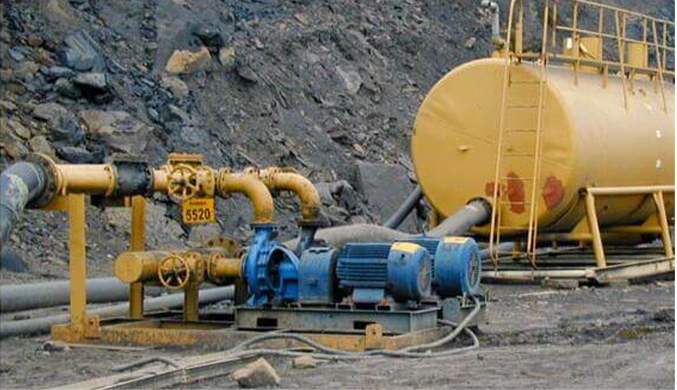
Potable water pumps are essential components in the distribution of safe drinking water, forming a critical link between water sources and end-users. These pumps, encompassing centrifugal, positive displacement, and submersible varieties, are specifically engineered to handle water destined for human consumption. Their selection and performance are dictated not merely by flow rate and pressure requirements, but also by stringent material compatibility standards and disinfection byproduct regulations. Within the industry chain, potable water pumps represent a mid-stream component following water treatment and preceding distribution networks. Core performance metrics include flow rate (GPM or LPM), total dynamic head (TDH), pump efficiency, and adherence to relevant potable water safety standards. The key challenge facing the industry is balancing energy efficiency with the need for robust, corrosion-resistant materials that prevent leaching of contaminants into the water supply. The increasing focus on sustainable water management also drives demand for pumps with variable frequency drives (VFDs) and smart monitoring capabilities.
Material Science & Manufacturing
The core materials in potable water pump construction are selected for their resistance to corrosion, leaching, and biological growth. Pump housings are frequently manufactured from cast iron (ASTM A48 Class 30B) with an epoxy coating certified to NSF/ANSI 61, or alternatively from stainless steel (304L or 316L) for enhanced durability and corrosion resistance. Impellers, which are subjected to significant erosive forces, often utilize materials such as reinforced polypropylene, bronze (ASTM B148 C694), or specialized stainless steel alloys. Shaft seals are a critical component, commonly employing elastomers like EPDM or Viton, chosen for their chemical compatibility with chlorinated water and minimal leaching potential. Manufacturing processes vary based on pump type. Centrifugal pumps involve investment casting or sand casting for the housing, followed by precision machining of the impeller. Positive displacement pumps require tighter tolerances and often involve CNC machining of internal components. Submersible pumps require encapsulation of the motor and pump assembly in a hermetically sealed housing. Key parameter control during manufacturing focuses on surface finish (Ra < 0.8 µm for wetted surfaces to minimize biofilm formation), weld quality (full penetration welds with radiographic inspection), and coating thickness (verified through non-destructive testing). The integrity of the epoxy coating is paramount, necessitating thorough adhesion testing and holiday detection.
Performance & Engineering
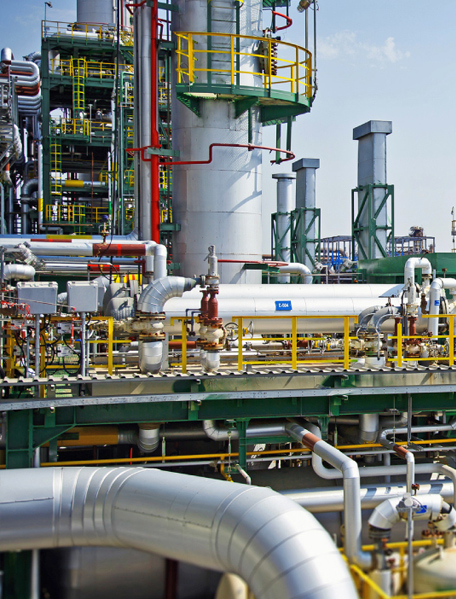
Performance of potable water pumps is governed by hydraulic principles, specifically Bernoulli's equation and the affinity laws. Force analysis focuses on radial and axial thrust loads on the impeller shaft, requiring appropriate bearing selection (deep groove ball bearings or angular contact ball bearings) and shaft design to prevent deflection and premature failure. Environmental resistance is critical; pumps must withstand hydrostatic pressure, temperature fluctuations, and potential exposure to aggressive water chemistries (e.g., high chloride levels). Compliance requirements are extensive. NSF/ANSI 61 certification ensures that all materials in contact with potable water meet stringent leaching standards. AWWA C504 standards govern the performance testing and hydraulic characteristics of centrifugal pumps for waterworks. Pumps intended for seismic zones must be designed and anchored according to applicable building codes (e.g., IBC). Functional implementation includes system head calculations, pump curve analysis, and selection of appropriate motor horsepower based on system requirements. Variable Frequency Drives (VFDs) are increasingly utilized to optimize energy consumption by adjusting pump speed to match demand. Proper pump staging and piping configuration minimize cavitation and ensure efficient operation.
Technical Specifications
| Parameter | Centrifugal Pump | Positive Displacement Pump (Diaphragm) | Submersible Pump |
|---|---|---|---|
| Flow Rate (GPM) | 50-5000 | 1-100 | 25-2000 |
| Total Dynamic Head (ft) | 50-500 | 20-200 | 10-300 |
| Pump Efficiency (%) | 65-85 | 50-70 | 60-80 |
| Maximum Operating Pressure (psi) | 250 | 150 | 300 |
| Wetted Materials | Cast Iron (Epoxy Coated), Stainless Steel 304/316 | Polypropylene, Stainless Steel 316 | Stainless Steel 304/316, Polypropylene |
| Temperature Range (°F) | 33-200 | 33-175 | 33-185 |
Failure Mode & Maintenance
Common failure modes in potable water pumps include cavitation (leading to impeller erosion), corrosion (resulting in housing leaks and reduced performance), seal failure (causing leakage and potential contamination), bearing failure (due to insufficient lubrication or overload), and motor burnout (caused by overheating or voltage fluctuations). Cavitation is often a result of insufficient Net Positive Suction Head Available (NPSHA). Corrosion can be accelerated by aggressive water chemistry, particularly the presence of chlorides or dissolved oxygen. Seal failure is frequently linked to improper seal selection or abrasive particles in the water. Failure analysis typically involves visual inspection, non-destructive testing (e.g., ultrasonic testing for corrosion), and metallurgical analysis of failed components. Preventative maintenance is critical. Routine maintenance tasks include lubrication of bearings, inspection and replacement of seals, cleaning of impellers, and monitoring of motor voltage and current. Regular water quality testing can help identify corrosive elements and allow for proactive corrosion mitigation strategies. For submersible pumps, periodic inspection of the cable and seal is essential. A comprehensive maintenance program, incorporating vibration analysis and thermography, can detect potential problems before they lead to catastrophic failure. Proper storage during periods of inactivity is also crucial to prevent corrosion and seal degradation.
Industry FAQ
Q: What is the significance of NSF/ANSI 61 certification for potable water pumps?
A: NSF/ANSI 61 certification validates that all materials in contact with the potable water meet stringent health effects criteria. It ensures that no harmful contaminants leach from the pump components into the water supply, protecting public health. It is a non-negotiable requirement for most municipal and commercial potable water applications.
Q: How does the choice of impeller material impact pump performance and longevity?
A: Impeller material directly influences resistance to erosion, corrosion, and abrasion. Bronze impellers offer good corrosion resistance but are susceptible to erosion in high-velocity applications. Stainless steel provides excellent corrosion resistance and durability but can be more expensive. Reinforced polypropylene is a lightweight and cost-effective option, suitable for less demanding applications.
Q: What are the key considerations when selecting a pump for a variable flow rate application?
A: A Variable Frequency Drive (VFD) is highly recommended for variable flow applications. The pump curve should be carefully analyzed to ensure efficient operation across the desired flow range. Pump size should be optimized to avoid operating at extremely low or high flow rates for extended periods. Consider a pump with a wider performance curve for greater flexibility.
Q: What preventative maintenance procedures are crucial for submersible pumps?
A: Regular inspection of the power cable for damage is paramount. Checking the seal integrity and ensuring proper lubrication of the motor are also critical. Monitoring the pump's performance (flow rate, pressure, current draw) can detect early signs of deterioration. Periodic removal and inspection of the pump unit allows for a thorough assessment of its condition.
Q: What are the implications of operating a pump outside of its recommended NPSH range?
A: Operating a pump with insufficient NPSHA can lead to cavitation, resulting in impeller erosion, noise, and reduced pump efficiency. Prolonged cavitation can cause significant damage and ultimately lead to pump failure. System design must ensure adequate NPSHA is available, considering factors like suction pipe length, elevation changes, and water temperature.
Conclusion
Potable water pump selection and maintenance represent a complex interplay of hydraulic engineering, material science, and regulatory compliance. Achieving optimal performance, longevity, and protection of public health requires a thorough understanding of pump characteristics, system requirements, and potential failure modes. The increasing emphasis on energy efficiency and sustainable water management is driving innovation in pump design, particularly in the area of VFD control and smart monitoring systems.
Looking ahead, advancements in materials science will likely yield even more corrosion-resistant and biofouling-resistant pump components. Furthermore, the integration of predictive maintenance technologies, leveraging data analytics and machine learning, will enable proactive identification of potential failures, minimizing downtime and optimizing life-cycle costs. Continued adherence to evolving industry standards and best practices is essential for ensuring the safe and reliable delivery of potable water.
-
Precision at the Pump: How Better Machining Protects Flow and Uptime
News2026-11-20
-
Why Pump Reliability Begins Before the First Drop of Fluid
News2026-11-20
-
Beyond the Pump: Designing Safer Access Around Critical Water Infrastructure
News2026-11-20
-
Why Pumping Stations Depend on the Infrastructure Beneath the Pumps
News2026-11-20
-
Beyond the Pump Room: How Smarter Loading Protects Industrial Equipment
News2026-11-19
-
When Pumps Stop: Designing More Resilient Power for Critical Pumping Systems
News2026-11-19
-
The Hidden Role of Dust and Gas Monitoring in Reliable Pump Operations
News2026-11-19
-
The Hidden Role of Mineral Compounds in Extending Industrial Pump Lifespan
News2026-10-12
-
Why Pump System Reliability Depends on Precision Hose Assembly Methods
News2026-09-15
-
How Advanced Imaging Films Are Transforming Pump Component Quality Control
News2026-08-25
-
How Advanced Filtration Protects Pump Systems from Premature Wear and Costly Downtime
News2026-08-25
-
How Steel Material Selection Drives Pump Reliability in Heavy-Duty Systems
News2026-08-25
-
Ensuring Pump System Efficiency: The Role of High-Quality Pipe Fittings and Tubing
News2026-08-24
-
Optimizing Fluid Dynamics and Material Consistency in Industrial Processing
News2026-08-18
-
Innovations and Challenges in Hydraulic Systems for Heavy Machinery
News2026-08-13




