English
- Afrikaans
- Albanian
- Amharic
- Arabic
- Armenian
- Azerbaijani
- Basque
- Belarusian
- Bengali
- Bosnian
- Bulgarian
- Catalan
- Cebuano
- Corsican
- Croatian
- Czech
- Danish
- Dutch
- English
- Esperanto
- Estonian
- Finnish
- French
- Frisian
- Galician
- Georgian
- German
- Greek
- Gujarati
- Haitian Creole
- hausa
- hawaiian
- Hebrew
- Hindi
- Miao
- Hungarian
- Icelandic
- igbo
- Indonesian
- irish
- Italian
- Japanese
- Javanese
- Kannada
- kazakh
- Khmer
- Rwandese
- Korean
- Kurdish
- Kyrgyz
- Lao
- Latin
- Latvian
- Lithuanian
- Luxembourgish
- Macedonian
- Malgashi
- Malay
- Malayalam
- Maltese
- Maori
- Marathi
- Mongolian
- Myanmar
- Nepali
- Norwegian
- Norwegian
- Occitan
- Pashto
- Persian
- Polish
- Portuguese
- Punjabi
- Romanian
- Russian
- Samoan
- Scottish Gaelic
- Serbian
- Sesotho
- Shona
- Sindhi
- Sinhala
- Slovak
- Slovenian
- Somali
- Spanish
- Sundanese
- Swahili
- Swedish
- Tagalog
- Tajik
- Tamil
- Tatar
- Telugu
- Thai
- Turkish
- Turkmen
- Ukrainian
- Urdu
- Uighur
- Uzbek
- Vietnamese
- Welsh
- Bantu
- Yiddish
- Yoruba
- Zulu

Telephone: +86 13120555503
Email: frank@cypump.com


Apr . 01, 2024 17:55 Back to list
water pump for drinking water Material Science Performance
Introduction
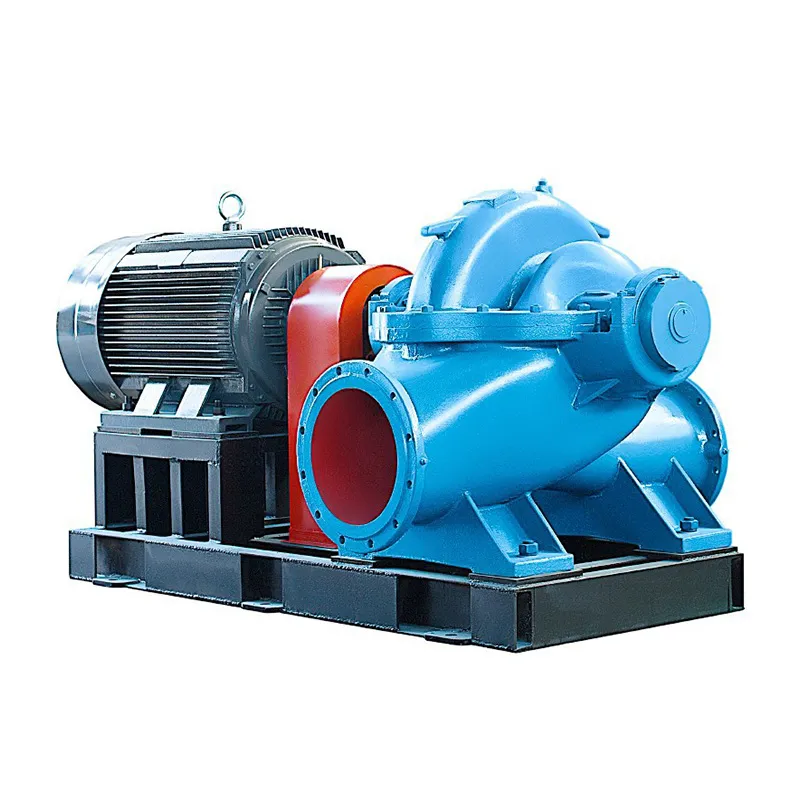
Water pumps for drinking water are critical components in potable water distribution systems, providing the necessary pressure and flow to deliver clean water from source to consumer. Unlike pumps used for irrigation or industrial processes, these pumps must adhere to stringent material compatibility and hygiene standards to prevent contamination and ensure public health. The core function is to overcome hydraulic head losses in the piping network, providing consistent delivery regardless of demand fluctuations or elevation changes. This guide will detail the material science, manufacturing processes, performance characteristics, failure modes, and maintenance procedures associated with drinking water pumps, focusing on centrifugal and positive displacement types commonly employed in these applications. A key performance indicator is consistently maintaining water quality, measured by the absence of leaching from pump components and adherence to disinfection by-product regulations.
Material Science & Manufacturing
The selection of materials for drinking water pumps is paramount, dictated by regulations such as NSF/ANSI 61 and WRAS. Commonly used materials include stainless steel (304, 316, and duplex grades), ductile iron with epoxy coatings, and engineered plastics like polypropylene (PP) and polyvinylidene fluoride (PVDF). Stainless steel provides excellent corrosion resistance and mechanical strength but can be susceptible to pitting corrosion in chloride-rich waters. Ductile iron offers cost-effectiveness and high tensile strength, but requires a robust epoxy coating to prevent rust and leaching. Engineered plastics are inherently corrosion resistant and lightweight, though their temperature and pressure limitations must be considered.
Manufacturing processes vary depending on pump type and component. Pump housings are often manufactured using sand casting (for ductile iron) or investment casting (for stainless steel), followed by machining to achieve precise tolerances. Impellers, particularly for centrifugal pumps, are typically produced via centrifugal casting or forging. Shafts are machined from high-strength alloy steel and undergo rigorous quality control, including non-destructive testing (NDT) such as magnetic particle inspection and ultrasonic testing. Seals, crucial for preventing leakage, are manufactured using elastomers like Viton or EPDM, selected for their chemical compatibility with potable water and disinfectant residuals. Welding, when employed, must be performed by certified welders using appropriate techniques (TIG, MIG) and filler materials to minimize corrosion risk. Surface finishing, such as electropolishing for stainless steel, is critical to reduce surface roughness and enhance corrosion resistance and cleanability.
Performance & Engineering
Pump performance is characterized by flow rate (gallons per minute or cubic meters per hour), head (feet or meters of water column), and efficiency. Centrifugal pumps excel in high-flow, low-to-medium head applications, while positive displacement pumps (e.g., diaphragm or peristaltic pumps) are better suited for low-flow, high-head applications or when precise dosing is required. Force analysis involves calculating the stresses on pump components due to fluid pressure, impeller loading, and mechanical forces. Finite element analysis (FEA) is commonly used to optimize pump designs and predict stress concentrations. Environmental resistance is crucial, particularly for pumps installed outdoors or in corrosive environments. Materials must withstand temperature fluctuations, UV exposure, and potential chemical attack. Compliance requirements are extensive, including NSF/ANSI 61 certification for materials in contact with potable water, adherence to local plumbing codes, and compliance with energy efficiency standards (e.g., Department of Energy regulations in the US). Hydraulic Institute standards provide guidelines for pump testing and performance evaluation. Cavitation, a common issue in centrifugal pumps, must be prevented through proper suction lift and impeller design. Proper pump selection and system design are critical to minimize noise and vibration.
Technical Specifications
| Parameter | Centrifugal Pump (Typical) | Diaphragm Pump (Typical) | Submersible Pump (Typical) |
|---|---|---|---|
| Flow Rate (GPM) | 50-500 | 1-50 | 25-200 |
| Head (ft) | 50-200 | Up to 150 | 100-400 |
| Power (HP) | 5-50 | 0.5-5 | 1-10 |
| Material (Housing) | Ductile Iron/Stainless Steel | PP/PVDF | Stainless Steel |
| Material (Impeller) | Stainless Steel/Bronze | N/A (Diaphragm) | Stainless Steel |
| Max. Operating Temp (°F) | 140 | 212 | 176 |
Failure Mode & Maintenance
Common failure modes for drinking water pumps include seal failure (leading to leakage), impeller damage (due to corrosion, erosion, or cavitation), bearing failure (due to lack of lubrication or contamination), and motor failure (due to overload or electrical issues). Fatigue cracking can occur in pump housings and impellers due to cyclic loading. Delamination of epoxy coatings on ductile iron pumps can expose the underlying metal to corrosion. Degradation of elastomers in seals can lead to leakage and loss of efficiency. Oxidation of metal components can occur, particularly in pumps exposed to oxygenated water.
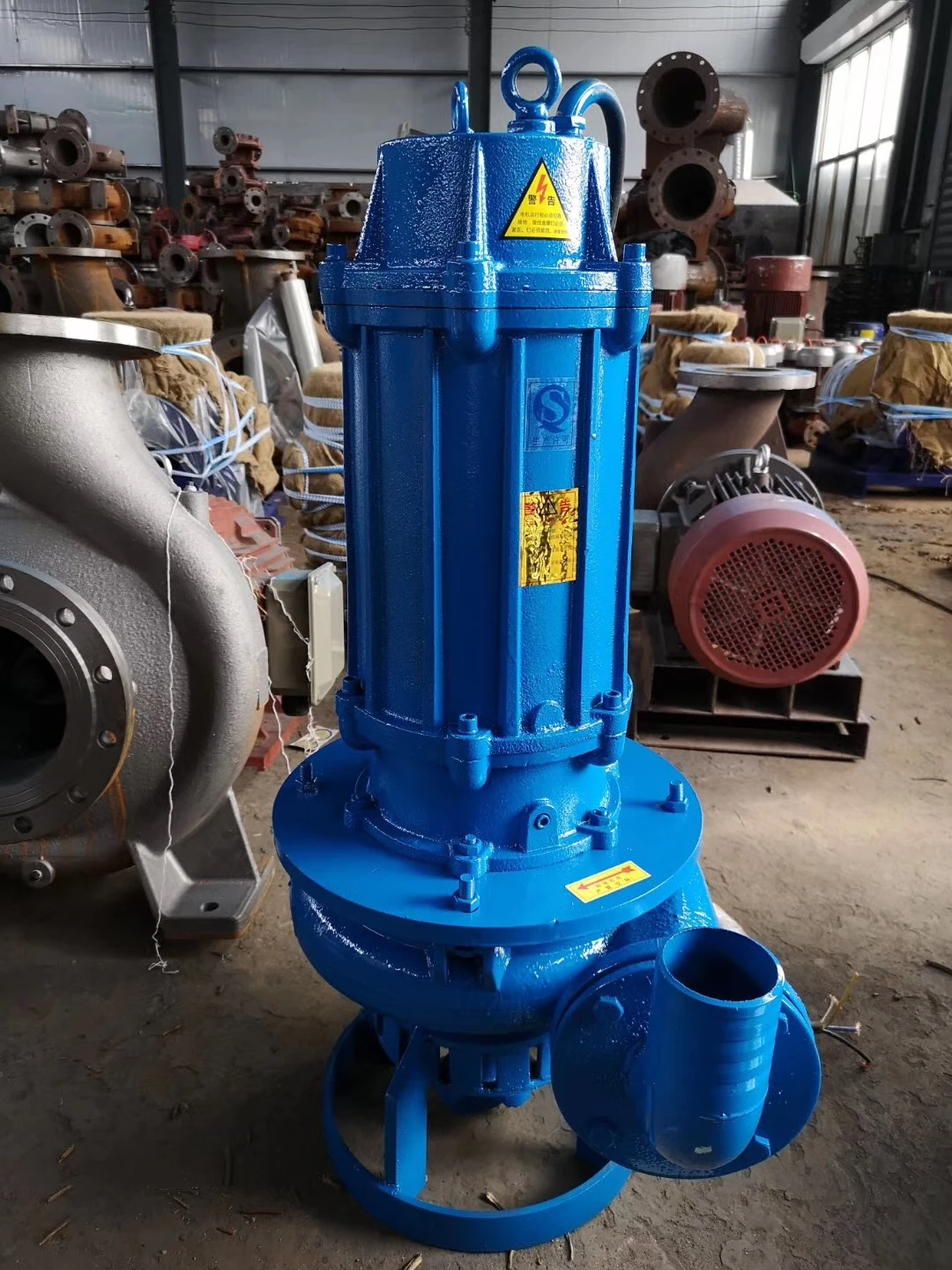
Preventative maintenance is crucial to extend pump lifespan and minimize downtime. Regular inspection of seals, bearings, and impellers is recommended. Lubrication of bearings should be performed according to manufacturer’s specifications. Monitoring vibration levels can detect early signs of imbalance or bearing wear. Flushing the pump periodically can remove sediment and debris. Regularly testing water quality downstream of the pump can detect potential contamination. For diaphragm pumps, diaphragm replacement is a key maintenance task. For submersible pumps, checking the power cable and seals is critical. When replacing components, always use certified parts that meet NSF/ANSI 61 standards.
Industry FAQ
Q: What is the significance of NSF/ANSI 61 certification for drinking water pump components?
A: NSF/ANSI 61 certification ensures that materials in contact with potable water do not leach harmful levels of contaminants into the water supply. This is a critical requirement for protecting public health and complying with regulations. It involves rigorous testing of materials to assess their potential to leach lead, copper, and other undesirable substances.
Q: How can I prevent cavitation in a centrifugal drinking water pump?
A: Cavitation occurs when the absolute pressure at the pump inlet drops below the vapor pressure of the water, forming vapor bubbles that collapse violently, damaging the impeller. To prevent cavitation, ensure sufficient net positive suction head available (NPSHa) by minimizing suction lift, increasing inlet pressure, and reducing fluid temperature. Proper impeller design also plays a role.
Q: What are the advantages of using a diaphragm pump for chemical dosing in a water treatment plant?
A: Diaphragm pumps offer several advantages for chemical dosing, including self-priming capabilities, accurate flow control, and resistance to corrosive chemicals. They are also leak-free, minimizing the risk of chemical spills and ensuring worker safety. Their ability to handle viscous fluids is also beneficial.
Q: What type of maintenance schedule is recommended for a submersible drinking water pump?
A: A typical maintenance schedule for a submersible pump includes quarterly inspections of the power cable and seals for damage, annual cleaning of the pump intake, and periodic monitoring of pump performance parameters (flow rate, pressure, power consumption). Regular water quality testing is also recommended.
Q: How does the material selection impact the long-term cost of ownership of a drinking water pump?
A: Material selection significantly impacts long-term costs. While initial cost may be lower for some materials, those susceptible to corrosion or erosion will require more frequent repairs or replacements, leading to higher lifecycle costs. Investing in higher-quality materials with superior corrosion resistance, such as stainless steel or engineered plastics, can result in lower maintenance costs and extended pump lifespan.
Conclusion
The selection, operation, and maintenance of water pumps for drinking water demand a comprehensive understanding of material science, hydraulic principles, and regulatory compliance. Ensuring water quality and protecting public health are paramount considerations, dictating the use of certified materials and adherence to rigorous maintenance protocols. Proper pump sizing, system design, and preventative maintenance are crucial for maximizing pump lifespan, minimizing downtime, and optimizing overall system efficiency.
Looking forward, advancements in pump technology, such as variable frequency drives (VFDs) and smart monitoring systems, offer opportunities to further enhance pump performance and reduce energy consumption. Continued research into corrosion-resistant materials and advanced coating technologies will also play a key role in extending pump lifespan and reducing lifecycle costs. Regular training for operators and maintenance personnel is essential to ensure best practices are followed and potential issues are addressed promptly.
-
Precision at the Pump: How Better Machining Protects Flow and Uptime
News2026-11-20
-
Why Pump Reliability Begins Before the First Drop of Fluid
News2026-11-20
-
Beyond the Pump: Designing Safer Access Around Critical Water Infrastructure
News2026-11-20
-
Why Pumping Stations Depend on the Infrastructure Beneath the Pumps
News2026-11-20
-
Beyond the Pump Room: How Smarter Loading Protects Industrial Equipment
News2026-11-19
-
When Pumps Stop: Designing More Resilient Power for Critical Pumping Systems
News2026-11-19
-
The Hidden Role of Dust and Gas Monitoring in Reliable Pump Operations
News2026-11-19
-
The Hidden Role of Mineral Compounds in Extending Industrial Pump Lifespan
News2026-10-12
-
Why Pump System Reliability Depends on Precision Hose Assembly Methods
News2026-09-15
-
How Advanced Imaging Films Are Transforming Pump Component Quality Control
News2026-08-25
-
How Advanced Filtration Protects Pump Systems from Premature Wear and Costly Downtime
News2026-08-25
-
How Steel Material Selection Drives Pump Reliability in Heavy-Duty Systems
News2026-08-25
-
Ensuring Pump System Efficiency: The Role of High-Quality Pipe Fittings and Tubing
News2026-08-24
-
Optimizing Fluid Dynamics and Material Consistency in Industrial Processing
News2026-08-18
-
Innovations and Challenges in Hydraulic Systems for Heavy Machinery
News2026-08-13




