English
- Afrikaans
- Albanian
- Amharic
- Arabic
- Armenian
- Azerbaijani
- Basque
- Belarusian
- Bengali
- Bosnian
- Bulgarian
- Catalan
- Cebuano
- Corsican
- Croatian
- Czech
- Danish
- Dutch
- English
- Esperanto
- Estonian
- Finnish
- French
- Frisian
- Galician
- Georgian
- German
- Greek
- Gujarati
- Haitian Creole
- hausa
- hawaiian
- Hebrew
- Hindi
- Miao
- Hungarian
- Icelandic
- igbo
- Indonesian
- irish
- Italian
- Japanese
- Javanese
- Kannada
- kazakh
- Khmer
- Rwandese
- Korean
- Kurdish
- Kyrgyz
- Lao
- Latin
- Latvian
- Lithuanian
- Luxembourgish
- Macedonian
- Malgashi
- Malay
- Malayalam
- Maltese
- Maori
- Marathi
- Mongolian
- Myanmar
- Nepali
- Norwegian
- Norwegian
- Occitan
- Pashto
- Persian
- Polish
- Portuguese
- Punjabi
- Romanian
- Russian
- Samoan
- Scottish Gaelic
- Serbian
- Sesotho
- Shona
- Sindhi
- Sinhala
- Slovak
- Slovenian
- Somali
- Spanish
- Sundanese
- Swahili
- Swedish
- Tagalog
- Tajik
- Tamil
- Tatar
- Telugu
- Thai
- Turkish
- Turkmen
- Ukrainian
- Urdu
- Uighur
- Uzbek
- Vietnamese
- Welsh
- Bantu
- Yiddish
- Yoruba
- Zulu

Telephone: +86 13120555503
Email: frank@cypump.com


Apr . 01, 2024 17:55 Back to list
warman vertical slurry pump Material Science Manufacturing
Introduction
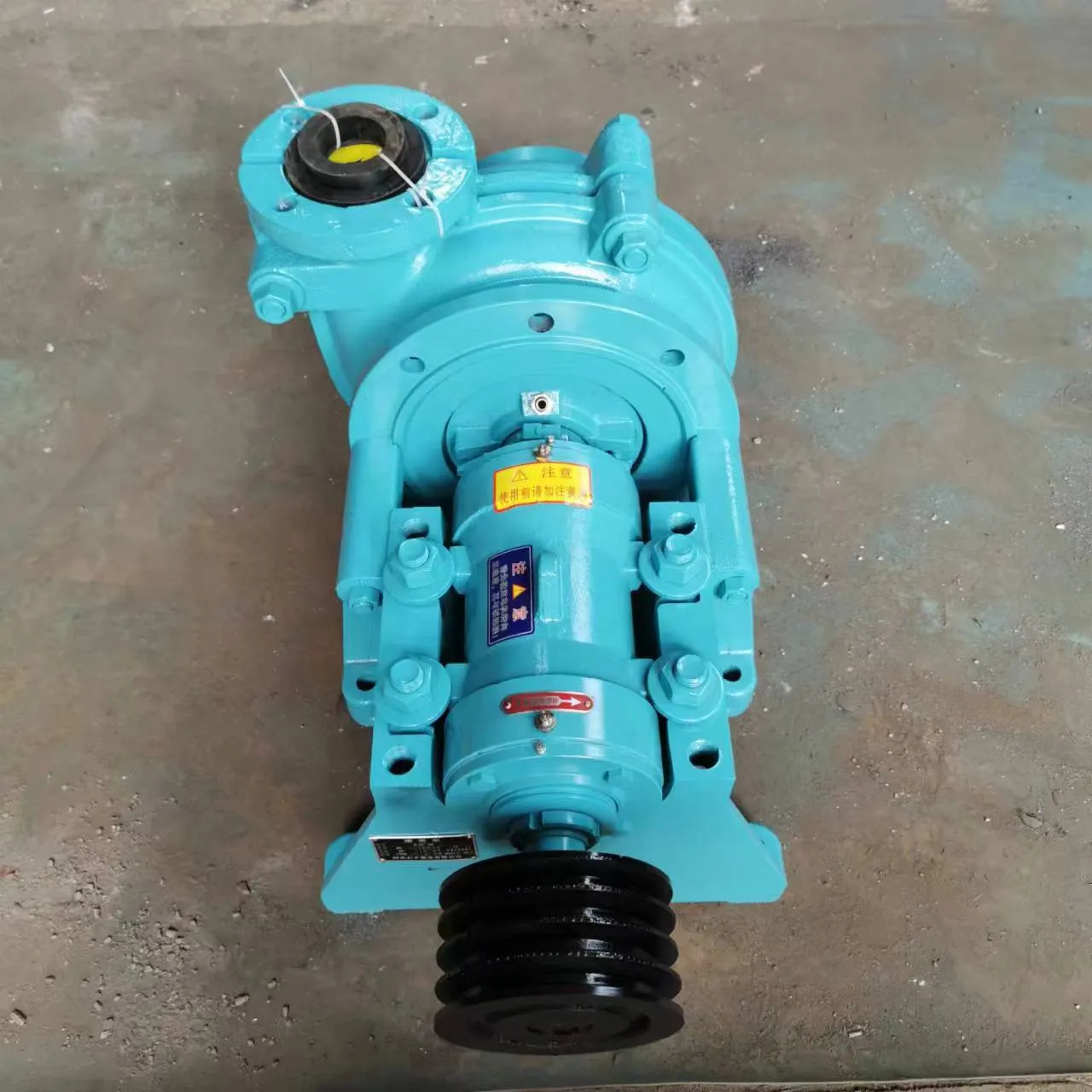
The Warman vertical slurry pump is a critical component in numerous industrial processes involving the transportation of abrasive or erosive fluids. Positioned within the materials handling chain, these pumps are utilized for applications ranging from mining and mineral processing to wastewater treatment and chemical processing. Unlike traditional horizontal pumps, the vertical configuration minimizes footprint and eliminates the need for subsurface priming, facilitating installation in sumps or pits. Core performance characteristics center around high head capability, large solids handling capacity, and resistance to wear – crucial factors impacting operational efficiency and longevity in demanding environments. The pump’s design directly addresses the primary industry pain point of minimizing downtime due to pump failure and maintaining consistent process flow despite highly abrasive fluid constituents.
Material Science & Manufacturing
The construction of a Warman vertical slurry pump necessitates materials capable of withstanding aggressive wear and corrosion. The most common materials include high-chrome cast iron (typically 27% Cr), offering excellent abrasion resistance due to the formation of hard chromium carbides. For severely abrasive applications or corrosive environments, duplex stainless steels (e.g., 2205, 2507) and high-silicon cast irons are employed. Elastomer linings (natural rubber, synthetic rubber, polyurethane) are often incorporated into the volute and impeller to provide further protection against erosion and impact.
Manufacturing processes are complex and tightly controlled. Impellers are typically cast using precision sand casting techniques, followed by heat treatment to optimize hardness and toughness. Volute casings are similarly cast, often with integral wear plates. Shaft sleeves and pump liners are often manufactured from separate wear-resistant materials and pressed or shrink-fitted into the pump housing. Critical parameters during manufacturing include ensuring proper alloy composition, controlling cooling rates during casting to prevent cracking, and maintaining tight tolerances on impeller geometry to optimize hydraulic performance. Welding, when employed (e.g., for repairs or modifications), requires specialized procedures using appropriate filler metals to preserve corrosion resistance and structural integrity. Non-destructive testing (NDT) methods, such as radiography and ultrasonic testing, are routinely used to verify weld quality and detect internal flaws.
Performance & Engineering
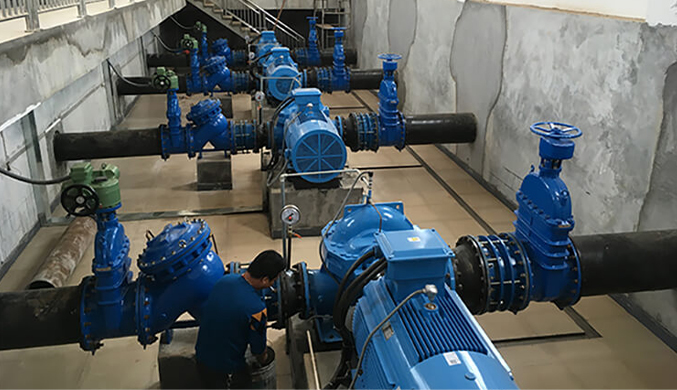
The performance of a Warman vertical slurry pump is governed by a complex interplay of hydraulic forces, material properties, and operating conditions. Force analysis focuses on stresses induced by fluid pressure, impeller dynamics, and external loads. The pump’s hydraulic design aims to minimize turbulence and energy losses, maximizing efficiency and reducing wear. Key engineering considerations include pump head, flow rate, power requirements, and net positive suction head (NPSH) available. The impeller design – specifically its vane angle and width – is critical in determining the pump’s head-capacity curve and solids handling capability. Vertical pumps are subject to axial thrust, which must be effectively managed through bearing design and thrust balancing mechanisms. Environmental resistance is paramount; pumps operating in cold climates require materials that maintain ductility at low temperatures. Compliance requirements mandate adherence to safety standards (e.g., explosion-proof construction for flammable fluids) and environmental regulations (e.g., containment of hazardous materials).
Finite element analysis (FEA) is extensively used to simulate stress distributions within pump components and optimize designs for durability. Computational fluid dynamics (CFD) is employed to analyze flow patterns and identify areas prone to erosion or cavitation. Pump selection involves careful consideration of the slurry’s characteristics – particle size distribution, solids concentration, and specific gravity – to ensure compatibility and optimal performance.
Technical Specifications
| Parameter | Unit | Typical Value (Range) | Notes |
|---|---|---|---|
| Flow Rate | m³/hr | 50 – 5000 | Dependent on impeller diameter and pump speed. |
| Head | m | 10 – 150 | Determined by impeller design and fluid properties. |
| Solids Handling Size | mm | Up to 100 | Dependent on impeller clearance and pump configuration. |
| Slurry Concentration | % by weight | Up to 70 | Higher concentrations require robust impeller and liner designs. |
| Pump Speed | RPM | 300 – 1800 | Variable frequency drives (VFDs) allow for speed control. |
| Power | kW | 2.2 – 300 | Dependent on flow rate, head, and pump efficiency. |
Failure Mode & Maintenance
Warman vertical slurry pumps are susceptible to several failure modes. Fatigue cracking in the impeller and volute casing can occur due to cyclic loading and stress concentrations. Erosion of the impeller, volute liner, and shaft sleeves is a common issue, especially when handling highly abrasive slurries. Corrosion, particularly in acidic or alkaline environments, can lead to material degradation and component failure. Cavitation, caused by low NPSH available, can erode impeller vanes and reduce pump performance. Bearing failure can result from inadequate lubrication, excessive loads, or contamination. Mechanical seal failure can lead to leakage and pump downtime.
Preventative maintenance is critical for maximizing pump life. Regular inspections should include visual checks for wear, vibration analysis to detect bearing issues, and performance monitoring to track changes in head and flow rate. Liner replacement is a routine maintenance task, particularly in abrasive applications. Shaft sleeves can be replaced or re-sleeved to restore pump performance. Proper lubrication of bearings is essential. Mechanical seals should be inspected and replaced as needed. Periodic flushing of the pump casing removes accumulated solids and prevents blockages. Implementing a robust predictive maintenance program, utilizing sensors and data analytics, can further optimize maintenance schedules and minimize unplanned downtime.
Industry FAQ
Q: What is the primary difference between a Warman vertical pump and a horizontal slurry pump in terms of application suitability?
A: Vertical pumps excel in situations where space is limited or the suction lift is significant. Horizontal pumps are generally more suitable for lower lift applications and offer easier access for maintenance. Vertical pumps eliminate the need for priming and are ideal for installations in sumps or pits.
Q: How does the impeller material selection impact the overall life of the pump when handling a specific slurry?
A: Impeller material directly dictates wear resistance. High-chrome cast iron offers good abrasion resistance for moderately abrasive slurries. Duplex stainless steels and high-silicon irons are required for severely abrasive or corrosive environments. Incorrect material selection will dramatically reduce pump life.
Q: What are the key indicators that a pump is experiencing cavitation, and what corrective actions should be taken?
A: Indicators include a rattling noise, reduced pump performance, and pitting on the impeller vanes. Corrective actions involve increasing the NPSH available, reducing the pump speed, or throttling the discharge valve to lower the suction pressure.
Q: How critical is proper bearing lubrication, and what types of lubricants are typically recommended for Warman vertical slurry pumps?
A: Proper lubrication is paramount to bearing life. Typically, lithium-based greases with extreme pressure (EP) additives are recommended. Lubrication schedules should be strictly adhered to, and the lubricant type should be consistent with the pump manufacturer's recommendations.
Q: What role do elastomer liners play in extending pump life, and what are the trade-offs between different elastomer materials?
A: Elastomer liners provide a sacrificial layer, protecting the metal pump casing from erosion and impact. Natural rubber is cost-effective for moderately abrasive slurries. Synthetic rubbers (e.g., EPDM) offer improved chemical resistance. Polyurethane provides excellent abrasion resistance but is less flexible. Material selection depends on the slurry composition and operating conditions.
Conclusion
The Warman vertical slurry pump remains a cornerstone of numerous industrial processes where reliable and robust fluid handling is essential. Its specialized design, coupled with careful material selection and adherence to rigorous manufacturing standards, ensures longevity and operational efficiency in the face of highly abrasive and corrosive environments. Understanding the nuances of pump performance, potential failure modes, and proactive maintenance strategies are critical for minimizing downtime and maximizing return on investment.
Future advancements in pump technology are likely to focus on enhanced materials, optimized hydraulic designs utilizing CFD, and the integration of smart sensors for predictive maintenance. The increasing emphasis on sustainability will also drive the development of more energy-efficient pump designs and strategies for reducing water consumption in slurry processing applications. Proper pump selection, installation, and ongoing maintenance will remain paramount to ensuring optimal performance and minimizing lifecycle costs.
-
Precision at the Pump: How Better Machining Protects Flow and Uptime
News2026-11-20
-
Why Pump Reliability Begins Before the First Drop of Fluid
News2026-11-20
-
Beyond the Pump: Designing Safer Access Around Critical Water Infrastructure
News2026-11-20
-
Why Pumping Stations Depend on the Infrastructure Beneath the Pumps
News2026-11-20
-
Beyond the Pump Room: How Smarter Loading Protects Industrial Equipment
News2026-11-19
-
When Pumps Stop: Designing More Resilient Power for Critical Pumping Systems
News2026-11-19
-
The Hidden Role of Dust and Gas Monitoring in Reliable Pump Operations
News2026-11-19
-
The Hidden Role of Mineral Compounds in Extending Industrial Pump Lifespan
News2026-10-12
-
Why Pump System Reliability Depends on Precision Hose Assembly Methods
News2026-09-15
-
How Advanced Imaging Films Are Transforming Pump Component Quality Control
News2026-08-25
-
How Advanced Filtration Protects Pump Systems from Premature Wear and Costly Downtime
News2026-08-25
-
How Steel Material Selection Drives Pump Reliability in Heavy-Duty Systems
News2026-08-25
-
Ensuring Pump System Efficiency: The Role of High-Quality Pipe Fittings and Tubing
News2026-08-24
-
Optimizing Fluid Dynamics and Material Consistency in Industrial Processing
News2026-08-18
-
Innovations and Challenges in Hydraulic Systems for Heavy Machinery
News2026-08-13




