English
- Afrikaans
- Albanian
- Amharic
- Arabic
- Armenian
- Azerbaijani
- Basque
- Belarusian
- Bengali
- Bosnian
- Bulgarian
- Catalan
- Cebuano
- Corsican
- Croatian
- Czech
- Danish
- Dutch
- English
- Esperanto
- Estonian
- Finnish
- French
- Frisian
- Galician
- Georgian
- German
- Greek
- Gujarati
- Haitian Creole
- hausa
- hawaiian
- Hebrew
- Hindi
- Miao
- Hungarian
- Icelandic
- igbo
- Indonesian
- irish
- Italian
- Japanese
- Javanese
- Kannada
- kazakh
- Khmer
- Rwandese
- Korean
- Kurdish
- Kyrgyz
- Lao
- Latin
- Latvian
- Lithuanian
- Luxembourgish
- Macedonian
- Malgashi
- Malay
- Malayalam
- Maltese
- Maori
- Marathi
- Mongolian
- Myanmar
- Nepali
- Norwegian
- Norwegian
- Occitan
- Pashto
- Persian
- Polish
- Portuguese
- Punjabi
- Romanian
- Russian
- Samoan
- Scottish Gaelic
- Serbian
- Sesotho
- Shona
- Sindhi
- Sinhala
- Slovak
- Slovenian
- Somali
- Spanish
- Sundanese
- Swahili
- Swedish
- Tagalog
- Tajik
- Tamil
- Tatar
- Telugu
- Thai
- Turkish
- Turkmen
- Ukrainian
- Urdu
- Uighur
- Uzbek
- Vietnamese
- Welsh
- Bantu
- Yiddish
- Yoruba
- Zulu

Telephone: +86 13120555503
Email: frank@cypump.com


Apr . 01, 2024 17:55 Back to list
vertical spindle slurry pump suppliers Performance Engineering
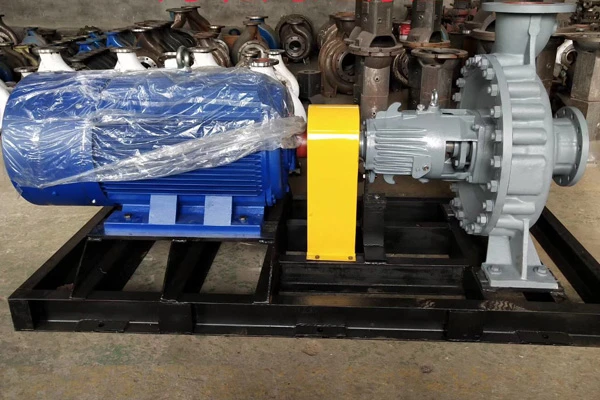
Introduction
Vertical spindle slurry pumps are centrifugal pumps specifically designed for handling abrasive, corrosive, and high-solids content fluids. Positioned as a critical component in numerous industrial processes including mining, wastewater treatment, chemical processing, and dredging, these pumps differ from traditional horizontal designs through their vertically oriented impeller shaft. This configuration minimizes the footprint, reduces shaft deflection under load, and eliminates the need for subsurface bearing support. Core performance characteristics are defined by flow rate (typically measured in GPM or m³/hr), head (in feet or meters), solids handling capability (expressed as maximum particle size and percentage by weight), and material of construction selected for specific fluid compatibility. The industry currently faces increasing demands for higher efficiency, extended operational life in harsh environments, and reduced Total Cost of Ownership (TCO) through optimized maintenance schedules and component durability. This guide details the material science, manufacturing processes, engineering considerations, potential failure modes, and maintenance practices associated with vertical spindle slurry pumps.
Material Science & Manufacturing
The performance and longevity of vertical spindle slurry pumps are heavily dependent on the materials utilized in their construction. Common wetted parts are manufactured from high-chrome cast iron (typically 27% Cr), offering excellent abrasion resistance, or various stainless steel alloys (304, 316, duplex stainless steel) for corrosion resistance. Pump casings are frequently constructed from ductile iron or carbon steel with protective coatings (epoxy, rubber lining) to resist corrosion and erosion. Impeller materials are selected based on the specific slurry composition; higher chrome content is used for highly abrasive slurries while specialized alloys are employed for corrosive environments. Shafts are generally forged from alloy steel, heat-treated for high tensile strength and fatigue resistance. Manufacturing processes involve several critical steps. Casting forms the basis for most pump housings and impellers, requiring precise mold design and controlled cooling rates to minimize residual stresses. Welding is used for joining components, requiring qualified welders and non-destructive testing (NDT) such as radiographic or ultrasonic inspection to ensure weld integrity. Machining is essential for achieving tight tolerances on impeller vanes, shaft diameters, and bearing surfaces. Critical parameter control during manufacturing includes chemical composition verification of alloys, hardness testing to confirm heat treatment effectiveness, dimensional inspections to ensure conformity to drawings, and hydrostatic testing to verify pressure tightness. Rubber lining application requires precise surface preparation and bonding procedures to ensure adherence and prevent delamination.
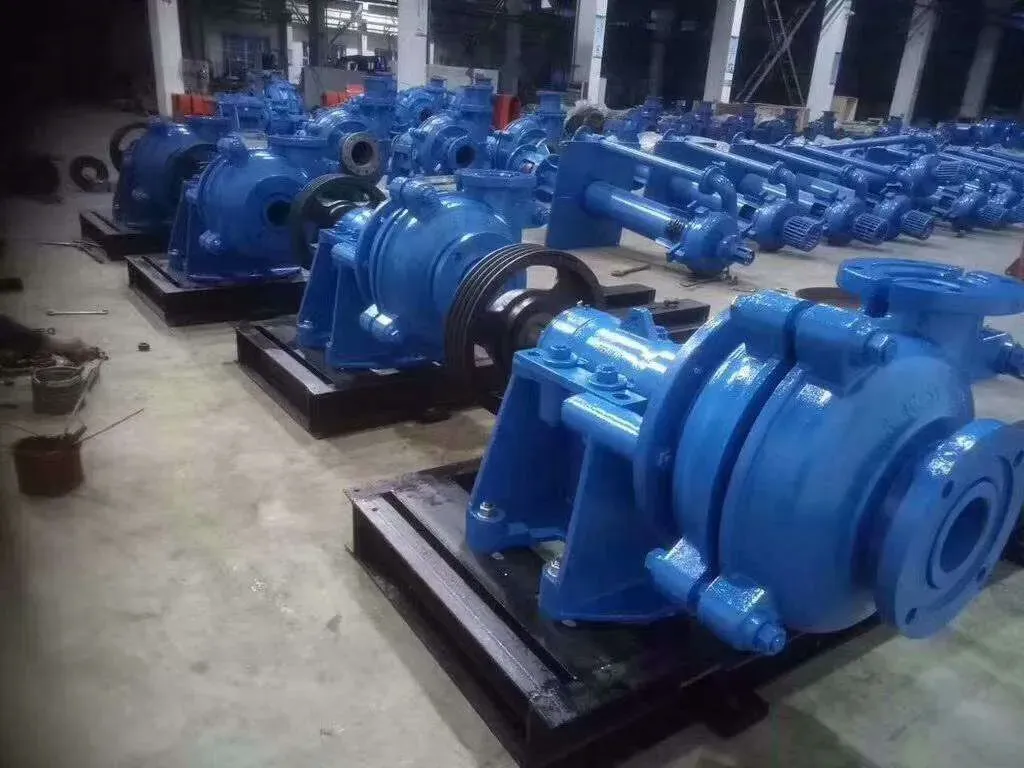
Performance & Engineering
Performance of vertical spindle slurry pumps is dictated by hydraulic design and mechanical engineering principles. Force analysis is crucial, particularly concerning radial loads on the impeller and shaft. Imbalance, solids buildup, and misalignment can induce significant stresses, leading to bearing failure or shaft deflection. Cavitation is a major concern, occurring when the pressure at the impeller inlet drops below the vapor pressure of the liquid, forming bubbles that collapse and erode the impeller material. Net Positive Suction Head Required (NPSHr) must be carefully calculated and compared to the Net Positive Suction Head Available (NPSHa) in the system to prevent cavitation. Environmental resistance is vital; pumps operating in corrosive environments require careful material selection and the application of protective coatings. Compliance requirements vary by region, but typically involve adherence to hydraulic performance standards (e.g., ANSI/HI standards), electrical safety standards (e.g., IEC or UL), and environmental regulations regarding emissions and waste disposal. The vertical spindle design itself presents engineering challenges related to bearing lubrication and sealing. Submerged bearings rely on the pumped fluid for lubrication, requiring adequate fluid viscosity and solids content to prevent overheating and wear. Mechanical seals are critical for preventing leakage and must be compatible with the fluid being pumped, considering factors such as abrasiveness, corrosiveness, and temperature. Finite Element Analysis (FEA) is routinely used to optimize impeller design, minimize stress concentrations, and predict pump performance under various operating conditions.
Technical Specifications
| Parameter | Unit | Typical Range (Chrome Iron) | Typical Range (Stainless Steel 316) |
|---|---|---|---|
| Flow Rate | GPM (m³/hr) | 50 – 5000 (190 – 18927) | 25 – 2000 (95 – 7571) |
| Head | ft (m) | 50 – 300 (15 – 91) | 20 – 150 (6 – 46) |
| Maximum Solids Size | in (mm) | Up to 3 (76) | Up to 2 (51) |
| Solids Concentration (by weight) | % | Up to 70 | Up to 60 |
| Operating Temperature | °F (°C) | -20 to 250 (-29 to 121) | -40 to 350 (-40 to 177) |
| Pump Material (Casing) | - | Ductile Iron, High Chrome Cast Iron | Stainless Steel 316 |
Failure Mode & Maintenance
Vertical spindle slurry pumps are susceptible to several failure modes. Abrasion is a primary cause, leading to impeller wear, liner erosion, and reduced pump efficiency. Corrosion can attack pump components, causing pitting, cracking, and eventual failure. Fatigue cracking can occur in the shaft, impeller, or casing due to cyclic loading and stress concentrations. Bearing failure is common, often resulting from inadequate lubrication, contamination, or excessive loads. Seal failure leads to leakage and potential damage to other components. Delamination of rubber linings can occur due to poor bonding or exposure to aggressive chemicals. Oxidation of metallic components can occur at high temperatures. Preventive maintenance is crucial. Regular inspections should include visual checks for wear, corrosion, and leakage. Bearing lubrication schedules must be strictly followed. Impeller and liner wear should be monitored and components replaced proactively. Seal integrity should be verified and seals replaced as needed. Alignment should be checked and corrected to minimize stress on the shaft and bearings. Periodic vibration analysis can detect early signs of bearing failure or imbalance. Detailed maintenance records should be maintained to track component life and identify recurring problems. When replacing components, using OEM or approved aftermarket parts is essential to ensure compatibility and performance.
Industry FAQ
Q: What are the key considerations when selecting a vertical spindle slurry pump for a highly abrasive application?
A: For highly abrasive applications, material selection is paramount. High-chrome cast iron is generally preferred for the impeller and casing due to its excellent abrasion resistance. Consider the particle size distribution and concentration of the solids being pumped; larger and more concentrated slurries require more robust materials and potentially larger pump sizes. Also, review the hardness of the abrasive particles as this dictates the wear rate.
Q: How does the vertical spindle design affect maintenance compared to horizontal slurry pumps?
A: Vertical spindle pumps generally require less floor space but can be more challenging to access for maintenance, particularly the submerged bearings and seals. Maintenance typically involves more lifting equipment. The submerged bearing design necessitates careful monitoring of fluid levels and solids content to ensure adequate lubrication. However, eliminating the need for subsurface bearing support simplifies some aspects of maintenance.
Q: What is NPSHr and why is it critical for vertical slurry pump operation?
A: NPSHr (Net Positive Suction Head Required) is the minimum pressure required at the pump inlet to prevent cavitation. Cavitation causes significant impeller damage and reduces pump efficiency. It's crucial to ensure that the NPSHa (Net Positive Suction Head Available) in the system is greater than the NPSHr of the pump. Factors like suction lift, fluid temperature, and flow rate affect NPSHa.
Q: What type of mechanical seal is best suited for handling abrasive slurries?
A: Double mechanical seals with a barrier fluid are often recommended for abrasive slurries. The barrier fluid provides lubrication and cooling to the seal faces, preventing abrasive particles from directly contacting and damaging them. Silicon carbide seal faces are frequently used due to their high hardness and wear resistance. Selecting the correct seal material compatibility with the fluid is essential.
Q: How can vibration analysis be used to diagnose problems in vertical spindle slurry pumps?
A: Vibration analysis can detect imbalances, misalignment, bearing wear, and cavitation. Increased vibration levels indicate a potential problem. Specific vibration frequencies can pinpoint the source of the issue. For example, a 1x vibration frequency often indicates imbalance, while a bearing defect will show up at characteristic frequencies related to the bearing's rotational speed.
Conclusion
Vertical spindle slurry pumps remain a vital technology for a diverse range of industries handling challenging fluid applications. Their compact design and ability to manage high solids concentrations make them indispensable in numerous processes. Careful consideration of material science, manufacturing quality, and engineering principles is critical for ensuring long-term reliability and performance. Understanding potential failure modes and implementing a robust preventive maintenance program is essential for minimizing downtime and maximizing return on investment.
Future developments are focused on improving pump efficiency through optimized hydraulic designs, exploring advanced materials with enhanced wear and corrosion resistance, and integrating smart monitoring systems for predictive maintenance. The move towards digitalization and remote monitoring will further enhance pump management and reduce operational costs, solidifying the position of vertical spindle slurry pumps as a core technology in industrial fluid handling.
-
Precision at the Pump: How Better Machining Protects Flow and Uptime
News2026-11-20
-
Why Pump Reliability Begins Before the First Drop of Fluid
News2026-11-20
-
Beyond the Pump: Designing Safer Access Around Critical Water Infrastructure
News2026-11-20
-
Why Pumping Stations Depend on the Infrastructure Beneath the Pumps
News2026-11-20
-
Beyond the Pump Room: How Smarter Loading Protects Industrial Equipment
News2026-11-19
-
When Pumps Stop: Designing More Resilient Power for Critical Pumping Systems
News2026-11-19
-
The Hidden Role of Dust and Gas Monitoring in Reliable Pump Operations
News2026-11-19
-
The Hidden Role of Mineral Compounds in Extending Industrial Pump Lifespan
News2026-10-12
-
Why Pump System Reliability Depends on Precision Hose Assembly Methods
News2026-09-15
-
How Advanced Imaging Films Are Transforming Pump Component Quality Control
News2026-08-25
-
How Advanced Filtration Protects Pump Systems from Premature Wear and Costly Downtime
News2026-08-25
-
How Steel Material Selection Drives Pump Reliability in Heavy-Duty Systems
News2026-08-25
-
Ensuring Pump System Efficiency: The Role of High-Quality Pipe Fittings and Tubing
News2026-08-24
-
Optimizing Fluid Dynamics and Material Consistency in Industrial Processing
News2026-08-18
-
Innovations and Challenges in Hydraulic Systems for Heavy Machinery
News2026-08-13




