English
- Afrikaans
- Albanian
- Amharic
- Arabic
- Armenian
- Azerbaijani
- Basque
- Belarusian
- Bengali
- Bosnian
- Bulgarian
- Catalan
- Cebuano
- Corsican
- Croatian
- Czech
- Danish
- Dutch
- English
- Esperanto
- Estonian
- Finnish
- French
- Frisian
- Galician
- Georgian
- German
- Greek
- Gujarati
- Haitian Creole
- hausa
- hawaiian
- Hebrew
- Hindi
- Miao
- Hungarian
- Icelandic
- igbo
- Indonesian
- irish
- Italian
- Japanese
- Javanese
- Kannada
- kazakh
- Khmer
- Rwandese
- Korean
- Kurdish
- Kyrgyz
- Lao
- Latin
- Latvian
- Lithuanian
- Luxembourgish
- Macedonian
- Malgashi
- Malay
- Malayalam
- Maltese
- Maori
- Marathi
- Mongolian
- Myanmar
- Nepali
- Norwegian
- Norwegian
- Occitan
- Pashto
- Persian
- Polish
- Portuguese
- Punjabi
- Romanian
- Russian
- Samoan
- Scottish Gaelic
- Serbian
- Sesotho
- Shona
- Sindhi
- Sinhala
- Slovak
- Slovenian
- Somali
- Spanish
- Sundanese
- Swahili
- Swedish
- Tagalog
- Tajik
- Tamil
- Tatar
- Telugu
- Thai
- Turkish
- Turkmen
- Ukrainian
- Urdu
- Uighur
- Uzbek
- Vietnamese
- Welsh
- Bantu
- Yiddish
- Yoruba
- Zulu

Telephone: +86 13120555503
Email: frank@cypump.com


Apr . 01, 2024 17:55 Back to list
vertical spindle slurry pump Performance Engineering
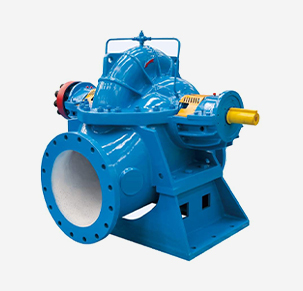
Introduction
Vertical spindle slurry pumps are a critical component in numerous industrial processes involving the transport of abrasive and corrosive fluids. These pumps, distinguished by their vertically oriented impeller shaft, are designed for submerged operation, eliminating the need for surface priming and offering advantages in applications where suction lift is problematic. Unlike traditional centrifugal pumps, vertical spindle designs are particularly well-suited for handling solids-laden slurries found in mining, wastewater treatment, chemical processing, and dredging. Their core performance characteristics – flow rate, head pressure, and solids handling capability – are dictated by impeller design, pump casing geometry, and material selection. The inherent design minimizes mechanical seal failure risk due to the positioning of the seal below the slurry level, contributing to reduced maintenance costs and increased operational uptime. The industry currently faces challenges with pump longevity in highly abrasive environments and the need for increased energy efficiency in slurry transport.
Material Science & Manufacturing
The performance and lifespan of a vertical spindle slurry pump are fundamentally linked to the materials used in its construction and the precision of the manufacturing process. Pump casings are typically constructed from high-chrome cast iron (typically 27% Cr) for exceptional abrasion resistance. The chemical composition must be tightly controlled to ensure the formation of hard carbides within the iron matrix, which are responsible for resisting wear. Impellers commonly utilize similar high-chrome alloys, but may also incorporate white iron alloys (containing a significant percentage of cemented carbides) for applications involving extreme abrasion. Shafts are typically forged from alloy steels like 4140 or 4340, heat-treated to achieve high tensile strength and torsional rigidity. Seals utilize materials like silicon carbide against silicon carbide or tungsten carbide against ceramic to provide resistance to wear and chemical attack.
Manufacturing processes vary depending on component complexity. Casings are generally produced via sand casting, followed by rigorous quality control including radiographic inspection for porosity and dimensional accuracy checks. Impellers may be cast or forged, and require precise machining of the impeller vanes to ensure optimized hydraulic performance. Shafts undergo forging, heat treatment, and precision grinding to achieve tight tolerances and surface finish. The critical alignment of the impeller shaft within the casing is achieved through precision machining of bearing housings and use of high-accuracy bearings (typically angular contact ball bearings or cylindrical roller bearings). Welding, where employed (e.g., for repairs or custom fabrication), requires qualified welders and adherence to strict welding procedures to maintain material integrity and prevent distortion. Key parameter control includes maintaining alloy composition within specified limits, achieving the correct heat treatment cycles, and ensuring proper surface preparation for coatings.
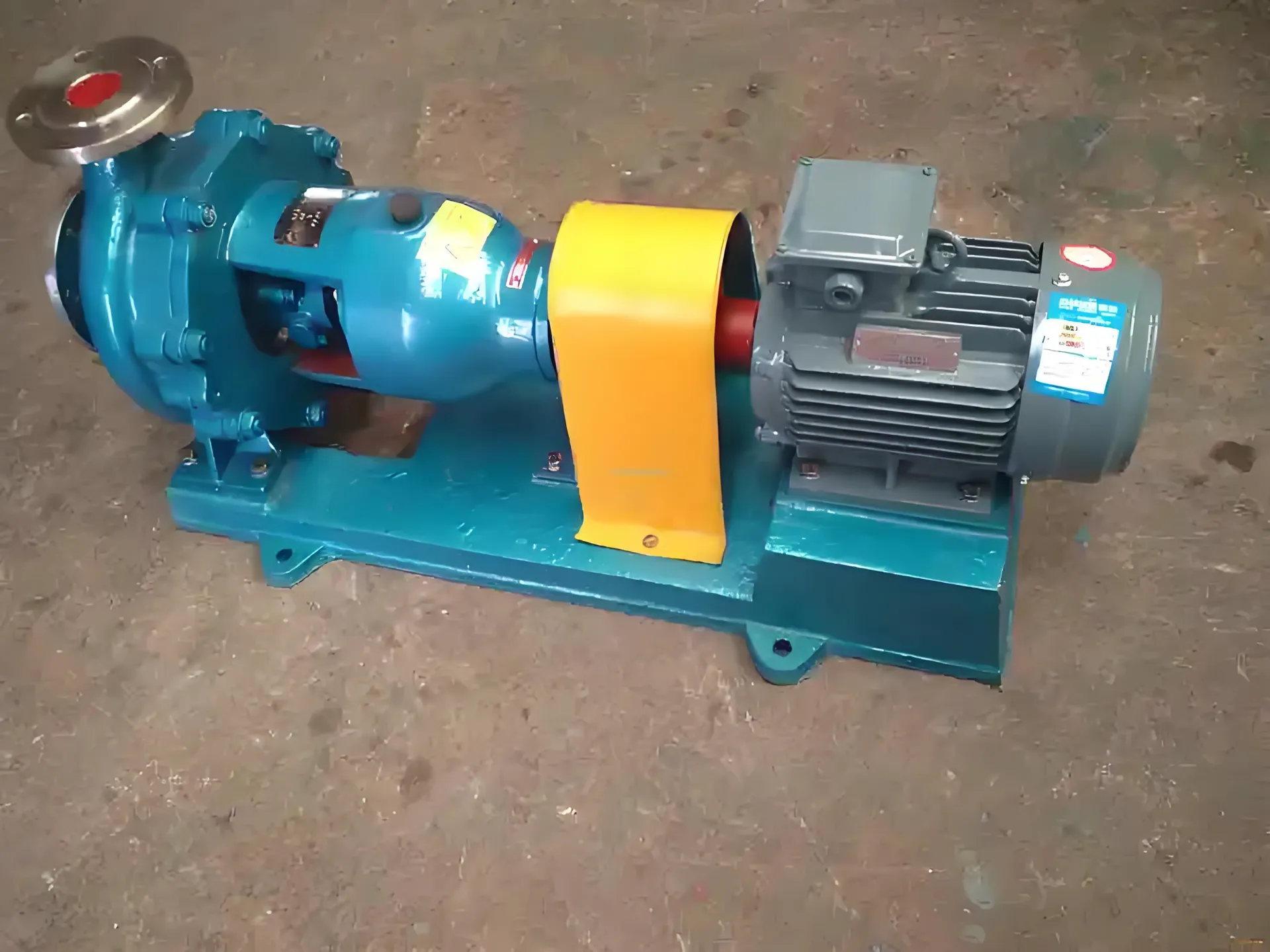
Performance & Engineering
The performance of a vertical spindle slurry pump is governed by several key engineering principles. The pump’s head-capacity curve, a fundamental characteristic, is determined by impeller diameter, impeller speed, and the volute casing geometry. Force analysis, particularly shear stress on the impeller vanes, is critical in predicting erosion rates and component lifespan. Computational Fluid Dynamics (CFD) modeling is frequently employed to optimize impeller design and minimize turbulence, thereby reducing energy consumption and improving hydraulic efficiency. Environmental resistance is paramount; the pump must withstand the corrosive effects of the slurry and the ambient environment. Material selection plays a crucial role here, but protective coatings (e.g., epoxy, rubber linings) are often applied to the casing and impeller to further enhance resistance.
Compliance requirements vary based on the application and geographical location. Pumps used in potentially explosive environments must meet ATEX or IECEx standards for electrical safety. Pumps handling potable water require certification to NSF/ANSI 61 standards. Hydraulic efficiency is assessed according to ISO 9906 standards. The pump’s NPSH (Net Positive Suction Head) requirement must be carefully considered to prevent cavitation, which can cause significant damage to the impeller. Furthermore, the pump’s mechanical design must account for hydrostatic pressure exerted by the slurry column, particularly in deep well applications. Vibration analysis is a critical engineering practice used during commissioning and routine maintenance to identify potential bearing failures or impeller imbalances.
Technical Specifications
| Parameter | Unit | Typical Value (Small Pump) | Typical Value (Large Pump) |
|---|---|---|---|
| Flow Rate | m³/hr | 5 – 50 | 200 – 1000 |
| Head (Total Dynamic Head) | m | 10 – 30 | 50 – 150 |
| Solids Handling Capacity | mm | Up to 25 | Up to 75 |
| Power | kW | 1.5 – 7.5 | 30 – 150 |
| Impeller Speed | RPM | 500 – 1500 | 600 – 1800 |
| Casing Material | - | High-Chrome Cast Iron (27% Cr) | High-Chrome Cast Iron (27% Cr) / Stainless Steel |
Failure Mode & Maintenance
Vertical spindle slurry pumps are susceptible to several failure modes. Abrasion is the most common, leading to impeller wear, casing erosion, and reduced pump performance. Fatigue cracking can occur in the shaft due to cyclic loading, particularly if the pump operates with significant vibration. Corrosion, especially in aggressive chemical environments, can weaken the casing and impeller materials. Mechanical seal failure is a frequent issue, often caused by abrasive particles or improper installation. Cavitation, resulting from insufficient NPSH, can cause pitting and erosion of the impeller. Delamination of protective coatings can expose the underlying metal to corrosive attack.
Preventative maintenance is crucial for maximizing pump lifespan. Regular visual inspections should be conducted to check for wear, corrosion, and leaks. Vibration analysis can detect bearing failures and impeller imbalances early on. Scheduled replacement of wear parts (impellers, liners, seals) is essential. Proper lubrication of bearings is critical. Routine cleaning of the pump casing and suction strainer prevents buildup of solids that can obstruct flow. When replacing seals, meticulous attention must be paid to surface finish and proper installation procedures. In cases of severe abrasion, consider using harder materials or applying thicker protective coatings. Periodic performance monitoring (flow rate, head pressure, power consumption) can identify deviations from baseline values, indicating potential problems.
Industry FAQ
Q: What is the primary difference between a vertical spindle slurry pump and a horizontal slurry pump in terms of maintenance?
A: Vertical spindle pumps generally exhibit lower mechanical seal failure rates because the seal is submerged in the pumped liquid, providing lubrication and preventing dry running. Horizontal pumps, with seals exposed to the atmosphere, are more vulnerable to abrasive particle ingress and seal degradation. However, accessing the impeller for inspection or replacement can be more complex in a vertical configuration due to the need to support the entire slurry column.
Q: How does impeller material selection affect the Total Cost of Ownership (TCO) of the pump?
A: While high-chrome cast iron is cost-effective initially, its lifespan in highly abrasive applications is limited. Investing in more expensive materials like white iron alloys or ceramic composites can significantly extend impeller life, reducing replacement frequency and associated downtime costs. A thorough TCO analysis should consider both the initial material cost and the long-term maintenance expenses.
Q: What are the critical considerations when selecting a pump for a slurry containing large solids?
A: The pump’s solids handling capability, expressed as the maximum particle size it can pass without clogging, is paramount. The impeller design must incorporate a large passage area and a robust construction to withstand impacts from the solids. A recessed impeller design is often preferred for handling very large or stringy solids.
Q: How does the operating speed of the pump impact its performance and wear rate?
A: Lower operating speeds generally reduce wear rates, as the impact energy of the abrasive particles is lower. However, lower speeds also result in reduced head and flow rate. Optimizing the speed involves balancing wear considerations with the required hydraulic performance. Variable Frequency Drives (VFDs) can be used to adjust the speed based on the slurry characteristics and process demands.
Q: What preventative measures can be taken to mitigate cavitation damage?
A: Ensuring adequate NPSH (Net Positive Suction Head) is the most critical step. This involves verifying the suction lift is within the pump’s limitations, minimizing suction pipe losses, and maintaining a consistent slurry level. Regular monitoring of pump performance can also detect early signs of cavitation, such as unusual noise or vibration.
Conclusion
Vertical spindle slurry pumps represent a robust and reliable solution for the demanding task of handling abrasive and corrosive slurries across a diverse range of industries. Their design advantages, particularly in submerged applications and solids handling, make them preferable to conventional pumps in many scenarios. However, realizing the full potential of these pumps requires a thorough understanding of material science, manufacturing processes, and the various failure modes that can occur in practical operation.
Successful pump selection hinges on a detailed analysis of the slurry characteristics, operational requirements, and the Total Cost of Ownership. Proactive maintenance, including regular inspections, vibration analysis, and scheduled component replacement, is essential for maximizing pump lifespan and minimizing downtime. Continuous advancements in materials, impeller designs, and monitoring technologies will further enhance the performance and reliability of vertical spindle slurry pumps in the future.
-
Precision at the Pump: How Better Machining Protects Flow and Uptime
News2026-11-20
-
Why Pump Reliability Begins Before the First Drop of Fluid
News2026-11-20
-
Beyond the Pump: Designing Safer Access Around Critical Water Infrastructure
News2026-11-20
-
Why Pumping Stations Depend on the Infrastructure Beneath the Pumps
News2026-11-20
-
Beyond the Pump Room: How Smarter Loading Protects Industrial Equipment
News2026-11-19
-
When Pumps Stop: Designing More Resilient Power for Critical Pumping Systems
News2026-11-19
-
The Hidden Role of Dust and Gas Monitoring in Reliable Pump Operations
News2026-11-19
-
The Hidden Role of Mineral Compounds in Extending Industrial Pump Lifespan
News2026-10-12
-
Why Pump System Reliability Depends on Precision Hose Assembly Methods
News2026-09-15
-
How Advanced Imaging Films Are Transforming Pump Component Quality Control
News2026-08-25
-
How Advanced Filtration Protects Pump Systems from Premature Wear and Costly Downtime
News2026-08-25
-
How Steel Material Selection Drives Pump Reliability in Heavy-Duty Systems
News2026-08-25
-
Ensuring Pump System Efficiency: The Role of High-Quality Pipe Fittings and Tubing
News2026-08-24
-
Optimizing Fluid Dynamics and Material Consistency in Industrial Processing
News2026-08-18
-
Innovations and Challenges in Hydraulic Systems for Heavy Machinery
News2026-08-13




