English
- Afrikaans
- Albanian
- Amharic
- Arabic
- Armenian
- Azerbaijani
- Basque
- Belarusian
- Bengali
- Bosnian
- Bulgarian
- Catalan
- Cebuano
- Corsican
- Croatian
- Czech
- Danish
- Dutch
- English
- Esperanto
- Estonian
- Finnish
- French
- Frisian
- Galician
- Georgian
- German
- Greek
- Gujarati
- Haitian Creole
- hausa
- hawaiian
- Hebrew
- Hindi
- Miao
- Hungarian
- Icelandic
- igbo
- Indonesian
- irish
- Italian
- Japanese
- Javanese
- Kannada
- kazakh
- Khmer
- Rwandese
- Korean
- Kurdish
- Kyrgyz
- Lao
- Latin
- Latvian
- Lithuanian
- Luxembourgish
- Macedonian
- Malgashi
- Malay
- Malayalam
- Maltese
- Maori
- Marathi
- Mongolian
- Myanmar
- Nepali
- Norwegian
- Norwegian
- Occitan
- Pashto
- Persian
- Polish
- Portuguese
- Punjabi
- Romanian
- Russian
- Samoan
- Scottish Gaelic
- Serbian
- Sesotho
- Shona
- Sindhi
- Sinhala
- Slovak
- Slovenian
- Somali
- Spanish
- Sundanese
- Swahili
- Swedish
- Tagalog
- Tajik
- Tamil
- Tatar
- Telugu
- Thai
- Turkish
- Turkmen
- Ukrainian
- Urdu
- Uighur
- Uzbek
- Vietnamese
- Welsh
- Bantu
- Yiddish
- Yoruba
- Zulu

Telephone: +86 13120555503
Email: frank@cypump.com


Apr . 01, 2024 17:55 Back to list
vertical slurry sump pumps Performance Analysis
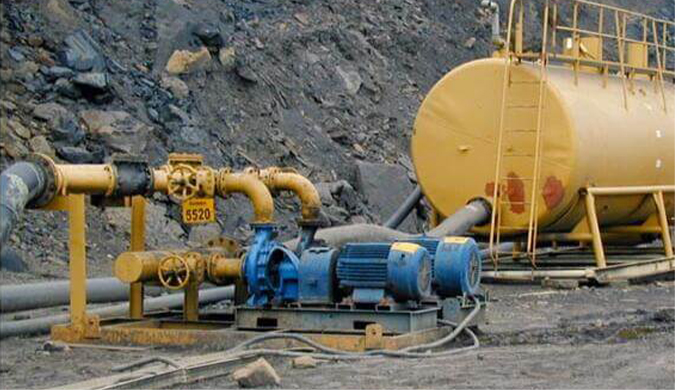
Introduction
Vertical slurry sump pumps are centrifugal pumps specifically designed for submerged operation in sumps containing abrasive and erosive slurries. They occupy a critical position in various industries including mining, wastewater treatment, chemical processing, and aggregate production, serving as the primary means of removing accumulated solids and liquids. Unlike conventional horizontal pumps, their vertical orientation eliminates the need for priming and reduces the risk of cavitation. Core performance characteristics are defined by flow rate (typically measured in gallons per minute or cubic meters per hour), head (expressed in feet or meters), solids handling capability (measured in particle size and concentration), and pump efficiency. The selection of a suitable vertical slurry sump pump hinges on a comprehensive understanding of the slurry characteristics – its specific gravity, viscosity, abrasiveness, and chemical composition – and the operational requirements of the application. A key industry pain point is pump wear due to abrasive slurries, leading to frequent maintenance and downtime. Furthermore, the corrosive nature of many slurries poses a significant challenge to material selection, requiring specialized alloys and coatings to ensure longevity.
Material Science & Manufacturing
The construction of vertical slurry sump pumps relies heavily on materials engineered to withstand the harsh conditions imposed by abrasive and corrosive slurries. Common materials include high-chrome cast iron (for exceptional abrasion resistance), stainless steels (various grades like 304, 316, and duplex stainless steels offering corrosion resistance), and specialized alloys like Hastelloy and Inconel (for highly corrosive environments). The impeller, volute casing, and wear plates are typically fabricated from high-chrome iron. Shafts are commonly made from stainless steel for strength and corrosion resistance. Elastomeric liners, often made of natural or synthetic rubber, are incorporated into the casing to provide additional protection against wear and impact. Manufacturing processes vary depending on component complexity. Casings are frequently produced using sand casting or investment casting, allowing for intricate geometries and precise dimensional control. Impellers are often cast or forged. Welding is a critical process, particularly for joining the various pump components. Submerged Arc Welding (SAW) and Gas Metal Arc Welding (GMAW) are widely used due to their ability to produce strong, reliable welds. Parameter control during welding is paramount, including precise heat input and shielding gas composition, to prevent distortion and maintain material integrity. Post-weld heat treatment (PWHT) is often employed to relieve residual stresses and improve weld ductility. The quality of the materials and the precision of the manufacturing processes directly correlate with the pump’s service life and operational efficiency.
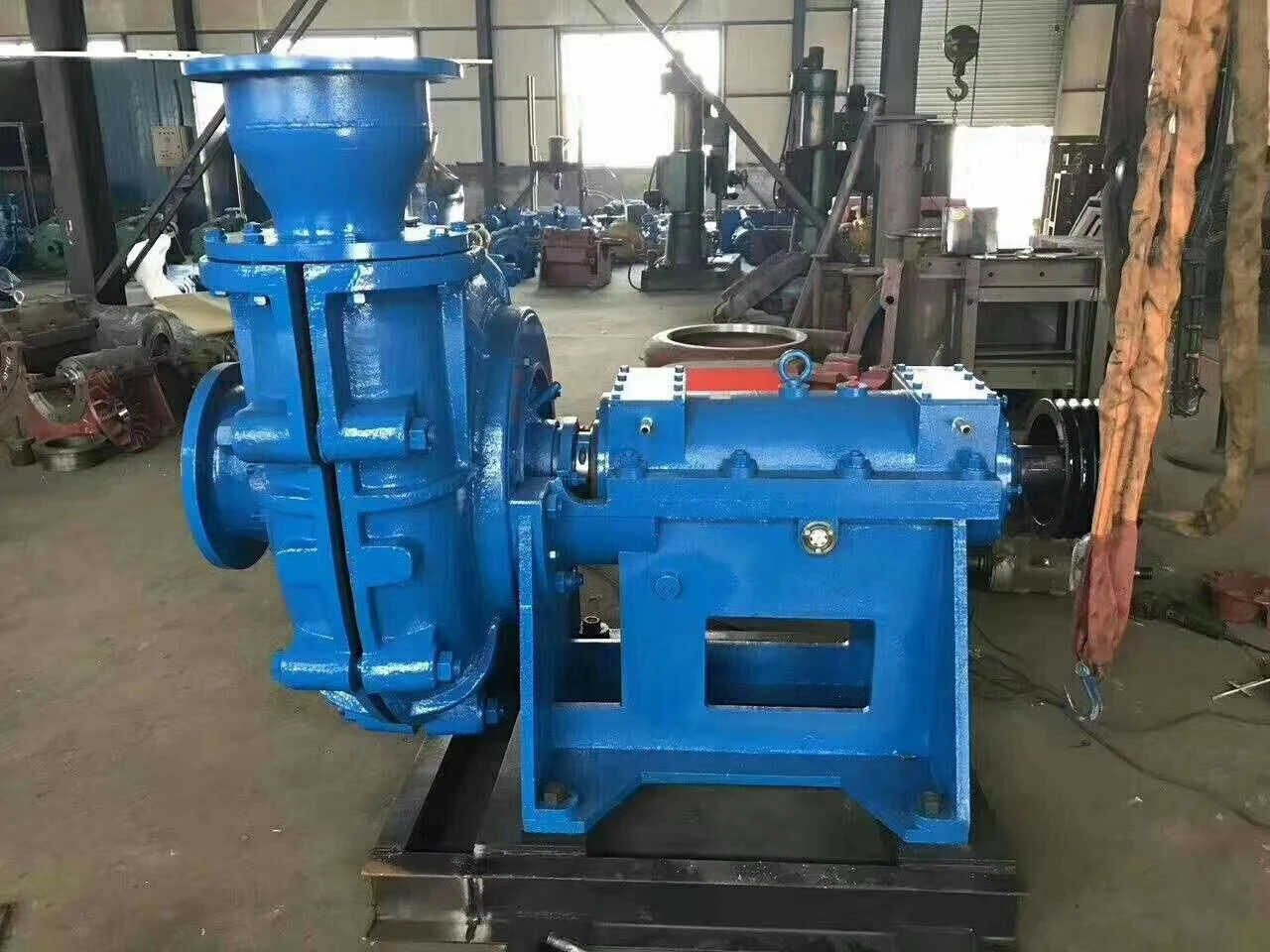
Performance & Engineering
The performance of vertical slurry sump pumps is governed by fundamental hydraulic principles and material science considerations. Force analysis focuses on hydrostatic pressure, dynamic forces generated by the slurry flow, and mechanical stresses within the pump components. The impeller design is critical, with various vane geometries (radial, mixed-flow, axial) impacting pump head, flow rate, and solids handling capacity. Environmental resistance is a key engineering challenge. Pumps operating in corrosive environments require careful material selection and protective coatings. The specific gravity and viscosity of the slurry significantly impact pump performance; higher density and viscosity slurries require greater power input to achieve the desired flow rate and head. Compliance requirements vary depending on the application and geographical location. For example, wastewater treatment plants often require pumps to meet stringent environmental regulations regarding leakage and discharge quality. Pumps used in hazardous environments must comply with ATEX or IECEx standards for explosion protection. Functional implementation necessitates proper motor selection (submersible or surface-mounted), bearing design (to withstand radial and axial loads), and sealing systems (mechanical seals or packing glands) to prevent leakage and ensure reliable operation. The pump’s net positive suction head required (NPSHr) must be carefully matched to the available NPSHa to avoid cavitation.
Technical Specifications
| Parameter | Unit | Typical Range (Small Pump) | Typical Range (Large Pump) |
|---|---|---|---|
| Flow Rate | GPM (US) | 50 - 250 | 500 - 5000 |
| Head | ft | 20 - 80 | 100 - 300 |
| Solids Handling | in | Up to 2 | Up to 6 |
| Motor Power | HP | 5 - 20 | 50 - 200 |
| Maximum Slurry Specific Gravity | - | 1.2 | 1.8 |
| Maximum Operating Temperature | °F | 150 | 250 |
Failure Mode & Maintenance
Vertical slurry sump pumps are susceptible to several failure modes. Fatigue cracking in the impeller and casing, induced by cyclic loading from abrasive particles, is a common issue. Erosion, particularly at the impeller vanes and casing inlet, leads to gradual material loss and reduced pump performance. Corrosion, depending on the slurry composition, can cause pitting, crevice corrosion, and general material degradation. Mechanical seal failure, resulting in leakage, is often caused by abrasive particles damaging the seal faces or chemical attack degrading the seal materials. Bearing failure, due to inadequate lubrication or excessive load, can lead to pump seizure. Delamination of elastomeric liners can reduce their protective effectiveness. Maintenance strategies include regular visual inspections to detect signs of wear or corrosion, vibration analysis to identify bearing issues, and periodic replacement of wear components (impellers, liners, seals). Preventative maintenance schedules should be based on operating hours and slurry characteristics. Proper lubrication is critical for bearing life. The use of sacrificial wear parts can extend the life of more expensive components. Pump performance monitoring (flow rate, head, power consumption) can help detect degradation and schedule maintenance proactively. Failure analysis, involving metallurgical examination of failed components, can identify root causes and prevent recurrence.
Industry FAQ
Q: What is the impact of slurry particle size distribution on pump selection?
A: Slurry particle size distribution significantly affects pump performance and lifespan. Larger particle sizes increase the risk of abrasion and impeller clogging, necessitating pumps with larger solids handling capabilities and potentially lower speeds. A broad particle size distribution requires a pump design that can effectively handle both fine and coarse particles without excessive wear.
Q: How does the chemical composition of the slurry influence material selection for the pump casing and impeller?
A: The chemical composition dictates the type of corrosion resistance required. Highly acidic or alkaline slurries necessitate the use of stainless steels, high-nickel alloys, or specialized coatings. Chlorides, in particular, are aggressive and can cause pitting corrosion, demanding careful consideration of material selection and potentially cathodic protection measures.
Q: What are the advantages and disadvantages of submersible vs. surface-mounted motor configurations?
A: Submersible motors offer the advantage of eliminating priming issues and reducing noise levels. However, they are more difficult to maintain and repair. Surface-mounted motors are easier to access for maintenance but require a separate priming system and can be susceptible to motor overheating. The choice depends on the specific application and operational constraints.
Q: What are the common causes of cavitation in vertical slurry sump pumps, and how can it be prevented?
A: Cavitation occurs when the absolute pressure at the pump suction drops below the vapor pressure of the liquid, forming vapor bubbles that collapse and damage the impeller. Common causes include insufficient NPSHa, high suction lift, and clogged suction lines. Prevention involves ensuring adequate NPSHa, minimizing suction lift, maintaining clean suction lines, and operating the pump within its designed flow range.
Q: How do you determine the appropriate wear part replacement schedule for a vertical slurry sump pump?
A: Wear part replacement schedules should be based on a combination of operating hours, slurry characteristics, and performance monitoring data. Regular inspections can identify signs of wear. Tracking pump performance parameters (flow rate, head, power consumption) can reveal degradation and indicate when replacement is necessary. Implementing a preventative maintenance program based on historical data and experience is crucial.
Conclusion
Vertical slurry sump pumps represent a critical component in numerous industrial processes demanding reliable solids handling. Their performance and longevity are inextricably linked to material science, meticulous manufacturing, and proactive maintenance practices. Understanding the interplay between slurry characteristics – abrasiveness, corrosivity, and solid concentration – and pump design parameters – impeller geometry, material selection, and sealing systems – is paramount to achieving optimal operational efficiency and minimizing downtime.
The ongoing evolution of pump technology focuses on enhancing abrasion resistance through advanced materials and coatings, improving hydraulic efficiency through optimized impeller designs, and incorporating intelligent monitoring systems for predictive maintenance. Adhering to industry standards and implementing robust preventative maintenance programs are essential for maximizing the return on investment and ensuring the safe and reliable operation of these vital pieces of industrial equipment.
-
Precision at the Pump: How Better Machining Protects Flow and Uptime
News2026-11-20
-
Why Pump Reliability Begins Before the First Drop of Fluid
News2026-11-20
-
Beyond the Pump: Designing Safer Access Around Critical Water Infrastructure
News2026-11-20
-
Why Pumping Stations Depend on the Infrastructure Beneath the Pumps
News2026-11-20
-
Beyond the Pump Room: How Smarter Loading Protects Industrial Equipment
News2026-11-19
-
When Pumps Stop: Designing More Resilient Power for Critical Pumping Systems
News2026-11-19
-
The Hidden Role of Dust and Gas Monitoring in Reliable Pump Operations
News2026-11-19
-
The Hidden Role of Mineral Compounds in Extending Industrial Pump Lifespan
News2026-10-12
-
Why Pump System Reliability Depends on Precision Hose Assembly Methods
News2026-09-15
-
How Advanced Imaging Films Are Transforming Pump Component Quality Control
News2026-08-25
-
How Advanced Filtration Protects Pump Systems from Premature Wear and Costly Downtime
News2026-08-25
-
How Steel Material Selection Drives Pump Reliability in Heavy-Duty Systems
News2026-08-25
-
Ensuring Pump System Efficiency: The Role of High-Quality Pipe Fittings and Tubing
News2026-08-24
-
Optimizing Fluid Dynamics and Material Consistency in Industrial Processing
News2026-08-18
-
Innovations and Challenges in Hydraulic Systems for Heavy Machinery
News2026-08-13




