English
- Afrikaans
- Albanian
- Amharic
- Arabic
- Armenian
- Azerbaijani
- Basque
- Belarusian
- Bengali
- Bosnian
- Bulgarian
- Catalan
- Cebuano
- Corsican
- Croatian
- Czech
- Danish
- Dutch
- English
- Esperanto
- Estonian
- Finnish
- French
- Frisian
- Galician
- Georgian
- German
- Greek
- Gujarati
- Haitian Creole
- hausa
- hawaiian
- Hebrew
- Hindi
- Miao
- Hungarian
- Icelandic
- igbo
- Indonesian
- irish
- Italian
- Japanese
- Javanese
- Kannada
- kazakh
- Khmer
- Rwandese
- Korean
- Kurdish
- Kyrgyz
- Lao
- Latin
- Latvian
- Lithuanian
- Luxembourgish
- Macedonian
- Malgashi
- Malay
- Malayalam
- Maltese
- Maori
- Marathi
- Mongolian
- Myanmar
- Nepali
- Norwegian
- Norwegian
- Occitan
- Pashto
- Persian
- Polish
- Portuguese
- Punjabi
- Romanian
- Russian
- Samoan
- Scottish Gaelic
- Serbian
- Sesotho
- Shona
- Sindhi
- Sinhala
- Slovak
- Slovenian
- Somali
- Spanish
- Sundanese
- Swahili
- Swedish
- Tagalog
- Tajik
- Tamil
- Tatar
- Telugu
- Thai
- Turkish
- Turkmen
- Ukrainian
- Urdu
- Uighur
- Uzbek
- Vietnamese
- Welsh
- Bantu
- Yiddish
- Yoruba
- Zulu

Telephone: +86 13120555503
Email: frank@cypump.com


Apr . 01, 2024 17:55 Back to list
vertical slurry sump pump rubber parts manufacturers Performance Analysis
Introduction
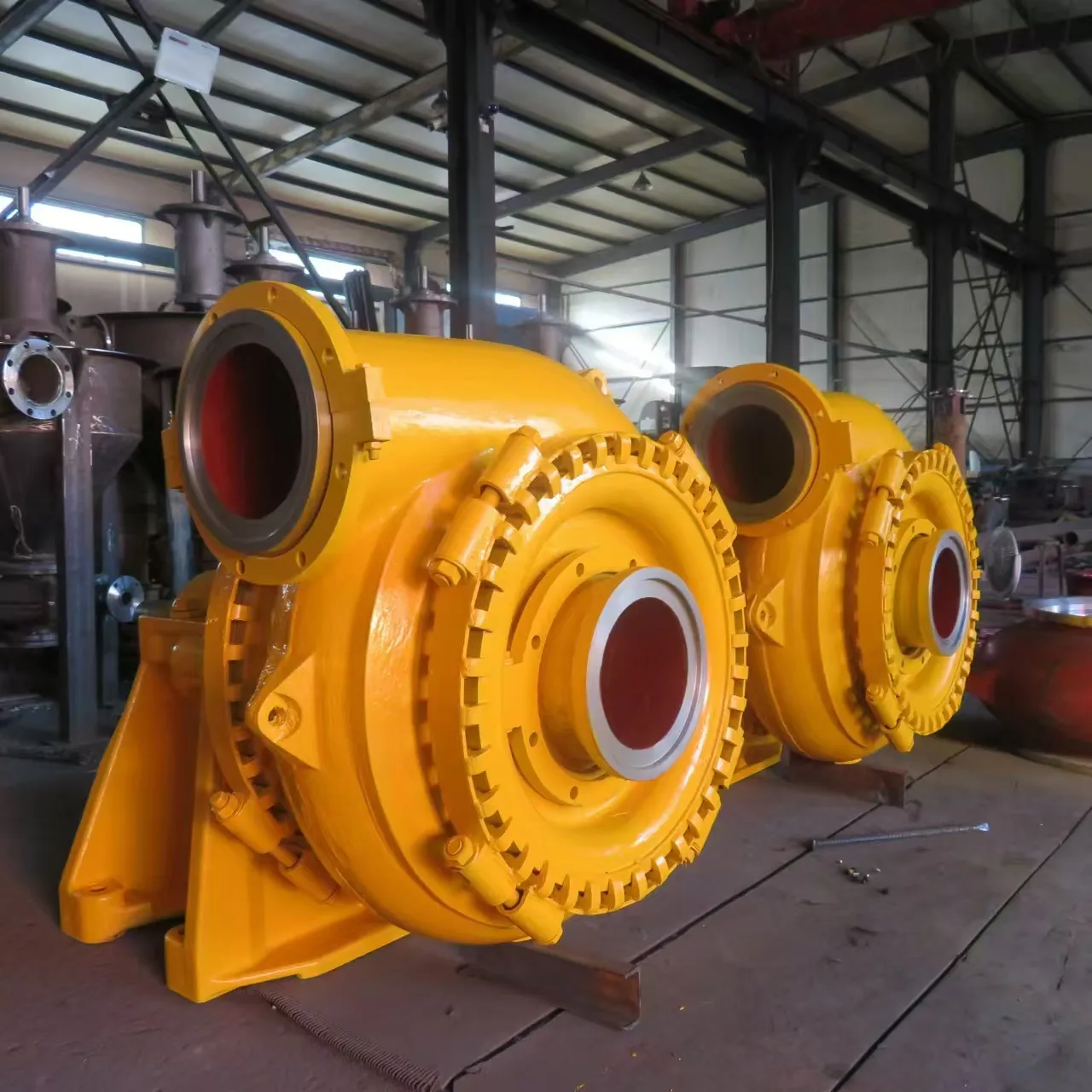
Vertical slurry sump pumps are critical components in numerous industrial applications, including mining, wastewater treatment, and chemical processing. Their functionality is heavily reliant on the performance of the rubber parts used in liners, impellers, and seals. These rubber components mitigate abrasion, corrosion, and impact damage caused by the aggressive slurries being handled. This technical guide provides an in-depth analysis of these rubber parts, covering material science, manufacturing processes, performance characteristics, failure modes, and relevant industry standards. The core pain point for end-users lies in balancing abrasion resistance with flexibility, ensuring long service life while maintaining operational efficiency. Premature failure leads to costly downtime and maintenance. This guide addresses these concerns through a detailed examination of material selection and manufacturing controls. We will focus on the performance criteria vital for selection and procurement within these demanding applications.
Material Science & Manufacturing
The predominant elastomers used in vertical slurry sump pump parts are natural rubber, synthetic rubbers like EPDM, chloroprene (Neoprene), nitrile rubber (NBR), and specialized polyurethane elastomers. Natural rubber offers high resilience and tear strength, suitable for applications with lower abrasive content. However, its resistance to oil and chemicals is limited. EPDM exhibits excellent resistance to ozone, weathering, and many chemicals but has lower abrasion resistance compared to other options. Chloroprene provides a balance of properties, offering good abrasion resistance, oil resistance, and weather resistance. NBR excels in oil and fuel resistance but has limited temperature range. Polyurethanes are prized for exceptional abrasion resistance, high load-bearing capacity, and tear strength, but can be susceptible to hydrolysis in certain environments.
Manufacturing processes vary depending on the component. Liners are often produced via compression molding or rubber lining techniques, where a rubber compound is applied to a metal substrate. Impellers are commonly manufactured using investment casting with a rubber insert, or through direct molding of the impeller itself. Seals are typically produced via compression molding or injection molding. Key parameters in manufacturing include compound formulation (filler type and loading, crosslinking agents), mixing quality (ensuring homogenous dispersion of ingredients), molding temperature and pressure (controlling cure rate and achieving desired hardness), and post-cure processing (optimizing mechanical properties and minimizing residual stresses). Precise control of durometer (hardness), tensile strength, elongation at break, and abrasion resistance are crucial. The filler material (e.g., silica, alumina) significantly impacts abrasion resistance. The use of appropriate release agents is paramount to avoid defects and ensure component integrity. Automated mixing and molding processes are increasingly employed to enhance consistency and reduce batch-to-batch variation.
Performance & Engineering
The performance of rubber pump parts is dictated by their ability to withstand the combined effects of abrasion, erosion, impact, and chemical attack. Force analysis is critical in designing impeller geometry and liner thickness to distribute stress evenly and minimize localized wear. Environmental resistance must be considered, particularly in applications involving extreme temperatures, exposure to aggressive chemicals, or saltwater. For instance, liners exposed to high temperatures require compounds with enhanced thermal stability. Compliance requirements, such as FDA standards for food-grade applications or REACH/RoHS regulations concerning restricted substances, must be adhered to. The hydrodynamic performance of the impeller significantly impacts pump efficiency and is directly influenced by the rubber’s durometer and surface finish. A softer durometer increases conformability but reduces abrasion resistance. Surface roughness affects flow characteristics and can contribute to increased wear. Finite element analysis (FEA) is frequently used to model stress distributions and optimize component design. Wear testing, employing standardized slurry compositions and flow rates, is vital for evaluating material performance under simulated operating conditions. Electrochemical corrosion, particularly in saltwater environments, can accelerate rubber degradation if proper protective measures are not implemented.
Technical Specifications
| Material Type | Hardness (Durometer A) | Tensile Strength (MPa) | Elongation at Break (%) | Abrasion Resistance (Taber Index, mg loss) | Operating Temperature Range (°C) |
|---|---|---|---|---|---|
| Natural Rubber | 60-80 | 15-25 | 400-800 | 150-250 | -50 to +80 |
| EPDM | 50-70 | 10-20 | 300-600 | 200-300 | -40 to +130 |
| Chloroprene (Neoprene) | 60-90 | 12-22 | 250-500 | 100-200 | -40 to +100 |
| Nitrile Rubber (NBR) | 60-80 | 18-30 | 300-500 | 120-220 | -40 to +120 |
| Polyurethane | 70-95 | 30-60 | 150-300 | 50-100 | -30 to +80 |
| Specialty Polyurethane (High Abrasion) | 85-95 | 40-70 | 100-200 | 30-60 | -20 to +80 |
Failure Mode & Maintenance
Common failure modes include abrasion wear (gradual material loss due to particle impact), erosion (material removal due to fluid flow), fatigue cracking (caused by cyclic stress), swelling (due to chemical exposure), and reversion (degradation of rubber properties at elevated temperatures). Abrasion wear is the most frequent cause of failure, particularly in high-solids slurries. Fatigue cracking can initiate at stress concentrators, such as geometric discontinuities or embedded foreign objects. Swelling can lead to dimensional changes and loss of sealing capability. Reversion reduces mechanical strength and increases tackiness. Regular inspection is crucial to identify early signs of wear or damage. Visual inspection for cracks, swelling, or deformation should be conducted at scheduled intervals. Non-destructive testing methods, such as ultrasonic testing, can detect subsurface defects. Preventative maintenance includes lubrication of rotating components, proper alignment of pump shafts, and filtration of slurry to remove large particles. For minor abrasion wear, rubber liners can sometimes be repaired using patching compounds. However, severely worn or damaged components should be replaced to avoid catastrophic failure. Selection of the correct rubber compound for the specific slurry composition and operating conditions is the most effective means of mitigating failure.
Industry FAQ
Q: What is the primary factor influencing the service life of a rubber liner in a highly abrasive slurry application?
A: The primary factor is the abrasion resistance of the rubber compound, directly correlated to the filler material used and its loading. Higher loadings of materials like alumina or silica significantly improve abrasion resistance, but can also affect flexibility. Proper selection of the rubber matrix (e.g., polyurethane) is also critical.
Q: How does temperature affect the performance of NBR rubber parts exposed to oil-based slurries?
A: Elevated temperatures can accelerate the degradation of NBR, leading to swelling, softening, and loss of tensile strength. NBR has a limited operating temperature range; exceeding this range will compromise its performance and reduce its lifespan.
Q: What are the implications of using a rubber compound with low elongation at break in a dynamic pump application?
A: Low elongation at break indicates reduced flexibility and increased susceptibility to cracking under cyclic stress. This can lead to premature failure of components like impellers, particularly in applications with high impact forces or rapid pressure fluctuations.
Q: Is it acceptable to repair a rubber liner with a patching compound if a significant portion of the liner is worn?
A: Repairing a significantly worn liner is generally not recommended. Patching compounds may not bond effectively to the degraded rubber surface, and the repair is unlikely to withstand the stresses imposed by the slurry. Complete replacement is the preferred solution.
Q: What tests are commonly used to evaluate the chemical resistance of rubber components before deployment?
A: Immersion testing is the most common method. Rubber samples are submerged in the target slurry for extended periods, and changes in weight, hardness, tensile strength, and elongation at break are monitored. Accelerated aging tests can also be used to simulate long-term exposure.
Conclusion
The selection and application of rubber parts in vertical slurry sump pumps is a complex engineering challenge demanding a thorough understanding of material science, manufacturing processes, and operational conditions. Prioritizing abrasion resistance, chemical compatibility, and mechanical properties, aligned with the specific slurry characteristics and pump operating parameters, is paramount for maximizing component lifespan and minimizing downtime. A proactive approach to inspection and preventative maintenance, coupled with the use of advanced testing and analysis techniques, is essential for ensuring reliable and cost-effective pump operation.
Future advancements in rubber technology will likely focus on developing new elastomers with enhanced abrasion resistance, improved chemical resistance, and increased temperature stability. Nanomaterial additives and advanced crosslinking systems hold promise for further enhancing the performance of rubber pump parts. Furthermore, the integration of smart sensors and predictive maintenance algorithms will enable more efficient monitoring of component condition and optimization of maintenance schedules, thereby reducing lifecycle costs and improving overall system reliability.
-
Precision at the Pump: How Better Machining Protects Flow and Uptime
News2026-11-20
-
Why Pump Reliability Begins Before the First Drop of Fluid
News2026-11-20
-
Beyond the Pump: Designing Safer Access Around Critical Water Infrastructure
News2026-11-20
-
Why Pumping Stations Depend on the Infrastructure Beneath the Pumps
News2026-11-20
-
Beyond the Pump Room: How Smarter Loading Protects Industrial Equipment
News2026-11-19
-
When Pumps Stop: Designing More Resilient Power for Critical Pumping Systems
News2026-11-19
-
The Hidden Role of Dust and Gas Monitoring in Reliable Pump Operations
News2026-11-19
-
The Hidden Role of Mineral Compounds in Extending Industrial Pump Lifespan
News2026-10-12
-
Why Pump System Reliability Depends on Precision Hose Assembly Methods
News2026-09-15
-
How Advanced Imaging Films Are Transforming Pump Component Quality Control
News2026-08-25
-
How Advanced Filtration Protects Pump Systems from Premature Wear and Costly Downtime
News2026-08-25
-
How Steel Material Selection Drives Pump Reliability in Heavy-Duty Systems
News2026-08-25
-
Ensuring Pump System Efficiency: The Role of High-Quality Pipe Fittings and Tubing
News2026-08-24
-
Optimizing Fluid Dynamics and Material Consistency in Industrial Processing
News2026-08-18
-
Innovations and Challenges in Hydraulic Systems for Heavy Machinery
News2026-08-13




