English
- Afrikaans
- Albanian
- Amharic
- Arabic
- Armenian
- Azerbaijani
- Basque
- Belarusian
- Bengali
- Bosnian
- Bulgarian
- Catalan
- Cebuano
- Corsican
- Croatian
- Czech
- Danish
- Dutch
- English
- Esperanto
- Estonian
- Finnish
- French
- Frisian
- Galician
- Georgian
- German
- Greek
- Gujarati
- Haitian Creole
- hausa
- hawaiian
- Hebrew
- Hindi
- Miao
- Hungarian
- Icelandic
- igbo
- Indonesian
- irish
- Italian
- Japanese
- Javanese
- Kannada
- kazakh
- Khmer
- Rwandese
- Korean
- Kurdish
- Kyrgyz
- Lao
- Latin
- Latvian
- Lithuanian
- Luxembourgish
- Macedonian
- Malgashi
- Malay
- Malayalam
- Maltese
- Maori
- Marathi
- Mongolian
- Myanmar
- Nepali
- Norwegian
- Norwegian
- Occitan
- Pashto
- Persian
- Polish
- Portuguese
- Punjabi
- Romanian
- Russian
- Samoan
- Scottish Gaelic
- Serbian
- Sesotho
- Shona
- Sindhi
- Sinhala
- Slovak
- Slovenian
- Somali
- Spanish
- Sundanese
- Swahili
- Swedish
- Tagalog
- Tajik
- Tamil
- Tatar
- Telugu
- Thai
- Turkish
- Turkmen
- Ukrainian
- Urdu
- Uighur
- Uzbek
- Vietnamese
- Welsh
- Bantu
- Yiddish
- Yoruba
- Zulu

Telephone: +86 13120555503
Email: frank@cypump.com


Apr . 01, 2024 17:55 Back to list
vertical slurry sump pump rubber parts factory Performance Analysis
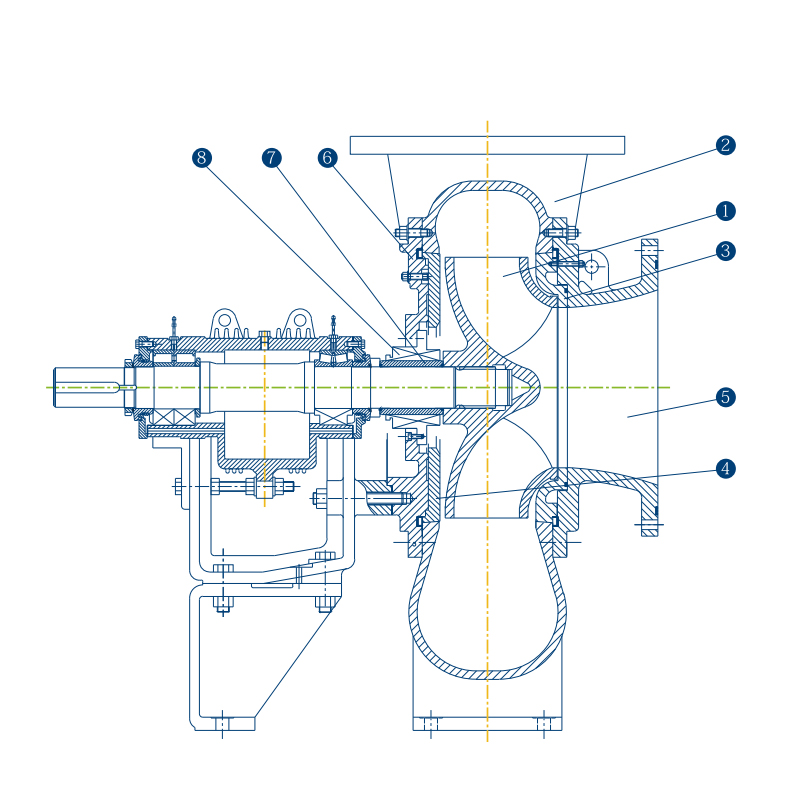
Introduction
Vertical slurry sump pumps are critical components in numerous industrial processes, including mining, wastewater treatment, and chemical processing. Their reliability is heavily dependent on the performance of their constituent rubber parts: impellers, liners, volute casings, and seals. These parts are engineered to withstand abrasive and corrosive slurries, ensuring continuous and efficient pump operation. This guide provides a comprehensive technical overview of vertical slurry sump pump rubber parts, encompassing material science, manufacturing, performance, failure modes, and maintenance protocols. The core pain points in this industry center around extending component lifespan in increasingly aggressive slurry environments, reducing total cost of ownership (TCO), and ensuring compliance with stringent environmental regulations concerning material leaching and wear particle release. Selection of the appropriate rubber compound, coupled with rigorous quality control during manufacturing, are paramount to addressing these challenges.
Material Science & Manufacturing
The predominant raw materials utilized in the fabrication of vertical slurry sump pump rubber parts are natural rubber (NR), styrene-butadiene rubber (SBR), ethylene propylene diene monomer (EPDM), chloroprene rubber (CR – Neoprene), and polyurethane (PU). Natural rubber offers high tensile strength and resilience but limited resistance to oils and chemicals. SBR provides good abrasion resistance and lower cost but inferior tear strength compared to NR. EPDM excels in resistance to ozone, weathering, and a broad range of chemicals. CR balances oil resistance, weathering, and moderate abrasion resistance. Polyurethane, available in varying hardness grades, delivers exceptional abrasion and tear resistance but can be susceptible to hydrolysis.
Manufacturing processes vary depending on the part's complexity and volume. Liners and volute casings are often produced via rubber molding – compression molding, transfer molding, or injection molding. Compression molding is suitable for large, simple geometries, utilizing matched dies under heat and pressure. Transfer molding allows for more intricate shapes but requires a sprue and runner system. Injection molding is ideal for high-volume production of complex parts, injecting molten rubber into a closed mold. Impellers are frequently manufactured using a combination of rubber molding and metal insert bonding. The rubber is molded directly onto a metallic core, providing structural integrity. Seals are typically produced through extrusion followed by cutting and vulcanization.
Key parameter control during manufacturing includes rubber compound formulation (precise ingredient ratios), mixing homogeneity, mold temperature and pressure, curing time and temperature, and post-curing procedures. Precise control of the sulfur vulcanization process is critical; under-curing leads to poor mechanical properties and potential swelling in slurry environments, while over-curing reduces resilience and increases brittleness. Shore hardness, tensile strength, elongation at break, and abrasion resistance are routinely tested to ensure adherence to specified material properties.
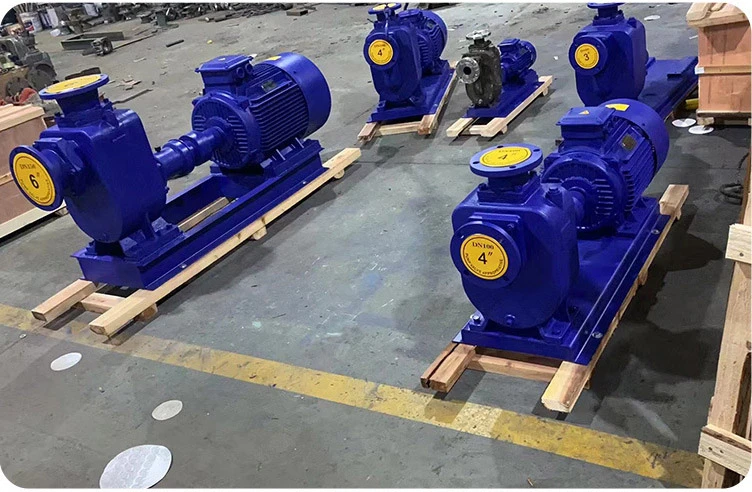
Performance & Engineering
The performance of rubber parts in slurry sump pumps is dictated by their ability to withstand a complex interplay of stresses – abrasive wear, erosive wear, impact loading, chemical attack, and thermal cycling. Abrasive wear, caused by hard particles in the slurry, is a primary failure mechanism. Erosion, particularly at high flow velocities, removes material from the rubber surface. Impact loading occurs when larger particles collide with the pump components. Chemical resistance is crucial in aggressive environments containing acids, alkalis, or solvents. Thermal cycling induces expansion and contraction, leading to fatigue and potential cracking.
Engineering considerations involve force analysis to determine stress concentrations, material selection based on slurry composition and operating conditions, and design optimization to minimize wear and erosion. Finite element analysis (FEA) is employed to simulate stress distribution and predict component lifespan. The choice of rubber compound influences the coefficient of restitution during impact, affecting energy dissipation and wear rates. Furthermore, proper sealing design is vital to prevent slurry leakage and maintain pump efficiency. Static and dynamic sealing performance is evaluated through pressure testing and leak rate measurements. Compliance requirements often involve adherence to FDA standards for food-grade applications or REACH/RoHS regulations regarding restricted substances.
Technical Specifications
| Rubber Compound | Hardness (Shore A) | Tensile Strength (MPa) | Elongation at Break (%) | Abrasion Resistance (Taber Index) | Chemical Resistance (Rating 1-5, 5=Excellent) |
|---|---|---|---|---|---|
| Natural Rubber (NR) | 60-70 | 15-25 | 500-800 | 80-120 | 2 |
| Styrene-Butadiene Rubber (SBR) | 50-65 | 12-20 | 400-600 | 90-140 | 3 |
| Ethylene Propylene Diene Monomer (EPDM) | 60-80 | 10-18 | 300-500 | 70-100 | 5 |
| Chloroprene Rubber (CR) | 65-75 | 14-22 | 350-550 | 85-130 | 4 |
| Polyurethane (PU) | 80-95 | 25-40 | 200-400 | 150-250 | 3 |
| Natural Rubber Blend with SBR | 62-68 | 18-23 | 450-700 | 85-135 | 3 |
Failure Mode & Maintenance
Common failure modes for vertical slurry sump pump rubber parts include abrasive wear (leading to dimensional loss and reduced pump efficiency), cracking (induced by fatigue, thermal cycling, or chemical attack), swelling (due to incompatibility with the slurry), and delamination (separation of the rubber from the metallic substrate). Fatigue cracking often initiates at stress concentrators, such as corners or holes. Chemical attack can cause degradation of the rubber matrix, reducing its mechanical properties. Swelling alters the rubber’s dimensions and can lead to seal failures. Delamination is often caused by inadequate bonding during manufacturing or exposure to harsh conditions.
Preventive maintenance is crucial for extending component lifespan. Regular inspections should be conducted to identify signs of wear, cracking, or swelling. Slurry analysis is recommended to determine the abrasive index and chemical composition, informing material selection and maintenance schedules. Lubrication of seals and bearings reduces friction and wear. Proper pump alignment minimizes vibration and stress on rubber components. When replacing parts, it is essential to use genuine OEM replacements or equivalent quality components. Periodic impeller balancing can prevent excessive vibration and wear. If swelling is observed, the slurry composition should be evaluated and adjusted, or a more chemically resistant rubber compound should be selected. For significant abrasion, consider ceramic or metallic liners as a supplementary protective measure.
Industry FAQ
Q: What is the impact of slurry particle size distribution on the wear rate of rubber liners?
A: A slurry with a high concentration of fine particles (below 75 microns) generally exhibits a higher wear rate due to their ability to penetrate the rubber matrix and cause two-body abrasive wear. Larger particles contribute more to impact loading, causing localized erosion. Optimizing liner hardness and rubber compound selection based on the particle size distribution is critical for maximizing liner lifespan.
Q: How does temperature affect the performance of EPDM rubber seals in chemical applications?
A: Elevated temperatures can accelerate the degradation of EPDM rubber, reducing its elasticity and chemical resistance. Furthermore, increased temperature can cause thermal expansion, potentially leading to seal failures. It’s essential to verify the operating temperature range of the EPDM compound and ensure it aligns with the process conditions.
Q: What are the key considerations when selecting a rubber compound for handling abrasive slurries containing high solids content?
A: For high solids content slurries, prioritize rubber compounds with high abrasion resistance (e.g., PU or high-hardness NR blends) and good tear strength. Consider the slurry’s chemical composition to ensure compatibility and prevent swelling or degradation. A thicker rubber liner offers increased protection against wear but can increase pump energy consumption. A balance between abrasion resistance, chemical compatibility, and energy efficiency is essential.
Q: How can the bonding strength between rubber and metal components be verified?
A: Bonding strength is typically verified using peel tests and tensile shear tests according to ASTM D429. These tests measure the force required to separate the rubber from the metal substrate. Surface preparation of the metal core (e.g., grit blasting, chemical etching) is critical for achieving a strong bond. Adhesion promoters are often used to enhance bonding.
Q: What is the role of vulcanization in enhancing the properties of rubber pump components?
A: Vulcanization, the process of crosslinking rubber molecules with sulfur or other curing agents, dramatically improves the mechanical properties of rubber. It increases tensile strength, elasticity, abrasion resistance, and chemical resistance. Proper control of the vulcanization process (temperature, time, sulfur content) is crucial for achieving optimal performance. Under-vulcanization results in poor mechanical properties and potential swelling, while over-vulcanization leads to brittleness and reduced resilience.
Conclusion
The selection and maintenance of rubber parts are fundamental to the reliable operation of vertical slurry sump pumps. Understanding the material science principles governing rubber degradation, coupled with meticulous manufacturing control and proactive maintenance protocols, is essential for maximizing component lifespan and minimizing total cost of ownership. The industry continues to evolve towards more durable and chemically resistant rubber compounds, alongside advanced monitoring technologies to predict failure and optimize maintenance schedules.
Future advancements will likely focus on incorporating nano-materials into rubber compounds to further enhance abrasion resistance and mechanical properties. Furthermore, the development of self-healing rubber materials could potentially extend component lifespan and reduce downtime. A holistic approach, encompassing material selection, manufacturing precision, operational monitoring, and preventative maintenance, will remain paramount to ensuring the long-term performance and efficiency of vertical slurry sump pump systems.
-
Precision at the Pump: How Better Machining Protects Flow and Uptime
News2026-11-20
-
Why Pump Reliability Begins Before the First Drop of Fluid
News2026-11-20
-
Beyond the Pump: Designing Safer Access Around Critical Water Infrastructure
News2026-11-20
-
Why Pumping Stations Depend on the Infrastructure Beneath the Pumps
News2026-11-20
-
Beyond the Pump Room: How Smarter Loading Protects Industrial Equipment
News2026-11-19
-
When Pumps Stop: Designing More Resilient Power for Critical Pumping Systems
News2026-11-19
-
The Hidden Role of Dust and Gas Monitoring in Reliable Pump Operations
News2026-11-19
-
The Hidden Role of Mineral Compounds in Extending Industrial Pump Lifespan
News2026-10-12
-
Why Pump System Reliability Depends on Precision Hose Assembly Methods
News2026-09-15
-
How Advanced Imaging Films Are Transforming Pump Component Quality Control
News2026-08-25
-
How Advanced Filtration Protects Pump Systems from Premature Wear and Costly Downtime
News2026-08-25
-
How Steel Material Selection Drives Pump Reliability in Heavy-Duty Systems
News2026-08-25
-
Ensuring Pump System Efficiency: The Role of High-Quality Pipe Fittings and Tubing
News2026-08-24
-
Optimizing Fluid Dynamics and Material Consistency in Industrial Processing
News2026-08-18
-
Innovations and Challenges in Hydraulic Systems for Heavy Machinery
News2026-08-13




