English
- Afrikaans
- Albanian
- Amharic
- Arabic
- Armenian
- Azerbaijani
- Basque
- Belarusian
- Bengali
- Bosnian
- Bulgarian
- Catalan
- Cebuano
- Corsican
- Croatian
- Czech
- Danish
- Dutch
- English
- Esperanto
- Estonian
- Finnish
- French
- Frisian
- Galician
- Georgian
- German
- Greek
- Gujarati
- Haitian Creole
- hausa
- hawaiian
- Hebrew
- Hindi
- Miao
- Hungarian
- Icelandic
- igbo
- Indonesian
- irish
- Italian
- Japanese
- Javanese
- Kannada
- kazakh
- Khmer
- Rwandese
- Korean
- Kurdish
- Kyrgyz
- Lao
- Latin
- Latvian
- Lithuanian
- Luxembourgish
- Macedonian
- Malgashi
- Malay
- Malayalam
- Maltese
- Maori
- Marathi
- Mongolian
- Myanmar
- Nepali
- Norwegian
- Norwegian
- Occitan
- Pashto
- Persian
- Polish
- Portuguese
- Punjabi
- Romanian
- Russian
- Samoan
- Scottish Gaelic
- Serbian
- Sesotho
- Shona
- Sindhi
- Sinhala
- Slovak
- Slovenian
- Somali
- Spanish
- Sundanese
- Swahili
- Swedish
- Tagalog
- Tajik
- Tamil
- Tatar
- Telugu
- Thai
- Turkish
- Turkmen
- Ukrainian
- Urdu
- Uighur
- Uzbek
- Vietnamese
- Welsh
- Bantu
- Yiddish
- Yoruba
- Zulu

Telephone: +86 13120555503
Email: frank@cypump.com


Apr . 01, 2024 17:55 Back to list
vertical slurry sump pump rubber parts factories Performance Analysis
Introduction
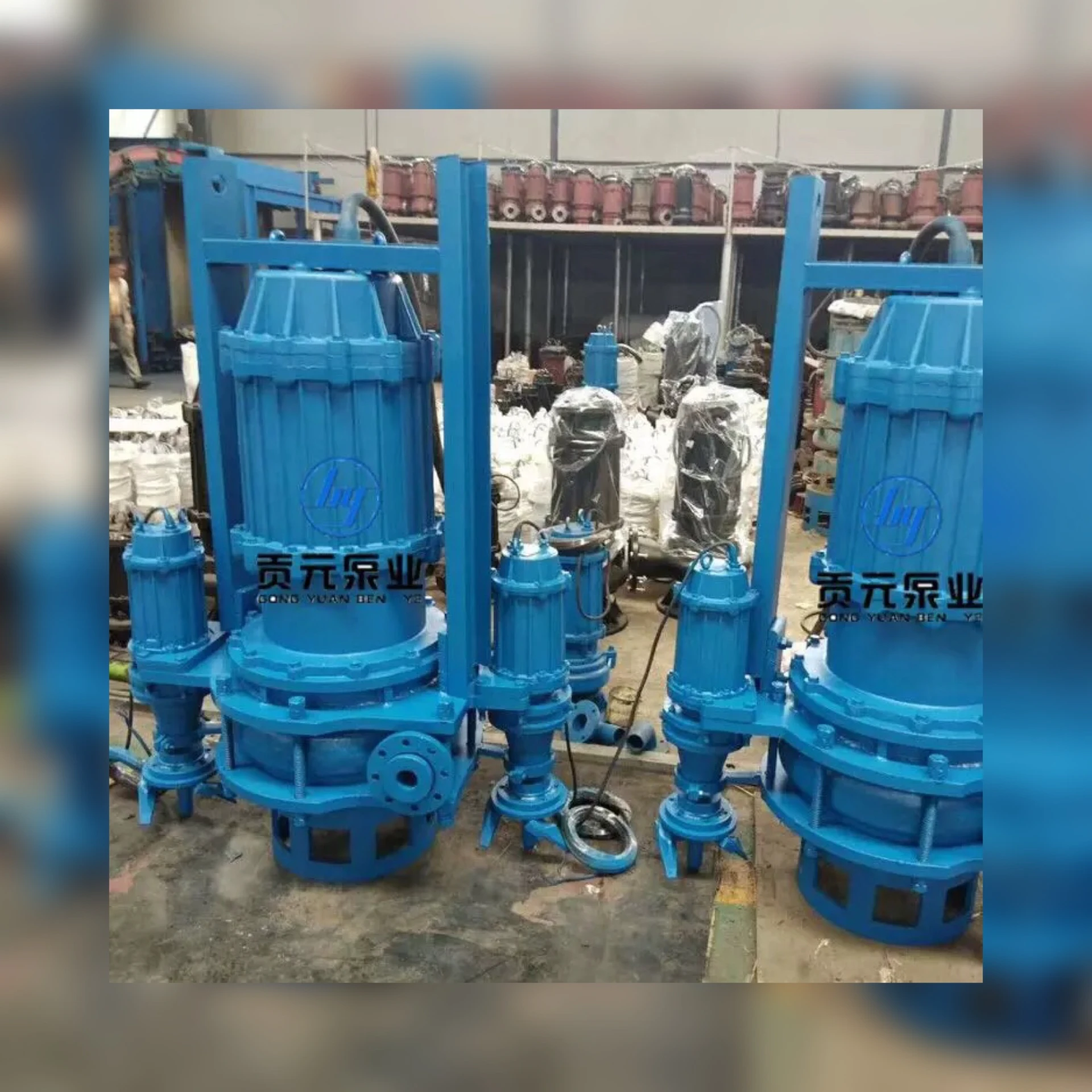
Vertical slurry sump pumps are critical components in numerous industrial processes, including mining, wastewater treatment, and chemical processing. The rubber parts – including impellers, liners, volute casings, and seals – are fundamental to their performance and longevity, directly impacting pump efficiency, solids handling capability, and overall operational cost. These components are specifically engineered to resist abrasion, corrosion, and impact from the abrasive slurries they handle. This guide details the material science, manufacturing processes, performance characteristics, failure modes, and maintenance strategies for these vital rubber components, providing a comprehensive resource for procurement managers, engineers, and maintenance personnel. The industry currently faces challenges with balancing cost-effectiveness with performance, particularly regarding the selection of rubber compounds capable of withstanding increasingly aggressive slurry compositions and operating conditions. Prolonged downtime due to premature component failure is a significant pain point, driving demand for higher-quality, durable rubber parts and improved preventative maintenance protocols.
Material Science & Manufacturing
The primary materials used in vertical slurry sump pump rubber parts are natural rubber (NR), styrene-butadiene rubber (SBR), nitrile rubber (NBR), ethylene propylene diene monomer (EPDM) rubber, and polyurethane (PU). Natural rubber offers excellent resilience and tear strength but has limited resistance to oils and chemicals. SBR provides improved abrasion resistance compared to NR at a lower cost. NBR is known for its exceptional resistance to oils, fuels, and hydraulic fluids, making it suitable for applications handling petroleum-based slurries. EPDM excels in resistance to weathering, ozone, and UV exposure, ideal for outdoor installations or chemically aggressive environments. Polyurethane boasts the highest abrasion resistance and load-bearing capacity, but its lower elongation can make it susceptible to cracking under extreme flexing.
Manufacturing typically involves several stages. Rubber compounds are first mixed with reinforcing fillers like silica, carbon black, or metal oxides to enhance mechanical properties. The mixture undergoes calendering to create sheets of uniform thickness, followed by molding. Molding processes include compression molding, transfer molding, and injection molding, each suited to different part geometries and production volumes. Compression molding is cost-effective for large, simple parts, while injection molding provides precision and repeatability for complex designs. Post-molding processes include trimming, vulcanization (curing), and quality inspection. Vulcanization, typically using sulfur-based systems, crosslinks the rubber chains, improving elasticity, tensile strength, and resistance to temperature variations. Parameter control during vulcanization – temperature, pressure, and time – is critical to achieving optimal physical properties. Improper curing can lead to under-cured (low strength) or over-cured (brittle) rubber.
Performance & Engineering
The performance of rubber pump parts is dictated by a complex interplay of factors, including slurry characteristics (solids concentration, particle size, shape, and composition), flow velocity, operating temperature, and pressure. Force analysis is crucial during design to ensure the component can withstand the hydrodynamic forces exerted by the slurry and the mechanical stresses from pump operation. Finite element analysis (FEA) is often employed to simulate stress distribution and identify potential failure points. Environmental resistance is paramount. Chemical compatibility between the rubber compound and the slurry is essential to prevent swelling, degradation, or dissolution. Abrasion resistance is a key performance indicator, measured using standardized tests like the Taber abrasion test or rubber wheel abrasion test.
Compliance requirements vary by region and industry. For example, components used in potable water applications must comply with NSF/ANSI 61 standards for drinking water system components. In the food and beverage industry, FDA compliance is mandatory. Environmental regulations, such as REACH and RoHS, restrict the use of certain hazardous substances in rubber compounds. Understanding and adhering to these regulations is crucial for market access and product safety. Furthermore, the impeller geometry, rubber hardness (Durometer), and liner thickness directly influence pump efficiency and solids handling capacity. Optimizing these parameters requires a comprehensive understanding of the specific application requirements.
Technical Specifications
| Rubber Compound | Hardness (Shore A) | Tensile Strength (MPa) | Elongation at Break (%) |
|---|---|---|---|
| Natural Rubber (NR) | 60-80 | 15-25 | 500-800 |
| Styrene-Butadiene Rubber (SBR) | 50-70 | 12-20 | 400-600 |
| Nitrile Rubber (NBR) | 60-90 | 18-30 | 300-500 |
| Ethylene Propylene Diene Monomer (EPDM) | 50-70 | 10-20 | 400-700 |
| Polyurethane (PU) | 70-95 | 25-40 | 100-300 |
| Chloroprene Rubber (CR) | 60-80 | 14-22 | 300-500 |
Failure Mode & Maintenance
Common failure modes in vertical slurry sump pump rubber parts include abrasive wear, erosion, chemical attack, fatigue cracking, and thermal degradation. Abrasive wear is the most prevalent, occurring due to the impact of solid particles on the rubber surface. Erosion results from the combined effect of impact and fluid velocity. Chemical attack arises from the interaction of the slurry with the rubber compound, leading to swelling, softening, or dissolution. Fatigue cracking occurs under cyclic loading, especially in components subject to flexing or vibration. Thermal degradation is accelerated at elevated temperatures, causing the rubber to lose its elasticity and strength.
Preventative maintenance is crucial to maximizing component lifespan. Regular inspections should identify signs of wear, such as thinning liners, chipped impellers, or cracked seals. Monitoring slurry composition and operating conditions can help predict potential problems. Implementing a scheduled replacement program based on operating hours or performance data minimizes unscheduled downtime. Lubrication of rubber seals and bearings reduces friction and wear. Proper storage of spare parts is essential to prevent deterioration due to ozone exposure, UV radiation, or temperature fluctuations. When replacing components, it’s vital to ensure correct fit and alignment to avoid premature failure. Failure analysis, including visual inspection, hardness testing, and chemical analysis, can help identify the root cause of failures and inform material selection or process improvements.
Industry FAQ
Q: What is the primary advantage of using polyurethane rubber for impeller construction in highly abrasive slurry applications?
A: Polyurethane offers significantly superior abrasion resistance compared to other common rubber compounds like natural rubber or SBR. This translates to a longer service life in applications handling high concentrations of hard, abrasive particles, reducing the frequency of impeller replacements and minimizing downtime. While it may have lower elongation, careful design and material selection can mitigate cracking risks.
Q: How does slurry temperature impact the selection of a suitable rubber compound for pump liners?
A: Elevated slurry temperatures can accelerate the degradation of many rubber compounds. NBR, for instance, can lose its elasticity and chemical resistance at high temperatures. EPDM generally performs better at higher temperatures, maintaining its properties for longer. Polyurethane also exhibits good thermal stability. It's crucial to select a compound with a temperature rating that exceeds the maximum expected slurry temperature to ensure long-term performance.
Q: What are the key considerations when choosing between compression molding and injection molding for rubber pump components?
A: Compression molding is typically more cost-effective for large, simple parts and lower production volumes. However, it offers less dimensional precision than injection molding. Injection molding is ideal for complex geometries, high production volumes, and tight tolerances. The choice depends on the part’s complexity, required precision, and production scale.
Q: How can we mitigate the risk of chemical attack on rubber pump parts when handling aggressive slurries?
A: Careful material selection is paramount. Conduct a chemical compatibility study to identify rubber compounds that are resistant to the specific chemicals present in the slurry. Consider using fluorocarbon rubber (FKM) or specialized EPDM formulations for highly corrosive environments. Regularly inspect the parts for signs of swelling, softening, or degradation.
Q: What role does rubber hardness (Durometer) play in the performance of vertical slurry sump pump components?
A: Rubber hardness directly impacts abrasion resistance and flexibility. Higher hardness generally provides better abrasion resistance but can reduce flexibility and increase the risk of cracking. Lower hardness offers greater flexibility but may wear more quickly. The optimal hardness depends on the specific application requirements and the balance between abrasion resistance and flexibility.
Conclusion
Selecting the appropriate rubber materials and manufacturing processes for vertical slurry sump pump components is critical for ensuring optimal performance, reliability, and longevity. The choice hinges on a thorough understanding of slurry characteristics, operating conditions, and applicable industry standards. Proper maintenance practices, including regular inspections and scheduled replacements, are essential for maximizing component lifespan and minimizing downtime.
Future developments in rubber technology, such as the incorporation of nanofillers and self-healing polymers, promise to further enhance the performance and durability of these critical components. Continuous monitoring of slurry composition and operating parameters, coupled with data-driven predictive maintenance strategies, will become increasingly important for optimizing pump efficiency and reducing operational costs. A holistic approach – encompassing material selection, manufacturing control, and proactive maintenance – is vital for achieving sustainable and reliable operation of vertical slurry sump pumps.
-
Precision at the Pump: How Better Machining Protects Flow and Uptime
News2026-11-20
-
Why Pump Reliability Begins Before the First Drop of Fluid
News2026-11-20
-
Beyond the Pump: Designing Safer Access Around Critical Water Infrastructure
News2026-11-20
-
Why Pumping Stations Depend on the Infrastructure Beneath the Pumps
News2026-11-20
-
Beyond the Pump Room: How Smarter Loading Protects Industrial Equipment
News2026-11-19
-
When Pumps Stop: Designing More Resilient Power for Critical Pumping Systems
News2026-11-19
-
The Hidden Role of Dust and Gas Monitoring in Reliable Pump Operations
News2026-11-19
-
The Hidden Role of Mineral Compounds in Extending Industrial Pump Lifespan
News2026-10-12
-
Why Pump System Reliability Depends on Precision Hose Assembly Methods
News2026-09-15
-
How Advanced Imaging Films Are Transforming Pump Component Quality Control
News2026-08-25
-
How Advanced Filtration Protects Pump Systems from Premature Wear and Costly Downtime
News2026-08-25
-
How Steel Material Selection Drives Pump Reliability in Heavy-Duty Systems
News2026-08-25
-
Ensuring Pump System Efficiency: The Role of High-Quality Pipe Fittings and Tubing
News2026-08-24
-
Optimizing Fluid Dynamics and Material Consistency in Industrial Processing
News2026-08-18
-
Innovations and Challenges in Hydraulic Systems for Heavy Machinery
News2026-08-13




