English
- Afrikaans
- Albanian
- Amharic
- Arabic
- Armenian
- Azerbaijani
- Basque
- Belarusian
- Bengali
- Bosnian
- Bulgarian
- Catalan
- Cebuano
- Corsican
- Croatian
- Czech
- Danish
- Dutch
- English
- Esperanto
- Estonian
- Finnish
- French
- Frisian
- Galician
- Georgian
- German
- Greek
- Gujarati
- Haitian Creole
- hausa
- hawaiian
- Hebrew
- Hindi
- Miao
- Hungarian
- Icelandic
- igbo
- Indonesian
- irish
- Italian
- Japanese
- Javanese
- Kannada
- kazakh
- Khmer
- Rwandese
- Korean
- Kurdish
- Kyrgyz
- Lao
- Latin
- Latvian
- Lithuanian
- Luxembourgish
- Macedonian
- Malgashi
- Malay
- Malayalam
- Maltese
- Maori
- Marathi
- Mongolian
- Myanmar
- Nepali
- Norwegian
- Norwegian
- Occitan
- Pashto
- Persian
- Polish
- Portuguese
- Punjabi
- Romanian
- Russian
- Samoan
- Scottish Gaelic
- Serbian
- Sesotho
- Shona
- Sindhi
- Sinhala
- Slovak
- Slovenian
- Somali
- Spanish
- Sundanese
- Swahili
- Swedish
- Tagalog
- Tajik
- Tamil
- Tatar
- Telugu
- Thai
- Turkish
- Turkmen
- Ukrainian
- Urdu
- Uighur
- Uzbek
- Vietnamese
- Welsh
- Bantu
- Yiddish
- Yoruba
- Zulu

Telephone: +86 13120555503
Email: frank@cypump.com


Apr . 01, 2024 17:55 Back to list
vertical slurry pumps Performance Analysis
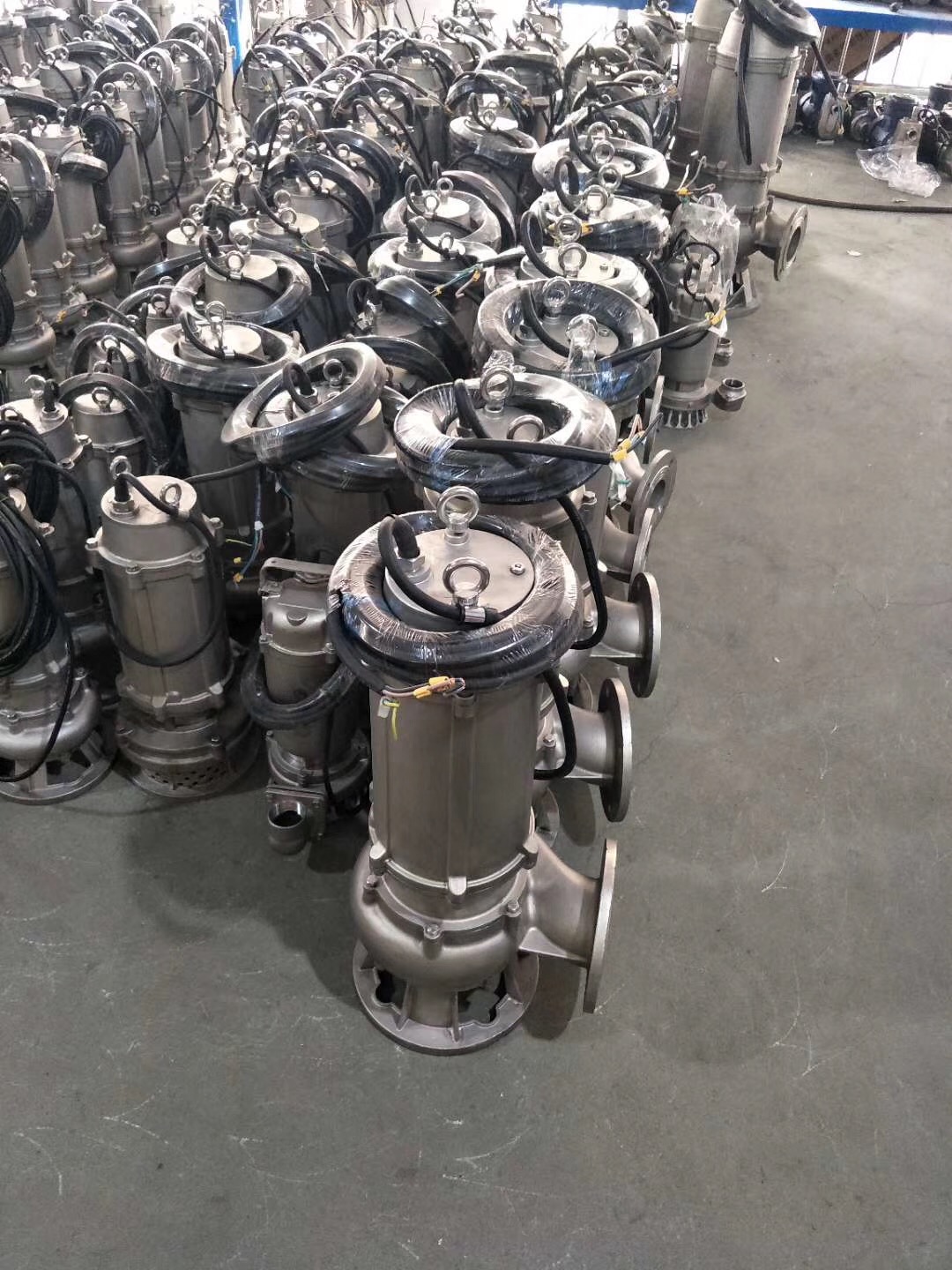
Introduction
Vertical slurry pumps are centrifugal pumps specifically designed for handling abrasive, corrosive, and high-solids content fluids. Unlike horizontally mounted pumps, their vertical configuration offers significant advantages in applications where space is limited, or the liquid source level fluctuates. Positioned within the broader fluid handling industry, these pumps represent a critical component in sectors like mining, wastewater treatment, chemical processing, and aggregate production. Core performance characteristics center around flow rate, head (pressure), solids handling capacity, and resistance to wear and corrosion. The increasing demands for efficient and reliable fluid transport in challenging environments are driving innovation in materials, hydraulic design, and monitoring systems within this product category. The primary pain point for end-users revolves around minimizing downtime due to component failure, reducing maintenance costs, and optimizing energy efficiency while maintaining consistent performance with varying slurry compositions.
Material Science & Manufacturing
The construction of vertical slurry pumps heavily relies on materials selected for their robust resistance to erosion, corrosion, and abrasion. Common wetted parts are constructed from high-chrome cast iron (typically 27% Cr), providing exceptional wear resistance against solid particles. For severely abrasive applications, alternative materials like ceramic linings (alumina, silicon carbide), hardened stainless steels (Duplex, Super Duplex), or specialized polymer coatings are employed. Impeller materials are crucial; closed impellers are suited for lower solids concentrations, while open or semi-open impellers are used for higher solids content to prevent clogging. The pump casing is typically manufactured from cast iron, steel, or rubber-lined steel. Manufacturing processes vary depending on the component. Casings are often produced via sand casting, followed by heat treatment for improved mechanical properties. Impellers are typically investment cast for complex geometries. Shafts are forged and machined to precise tolerances to ensure concentricity and minimize vibration. Rubber linings are applied using vulcanization processes, creating a durable, chemically resistant barrier. Key parameter control during manufacturing involves precise dimensional accuracy of the impeller and casing, surface finish to minimize friction losses, and accurate balancing of rotating components to reduce vibration. Welding procedures for steel components must adhere to stringent quality control standards (e.g., AWS D1.1) to ensure structural integrity and prevent cracking.
Performance & Engineering
The performance of vertical slurry pumps is governed by principles of fluid dynamics and mechanical engineering. Force analysis focuses on hydraulic forces acting on the impeller, radial loads from the shaft, and axial thrust caused by pressure differentials. Hydraulic design considers impeller geometry (blade angle, vane number), casing volute shape, and diffuser design to optimize flow rate and head. The pump’s performance curve (head vs. flow rate) is critical for selecting the appropriate pump for a specific application. Environmental resistance is paramount; pumps operating in corrosive environments require careful material selection and protective coatings. Considerations include pH levels, temperature, and the presence of specific corrosive agents. Compliance requirements are dictated by industry-specific standards and regulations. For example, pumps used in the mining industry may need to meet MSHA safety standards. Pumps handling wastewater must comply with EPA regulations regarding discharge limits. Functional implementation relies on proper motor selection, drive configuration (direct drive, belt drive, gearbox), and sealing systems. Mechanical seals are commonly used to prevent leakage, with options including single, double, or tandem seals depending on the fluid’s properties and pressure. Pump efficiency is a crucial engineering parameter, impacted by impeller design, internal clearances, and fluid viscosity. Cavitation is a significant concern; proper Net Positive Suction Head Available (NPSHa) must be ensured to prevent vapor formation and impeller damage.
Technical Specifications
| Parameter | Unit | Typical Value (Range) | Description |
|---|---|---|---|
| Flow Rate | m³/h | 10 – 1500 | Volume of fluid pumped per hour. |
| Total Dynamic Head | m | 5 – 80 | The total pressure the pump can generate. |
| Solids Handling Capacity | % by weight | Up to 70 | Maximum concentration of solid particles in the slurry. |
| Maximum Particle Size | mm | Up to 100 | Largest particle size the pump can handle without clogging. |
| Pump Speed | RPM | 500 – 3600 | Rotational speed of the impeller. |
| Power | kW | 0.75 – 300 | Electrical power required to operate the pump. |
Failure Mode & Maintenance
Vertical slurry pumps are susceptible to several failure modes. Fatigue cracking can occur in the shaft and impeller due to cyclic loading, especially when handling highly abrasive slurries. Erosion is a common issue, particularly on the impeller vanes and casing liner, leading to gradual material loss and decreased pump efficiency. Corrosion, induced by aggressive chemicals in the slurry, can cause pitting, crevice corrosion, and ultimately, component failure. Mechanical seal failure is frequent, often caused by abrasive particles damaging the seal faces or chemical attack degrading the seal materials. Bearing failure can result from inadequate lubrication, contamination, or excessive load. Delamination of rubber linings can occur due to bond failure between the rubber and the substrate. Oxidation of metal components can reduce their strength and ductility. Preventive maintenance is critical. Regular inspections should include visual checks for wear and corrosion, vibration analysis to detect bearing issues, and seal integrity testing. Lubrication schedules must be strictly adhered to, using appropriate greases or oils. Impeller and casing wear should be monitored and components replaced when wear exceeds acceptable limits. Mechanical seals should be inspected and replaced periodically, based on operating conditions and fluid characteristics. Proper alignment of the pump and motor is essential to minimize vibration and bearing wear. Regular cleaning of the pump and surrounding area helps prevent contamination and corrosion.
Industry FAQ
Q: What is the impact of slurry viscosity on pump performance and what adjustments should be made?
A: Increased slurry viscosity reduces pump flow rate and head, while increasing power consumption. To compensate, a larger impeller diameter or a pump with a higher specific speed may be required. Additionally, ensuring adequate NPSHa is crucial, as higher viscosity can exacerbate cavitation. Consider using a variable frequency drive (VFD) to optimize pump speed based on changing viscosity.
Q: How do you select the appropriate material of construction for a pump handling a highly corrosive slurry?
A: Material selection depends on the specific corrosive agents present in the slurry and their concentration. Generally, for strong acids, stainless steel alloys (Duplex, Super Duplex) or corrosion-resistant polymers (e.g., PTFE, PVDF) are preferred. For alkaline slurries, nickel-based alloys may be necessary. Thorough chemical compatibility testing is essential before final material selection.
Q: What are the key considerations for minimizing cavitation in a vertical slurry pump?
A: Ensuring adequate NPSHa is the most critical factor. This involves maximizing suction lift, minimizing suction line losses, and maintaining a sufficient liquid level in the supply tank. Lowering pump speed can also increase NPSHa. Proper impeller design and avoiding sharp bends in the suction piping are also important.
Q: What are the benefits of using a vertical pump versus a horizontal pump in a sump application?
A: Vertical pumps eliminate the need for a submerged motor and seal, reducing the risk of motor failure in a wet environment. They require less floor space and are ideal for sumps with fluctuating liquid levels, as the impeller remains submerged. They also simplify installation and maintenance compared to horizontal pumps with long suction lines.
Q: How does the impeller type affect the pump’s ability to handle solids?
A: Open or semi-open impellers are designed with larger passageways to prevent clogging when handling slurries with high solids content. Closed impellers are more efficient for clean liquids but are prone to clogging in abrasive slurries. The impeller’s vane geometry and blade angle also influence its solids handling capability. For particularly abrasive slurries, hardened impellers with replaceable wear plates are recommended.
Conclusion
Vertical slurry pumps represent a vital technology for handling challenging fluids across a diverse range of industries. Their design, material selection, and performance characteristics are inextricably linked to the specific properties of the slurry being pumped. Optimizing pump selection and operation requires a thorough understanding of fluid dynamics, corrosion science, and mechanical engineering principles. The ongoing drive for increased efficiency, reduced downtime, and extended component life will continue to fuel innovation in vertical slurry pump technology, focusing on advanced materials, improved hydraulic designs, and predictive maintenance strategies.
Future developments will likely center on smart pump systems incorporating sensors and data analytics to monitor pump performance in real-time, predict failures, and optimize maintenance schedules. The integration of advanced sealing technologies and wear-resistant coatings will further enhance pump reliability and longevity. Furthermore, the adoption of computational fluid dynamics (CFD) modeling and finite element analysis (FEA) will enable engineers to design pumps with improved hydraulic efficiency and structural integrity, tailored to the specific demands of each application.
-
Precision at the Pump: How Better Machining Protects Flow and Uptime
News2026-11-20
-
Why Pump Reliability Begins Before the First Drop of Fluid
News2026-11-20
-
Beyond the Pump: Designing Safer Access Around Critical Water Infrastructure
News2026-11-20
-
Why Pumping Stations Depend on the Infrastructure Beneath the Pumps
News2026-11-20
-
Beyond the Pump Room: How Smarter Loading Protects Industrial Equipment
News2026-11-19
-
When Pumps Stop: Designing More Resilient Power for Critical Pumping Systems
News2026-11-19
-
The Hidden Role of Dust and Gas Monitoring in Reliable Pump Operations
News2026-11-19
-
The Hidden Role of Mineral Compounds in Extending Industrial Pump Lifespan
News2026-10-12
-
Why Pump System Reliability Depends on Precision Hose Assembly Methods
News2026-09-15
-
How Advanced Imaging Films Are Transforming Pump Component Quality Control
News2026-08-25
-
How Advanced Filtration Protects Pump Systems from Premature Wear and Costly Downtime
News2026-08-25
-
How Steel Material Selection Drives Pump Reliability in Heavy-Duty Systems
News2026-08-25
-
Ensuring Pump System Efficiency: The Role of High-Quality Pipe Fittings and Tubing
News2026-08-24
-
Optimizing Fluid Dynamics and Material Consistency in Industrial Processing
News2026-08-18
-
Innovations and Challenges in Hydraulic Systems for Heavy Machinery
News2026-08-13




