English
- Afrikaans
- Albanian
- Amharic
- Arabic
- Armenian
- Azerbaijani
- Basque
- Belarusian
- Bengali
- Bosnian
- Bulgarian
- Catalan
- Cebuano
- Corsican
- Croatian
- Czech
- Danish
- Dutch
- English
- Esperanto
- Estonian
- Finnish
- French
- Frisian
- Galician
- Georgian
- German
- Greek
- Gujarati
- Haitian Creole
- hausa
- hawaiian
- Hebrew
- Hindi
- Miao
- Hungarian
- Icelandic
- igbo
- Indonesian
- irish
- Italian
- Japanese
- Javanese
- Kannada
- kazakh
- Khmer
- Rwandese
- Korean
- Kurdish
- Kyrgyz
- Lao
- Latin
- Latvian
- Lithuanian
- Luxembourgish
- Macedonian
- Malgashi
- Malay
- Malayalam
- Maltese
- Maori
- Marathi
- Mongolian
- Myanmar
- Nepali
- Norwegian
- Norwegian
- Occitan
- Pashto
- Persian
- Polish
- Portuguese
- Punjabi
- Romanian
- Russian
- Samoan
- Scottish Gaelic
- Serbian
- Sesotho
- Shona
- Sindhi
- Sinhala
- Slovak
- Slovenian
- Somali
- Spanish
- Sundanese
- Swahili
- Swedish
- Tagalog
- Tajik
- Tamil
- Tatar
- Telugu
- Thai
- Turkish
- Turkmen
- Ukrainian
- Urdu
- Uighur
- Uzbek
- Vietnamese
- Welsh
- Bantu
- Yiddish
- Yoruba
- Zulu

Telephone: +86 13120555503
Email: frank@cypump.com


Apr . 01, 2024 17:55 Back to list
vertical slurry pump suppliers Performance Engineering
Introduction
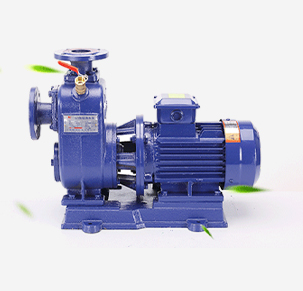
Vertical slurry pumps are engineered for the demanding task of transporting abrasive and corrosive fluids in a vertical configuration. These pumps are integral to industries like mining, wastewater treatment, chemical processing, and aggregate production, offering a robust solution where space is limited or liquid levels fluctuate significantly. Unlike horizontal pumps, vertical slurry pumps eliminate the need for subsurface priming, increasing operational reliability and reducing maintenance. The core performance characteristics—flow rate, head, and solids handling capability—are critical selection parameters dictated by the specific slurry composition and application requirements. A key industry pain point is balancing pump longevity with the total cost of ownership, necessitating careful material selection and impeller design to mitigate abrasive wear and corrosion. Understanding the pump's position within the overall process flow—from initial slurry extraction to final discharge—is paramount for optimal system performance and efficiency. This guide provides an in-depth technical overview for procurement managers, engineers, and maintenance personnel involved with vertical slurry pump systems.
Material Science & Manufacturing
The construction of vertical slurry pumps relies on materials chosen for their resistance to abrasion, corrosion, and erosion. Common materials include high-chrome cast iron (for abrasive slurries), stainless steels (304, 316, duplex) for corrosion resistance, and specialized alloys like Hastelloy or titanium for extremely aggressive environments. The impeller and volute casing are typically manufactured from these materials. Manufacturing processes vary based on material and component. Casings are frequently produced via sand casting or investment casting, ensuring dimensional accuracy and complex geometries. Impellers are often cast or forged, followed by machining to precise tolerances. Shafts are typically forged from alloy steel and subjected to heat treatment for increased strength and fatigue resistance. Key parameter control during manufacturing involves ensuring proper hardness levels (measured via Rockwell hardness testing) for wear resistance, achieving precise impeller blade angles for hydraulic efficiency, and maintaining tight dimensional tolerances to prevent cavitation and leakage. Weld procedures for joining components must adhere to stringent standards (AWS D1.1) to ensure structural integrity and prevent weld defects such as porosity or cracking. Rubber liners are often applied to casings and impellers to further enhance abrasion resistance, requiring precise bonding techniques and quality control checks for adhesion strength. The selection of appropriate elastomer compounds (natural rubber, EPDM, butyl) is critical, based on slurry chemical composition and operating temperature. Material certification (mill test reports) is a standard requirement for critical components.
Performance & Engineering
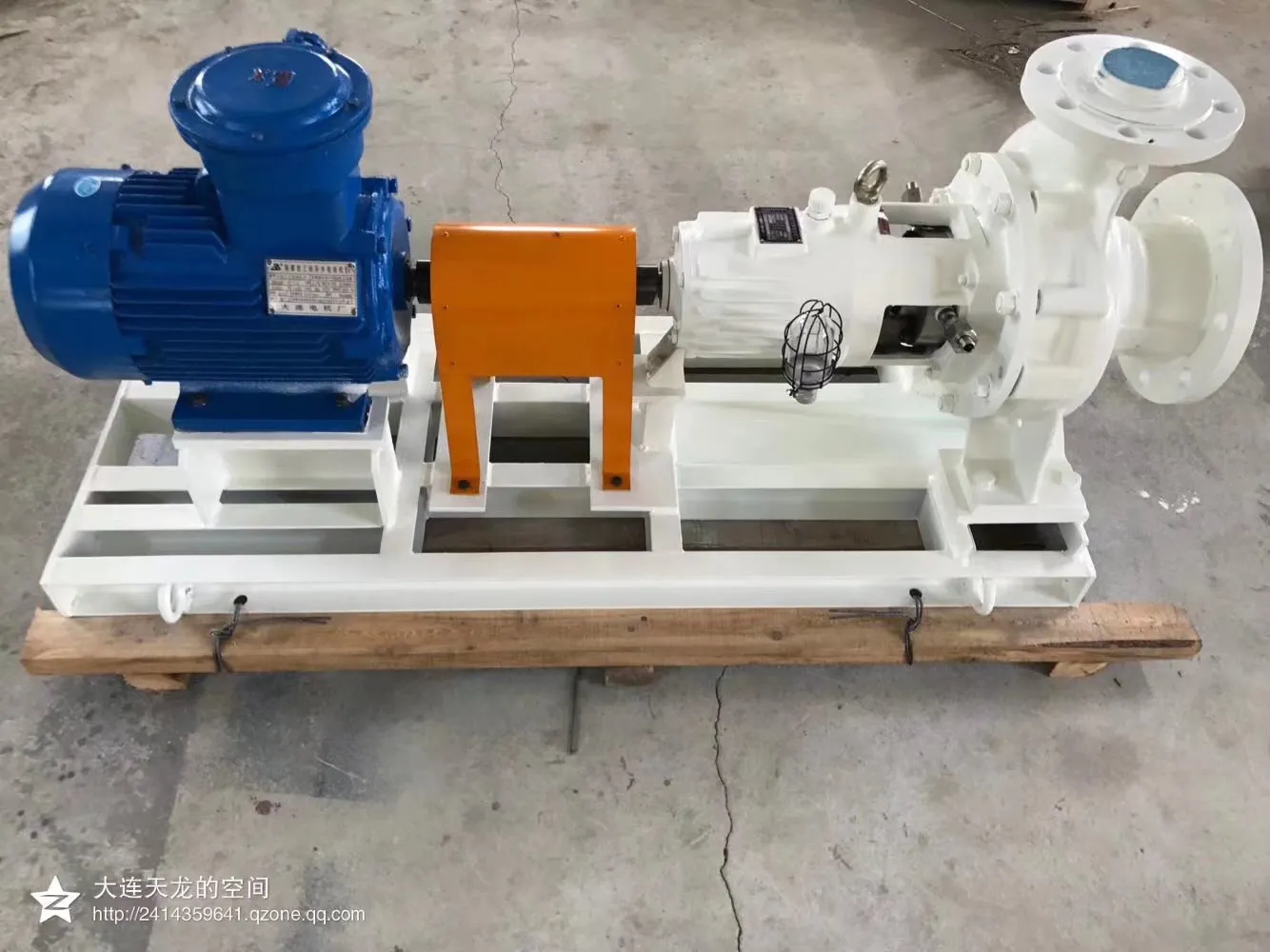
The performance of a vertical slurry pump is fundamentally governed by fluid dynamics and mechanical engineering principles. Force analysis involves calculating the hydrostatic pressure, dynamic pressure, and frictional losses within the pump. The pump’s head (the height to which the fluid can be lifted) is determined by impeller diameter, rotational speed, and fluid properties (density, viscosity). Flow rate is proportional to impeller speed and diameter. A critical engineering consideration is Net Positive Suction Head Required (NPSHr), which must be lower than the Net Positive Suction Head Available (NPSHa) to prevent cavitation – the formation of vapor bubbles that can damage the impeller. Cavitation performance is evaluated using standardized tests (ANSI/HI Standard 14). Environmental resistance is crucial; pumps operating outdoors must be protected from weather elements and temperature extremes. Compliance requirements include adherence to hydraulic institute standards (ANSI/HI) for pump performance testing and efficiency ratings, as well as safety standards (OSHA) for pump operation and maintenance. Pump selection must account for the slurry’s specific gravity, solids concentration (by weight or volume), particle size distribution, and chemical composition. The pump’s internal clearances must be optimized to handle the solids without clogging or excessive wear. Mechanical seals are critical components, requiring careful selection based on slurry abrasiveness and chemical compatibility, and regular monitoring for leakage. Proper alignment between the pump and driver (motor or engine) is essential to minimize vibration and bearing wear.
Technical Specifications
| Parameter | Unit | Typical Range (Small Pump) | Typical Range (Large Pump) |
|---|---|---|---|
| Flow Rate | m³/h | 5-50 | 200-1000 |
| Head | m | 10-30 | 50-150 |
| Solids Handling Size | mm | Up to 25 | Up to 75 |
| Slurry Concentration (by weight) | % | Up to 30 | Up to 60 |
| Power | kW | 1.5-7.5 | 30-150 |
| Operating Temperature | °C | -20 to +80 | -20 to +120 |
Failure Mode & Maintenance
Vertical slurry pumps are susceptible to several failure modes. Abrasive wear is a primary concern, leading to impeller erosion, casing wall thinning, and reduced pump performance. Corrosion can attack metallic components, especially in acidic or alkaline slurries, resulting in pitting, cracking, and eventual failure. Mechanical seal failure, often due to abrasive particles or chemical incompatibility, leads to leakage and potential pump damage. Fatigue cracking can occur in shafts or casings due to cyclic loading and stress concentrations. Bearing failure, caused by inadequate lubrication, misalignment, or excessive loading, results in vibration and potential pump seizure. Delamination of rubber liners can occur due to poor bonding or chemical attack. Oxidation and erosion of impeller vanes will lead to head/flow loss and decreased efficiency. Preventive maintenance is critical. Regular inspection of impellers, casings, and seals is essential to identify wear and corrosion. Lubrication schedules should be strictly followed. Bearing temperatures should be monitored. Alignment should be checked and corrected periodically. Mechanical seals should be replaced proactively based on operating conditions and seal type. Proper slurry analysis is essential for selecting compatible materials and optimizing pump operation. Vibration analysis can detect early signs of bearing failure or impeller imbalance. Detailed maintenance records are crucial for tracking pump performance and identifying recurring issues.
Industry FAQ
Q: What is the primary difference in maintenance requirements between a vertical and a horizontal slurry pump?
A: Vertical slurry pumps generally require less frequent maintenance related to bearing lubrication and seal replacement, due to the cantilever design and reduced shaft deflection. However, access for impeller inspection and replacement can be more challenging with vertical pumps, potentially increasing downtime. Horizontal pumps have simpler access to the impeller but are more susceptible to seal failure due to shaft deflection.
Q: How does slurry composition impact material selection for impeller and casing?
A: Highly abrasive slurries necessitate high-chrome cast iron or ceramic-lined components. Corrosive slurries require stainless steels, duplex stainless steels, or specialized alloys like Hastelloy. The presence of specific chemicals dictates the elastomer type for liners and seals. A comprehensive slurry analysis is paramount for informed material selection.
Q: What are the key indicators of impending cavitation damage?
A: Unusual noise (a rattling or popping sound), reduced pump performance (lower flow rate or head), and visible damage to the impeller (pitting or erosion) are all indicators of cavitation. Monitoring NPSHa and ensuring it exceeds NPSHr is critical for preventing cavitation.
Q: What are the implications of improper pump alignment?
A: Improper alignment leads to increased bearing loads, vibration, and potential shaft failure. It also reduces mechanical seal life and can cause premature wear of pump components. Regular alignment checks and corrections are essential.
Q: What is the role of variable frequency drives (VFDs) in vertical slurry pump applications?
A: VFDs allow for precise control of pump speed, enabling optimization of flow rate and head to match varying process demands. This can significantly reduce energy consumption, minimize wear, and improve overall system efficiency. However, VFDs require proper grounding and shielding to prevent electrical noise from interfering with pump controls.
Conclusion
Vertical slurry pumps represent a critical component in numerous industrial processes demanding robust fluid handling capabilities. Their design, material science, and operational parameters require careful consideration to ensure longevity, efficiency, and reliable performance. Understanding the interplay between slurry characteristics, pump specifications, and potential failure modes is vital for optimizing total cost of ownership.
Looking ahead, advancements in materials science – including the development of more abrasion and corrosion-resistant alloys – will continue to enhance pump life and reduce maintenance requirements. The integration of predictive maintenance technologies, utilizing sensor data and machine learning algorithms, will enable proactive identification of potential failures, minimizing downtime and maximizing operational efficiency. The continued adoption of VFDs and smart pump control systems will further optimize energy consumption and system performance.
-
Effluent vs Sump Pump Performance Analysis
News2026-05-22
-
effluent septic pump Performance Engineering
News2026-05-22
-
best sewer pumps Performance Engineering
News2026-05-22
-
best sewer pump Performance Analysis
News2026-05-22
-
best sewage pumps Performance Engineering
News2026-05-22
-
basement bathroom sewage pump Material Science Manufacturing
News2026-05-21
-
wastewater treatment plant pumps Material Science Manufacturing
News2026-05-21
-
waste water pump for basement Material Science Manufacturing
News2026-05-21
-
sump pump sewage Performance Analysis
News2026-05-21
-
sump pump for sewage Material Science and Manufacturing
News2026-05-21
-
sump pump for septic systems Material Science Manufacturing
News2026-05-20
-
sump pump and ejector pump Material Science Manufacturing
News2026-05-20
-
sewage treatment plant pumps Performance Analysis
News2026-05-20
-
sewage tank pump Material Science and Manufacturing
News2026-05-20
-
sewage pump for septic tank Performance Analysis
News2026-05-20




