English
- Afrikaans
- Albanian
- Amharic
- Arabic
- Armenian
- Azerbaijani
- Basque
- Belarusian
- Bengali
- Bosnian
- Bulgarian
- Catalan
- Cebuano
- Corsican
- Croatian
- Czech
- Danish
- Dutch
- English
- Esperanto
- Estonian
- Finnish
- French
- Frisian
- Galician
- Georgian
- German
- Greek
- Gujarati
- Haitian Creole
- hausa
- hawaiian
- Hebrew
- Hindi
- Miao
- Hungarian
- Icelandic
- igbo
- Indonesian
- irish
- Italian
- Japanese
- Javanese
- Kannada
- kazakh
- Khmer
- Rwandese
- Korean
- Kurdish
- Kyrgyz
- Lao
- Latin
- Latvian
- Lithuanian
- Luxembourgish
- Macedonian
- Malgashi
- Malay
- Malayalam
- Maltese
- Maori
- Marathi
- Mongolian
- Myanmar
- Nepali
- Norwegian
- Norwegian
- Occitan
- Pashto
- Persian
- Polish
- Portuguese
- Punjabi
- Romanian
- Russian
- Samoan
- Scottish Gaelic
- Serbian
- Sesotho
- Shona
- Sindhi
- Sinhala
- Slovak
- Slovenian
- Somali
- Spanish
- Sundanese
- Swahili
- Swedish
- Tagalog
- Tajik
- Tamil
- Tatar
- Telugu
- Thai
- Turkish
- Turkmen
- Ukrainian
- Urdu
- Uighur
- Uzbek
- Vietnamese
- Welsh
- Bantu
- Yiddish
- Yoruba
- Zulu

Telephone: +86 13120555503
Email: frank@cypump.com


Apr . 01, 2024 17:55 Back to list
vertical slurry pump manufacturers Performance Analysis
Introduction
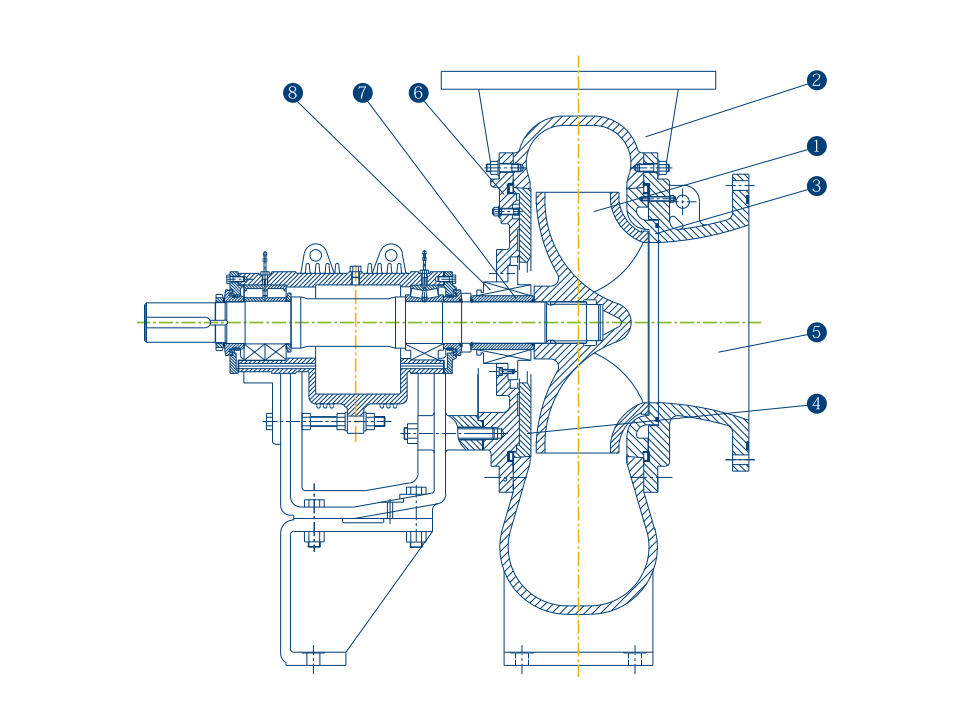
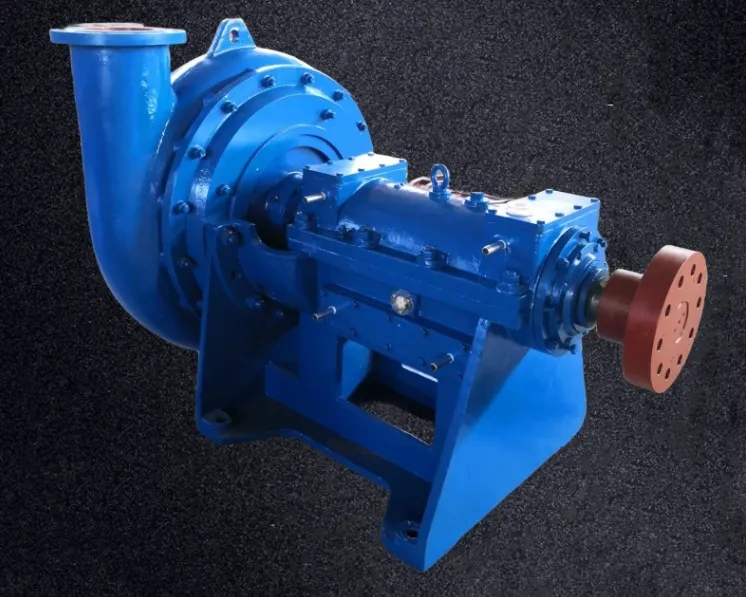
Vertical slurry pumps are critical components in numerous industrial processes involving the transport of abrasive, corrosive, and high-solids content fluids. These pumps, differing from centrifugal pumps in their vertical shaft orientation, are frequently employed in mining, wastewater treatment, chemical processing, and dredging applications. Their design addresses the specific challenges presented by slurries, including wear, erosion, and potential blockage. The pump’s positioning offers benefits in areas with limited space or where the sump is submerged, eliminating the need for priming. This guide provides a comprehensive technical overview of vertical slurry pumps, covering material science, manufacturing processes, performance characteristics, failure modes, maintenance procedures, and relevant industry standards. A primary pain point for operators is maximizing pump uptime and minimizing maintenance costs in highly abrasive environments. Selecting the appropriate materials and understanding wear mechanisms are, therefore, paramount considerations.
Material Science & Manufacturing
The performance and longevity of a vertical slurry pump are heavily dependent on the materials used in its construction. Critical components are exposed to significant erosion and corrosion. Pump casings are commonly constructed from high-chrome cast iron (typically 27-30% chromium content) due to its exceptional abrasion resistance. Alternatively, for highly corrosive environments, stainless steels (316, duplex stainless steel) or specialized alloys like Hastelloy are utilized, albeit at a higher cost. Impellers represent the most vulnerable component; materials selection here is crucial. High-chrome iron is standard, but for extreme conditions, ceramic materials (alumina, silicon carbide) offer superior wear resistance, particularly in highly abrasive slurries. Shafts are typically made from alloy steels (4140, 4340) subjected to heat treatment for increased strength and toughness. Seals are often composed of elastomers like Viton or EPDM, chosen for their chemical compatibility with the pumped fluid.
Manufacturing processes vary based on component complexity. Casings are typically produced via sand casting, followed by heat treatment and machining to achieve precise dimensions and surface finishes. Impellers often involve investment casting for intricate geometries. Shafts are machined from solid bar stock. Key parameter control during manufacturing includes dimensional accuracy to maintain impeller clearances, surface roughness to minimize friction, and heat treatment parameters to optimize material properties. Welding processes, specifically shielded metal arc welding (SMAW) or gas tungsten arc welding (GTAW), are utilized for repairs and joining of components. Quality control measures include non-destructive testing (NDT) such as radiographic inspection and ultrasonic testing to detect internal flaws.
Performance & Engineering
The performance of a vertical slurry pump is dictated by several key engineering considerations. Head (pressure developed by the pump), flow rate, and efficiency are all influenced by impeller design, pump speed, and the characteristics of the slurry itself. Impeller diameter and blade angle are critical parameters influencing head and flow. Higher impeller speeds generally result in increased head, but also higher wear rates. Slurry properties – solids concentration, particle size distribution, and density – significantly affect pump performance. Higher solids concentrations increase viscosity and abrasion, reducing efficiency and increasing wear. Force analysis is vital in designing pump components to withstand hydraulic forces and mechanical stresses.
Environmental resistance is also paramount. Pump materials must be selected for compatibility with the chemical composition of the slurry to prevent corrosion. Temperature extremes can impact material properties and seal performance. Compliance requirements, such as those outlined by OSHA for worker safety and EPA for environmental protection, must be met. For example, pump designs may need to incorporate leak detection systems and secondary containment measures. Functional implementation includes proper pump sizing to match the specific application requirements. Undersized pumps will struggle to deliver the required flow rate, while oversized pumps will operate inefficiently. Proper suction and discharge piping design are also essential to minimize cavitation and head loss.
Technical Specifications
| Parameter | Unit | Typical Range (Cast Iron Construction) | Typical Range (Stainless Steel Construction) |
|---|---|---|---|
| Flow Rate | m³/h | 10 – 500 | 5 – 300 |
| Total Head | m | 10 – 80 | 15 – 100 |
| Solids Handling Capability | mm | Up to 75 | Up to 50 |
| Pump Speed | RPM | 500 – 1800 | 500 – 1800 |
| Maximum Slurry Density | kg/m³ | 1200 | 1000 |
| Operating Temperature | °C | -20 to 80 | -20 to 150 |
Failure Mode & Maintenance
Vertical slurry pumps are susceptible to various failure modes. Abrasive wear is the most common, particularly affecting impellers and casings. Erosion caused by high-velocity slurry flow leads to material loss and reduced pump performance. Corrosion, particularly in acidic or alkaline slurries, degrades pump materials, weakening components and leading to leaks. Fatigue cracking can occur in shafts and impellers due to cyclic loading. Cavitation, caused by vapor pressure fluctuations, erodes impeller surfaces. Mechanical seal failures result in leakage and reduced efficiency. Bearing failures, often caused by inadequate lubrication or contamination, can lead to pump seizure.
Preventive maintenance is crucial. Regular inspections should focus on identifying signs of wear, corrosion, and leakage. Impellers should be inspected for erosion and replaced when necessary. Seals should be routinely checked and replaced at recommended intervals. Lubrication systems should be maintained to ensure adequate lubrication of bearings. Vibration analysis can detect early signs of mechanical problems. Troubleshooting should involve a systematic approach, starting with a visual inspection to identify obvious issues. Wear parts should be replaced with materials matched to the slurry composition. Proper alignment of pump components is essential to minimize vibration and bearing wear.
Industry FAQ
Q: What is the primary difference between a vertical cantilever pump and a vertical column pump?
A: A vertical cantilever pump has its impeller supported by a single bearing arrangement, extending outward from the casing. This simplifies maintenance as the entire rotating assembly can be removed without disturbing the piping. A vertical column pump, conversely, has its impeller supported by bearings within a long column extending into the sump. Column pumps are better suited for deeper sumps but maintenance requires more extensive disassembly.
Q: How does slurry particle size affect pump selection and lifespan?
A: Larger particle sizes lead to increased abrasive wear, necessitating the use of more wear-resistant materials like high-chrome iron or ceramics. Smaller particle sizes, while less abrasive individually, can contribute to increased slurry viscosity and potential blockage issues. Pump selection must consider the particle size distribution to ensure the pump can effectively handle the slurry without premature failure.
Q: What is the impact of slurry viscosity on pump performance?
A: Increased slurry viscosity reduces pump efficiency and flow rate. The pump must work harder to overcome the increased resistance to flow. Higher viscosity slurries may also require larger motor horsepower to maintain desired performance. Proper pump sizing and impeller selection are critical for handling viscous slurries.
Q: What type of mechanical seal is best suited for abrasive slurries?
A: Double mechanical seals with a barrier fluid are generally recommended for abrasive slurries. The barrier fluid lubricates the seal faces, preventing abrasive particles from damaging them. Silicon carbide seal faces are often preferred for their superior wear resistance. Regular monitoring of the barrier fluid is crucial to ensure seal longevity.
Q: How do I mitigate cavitation in a vertical slurry pump?
A: Cavitation can be mitigated by ensuring adequate net positive suction head available (NPSHA). This involves optimizing suction pipe diameter, minimizing suction pipe length, and reducing elevation differences between the slurry source and the pump inlet. Lowering the pump speed can also help reduce cavitation.
Conclusion
Vertical slurry pumps represent a vital technology for fluid handling in challenging industrial environments. Successful operation hinges on a deep understanding of material science, informed component selection, and diligent maintenance practices. The selection of appropriate materials—high-chrome iron, stainless steel, or even ceramic composites—is paramount for maximizing pump life in abrasive and corrosive applications. Furthermore, regular inspection and preventative maintenance, including seal checks, bearing lubrication, and impeller replacement, are essential for minimizing downtime and maximizing operational efficiency.
Looking forward, advancements in pump design, such as the implementation of computational fluid dynamics (CFD) for optimized impeller geometries and the development of new wear-resistant coatings, will continue to enhance the performance and reliability of vertical slurry pumps. Furthermore, integrating real-time monitoring systems for vibration, temperature, and flow rate will enable predictive maintenance strategies, further reducing operating costs and improving overall system uptime. The industry will likely see a greater focus on sustainable practices, including energy-efficient pump designs and the utilization of environmentally friendly materials.
-
Precision at the Pump: How Better Machining Protects Flow and Uptime
News2026-11-20
-
Why Pump Reliability Begins Before the First Drop of Fluid
News2026-11-20
-
Beyond the Pump: Designing Safer Access Around Critical Water Infrastructure
News2026-11-20
-
Why Pumping Stations Depend on the Infrastructure Beneath the Pumps
News2026-11-20
-
Beyond the Pump Room: How Smarter Loading Protects Industrial Equipment
News2026-11-19
-
When Pumps Stop: Designing More Resilient Power for Critical Pumping Systems
News2026-11-19
-
The Hidden Role of Dust and Gas Monitoring in Reliable Pump Operations
News2026-11-19
-
The Hidden Role of Mineral Compounds in Extending Industrial Pump Lifespan
News2026-10-12
-
Why Pump System Reliability Depends on Precision Hose Assembly Methods
News2026-09-15
-
How Advanced Imaging Films Are Transforming Pump Component Quality Control
News2026-08-25
-
How Advanced Filtration Protects Pump Systems from Premature Wear and Costly Downtime
News2026-08-25
-
How Steel Material Selection Drives Pump Reliability in Heavy-Duty Systems
News2026-08-25
-
Ensuring Pump System Efficiency: The Role of High-Quality Pipe Fittings and Tubing
News2026-08-24
-
Optimizing Fluid Dynamics and Material Consistency in Industrial Processing
News2026-08-18
-
Innovations and Challenges in Hydraulic Systems for Heavy Machinery
News2026-08-13




