English
- Afrikaans
- Albanian
- Amharic
- Arabic
- Armenian
- Azerbaijani
- Basque
- Belarusian
- Bengali
- Bosnian
- Bulgarian
- Catalan
- Cebuano
- Corsican
- Croatian
- Czech
- Danish
- Dutch
- English
- Esperanto
- Estonian
- Finnish
- French
- Frisian
- Galician
- Georgian
- German
- Greek
- Gujarati
- Haitian Creole
- hausa
- hawaiian
- Hebrew
- Hindi
- Miao
- Hungarian
- Icelandic
- igbo
- Indonesian
- irish
- Italian
- Japanese
- Javanese
- Kannada
- kazakh
- Khmer
- Rwandese
- Korean
- Kurdish
- Kyrgyz
- Lao
- Latin
- Latvian
- Lithuanian
- Luxembourgish
- Macedonian
- Malgashi
- Malay
- Malayalam
- Maltese
- Maori
- Marathi
- Mongolian
- Myanmar
- Nepali
- Norwegian
- Norwegian
- Occitan
- Pashto
- Persian
- Polish
- Portuguese
- Punjabi
- Romanian
- Russian
- Samoan
- Scottish Gaelic
- Serbian
- Sesotho
- Shona
- Sindhi
- Sinhala
- Slovak
- Slovenian
- Somali
- Spanish
- Sundanese
- Swahili
- Swedish
- Tagalog
- Tajik
- Tamil
- Tatar
- Telugu
- Thai
- Turkish
- Turkmen
- Ukrainian
- Urdu
- Uighur
- Uzbek
- Vietnamese
- Welsh
- Bantu
- Yiddish
- Yoruba
- Zulu

Telephone: +86 13120555503
Email: frank@cypump.com


Apr . 01, 2024 17:55 Back to list
vertical froth pumps Performance and Engineering
Introduction
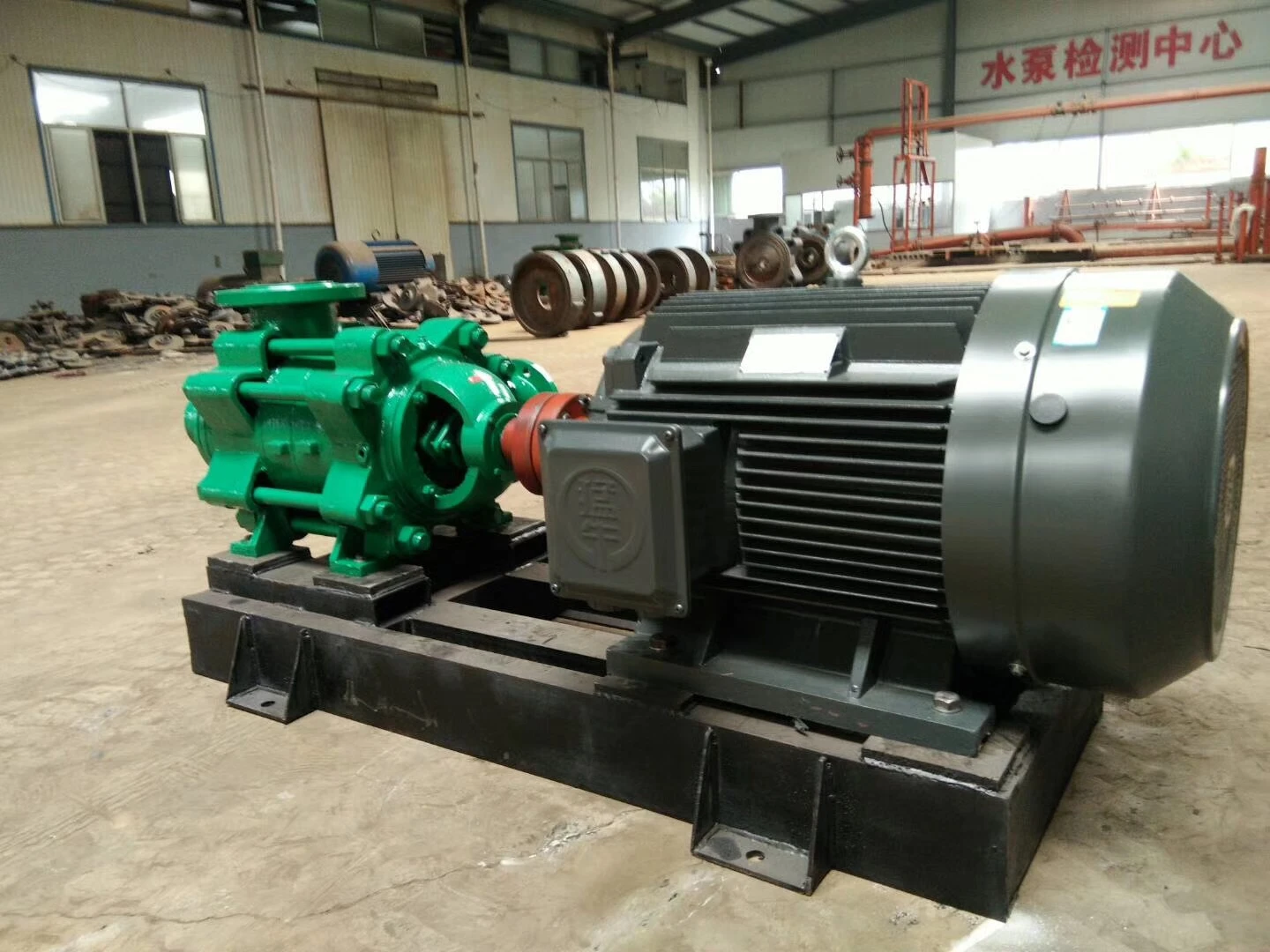
Vertical froth pumps are specialized centrifugal pumps designed for the efficient and reliable transfer of froth-laden liquids, typically encountered in mineral processing, particularly froth flotation circuits. Unlike conventional pumps which struggle with the entrained air and varying density inherent in froth, vertical froth pumps incorporate specific impeller and volute geometries optimized for handling these challenging conditions. Their vertical shaft configuration offers several advantages in froth service, including reduced NPSH requirements (Net Positive Suction Head) and simplified maintenance, eliminating the need for submerged motor installations which are susceptible to damage from abrasive particles. The technical position of these pumps lies within the downstream processing stages of mineral beneficiation, critical for concentrating valuable minerals from ore slurries. Core performance indicators include flow rate, head (pressure), solids handling capacity, and crucially, the ability to maintain efficiency and stability with fluctuating froth characteristics. The primary industry pain point addressed by vertical froth pumps is maintaining consistent process performance and minimizing downtime in mineral separation circuits due to pump cavitation, solids buildup, and overall inefficiency.
Material Science & Manufacturing
The performance and longevity of vertical froth pumps are intrinsically linked to the material science and manufacturing processes employed. Pump casings are frequently constructed from high-chromium white iron alloys (e.g., Alloy 27) or stainless steel (304, 316) to resist abrasive wear and corrosion from the slurry and chemical reagents. Impellers, being the most vulnerable component, often utilize specialized polyurethane elastomers or hard metal alloys brazed onto a steel core. These materials provide exceptional resistance to erosion and impact from solids carried within the froth. Shafts are generally manufactured from high-strength alloy steel (e.g., 4140, 4340) and subjected to heat treatment to achieve optimal hardness and tensile strength. Manufacturing processes involve precision casting for the casing, followed by machining to tight tolerances for impeller and volute geometries. Impeller blades are typically investment cast to achieve complex shapes. A critical parameter control aspect is the hardness of the wear-resistant alloys, carefully monitored through Rockwell hardness testing. Another key control point is the surface finish of the impeller and volute; smoother finishes minimize turbulence and reduce solids buildup. Welding procedures, particularly for the construction of larger casings, must adhere to stringent quality control standards (AWS D1.1) to ensure structural integrity and prevent weld defects. The rubber lining, commonly used in casings, requires precise vulcanization processes to achieve adequate bonding and prevent delamination.
Performance & Engineering
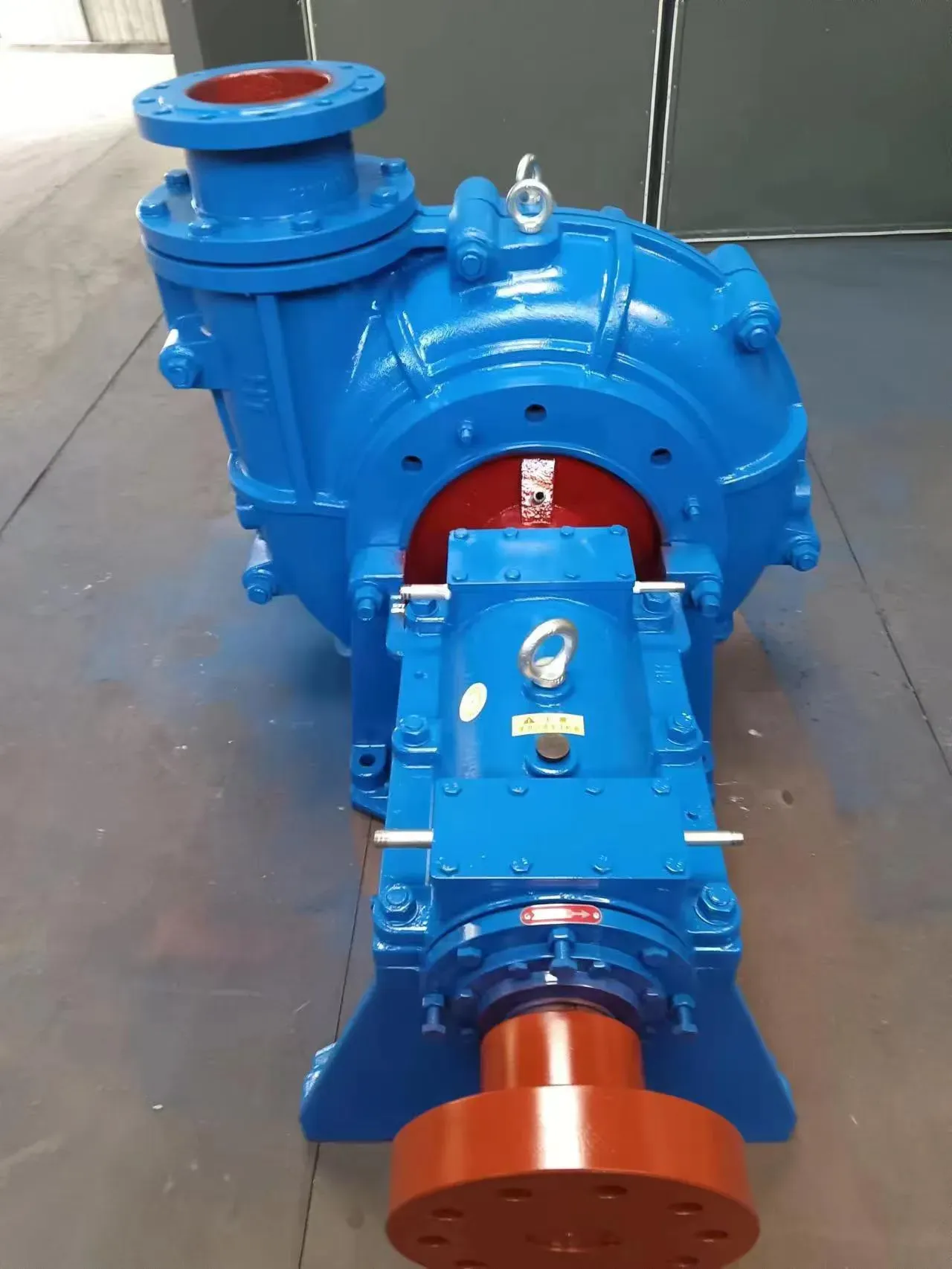
The performance of vertical froth pumps is heavily influenced by hydrodynamic design and engineering considerations. Impeller design is paramount; low-shear impellers are preferred to minimize froth breakdown, while open or semi-open impeller designs facilitate solids handling. Volute casing geometry is optimized to efficiently convert velocity energy into pressure energy, accommodating the low-density, high-volume flow of froth. Force analysis focuses on radial loads generated by imbalance in the impeller and axial thrust resulting from pressure differentials. Bearing selection is critical, with deep groove ball bearings or cylindrical roller bearings chosen based on load capacity and operating speed. Environmental resistance is addressed through appropriate material selection and protective coatings. Pumps operating in corrosive environments require specialized coatings like epoxy or ceramic linings. Compliance requirements often dictate adherence to standards like ISO 5199 (for pump performance testing) and potentially ATEX/IECEx certifications for operation in hazardous areas. Functional implementation involves careful consideration of suction and discharge piping arrangements to minimize cavitation and prevent air locking. NPSHa (Net Positive Suction Head Available) must always exceed NPSHr (Net Positive Suction Head Required) to avoid pump cavitation, a common failure mode in froth service. Variable Frequency Drives (VFDs) are frequently integrated to control pump speed and flow rate, optimizing performance and energy efficiency based on fluctuating process demands.
Technical Specifications
| Parameter | Unit | Typical Value (Small Pump) | Typical Value (Large Pump) |
|---|---|---|---|
| Flow Rate | m³/hr | 5 - 50 | 100 – 500 |
| Total Head | m | 10 - 30 | 40 – 100 |
| Solids Handling Size | mm | Up to 25 | Up to 75 |
| Power Input | kW | 1.5 - 7.5 | 15 – 75 |
| Impeller Diameter | mm | 150 - 300 | 400 – 600 |
| Operating Speed | RPM | 900 - 1750 | 900 – 1750 |
Failure Mode & Maintenance
Vertical froth pumps are susceptible to several failure modes. Fatigue cracking in the impeller, particularly around the blade roots, is common due to cyclical loading and stress concentrations. Erosion of the impeller and volute casing from abrasive solids is a frequent issue, leading to reduced pump efficiency and capacity. Delamination of rubber linings, if present, can occur due to poor bonding or chemical attack. Oxidation and corrosion of metallic components can compromise structural integrity, especially in aggressive chemical environments. Cavitation, induced by insufficient NPSH, causes pitting and erosion of the impeller surfaces. Maintenance solutions include regular impeller inspection and replacement, casing relining (if applicable), bearing lubrication and replacement, and periodic shaft alignment checks. Predictive maintenance techniques, such as vibration analysis and oil analysis, can detect early signs of bearing wear or impeller imbalance. For pumps handling highly abrasive slurries, implementing a wear parts replacement schedule based on operational hours is recommended. Preventative maintenance should also include cleaning of the pump suction and discharge lines to remove any buildup of solids or debris. Routine visual inspection for signs of corrosion or cracking is essential, alongside adherence to manufacturer's recommended lubrication schedules.
Industry FAQ
Q: What is the impact of froth density fluctuations on pump performance?
A: Fluctuations in froth density significantly impact pump performance. Lower density froth can lead to increased slip (reduced flow rate for a given speed) and potentially cavitation if the NPSH requirements are not met. Higher density froth can overload the motor and increase wear rates. Implementing VFDs and appropriately sizing the pump for the expected density range are crucial mitigation strategies.
Q: How does the impeller design affect froth handling capability?
A: Impeller design is critical. Low-shear impellers minimize froth breakdown, preserving the air-liquid mixture and maintaining efficient separation. Open or semi-open impeller designs prevent solids buildup and facilitate the passage of large particles. The number and angle of impeller blades are optimized to generate sufficient head while minimizing turbulence.
Q: What material is best suited for a pump handling highly abrasive froth with a pH of 2?
A: For highly abrasive froth at pH 2 (strongly acidic), a combination of materials is recommended. The casing should be constructed from a high-chromium white iron alloy with a rubber lining for added protection. The impeller should utilize a polyurethane elastomer with a high hardness rating, or a hard metal alloy brazed onto a steel core. Consideration should also be given to using corrosion-resistant fasteners and seals.
Q: What are the common causes of reduced pump efficiency in froth service?
A: Common causes include impeller wear, casing wear, internal recirculation due to excessive clearances, air locking in the suction line, and improper impeller-volute alignment. Regular inspection and maintenance are crucial for identifying and addressing these issues.
Q: What is the role of NPSH in preventing pump damage when handling froth?
A: Maintaining adequate NPSH (Net Positive Suction Head) is paramount. Froth has a lower density than water, increasing the likelihood of cavitation. Cavitation causes pitting and erosion of the impeller, significantly reducing pump life. Ensuring NPSHa (Available) always exceeds NPSHr (Required) is critical for reliable operation.
Conclusion
Vertical froth pumps represent a critical component in mineral processing circuits, specifically engineered to overcome the challenges associated with handling froth-laden slurries. Their performance relies heavily on careful material selection, precise manufacturing processes, and optimized hydrodynamic design. Understanding the potential failure modes – encompassing erosion, corrosion, and cavitation – and implementing proactive maintenance strategies are essential for maximizing pump uptime and ensuring consistent process efficiency.
Looking forward, advancements in impeller geometry utilizing Computational Fluid Dynamics (CFD) modeling and the development of more wear-resistant materials will continue to enhance the performance and longevity of vertical froth pumps. Integration of smart sensors and predictive maintenance algorithms will further optimize operation and minimize downtime. The continued demand for efficient mineral processing solutions will drive innovation in this specialized pump technology.
-
Precision at the Pump: How Better Machining Protects Flow and Uptime
News2026-11-20
-
Why Pump Reliability Begins Before the First Drop of Fluid
News2026-11-20
-
Beyond the Pump: Designing Safer Access Around Critical Water Infrastructure
News2026-11-20
-
Why Pumping Stations Depend on the Infrastructure Beneath the Pumps
News2026-11-20
-
Beyond the Pump Room: How Smarter Loading Protects Industrial Equipment
News2026-11-19
-
When Pumps Stop: Designing More Resilient Power for Critical Pumping Systems
News2026-11-19
-
The Hidden Role of Dust and Gas Monitoring in Reliable Pump Operations
News2026-11-19
-
The Hidden Role of Mineral Compounds in Extending Industrial Pump Lifespan
News2026-10-12
-
Why Pump System Reliability Depends on Precision Hose Assembly Methods
News2026-09-15
-
How Advanced Imaging Films Are Transforming Pump Component Quality Control
News2026-08-25
-
How Advanced Filtration Protects Pump Systems from Premature Wear and Costly Downtime
News2026-08-25
-
How Steel Material Selection Drives Pump Reliability in Heavy-Duty Systems
News2026-08-25
-
Ensuring Pump System Efficiency: The Role of High-Quality Pipe Fittings and Tubing
News2026-08-24
-
Optimizing Fluid Dynamics and Material Consistency in Industrial Processing
News2026-08-18
-
Innovations and Challenges in Hydraulic Systems for Heavy Machinery
News2026-08-13




