English
- Afrikaans
- Albanian
- Amharic
- Arabic
- Armenian
- Azerbaijani
- Basque
- Belarusian
- Bengali
- Bosnian
- Bulgarian
- Catalan
- Cebuano
- Corsican
- Croatian
- Czech
- Danish
- Dutch
- English
- Esperanto
- Estonian
- Finnish
- French
- Frisian
- Galician
- Georgian
- German
- Greek
- Gujarati
- Haitian Creole
- hausa
- hawaiian
- Hebrew
- Hindi
- Miao
- Hungarian
- Icelandic
- igbo
- Indonesian
- irish
- Italian
- Japanese
- Javanese
- Kannada
- kazakh
- Khmer
- Rwandese
- Korean
- Kurdish
- Kyrgyz
- Lao
- Latin
- Latvian
- Lithuanian
- Luxembourgish
- Macedonian
- Malgashi
- Malay
- Malayalam
- Maltese
- Maori
- Marathi
- Mongolian
- Myanmar
- Nepali
- Norwegian
- Norwegian
- Occitan
- Pashto
- Persian
- Polish
- Portuguese
- Punjabi
- Romanian
- Russian
- Samoan
- Scottish Gaelic
- Serbian
- Sesotho
- Shona
- Sindhi
- Sinhala
- Slovak
- Slovenian
- Somali
- Spanish
- Sundanese
- Swahili
- Swedish
- Tagalog
- Tajik
- Tamil
- Tatar
- Telugu
- Thai
- Turkish
- Turkmen
- Ukrainian
- Urdu
- Uighur
- Uzbek
- Vietnamese
- Welsh
- Bantu
- Yiddish
- Yoruba
- Zulu

Telephone: +86 13120555503
Email: frank@cypump.com


Apr . 01, 2024 17:55 Back to list
vertical chemical pump Material Science
Introduction
Vertical chemical pumps are a critical component in numerous industrial processes involving the transfer of corrosive or hazardous fluids. Unlike horizontally mounted pumps, vertical designs minimize the footprint and eliminate the need for subsurface priming, increasing operational efficiency and reducing leak potential. These pumps are characterized by their impeller suspended within a casing, with the motor typically positioned above the pump, allowing for easier maintenance access. Their technical positioning within the industrial chain is primarily as a fluid handling solution following chemical processing, storage, or reaction stages, preceding further refinement, utilization, or waste management. Core performance characteristics include flow rate, head pressure, and the ability to handle highly viscous and chemically aggressive media without material degradation. The selection of appropriate materials of construction and seal technology are paramount to ensure long-term reliability and safety. Key performance metrics are dictated by stringent industry standards regarding leakage, efficiency, and chemical compatibility.
Material Science & Manufacturing
The construction of vertical chemical pumps necessitates careful material selection to withstand the corrosive nature of the pumped media. Commonly employed materials include 316L stainless steel, Duplex Stainless Steel (e.g., 2205), Alloy 20, Hastelloy C-276, and various fluoropolymers (PTFE, PFA, PVDF). 316L stainless steel offers good corrosion resistance to many chemicals but can suffer from pitting corrosion in chloride-rich environments. Duplex stainless steel provides enhanced strength and corrosion resistance, especially to stress corrosion cracking. Hastelloy alloys exhibit superior resistance to a wider range of aggressive chemicals, including strong acids and oxidizers, albeit at a higher cost. Fluoropolymers are often used for linings, seals, and impellers due to their exceptional chemical inertness.
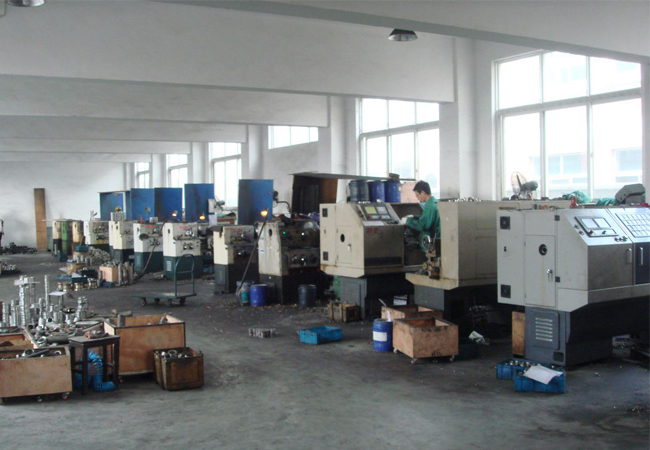
Manufacturing processes typically involve investment casting for complex impeller geometries, ensuring precise flow paths and minimizing turbulence. Pump casings are often manufactured through centrifugal casting or sand casting, followed by machining to tight tolerances. Welding is a critical process, demanding skilled technicians and appropriate filler metals to prevent weld decay and ensure structural integrity. Post-weld heat treatment (PWHT) is often required to relieve residual stresses and enhance corrosion resistance. Seal manufacturing involves precision grinding and lapping of mechanical seals to achieve leak-free operation. The impeller balancing process is crucial to minimize vibration and extend bearing life. Parameter control during manufacturing includes dimensional accuracy of components, surface finish quality (Ra values), and the verification of material composition through chemical analysis.
Performance & Engineering
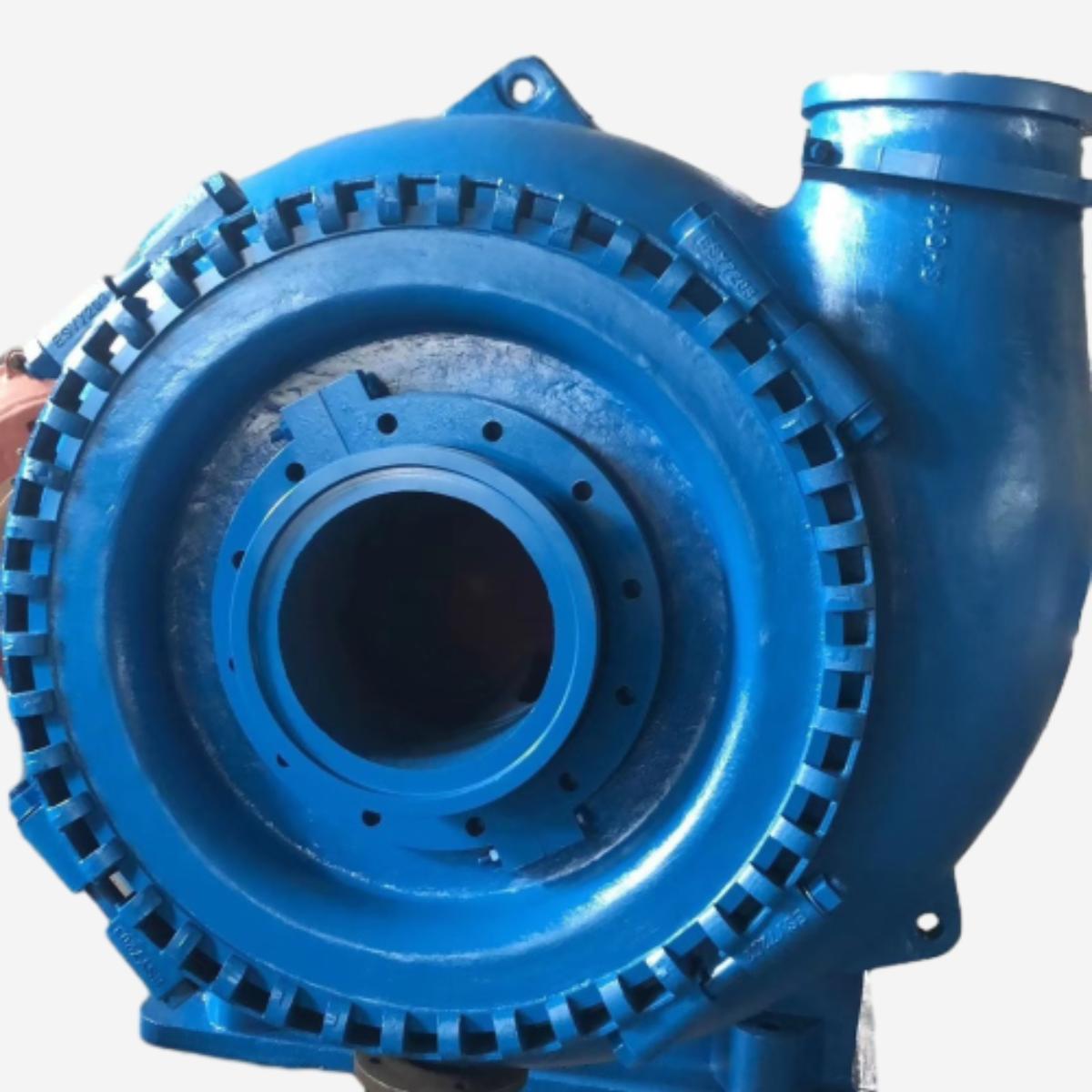
The performance of a vertical chemical pump is governed by several engineering principles. Force analysis focuses on hydrodynamic forces exerted by the fluid on the impeller and casing, as well as mechanical stresses induced by pressure differentials and centrifugal forces. The pump's hydraulic performance curve, detailing head versus flow rate, is a critical design consideration. Cavitation, a phenomenon resulting from pressure drop below the fluid's vapor pressure, must be avoided through careful impeller design and sufficient Net Positive Suction Head Available (NPSHa). Environmental resistance is achieved through appropriate material selection and protective coatings. For example, pumps operating in high-temperature environments require materials with high creep resistance and thermal stability.
Compliance requirements include adherence to API 610 (Centrifugal Pumps) and specific industry regulations governing the handling of hazardous materials. The pump’s design must account for potential leakage pathways and incorporate features such as double mechanical seals with barrier fluid systems to prevent fugitive emissions. Functional implementation relies on accurate pump sizing, considering fluid viscosity, density, temperature, and the required system head. Vibration analysis is essential during commissioning to identify and address potential imbalances or misalignment. Proper piping support and alignment are also critical to prevent stress on the pump casing and seals. Furthermore, the motor must be appropriately sized for the pump load and protected against overheating and overcurrent.
Technical Specifications
| Parameter | Unit | Typical Value (316SS Pump) | Typical Value (Hastelloy C-276 Pump) |
|---|---|---|---|
| Maximum Flow Rate | m³/hr | 200 | 150 |
| Maximum Head | m | 80 | 100 |
| Maximum Operating Pressure | bar | 20 | 30 |
| Operating Temperature Range | °C | -20 to +120 | -60 to +180 |
| Impeller Material | - | 316L Stainless Steel | Hastelloy C-276 |
| Casing Material | - | 316L Stainless Steel | Hastelloy C-276 |
| Seal Type | - | Single/Double Mechanical Seal | Single/Double Mechanical Seal |
Failure Mode & Maintenance
Vertical chemical pumps are susceptible to several failure modes. Fatigue cracking can occur in the pump casing or impeller due to cyclic loading and stress concentration. Corrosion-induced failures, such as pitting corrosion and stress corrosion cracking, are common in aggressive chemical environments. Delamination of polymeric linings can lead to leakage and reduced pump performance. Cavitation erosion damages the impeller, reducing efficiency and leading to eventual failure. Mechanical seal failures, resulting in leakage, are often caused by abrasive particles, chemical incompatibility, or improper installation. Oxidation can affect the performance of metallic components at elevated temperatures.
Preventative maintenance is critical. Regular inspection of seals, bearings, and casing for signs of wear or corrosion is essential. Lubrication of bearings according to manufacturer specifications is crucial. Vibration analysis should be performed periodically to detect imbalances or misalignment. Flushing the pump with a clean fluid after use prevents the buildup of deposits. Replacement of seals and bearings at recommended intervals extends pump life. Periodic non-destructive testing (NDT), such as ultrasonic testing or radiographic inspection, can identify hidden cracks or corrosion. For Hastelloy pumps, monitoring for chloride stress corrosion cracking is especially important. Documenting maintenance activities and tracking pump performance data allows for proactive identification of potential problems.
Industry FAQ
Q: What are the key considerations when selecting a pump material for handling concentrated sulfuric acid?
A: When handling concentrated sulfuric acid, material selection is paramount. 316L stainless steel is generally not suitable due to rapid corrosion. Alloy 20 and Hastelloy C-276 offer significantly better resistance. Hastelloy C-276 is often preferred for highly concentrated and elevated temperature applications due to its exceptional resistance to oxidation and pitting. Fluoropolymer linings (PTFE, PFA) can also be used, but their temperature limitations must be considered.
Q: How can I minimize the risk of cavitation in a vertical chemical pump?
A: Minimizing cavitation risk requires ensuring sufficient Net Positive Suction Head Available (NPSHa). This is achieved by maintaining adequate suction pressure, minimizing suction line losses (e.g., long pipe runs, sharp bends), and optimizing impeller design. The pump should also be operated within its specified flow rate range. Regularly inspecting the impeller for signs of cavitation damage is crucial.
Q: What are the advantages of using a double mechanical seal with a barrier fluid system?
A: A double mechanical seal with a barrier fluid system provides a secondary containment barrier, preventing leakage of the pumped fluid to the atmosphere. The barrier fluid, typically a clean, compatible liquid, lubricates the seals and creates a pressure buffer, preventing ingress of process fluid. This is essential for handling hazardous or toxic chemicals.
Q: What is the typical maintenance schedule for a vertical chemical pump operating continuously?
A: A typical maintenance schedule includes daily visual inspections for leaks, weekly vibration analysis, monthly bearing lubrication, and annual seal inspection and replacement. Periodic non-destructive testing (NDT) should be performed every 2-3 years to assess the condition of the casing and impeller. A detailed maintenance log should be maintained to track all activities.
Q: What are the common causes of premature mechanical seal failure?
A: Common causes of premature mechanical seal failure include abrasive particles in the pumped fluid, chemical incompatibility between the seal material and the fluid, improper seal installation, excessive operating pressure or temperature, and dry running conditions. Regular filtration of the fluid and proper seal selection are essential for preventing these failures.
Conclusion
Vertical chemical pumps represent a robust and efficient solution for fluid handling in demanding industrial applications. Their design, coupled with careful material selection and meticulous manufacturing processes, ensures reliable performance even when conveying highly corrosive and hazardous substances. Understanding the core engineering principles governing their operation, including force analysis, cavitation prevention, and adherence to industry compliance standards, is critical for optimizing their lifespan and minimizing operational risks.
Future advancements in pump technology will likely focus on the development of new materials with enhanced corrosion resistance, improved seal designs to further reduce leakage, and the integration of predictive maintenance capabilities through sensor monitoring and data analytics. Proactive maintenance practices, coupled with a deep understanding of potential failure modes, remain the cornerstone of ensuring the long-term reliability and safety of these essential industrial components.
-
Precision at the Pump: How Better Machining Protects Flow and Uptime
News2026-11-20
-
Why Pump Reliability Begins Before the First Drop of Fluid
News2026-11-20
-
Beyond the Pump: Designing Safer Access Around Critical Water Infrastructure
News2026-11-20
-
Why Pumping Stations Depend on the Infrastructure Beneath the Pumps
News2026-11-20
-
Beyond the Pump Room: How Smarter Loading Protects Industrial Equipment
News2026-11-19
-
When Pumps Stop: Designing More Resilient Power for Critical Pumping Systems
News2026-11-19
-
The Hidden Role of Dust and Gas Monitoring in Reliable Pump Operations
News2026-11-19
-
The Hidden Role of Mineral Compounds in Extending Industrial Pump Lifespan
News2026-10-12
-
Why Pump System Reliability Depends on Precision Hose Assembly Methods
News2026-09-15
-
How Advanced Imaging Films Are Transforming Pump Component Quality Control
News2026-08-25
-
How Advanced Filtration Protects Pump Systems from Premature Wear and Costly Downtime
News2026-08-25
-
How Steel Material Selection Drives Pump Reliability in Heavy-Duty Systems
News2026-08-25
-
Ensuring Pump System Efficiency: The Role of High-Quality Pipe Fittings and Tubing
News2026-08-24
-
Optimizing Fluid Dynamics and Material Consistency in Industrial Processing
News2026-08-18
-
Innovations and Challenges in Hydraulic Systems for Heavy Machinery
News2026-08-13




