English
- Afrikaans
- Albanian
- Amharic
- Arabic
- Armenian
- Azerbaijani
- Basque
- Belarusian
- Bengali
- Bosnian
- Bulgarian
- Catalan
- Cebuano
- Corsican
- Croatian
- Czech
- Danish
- Dutch
- English
- Esperanto
- Estonian
- Finnish
- French
- Frisian
- Galician
- Georgian
- German
- Greek
- Gujarati
- Haitian Creole
- hausa
- hawaiian
- Hebrew
- Hindi
- Miao
- Hungarian
- Icelandic
- igbo
- Indonesian
- irish
- Italian
- Japanese
- Javanese
- Kannada
- kazakh
- Khmer
- Rwandese
- Korean
- Kurdish
- Kyrgyz
- Lao
- Latin
- Latvian
- Lithuanian
- Luxembourgish
- Macedonian
- Malgashi
- Malay
- Malayalam
- Maltese
- Maori
- Marathi
- Mongolian
- Myanmar
- Nepali
- Norwegian
- Norwegian
- Occitan
- Pashto
- Persian
- Polish
- Portuguese
- Punjabi
- Romanian
- Russian
- Samoan
- Scottish Gaelic
- Serbian
- Sesotho
- Shona
- Sindhi
- Sinhala
- Slovak
- Slovenian
- Somali
- Spanish
- Sundanese
- Swahili
- Swedish
- Tagalog
- Tajik
- Tamil
- Tatar
- Telugu
- Thai
- Turkish
- Turkmen
- Ukrainian
- Urdu
- Uighur
- Uzbek
- Vietnamese
- Welsh
- Bantu
- Yiddish
- Yoruba
- Zulu

Telephone: +86 13120555503
Email: frank@cypump.com


Apr . 01, 2024 17:55 Back to list
vertical cantilever sump pump Performance Analysis
Introduction
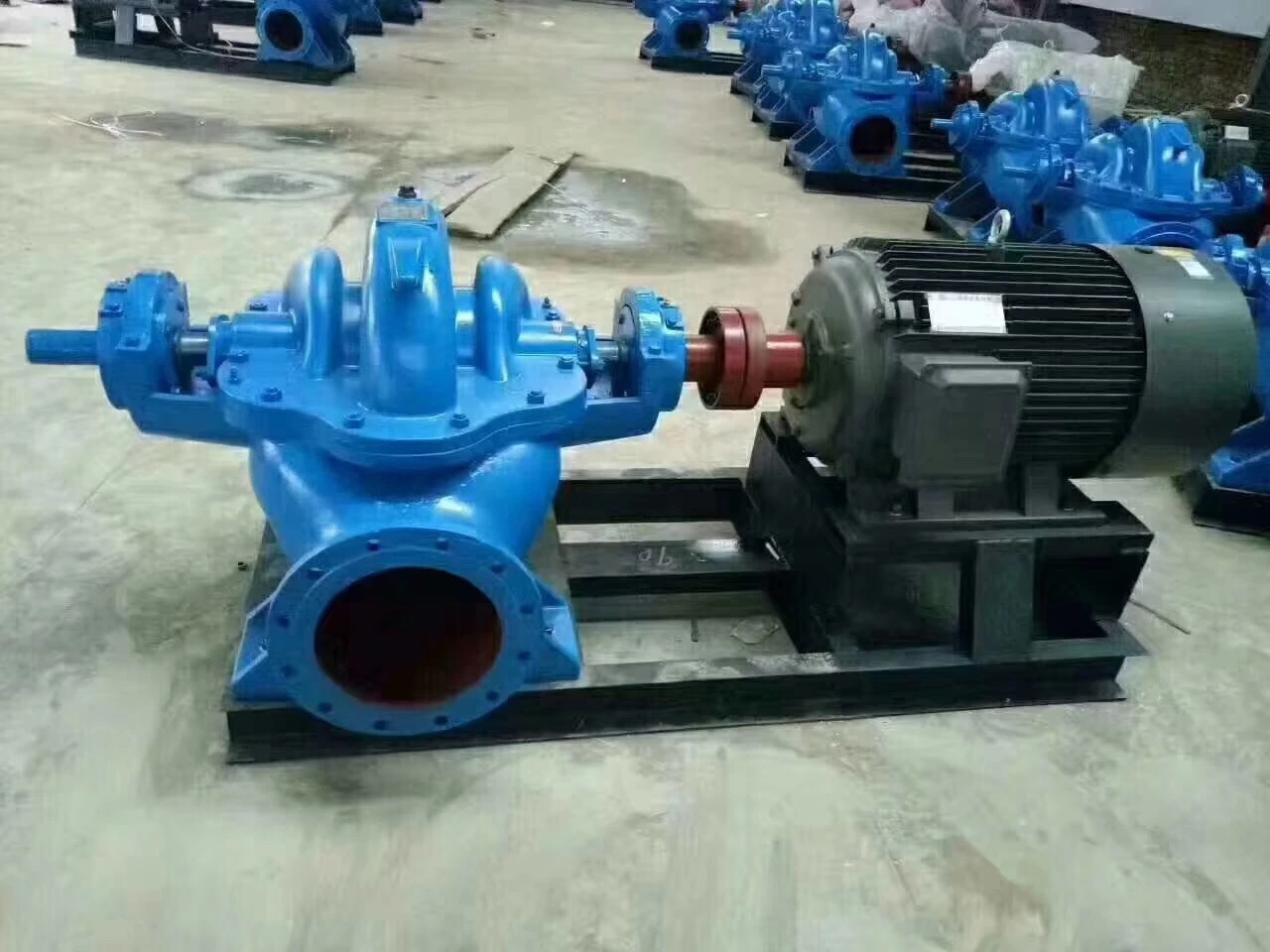
Vertical cantilever sump pumps are a specialized class of centrifugal pumps designed for the efficient removal of liquids, often containing solids, from sumps, pits, and basins. Positioned with the motor and impeller mounted on a vertical shaft extending into the sump, they eliminate the need for submerged motors and associated seal maintenance within the pumped fluid. Their design is particularly prevalent in wastewater treatment, mining, chemical processing, and various industrial applications where reliable, solids-handling pump performance is critical. The cantilever design minimizes bearing stress and allows for mechanical seals to be located outside the sump, greatly enhancing operational life and reducing maintenance downtime. Core performance characteristics include flow rate, head, solids handling capability, and resistance to corrosive fluids. The selection of appropriate materials and impeller design directly impacts pump efficiency and longevity. A key pain point within the industry is balancing pump performance with energy efficiency, particularly in large-scale wastewater treatment facilities where operating costs are significant. Furthermore, mitigating wear caused by abrasive solids and ensuring compliance with increasingly stringent environmental regulations are paramount concerns.
Material Science & Manufacturing
The construction of vertical cantilever sump pumps relies heavily on material selection to withstand the corrosive and abrasive nature of the pumped media. Common materials include cast iron (ASTM A48 Class 30 for housings), ductile iron (ASTM A536-83 for impellers and housings in higher-stress applications), stainless steel (304, 316, and duplex stainless steels for components exposed to corrosive fluids), and high-chrome alloys (for abrasive slurry handling). The impeller, a critical component, is typically manufactured using casting, forging, or investment casting. Casting allows for complex geometries but may require post-machining for precise balance. Forging offers superior strength and fatigue resistance. Investment casting provides dimensional accuracy and smooth surface finishes. The pump housing is generally manufactured through sand casting or shell molding, followed by machining and coating if necessary. Shaft materials typically employ alloy steels (4140, 4340) heat-treated for high tensile strength and torsional rigidity. Manufacturing processes include welding (SMAW, GMAW, SAW) for housing assembly and structural components, ensuring weld integrity through non-destructive testing (NDT) like radiography and ultrasonic testing. Bearing housings require precise machining to maintain tolerances for smooth operation and prolonged bearing life. Parameter control during casting, heat treatment, and machining are essential to achieve the desired mechanical properties and dimensional accuracy. Chemical compatibility between pump materials and the pumped fluid is rigorously verified through corrosion testing (ASTM G31) to prevent material degradation and ensure long-term reliability. Impeller balancing, to within stringent tolerances (ISO 1940-1), minimizes vibration and prolongs bearing life.
Performance & Engineering
The performance of a vertical cantilever sump pump is governed by principles of fluid dynamics and mechanical engineering. Force analysis includes hydrostatic pressure on the housing, dynamic forces generated by the impeller, and radial/axial loads on the shaft and bearings. Finite Element Analysis (FEA) is commonly used to optimize housing design and minimize stress concentrations. Pump head (H) is determined by the impeller diameter (D), rotational speed (N), and fluid velocity, according to the affinity laws. The pump's power requirement is directly proportional to the fluid flow rate (Q) and head. Environmental resistance is critical; pumps operating outdoors require appropriate coatings and materials to withstand UV exposure, temperature fluctuations, and corrosion. Compliance requirements vary by region but commonly include hydraulic efficiency standards (DOE regulations in the US, ErP Directive in Europe) and safety certifications (CE marking, UL listing). Functional implementation necessitates proper suction conditions to prevent cavitation (NPSH requirements). The pump curve, a graphical representation of head vs. flow rate, is essential for selecting the appropriate pump size for a given application. Proper impeller design, considering vane angle and blade profile, maximizes efficiency and minimizes noise. Shaft deflection is carefully calculated to ensure adequate bearing clearances and prevent mechanical failure. Bearing selection (ball, roller, or sleeve bearings) depends on load capacity, speed, and operating environment. The mounting base must provide sufficient structural support to withstand the pump's weight and operating forces.
Technical Specifications
| Parameter | Unit | Typical Value (Range) | Test Standard |
|---|---|---|---|
| Flow Rate | m³/h | 10 - 1000 | ISO 9906 |
| Total Head | m | 5 - 80 | ISO 9906 |
| Impeller Diameter | mm | 150 - 600 | Manufacturer Specification |
| Power | kW | 1.5 - 150 | IEC 60034 |
| Solids Handling Capacity | mm | Up to 75 | Manufacturer Specification |
| Operating Temperature | °C | -20 to +120 | ASTM E220 |
Failure Mode & Maintenance
Vertical cantilever sump pumps are susceptible to several failure modes. Fatigue cracking in the impeller, particularly around the vane roots, is a common issue resulting from cyclical loading and stress concentrations. Delamination of coatings on the housing can lead to corrosion and material loss. Bearing failure, often caused by inadequate lubrication, contamination, or excessive load, manifests as increased vibration and noise. Shaft misalignment contributes to bearing wear and can cause seal failure. Cavitation erosion, resulting from low NPSH conditions, damages the impeller surface. Oxidation and corrosion of metallic components can occur, especially in aggressive chemical environments. Regular maintenance is crucial to prevent these failures. This includes routine visual inspections for leaks, corrosion, and wear; lubrication of bearings according to manufacturer specifications (using appropriate grease types, ASTM D4950); impeller balancing checks; seal replacement; and periodic performance monitoring (flow rate, head, power consumption). Vibration analysis (ISO 10816) can detect early signs of bearing wear or misalignment. Non-destructive testing (NDT) methods, such as ultrasonic testing, can identify cracks or defects in critical components before catastrophic failure occurs. When replacing parts, it’s vital to use OEM-approved components or equivalent materials to ensure compatibility and performance. Implementing a preventative maintenance program, based on operating hours and application severity, significantly extends pump life and reduces lifecycle costs.
Industry FAQ
Q: What are the primary considerations when selecting a material for the pump housing when handling highly abrasive slurries?
A: When handling highly abrasive slurries, the primary consideration is wear resistance. High-chrome alloys are generally preferred due to their exceptional hardness and resistance to erosion. However, the slurry’s chemical composition must also be considered; stainless steel or other corrosion-resistant alloys may be necessary if the slurry is also corrosive. The impeller material must also be compatible with both the abrasive and corrosive properties of the slurry. Hardfacing techniques (e.g., tungsten carbide coating) can be applied to critical wear areas to extend component life.
Q: How do I determine the required NPSH available in my system to prevent cavitation?
A: Determining NPSH available (NPSHa) requires calculating the absolute pressure at the pump suction, subtracting the vapor pressure of the liquid at the operating temperature, and accounting for friction losses in the suction piping. NPSHa must always be greater than the NPSH required (NPSHr) by the pump, as specified by the manufacturer. Incorrect NPSHa calculation is a common cause of cavitation. Increasing suction pipe diameter, reducing pipe length, and minimizing elevation differences between the liquid source and the pump can improve NPSHa.
Q: What is the impact of impeller trim on pump performance and efficiency?
A: Impeller trimming, reducing the impeller diameter, lowers the pump's head and flow rate. While it can be used to fine-tune performance to match specific system requirements, excessive trimming significantly reduces pump efficiency and can lead to increased vibration and noise. The affinity laws dictate the relationship between impeller diameter, flow rate, head, and power. Any impeller modifications should be carefully calculated and validated by the pump manufacturer.
Q: What are the key differences between mechanical seals and packing in vertical cantilever sump pump applications?
A: Mechanical seals offer superior leak control and reduced maintenance compared to packing. They create a tighter seal through the use of precision-lapped surfaces. However, they are more sensitive to misalignment and abrasive particles. Packing, while simpler and more tolerant of misalignment, requires regular adjustment to maintain sealing and is prone to leakage. For abrasive slurries, specialized mechanical seals with robust designs and hardened faces are recommended. The choice depends on the fluid properties, operating conditions, and maintenance capabilities.
Q: How can I mitigate vibration issues in a vertical cantilever sump pump?
A: Vibration can be mitigated through several methods. Ensure proper pump alignment and foundation rigidity. Regularly balance the impeller. Inspect bearings for wear and lubrication. Check for cavitation, which can induce vibration. Conduct a vibration analysis to identify the source and frequency of the vibration. Tighten loose bolts and connections. Consider using vibration isolation mounts to dampen the transmission of vibration to surrounding structures. Addressing the root cause is crucial for long-term vibration control.
Conclusion
Vertical cantilever sump pumps represent a robust and reliable solution for demanding fluid handling applications. The selection of appropriate materials, coupled with precise manufacturing processes, is critical for ensuring long-term performance and minimizing maintenance. Understanding the interplay between fluid dynamics, mechanical engineering principles, and potential failure modes is essential for optimizing pump operation and maximizing lifecycle costs. Careful consideration of NPSH requirements, impeller design, and bearing maintenance directly impacts pump efficiency and reliability.
Future advancements in vertical cantilever sump pump technology will likely focus on improving energy efficiency through optimized impeller geometries and variable frequency drive (VFD) integration. The development of more abrasion-resistant materials and advanced sealing technologies will further enhance pump durability and reduce maintenance requirements. Continued adherence to stringent industry standards (ISO, ASTM) and the implementation of predictive maintenance strategies will be crucial for maintaining the operational integrity and sustainability of these critical industrial assets.
-
Precision at the Pump: How Better Machining Protects Flow and Uptime
News2026-11-20
-
Why Pump Reliability Begins Before the First Drop of Fluid
News2026-11-20
-
Beyond the Pump: Designing Safer Access Around Critical Water Infrastructure
News2026-11-20
-
Why Pumping Stations Depend on the Infrastructure Beneath the Pumps
News2026-11-20
-
Beyond the Pump Room: How Smarter Loading Protects Industrial Equipment
News2026-11-19
-
When Pumps Stop: Designing More Resilient Power for Critical Pumping Systems
News2026-11-19
-
The Hidden Role of Dust and Gas Monitoring in Reliable Pump Operations
News2026-11-19
-
The Hidden Role of Mineral Compounds in Extending Industrial Pump Lifespan
News2026-10-12
-
Why Pump System Reliability Depends on Precision Hose Assembly Methods
News2026-09-15
-
How Advanced Imaging Films Are Transforming Pump Component Quality Control
News2026-08-25
-
How Advanced Filtration Protects Pump Systems from Premature Wear and Costly Downtime
News2026-08-25
-
How Steel Material Selection Drives Pump Reliability in Heavy-Duty Systems
News2026-08-25
-
Ensuring Pump System Efficiency: The Role of High-Quality Pipe Fittings and Tubing
News2026-08-24
-
Optimizing Fluid Dynamics and Material Consistency in Industrial Processing
News2026-08-18
-
Innovations and Challenges in Hydraulic Systems for Heavy Machinery
News2026-08-13




