English
- Afrikaans
- Albanian
- Amharic
- Arabic
- Armenian
- Azerbaijani
- Basque
- Belarusian
- Bengali
- Bosnian
- Bulgarian
- Catalan
- Cebuano
- Corsican
- Croatian
- Czech
- Danish
- Dutch
- English
- Esperanto
- Estonian
- Finnish
- French
- Frisian
- Galician
- Georgian
- German
- Greek
- Gujarati
- Haitian Creole
- hausa
- hawaiian
- Hebrew
- Hindi
- Miao
- Hungarian
- Icelandic
- igbo
- Indonesian
- irish
- Italian
- Japanese
- Javanese
- Kannada
- kazakh
- Khmer
- Rwandese
- Korean
- Kurdish
- Kyrgyz
- Lao
- Latin
- Latvian
- Lithuanian
- Luxembourgish
- Macedonian
- Malgashi
- Malay
- Malayalam
- Maltese
- Maori
- Marathi
- Mongolian
- Myanmar
- Nepali
- Norwegian
- Norwegian
- Occitan
- Pashto
- Persian
- Polish
- Portuguese
- Punjabi
- Romanian
- Russian
- Samoan
- Scottish Gaelic
- Serbian
- Sesotho
- Shona
- Sindhi
- Sinhala
- Slovak
- Slovenian
- Somali
- Spanish
- Sundanese
- Swahili
- Swedish
- Tagalog
- Tajik
- Tamil
- Tatar
- Telugu
- Thai
- Turkish
- Turkmen
- Ukrainian
- Urdu
- Uighur
- Uzbek
- Vietnamese
- Welsh
- Bantu
- Yiddish
- Yoruba
- Zulu

Telephone: +86 13120555503
Email: frank@cypump.com


Apr . 01, 2024 17:55 Back to list
vasa hd series horizontal slurry pumps Performance Engineering
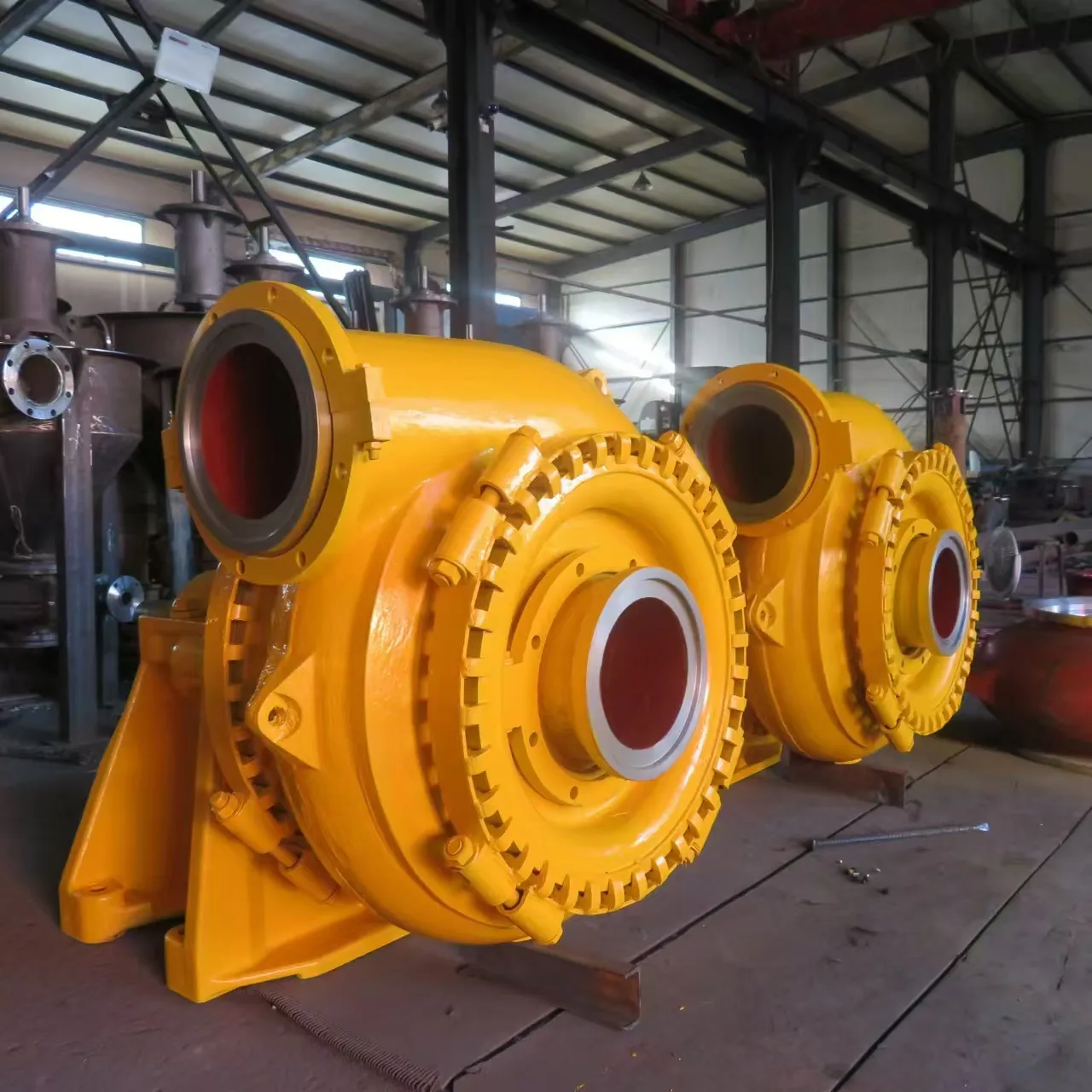
Introduction
The Vasa HD series horizontal slurry pumps represent a critical component in industrial fluid handling, specifically designed for the transportation of abrasive and erosive media. These pumps occupy a vital position within the mining, dredging, chemical processing, and wastewater treatment industries. They are characterized by a robust construction aimed at maximizing operational longevity in harsh environments. Core performance metrics center around flow rate, head pressure, and solids handling capability, all directly influencing process efficiency and overall system reliability. A significant challenge in slurry pump operation is balancing pump performance with wear life, as the abrasive nature of the slurry accelerates component degradation. The Vasa HD series addresses this through material selection and hydraulic design optimized for extended service intervals and reduced total cost of ownership.
Material Science & Manufacturing
The Vasa HD series slurry pumps utilize a range of materials selected for their resistance to abrasion, corrosion, and erosion. Pump casings are commonly constructed from high-chrome cast iron (typically 27% Cr) offering exceptional hardness and wear resistance. Impeller materials vary depending on the application, including high-chrome iron, specialized alloys like duplex stainless steel (for highly corrosive slurries), and elastomer-lined steel. Shaft materials typically employ alloy steel, heat-treated for increased tensile strength and fatigue resistance. Manufacturing processes begin with precise sand casting for the pump casing and impeller, followed by stringent quality control inspections, including radiographic testing to detect internal flaws. Welding procedures, adhering to AWS D1.1 standards, are critical for joining components, demanding qualified welders and post-weld heat treatment to relieve stress. Impeller balancing is performed to minimize vibration and extend bearing life. Critical parameters controlled during manufacturing include material composition verification through spectroscopic analysis, dimensional accuracy using coordinate measuring machines (CMMs), and hardness testing according to Rockwell C scale. The selection of appropriate elastomers for lining (e.g., natural rubber, polyurethane) is based on slurry composition and operating temperature, with adhesion testing ensuring long-term bond integrity. The manufacturing also includes hydrotesting to verify structural integrity and leak-tightness.
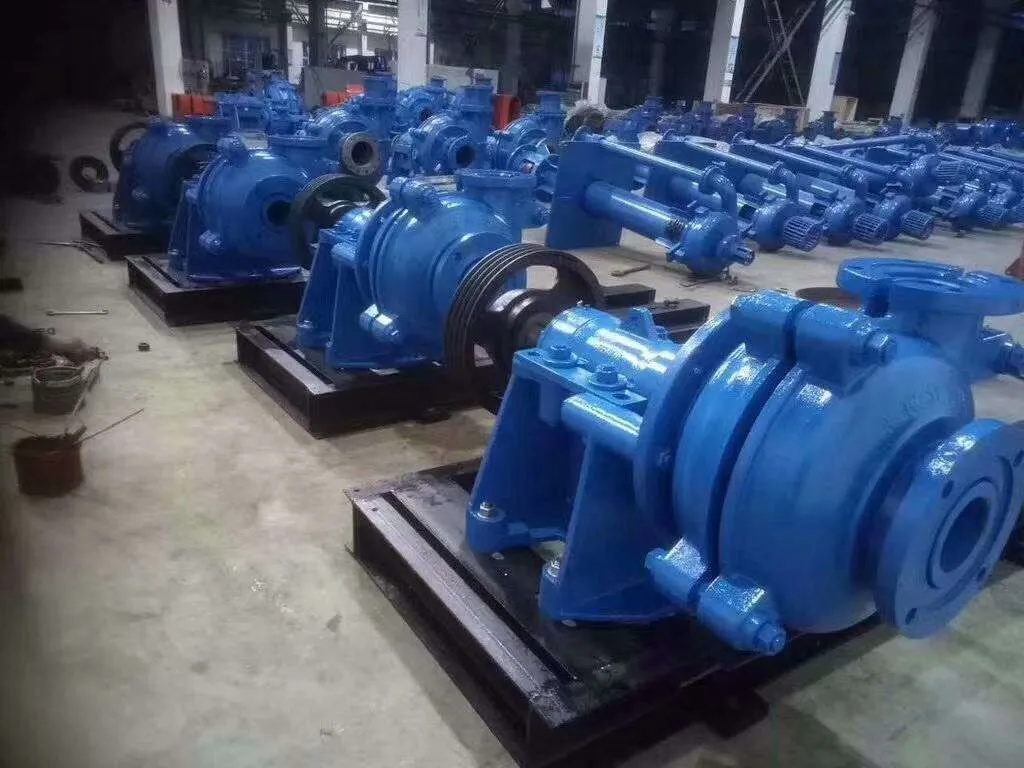
Performance & Engineering
The performance of Vasa HD slurry pumps is governed by principles of fluid dynamics and materials science. Force analysis focuses on hydrodynamic forces exerted by the slurry on the impeller and casing, as well as mechanical stresses induced by pressure differentials and rotational forces. Hydraulic design aims to maximize pump efficiency while minimizing erosion and abrasion. Key engineering considerations include impeller geometry (blade angle, width), casing volute design, and suction/discharge nozzle configuration. Environmental resistance is addressed through material selection and protective coatings. For example, pumps operating in corrosive environments utilize corrosion-resistant alloys or rubber linings. Compliance requirements vary based on geographical location and application, but typically include adherence to API 610 standards for centrifugal pumps and specific regional regulations related to environmental emissions and safety. The pump's Net Positive Suction Head Required (NPSHr) must be carefully matched to the available NPSHa in the system to prevent cavitation, a primary cause of impeller damage. Furthermore, seal design (mechanical seals, packing) is crucial for preventing leakage and ensuring reliable operation, with materials chosen based on slurry compatibility and temperature range. Bearing selection is based on load calculations and life expectancy requirements, utilizing rolling element bearings with appropriate lubrication systems. Pump performance curves, generated through rigorous testing, provide data on flow rate, head, efficiency, and power consumption across a range of operating conditions.
Technical Specifications
| Model Number | Discharge Diameter (inches) | Maximum Flow Rate (GPM) | Maximum Head (feet) |
|---|---|---|---|
| VHD-65 | 6 | 1500 | 180 |
| VHD-80 | 8 | 2200 | 250 |
| VHD-100 | 10 | 3000 | 320 |
| VHD-125 | 12 | 4000 | 400 |
| VHD-150 | 15 | 5500 | 480 |
| VHD-200 | 20 | 8000 | 550 |
Failure Mode & Maintenance
Vasa HD slurry pumps are susceptible to several failure modes depending on operating conditions and slurry characteristics. Fatigue cracking of the impeller, particularly around the vane roots, is common due to cyclic stress and abrasive wear. Erosion of the casing volute and impeller blades is accelerated by high-velocity slurry particles. Seal failure, leading to leakage, can result from abrasive wear of the seal faces, chemical attack by the slurry, or improper installation. Bearing failure can occur due to inadequate lubrication, contamination, or excessive load. Cavitation, caused by insufficient NPSHa, results in impeller damage and reduced pump performance. Delamination of elastomer linings can occur due to poor adhesion or chemical incompatibility. Corrosion, particularly in aggressive slurry environments, leads to material degradation and structural weakening. Preventive maintenance is critical, including regular visual inspections for wear and corrosion, vibration monitoring to detect bearing issues, seal flushing to remove abrasive particles, and lubrication according to manufacturer's specifications. Routine impeller and casing inspections (using non-destructive testing methods like ultrasonic thickness gauging) are recommended to assess wear rates and schedule component replacement. Regular performance monitoring (flow rate, head, power consumption) can identify deviations from baseline performance, indicating potential problems. Proper slurry preparation (screening, desanding) can reduce abrasive wear. Correct pump selection and system design, ensuring adequate NPSHa and minimizing flow velocities, are also crucial for maximizing pump life.
Industry FAQ
Q: What is the primary difference between a high-chrome iron impeller and a rubber-lined impeller in terms of slurry applications?
A: High-chrome iron impellers excel in applications with highly abrasive slurries containing hard particles, offering superior resistance to erosion. However, they are less effective in corrosive environments. Rubber-lined impellers, conversely, provide excellent corrosion resistance and can handle slurries with a wider range of solids concentrations, but their abrasion resistance is generally lower than high-chrome iron.
Q: How does impeller speed affect the wear rate of a slurry pump?
A: Increasing impeller speed generally increases the wear rate due to higher slurry velocities and increased impact forces. Optimizing impeller speed is crucial to balance pump performance and wear life. Reducing speed, if feasible within process constraints, can significantly extend component life.
Q: What are the key considerations when selecting a mechanical seal for a slurry pump?
A: Key considerations include slurry composition (abrasiveness, corrosivity), operating temperature, pressure, and solids concentration. Seal face materials must be compatible with the slurry and resistant to wear and corrosion. Seal flushing systems are essential for removing abrasive particles and providing lubrication.
Q: What is NPSHr and NPSHa, and why is the difference important?
A: NPSHr (Net Positive Suction Head Required) is the minimum pressure required at the pump suction to prevent cavitation. NPSHa (Net Positive Suction Head Available) is the actual pressure available at the pump suction. NPSHa must always be greater than NPSHr to avoid cavitation, which causes impeller damage and reduces pump performance.
Q: How often should I perform a vibration analysis on my slurry pump?
A: Vibration analysis should be performed at least quarterly as part of a preventative maintenance program. Changes in vibration levels can indicate bearing wear, impeller imbalance, or other mechanical issues, allowing for timely intervention and preventing catastrophic failures.
Conclusion
The Vasa HD series horizontal slurry pumps represent a robust and versatile solution for challenging fluid handling applications. Their performance is intrinsically linked to material selection, precision manufacturing, and adherence to rigorous engineering principles. Understanding the potential failure modes and implementing a comprehensive preventative maintenance program are paramount to maximizing pump lifespan and minimizing operational costs. Careful consideration of slurry characteristics and operating conditions dictates appropriate material choices and pump configuration, ensuring optimal performance and reliability.
Future developments in slurry pump technology are focused on advanced materials, optimized impeller designs, and smart monitoring systems. The integration of predictive maintenance algorithms, utilizing data analytics from vibration sensors and performance monitoring, will enable proactive interventions and further reduce downtime. Continued research into abrasion-resistant coatings and elastomer formulations promises to extend component life and enhance pump efficiency. Ultimately, the Vasa HD series exemplifies a commitment to providing durable and reliable solutions for the demanding requirements of the slurry pumping industry.
-
Precision at the Pump: How Better Machining Protects Flow and Uptime
News2026-11-20
-
Why Pump Reliability Begins Before the First Drop of Fluid
News2026-11-20
-
Beyond the Pump: Designing Safer Access Around Critical Water Infrastructure
News2026-11-20
-
Why Pumping Stations Depend on the Infrastructure Beneath the Pumps
News2026-11-20
-
Beyond the Pump Room: How Smarter Loading Protects Industrial Equipment
News2026-11-19
-
When Pumps Stop: Designing More Resilient Power for Critical Pumping Systems
News2026-11-19
-
The Hidden Role of Dust and Gas Monitoring in Reliable Pump Operations
News2026-11-19
-
The Hidden Role of Mineral Compounds in Extending Industrial Pump Lifespan
News2026-10-12
-
Why Pump System Reliability Depends on Precision Hose Assembly Methods
News2026-09-15
-
How Advanced Imaging Films Are Transforming Pump Component Quality Control
News2026-08-25
-
How Advanced Filtration Protects Pump Systems from Premature Wear and Costly Downtime
News2026-08-25
-
How Steel Material Selection Drives Pump Reliability in Heavy-Duty Systems
News2026-08-25
-
Ensuring Pump System Efficiency: The Role of High-Quality Pipe Fittings and Tubing
News2026-08-24
-
Optimizing Fluid Dynamics and Material Consistency in Industrial Processing
News2026-08-18
-
Innovations and Challenges in Hydraulic Systems for Heavy Machinery
News2026-08-13




