English
- Afrikaans
- Albanian
- Amharic
- Arabic
- Armenian
- Azerbaijani
- Basque
- Belarusian
- Bengali
- Bosnian
- Bulgarian
- Catalan
- Cebuano
- Corsican
- Croatian
- Czech
- Danish
- Dutch
- English
- Esperanto
- Estonian
- Finnish
- French
- Frisian
- Galician
- Georgian
- German
- Greek
- Gujarati
- Haitian Creole
- hausa
- hawaiian
- Hebrew
- Hindi
- Miao
- Hungarian
- Icelandic
- igbo
- Indonesian
- irish
- Italian
- Japanese
- Javanese
- Kannada
- kazakh
- Khmer
- Rwandese
- Korean
- Kurdish
- Kyrgyz
- Lao
- Latin
- Latvian
- Lithuanian
- Luxembourgish
- Macedonian
- Malgashi
- Malay
- Malayalam
- Maltese
- Maori
- Marathi
- Mongolian
- Myanmar
- Nepali
- Norwegian
- Norwegian
- Occitan
- Pashto
- Persian
- Polish
- Portuguese
- Punjabi
- Romanian
- Russian
- Samoan
- Scottish Gaelic
- Serbian
- Sesotho
- Shona
- Sindhi
- Sinhala
- Slovak
- Slovenian
- Somali
- Spanish
- Sundanese
- Swahili
- Swedish
- Tagalog
- Tajik
- Tamil
- Tatar
- Telugu
- Thai
- Turkish
- Turkmen
- Ukrainian
- Urdu
- Uighur
- Uzbek
- Vietnamese
- Welsh
- Bantu
- Yiddish
- Yoruba
- Zulu

Telephone: +86 13120555503
Email: frank@cypump.com


Apr . 01, 2024 17:55 Back to list
vapour blasting slurry pump Performance Analysis
Introduction
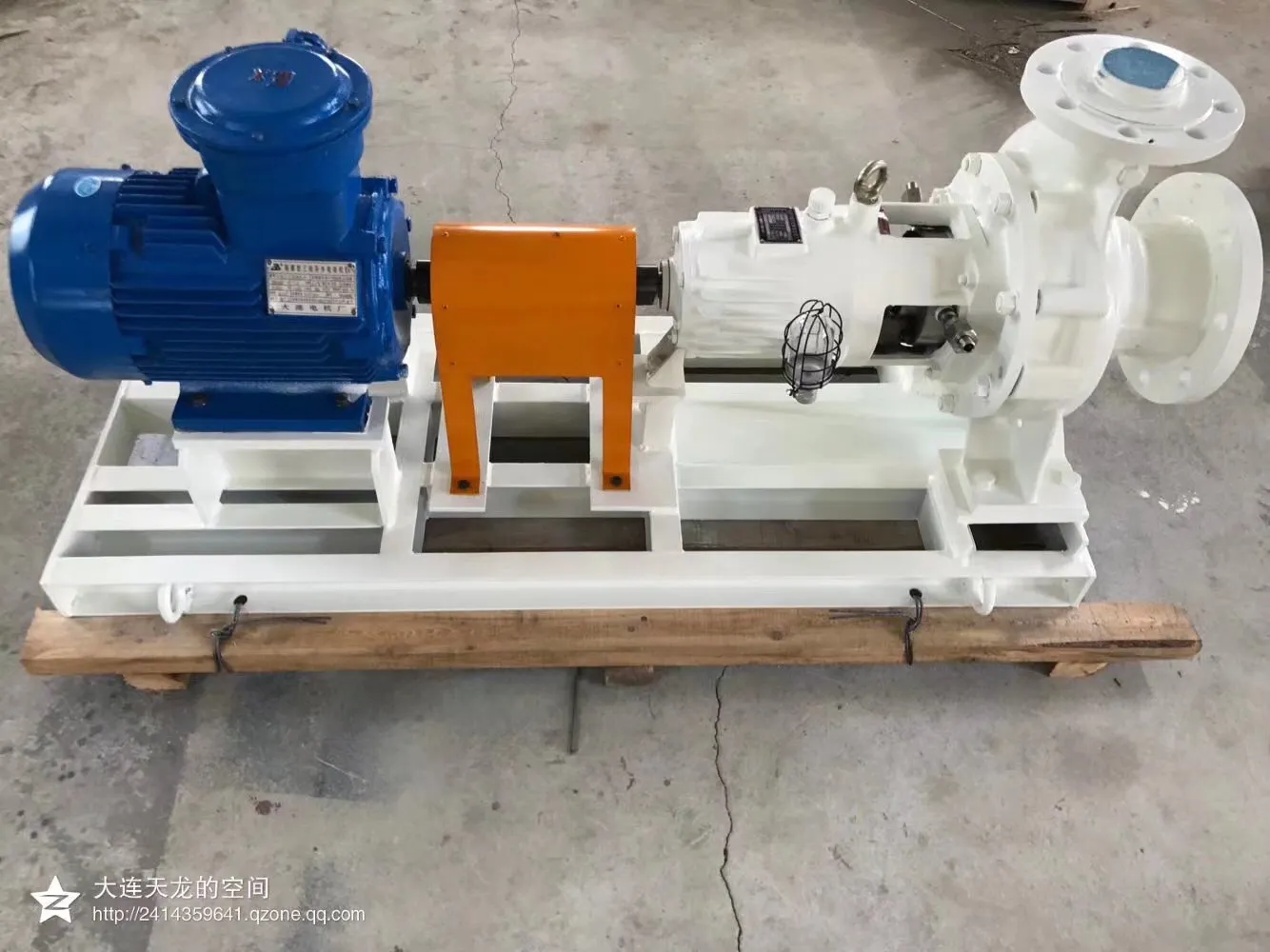
Vapour blasting slurry pumps are critical components in surface preparation and finishing operations, particularly within the aerospace, automotive, and marine industries. This guide provides an in-depth technical overview of these pumps, encompassing their material science, manufacturing processes, performance characteristics, failure modes, and maintenance procedures. Unlike traditional abrasive blasting, vapour blasting utilizes a slurry of abrasive media and water delivered at lower pressures, providing a gentler, yet effective, surface treatment. The pump’s function is to consistently deliver this slurry, and its performance directly impacts the quality and efficiency of the vapour blasting process. Core performance metrics include slurry flow rate, pressure stability, solids handling capability, and pump longevity. The selection of the correct pump is crucial to prevent damage to sensitive substrates and maintain consistent surface finishes. The industry faces challenges regarding abrasive wear, corrosion, and the need for efficient slurry delivery systems tailored to increasingly complex geometries.
Material Science & Manufacturing
The construction of vapour blasting slurry pumps necessitates materials resistant to both abrasive wear and corrosion. Pump housings are commonly manufactured from high-density polyethylene (HDPE) offering excellent chemical resistance, or stainless steel (typically 316L) providing superior durability. Impellers, the key component for slurry transport, often utilize high-chromium cast iron alloys (e.g., 13Cr-4Ni) for enhanced abrasion resistance. Seals are typically made from materials like Viton or PTFE to withstand the slurry’s chemical composition. Manufacturing processes vary depending on the component. Housings utilize rotational molding for HDPE or investment casting/sand casting for stainless steel. Impellers are typically manufactured through sand casting followed by precision machining. A critical parameter during impeller manufacturing is balancing; imbalance leads to vibration and premature bearing failure. Slurry pump hoses are commonly reinforced with textile or wire braiding for pressure containment and flexibility. Hose material selection (e.g., EPDM, PVC) depends on the slurry's pH and temperature. Careful control of material composition, casting quality, and machining tolerances are essential for ensuring pump reliability and longevity. Heat treatment of metallic components is crucial for optimizing hardness and toughness, impacting the pump’s resistance to abrasive wear and fatigue cracking.
Performance & Engineering
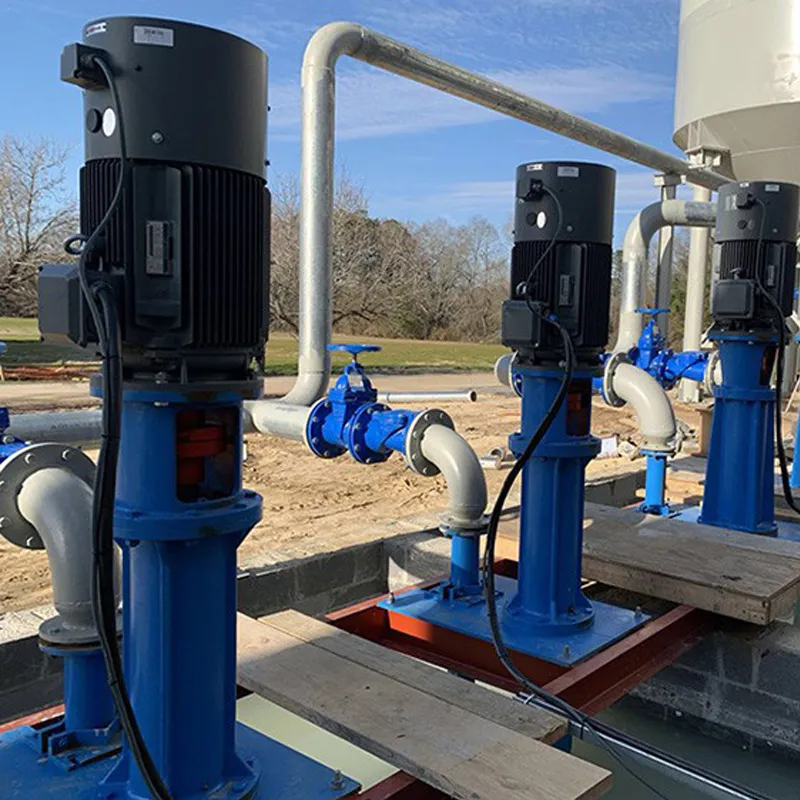
The performance of a vapour blasting slurry pump is largely dictated by hydraulic design principles and material selection. Force analysis focuses on impeller forces (centrifugal and hydrodynamic) and the stresses induced in the pump housing under pressure. Cavitation, a major concern, occurs when the pressure at the impeller inlet drops below the vapour pressure of the slurry, forming bubbles that collapse and erode the impeller surface. Proper pump sizing, net positive suction head (NPSH) calculations, and maintaining sufficient slurry flow are critical to prevent cavitation. Environmental resistance is paramount; pumps operating in harsh conditions require robust sealing systems and corrosion-resistant materials. Compliance with standards such as ISO 9001 (quality management) and ATEX directives (for potentially explosive atmospheres) is often mandatory. Functional implementation involves integrating the pump with the vapour blasting system, including the slurry mixing tank, nozzle, and filtration system. Control systems (e.g., variable frequency drives – VFDs) are used to regulate slurry flow rate and pressure, optimizing the blasting process and minimizing abrasive consumption. Pump curves, detailing flow rate versus head (pressure), are essential for selecting the appropriate pump for a given application. The slurry’s viscosity and solids concentration significantly influence pump performance, demanding careful consideration during pump sizing.
Technical Specifications
| Parameter | Unit | Typical Value (Small Pump) | Typical Value (Large Pump) |
|---|---|---|---|
| Flow Rate | LPM (Litres per Minute) | 50-150 | 300-600 |
| Maximum Pressure | Bar | 10-20 | 25-40 |
| Solids Handling Capacity | mm | Up to 3 | Up to 6 |
| Motor Power | kW | 0.75 - 1.5 | 2.2 - 4.0 |
| Slurry Viscosity Range | cP (Centipoise) | 50-500 | 50-1000 |
| Pump Housing Material | - | HDPE/SS316L | SS316L |
Failure Mode & Maintenance
Common failure modes in vapour blasting slurry pumps include abrasive wear of the impeller and pump housing, corrosion due to the slurry’s chemical composition, seal failures leading to leakage, and bearing failures due to vibration or contamination. Fatigue cracking can occur in metallic components subjected to cyclical loading. Failure analysis often reveals the root cause as inadequate material selection for the slurry type, insufficient lubrication of bearings, or improper pump operation (e.g., running dry). Maintenance protocols should include regular inspection of the impeller and housing for wear, replacement of seals and bearings according to manufacturer's recommendations, and thorough cleaning of the pump after each use to remove abrasive residue. Preventive maintenance, such as vibration analysis and thermographic inspection, can detect potential failures before they occur. Corrosion can be mitigated by using corrosion-resistant materials and implementing a flushing procedure with clean water after each blasting cycle. When replacing components, using OEM (Original Equipment Manufacturer) parts is critical to ensure compatibility and maintain performance. A detailed maintenance log should be maintained to track repair history and identify recurring issues.
Industry FAQ
Q: What is the impact of slurry composition on pump selection?
A: Slurry composition is paramount. Higher abrasive concentrations and chemically aggressive media (e.g., sodium bicarbonate) necessitate pumps constructed from more robust materials like stainless steel and with more durable seals (e.g., PTFE). The pH of the slurry also dictates material compatibility, as acidic or alkaline slurries can corrode certain metals and elastomers. Pump manufacturers provide compatibility charts based on slurry type.
Q: How do I troubleshoot reduced slurry flow rate?
A: Reduced flow rate can stem from several causes. First, inspect the slurry intake for blockages. Secondly, check the impeller for wear or damage. A partially worn impeller will have reduced pumping capacity. Third, verify the motor is operating at the correct speed and voltage. Lastly, ensure the suction lift isn't exceeding the pump’s specifications.
Q: What are the benefits of using a variable frequency drive (VFD) with a slurry pump?
A: A VFD allows for precise control of pump speed, enabling optimized slurry flow rate and pressure to match the blasting application. This reduces abrasive consumption, minimizes substrate damage, and extends pump lifespan. VFDs also provide soft starting, reducing stress on the motor and pump components.
Q: How can I prevent cavitation in my vapour blasting slurry pump?
A: Preventing cavitation requires ensuring sufficient NPSH (Net Positive Suction Head). This involves maintaining adequate slurry levels in the supply tank, minimizing suction line length and restrictions, and selecting a pump appropriately sized for the application. Regularly check for air leaks in the suction line.
Q: What is the typical lifespan of a vapour blasting slurry pump impeller?
A: Impeller lifespan varies greatly depending on slurry abrasiveness, operating conditions, and maintenance practices. In light-duty applications (e.g., glass bead blasting), an impeller may last several years. In heavy-duty applications (e.g., aluminum oxide blasting), the impeller may require replacement every 6-12 months. Regular inspection is key.
Conclusion
Vapour blasting slurry pumps are integral to achieving consistent and high-quality surface finishes across diverse industrial applications. Their selection and operation require a thorough understanding of material science, hydraulic principles, and potential failure modes. Utilizing appropriate materials, maintaining rigorous maintenance schedules, and adhering to relevant industry standards are critical for maximizing pump lifespan and optimizing blasting process efficiency.
Future advancements in vapour blasting slurry pump technology will likely focus on developing more wear-resistant materials, implementing advanced monitoring systems for predictive maintenance, and designing pumps with improved energy efficiency. The integration of smart sensors and data analytics will enable real-time performance optimization and minimize downtime. Continued innovation in impeller design and sealing technology will further enhance pump reliability and longevity.
-
Precision at the Pump: How Better Machining Protects Flow and Uptime
News2026-11-20
-
Why Pump Reliability Begins Before the First Drop of Fluid
News2026-11-20
-
Beyond the Pump: Designing Safer Access Around Critical Water Infrastructure
News2026-11-20
-
Why Pumping Stations Depend on the Infrastructure Beneath the Pumps
News2026-11-20
-
Beyond the Pump Room: How Smarter Loading Protects Industrial Equipment
News2026-11-19
-
When Pumps Stop: Designing More Resilient Power for Critical Pumping Systems
News2026-11-19
-
The Hidden Role of Dust and Gas Monitoring in Reliable Pump Operations
News2026-11-19
-
The Hidden Role of Mineral Compounds in Extending Industrial Pump Lifespan
News2026-10-12
-
Why Pump System Reliability Depends on Precision Hose Assembly Methods
News2026-09-15
-
How Advanced Imaging Films Are Transforming Pump Component Quality Control
News2026-08-25
-
How Advanced Filtration Protects Pump Systems from Premature Wear and Costly Downtime
News2026-08-25
-
How Steel Material Selection Drives Pump Reliability in Heavy-Duty Systems
News2026-08-25
-
Ensuring Pump System Efficiency: The Role of High-Quality Pipe Fittings and Tubing
News2026-08-24
-
Optimizing Fluid Dynamics and Material Consistency in Industrial Processing
News2026-08-18
-
Innovations and Challenges in Hydraulic Systems for Heavy Machinery
News2026-08-13




