English
- Afrikaans
- Albanian
- Amharic
- Arabic
- Armenian
- Azerbaijani
- Basque
- Belarusian
- Bengali
- Bosnian
- Bulgarian
- Catalan
- Cebuano
- Corsican
- Croatian
- Czech
- Danish
- Dutch
- English
- Esperanto
- Estonian
- Finnish
- French
- Frisian
- Galician
- Georgian
- German
- Greek
- Gujarati
- Haitian Creole
- hausa
- hawaiian
- Hebrew
- Hindi
- Miao
- Hungarian
- Icelandic
- igbo
- Indonesian
- irish
- Italian
- Japanese
- Javanese
- Kannada
- kazakh
- Khmer
- Rwandese
- Korean
- Kurdish
- Kyrgyz
- Lao
- Latin
- Latvian
- Lithuanian
- Luxembourgish
- Macedonian
- Malgashi
- Malay
- Malayalam
- Maltese
- Maori
- Marathi
- Mongolian
- Myanmar
- Nepali
- Norwegian
- Norwegian
- Occitan
- Pashto
- Persian
- Polish
- Portuguese
- Punjabi
- Romanian
- Russian
- Samoan
- Scottish Gaelic
- Serbian
- Sesotho
- Shona
- Sindhi
- Sinhala
- Slovak
- Slovenian
- Somali
- Spanish
- Sundanese
- Swahili
- Swedish
- Tagalog
- Tajik
- Tamil
- Tatar
- Telugu
- Thai
- Turkish
- Turkmen
- Ukrainian
- Urdu
- Uighur
- Uzbek
- Vietnamese
- Welsh
- Bantu
- Yiddish
- Yoruba
- Zulu

Telephone: +86 13120555503
Email: frank@cypump.com


Apr . 01, 2024 17:55 Back to list
vapor honing slurry pump Performance Engineering
Introduction
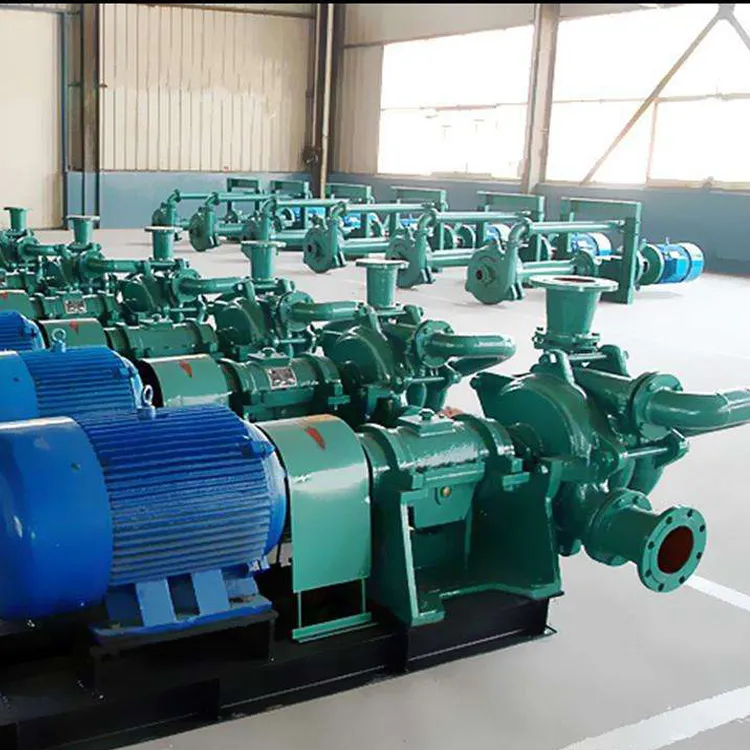
Vapor honing slurry pumps are critical components in the surface finishing industry, specifically within vapor honing (also known as thermal diffusion) processes. These pumps are responsible for delivering a precise and controlled flow of abrasive slurry – a mixture of abrasive particles, water, and often a corrosion inhibitor – to the parts being treated. Unlike traditional abrasive blasting, vapor honing utilizes a saturated steam environment to accelerate the slurry, resulting in a more uniform, less aggressive finish, ideal for applications demanding tight tolerances and improved fatigue life. The technical position of these pumps lies within the broader finishing technology chain, positioned downstream of slurry mixing and upstream of the vapor honing chamber itself. Core performance metrics center on flow rate stability, slurry homogeneity maintenance, resistance to abrasive wear, and reliable operation within a closed-loop system to minimize environmental impact and material waste.
Material Science & Manufacturing
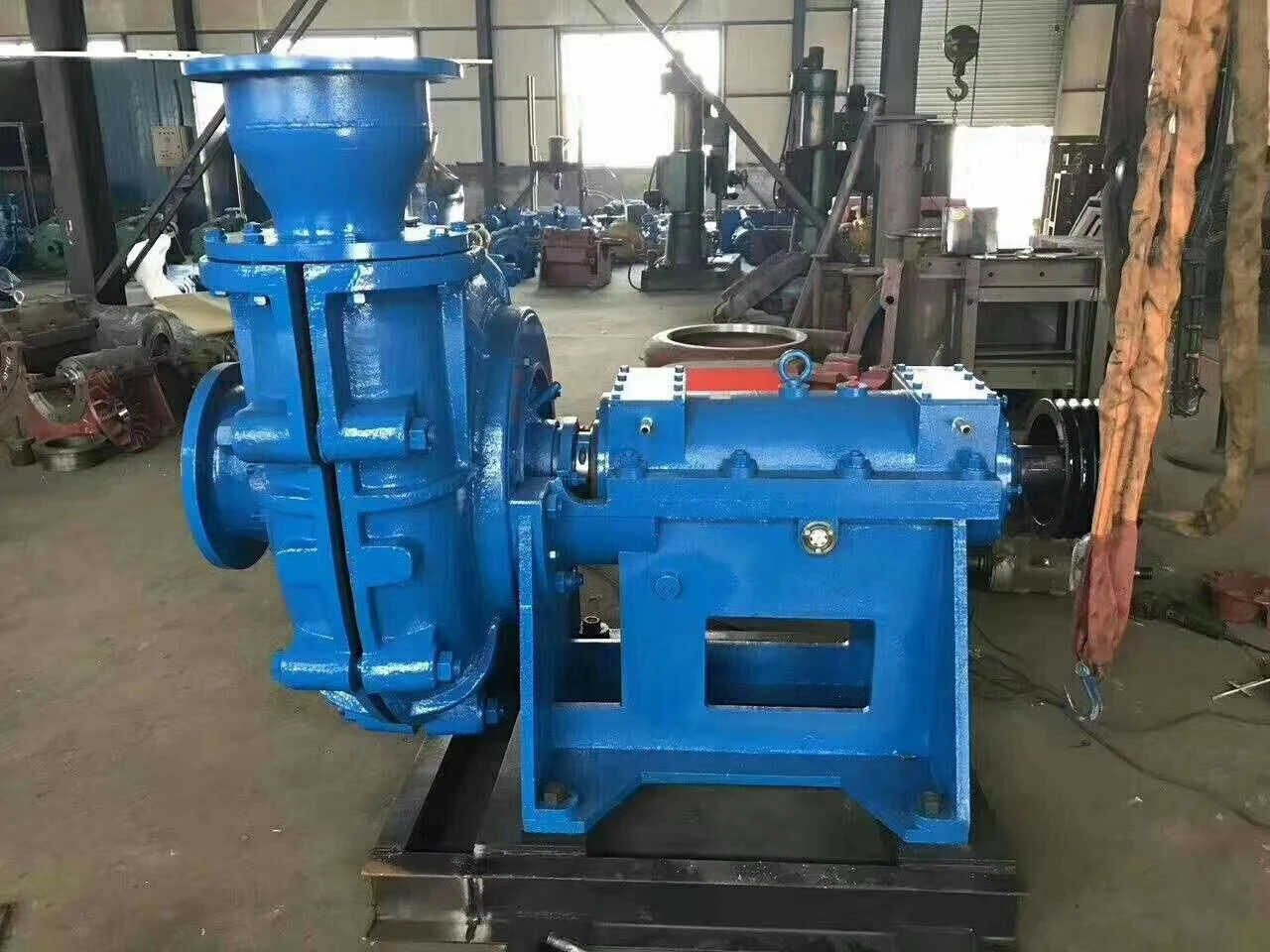
The construction of vapor honing slurry pumps demands careful material selection to withstand the highly abrasive nature of the slurry and the corrosive effects of the water-based medium. Pump housings are frequently constructed from stainless steel alloys, typically 316L, chosen for its superior corrosion resistance and mechanical strength. Impeller materials often include hardened stainless steels, ceramics (silicon carbide, alumina), or polymeric materials like PTFE, dependent on the specific slurry composition and flow rate requirements. Shafts are typically manufactured from high-strength stainless steel, heat-treated to enhance wear resistance. Sealing components commonly employ elastomers like Viton or EPDM, selected for their chemical compatibility with the slurry and ability to maintain a leak-proof seal under pressure. Manufacturing processes involve precision casting for housings, CNC machining for shafts and impellers, and robotic welding for assembly. Critical parameters include impeller balancing to minimize vibration, surface finish of wetted parts to reduce slurry adhesion, and dimensional accuracy to ensure tight tolerances. Proper passivation of stainless steel components is essential to maximize corrosion resistance. Slurry composition itself impacts pump selection, with heavier, more concentrated slurries requiring pumps with more robust impeller designs and higher torque motors.
Performance & Engineering
The performance of a vapor honing slurry pump is dictated by several key engineering considerations. Flow rate and pressure must be precisely controlled to ensure consistent surface finish across all parts. Pump selection hinges on the required flow rate, slurry viscosity, and system pressure. Cavitation is a significant concern; insufficient NPSH (Net Positive Suction Head) can lead to vapor bubble formation and subsequent impeller damage. Therefore, system design must account for adequate suction lift and minimize pressure drops in the suction line. Force analysis centers on the hydrodynamic forces exerted by the slurry on the impeller and housing. Finite element analysis (FEA) is frequently employed to optimize impeller design and minimize stress concentrations. Environmental resistance requires consideration of the operating temperature, humidity, and potential exposure to corrosive chemicals. Compliance requirements include adherence to safety standards (CE marking, UL listing) and environmental regulations concerning slurry discharge and waste management. The pump’s motor must be appropriately sized and protected against ingress of moisture and slurry particles (typically IP55 or higher ingress protection rating). Proper grounding is critical to prevent static discharge in potentially flammable vapor environments.
Technical Specifications
| Parameter | Unit | Typical Value | Tolerance |
|---|---|---|---|
| Flow Rate | LPM (Litres per Minute) | 50-200 | ±5% |
| Maximum Pressure | Bar | 5-10 | ±0.5 Bar |
| Slurry Viscosity | cP (Centipoise) | 50-500 | N/A |
| Particle Size (Max) | μm (Micrometers) | 150 | ±25 μm |
| Impeller Speed | RPM (Revolutions per Minute) | 1000-3000 | ±100 RPM |
| Motor Power | kW (Kilowatts) | 0.75-2.2 | ±0.1 kW |
Failure Mode & Maintenance
Vapor honing slurry pumps are susceptible to several failure modes. Abrasive wear of the impeller and housing is the most common, particularly when processing hard materials or highly concentrated slurries. This manifests as a reduction in flow rate and pressure. Cavitation damage, characterized by pitting and erosion on the impeller blades, occurs due to insufficient NPSH. Mechanical seal failures lead to slurry leakage and potential motor contamination. Bearing failures, indicated by noise and vibration, can result from inadequate lubrication or excessive load. Corrosion, especially in less resistant alloys, causes material degradation and eventual component failure. Regular maintenance is crucial for preventing these failures. This includes daily inspection for leaks and unusual noise, weekly cleaning of the pump housing and impeller, monthly bearing lubrication, and annual replacement of seals and impellers based on usage and wear assessment. Preventative maintenance programs should incorporate vibration analysis to detect early signs of bearing wear and fluid analysis to monitor slurry condition and identify potential contaminants. Post-failure analysis, including microscopic examination of worn components, is vital for identifying root causes and implementing corrective actions.
Industry FAQ
Q: What is the impact of slurry composition on pump selection?
A: Slurry composition significantly impacts pump selection. Higher abrasive content and increased slurry density demand pumps with more robust impeller designs, higher motor horsepower, and potentially more wear-resistant materials like silicon carbide or hardened stainless steel. The chemical composition of the slurry also dictates the material compatibility of pump components, particularly seals and housings, to prevent corrosion.
Q: How do I mitigate cavitation damage in a vapor honing slurry pump?
A: Mitigating cavitation requires ensuring sufficient NPSH (Net Positive Suction Head) at the pump inlet. This can be achieved by optimizing the suction line design to minimize pressure drops, increasing the suction tank height, or reducing the slurry temperature. Regular monitoring of pump vibration can also indicate cavitation onset.
Q: What is the recommended maintenance schedule for a typical vapor honing slurry pump?
A: A typical schedule includes daily inspection for leaks and noise, weekly cleaning of the pump housing and impeller, monthly bearing lubrication, and annual replacement of seals and impellers. Vibration analysis and fluid analysis should be conducted periodically to detect potential issues early.
Q: What are the key differences between centrifugal and positive displacement slurry pumps used in vapor honing?
A: Centrifugal pumps are generally preferred for their ability to handle high flow rates and solids content, while positive displacement pumps excel at delivering consistent flow regardless of pressure variations. In vapor honing, centrifugal pumps are more common due to the need for a relatively constant flow rate and the ability to efficiently handle the slurry.
Q: What safety precautions should be taken when performing maintenance on a vapor honing slurry pump?
A: Safety precautions include disconnecting the pump from the power supply before maintenance, wearing appropriate personal protective equipment (PPE) such as gloves and safety glasses, and ensuring adequate ventilation to avoid exposure to slurry fumes. Proper disposal of used slurry and cleaning materials is also essential.
Conclusion
Vapor honing slurry pumps represent a critical, yet often understated, element in achieving high-quality surface finishes through the vapor honing process. Their selection and maintenance are not merely logistical tasks, but rather integral components of optimizing process performance, ensuring component longevity, and maintaining operational efficiency. The material science underpinning pump construction, coupled with precise engineering principles regarding flow dynamics and cavitation control, dictates the lifespan and reliability of these systems.
Looking ahead, advancements in pump materials, such as the development of even more abrasion-resistant ceramics and polymers, will likely extend pump service life and reduce maintenance costs. Integration of sensor technology for real-time monitoring of pump performance and slurry conditions will enable predictive maintenance and minimize downtime. Furthermore, the pursuit of closed-loop slurry management systems, minimizing environmental impact and maximizing resource utilization, will continue to drive innovation in vapor honing slurry pump design.
-
Precision at the Pump: How Better Machining Protects Flow and Uptime
News2026-11-20
-
Why Pump Reliability Begins Before the First Drop of Fluid
News2026-11-20
-
Beyond the Pump: Designing Safer Access Around Critical Water Infrastructure
News2026-11-20
-
Why Pumping Stations Depend on the Infrastructure Beneath the Pumps
News2026-11-20
-
Beyond the Pump Room: How Smarter Loading Protects Industrial Equipment
News2026-11-19
-
When Pumps Stop: Designing More Resilient Power for Critical Pumping Systems
News2026-11-19
-
The Hidden Role of Dust and Gas Monitoring in Reliable Pump Operations
News2026-11-19
-
The Hidden Role of Mineral Compounds in Extending Industrial Pump Lifespan
News2026-10-12
-
Why Pump System Reliability Depends on Precision Hose Assembly Methods
News2026-09-15
-
How Advanced Imaging Films Are Transforming Pump Component Quality Control
News2026-08-25
-
How Advanced Filtration Protects Pump Systems from Premature Wear and Costly Downtime
News2026-08-25
-
How Steel Material Selection Drives Pump Reliability in Heavy-Duty Systems
News2026-08-25
-
Ensuring Pump System Efficiency: The Role of High-Quality Pipe Fittings and Tubing
News2026-08-24
-
Optimizing Fluid Dynamics and Material Consistency in Industrial Processing
News2026-08-18
-
Innovations and Challenges in Hydraulic Systems for Heavy Machinery
News2026-08-13




