English
- Afrikaans
- Albanian
- Amharic
- Arabic
- Armenian
- Azerbaijani
- Basque
- Belarusian
- Bengali
- Bosnian
- Bulgarian
- Catalan
- Cebuano
- Corsican
- Croatian
- Czech
- Danish
- Dutch
- English
- Esperanto
- Estonian
- Finnish
- French
- Frisian
- Galician
- Georgian
- German
- Greek
- Gujarati
- Haitian Creole
- hausa
- hawaiian
- Hebrew
- Hindi
- Miao
- Hungarian
- Icelandic
- igbo
- Indonesian
- irish
- Italian
- Japanese
- Javanese
- Kannada
- kazakh
- Khmer
- Rwandese
- Korean
- Kurdish
- Kyrgyz
- Lao
- Latin
- Latvian
- Lithuanian
- Luxembourgish
- Macedonian
- Malgashi
- Malay
- Malayalam
- Maltese
- Maori
- Marathi
- Mongolian
- Myanmar
- Nepali
- Norwegian
- Norwegian
- Occitan
- Pashto
- Persian
- Polish
- Portuguese
- Punjabi
- Romanian
- Russian
- Samoan
- Scottish Gaelic
- Serbian
- Sesotho
- Shona
- Sindhi
- Sinhala
- Slovak
- Slovenian
- Somali
- Spanish
- Sundanese
- Swahili
- Swedish
- Tagalog
- Tajik
- Tamil
- Tatar
- Telugu
- Thai
- Turkish
- Turkmen
- Ukrainian
- Urdu
- Uighur
- Uzbek
- Vietnamese
- Welsh
- Bantu
- Yiddish
- Yoruba
- Zulu

Telephone: +86 13120555503
Email: frank@cypump.com


Apr . 01, 2024 17:55 Back to list
vacuum pump for slurry tanker Technical Dimension and Performance Analysis
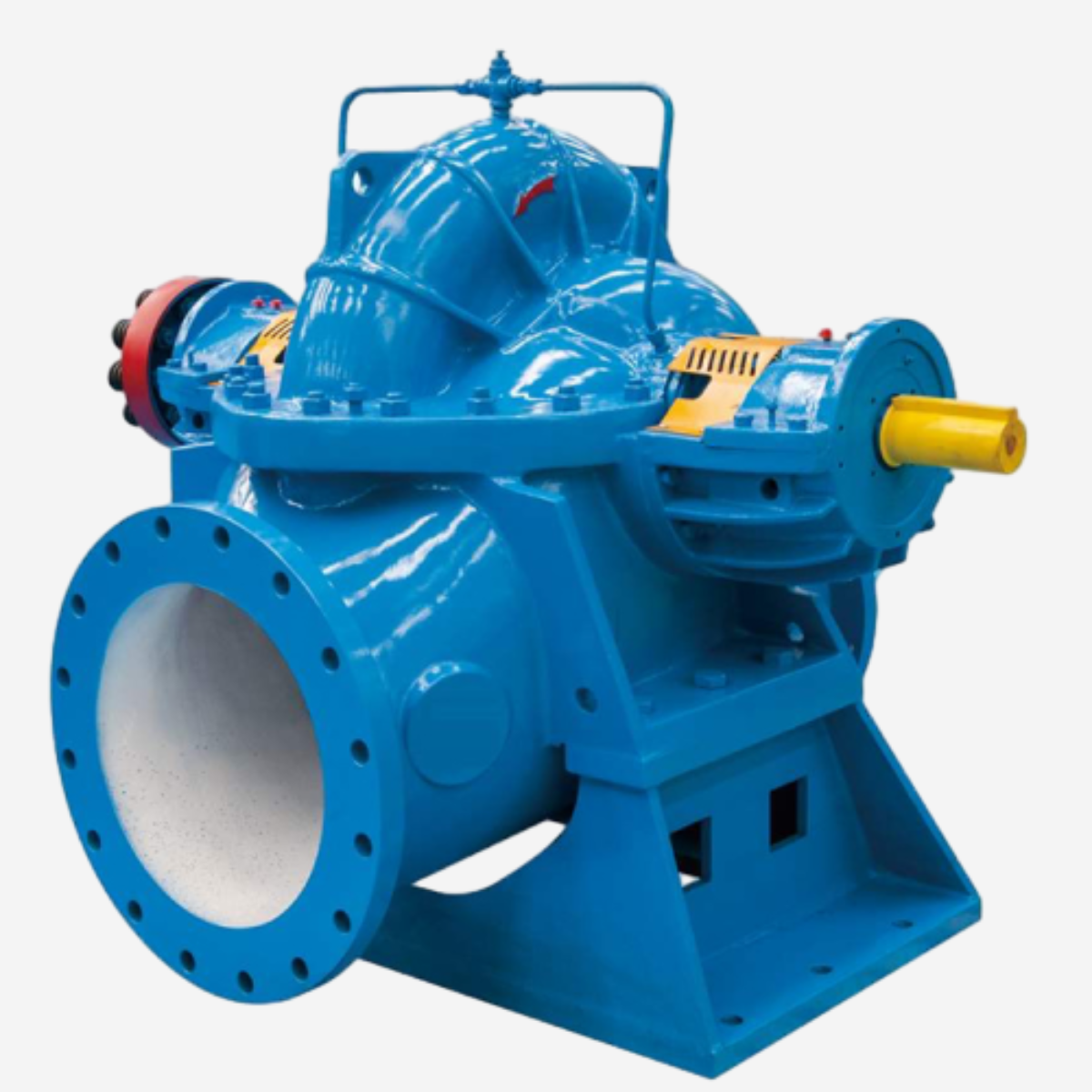
Vacuum Pump for Slurry Tanker: Technical Dimension and Performance Analysis
A vacuum pump for slurry tanker is a high-performance industrial displacement device engineered to create a pressure differential between the interior of a containment vessel and the ambient atmosphere, enabling the rapid suction of viscous, non-Newtonian fluids such as sewage, industrial sludge, and chemical slurries. Positioned as the primary kinetic driver in the slurry transport chain, these pumps must overcome significant hydrostatic head and fluid friction losses. Unlike standard vacuum systems, slurry-dedicated pumps are designed to handle potential moisture carry-over and highly corrosive aerosolized particulates. The core technical objective is to achieve a deep vacuum state rapidly while maintaining stability under fluctuating loads, ensuring the efficient transfer of high-density materials without compromising the structural integrity of the tanker vessel.
Material Science & Manufacturing
The manufacturing of vacuum pumps for slurry tankers focuses on combatting the dual threats of mechanical wear and chemical corrosion. The pump housing is typically cast from high-grade ductile iron or stainless steel (AISI 316L) to ensure dimensional stability under high-vacuum stress. For liquid ring vacuum pumps—the industry standard for slurry applications—the impeller is often coated with tungsten carbide or chrome-plated alloys to minimize cavitation erosion and abrasive wear caused by particulate ingress.
The manufacturing process involves precision CNC machining to maintain tight tolerances between the impeller and the casing, which is critical for minimizing internal leakage (slip) and maximizing volumetric efficiency. The sealing system utilizes high-performance mechanical seals, often employing silicon carbide (SiC) or tungsten carbide faces, to prevent the migration of lubricants into the vacuum chamber and to block the ingress of corrosive slurry vapors. Heat treatment processes, including normalizing and tempering, are applied to the drive shafts to increase fatigue strength and prevent torsional deformation during the high-torque startup phases associated with heavy slurry loading.
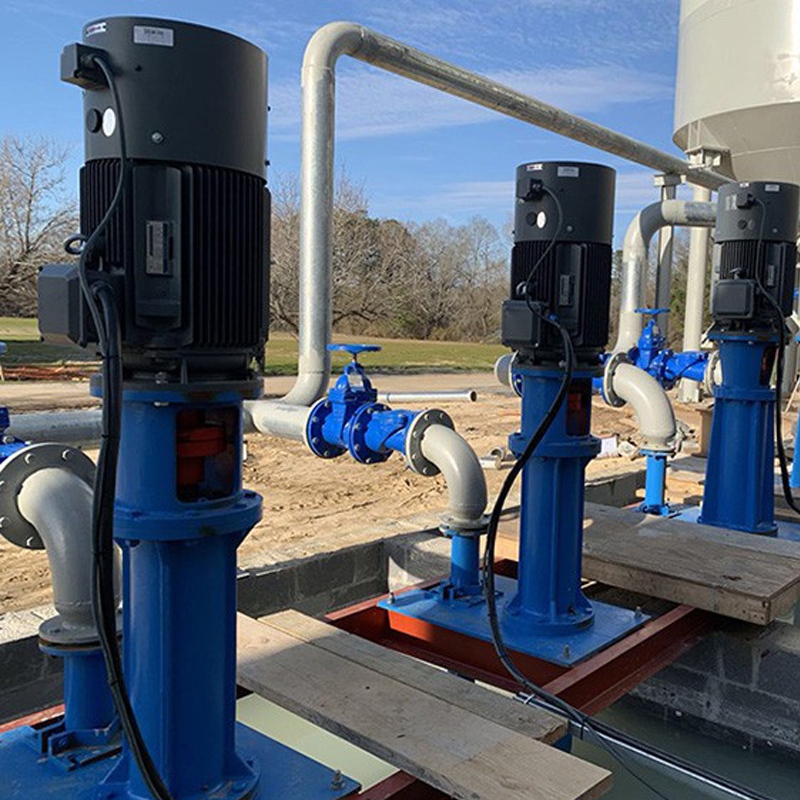
Performance & Engineering
From an engineering perspective, the performance of a vacuum pump for slurry tanker is measured by its ability to maintain a stable vacuum level despite the varying viscosity and density of the slurry. The fluid dynamics involve the management of the "liquid ring," where a centrifugal force creates a conical seal of liquid. Engineering calculations must account for the Net Positive Suction Head (NPSH) to avoid cavitation, which can lead to catastrophic failure of the impeller blades.
Environmental resistance is a critical engineering requirement. These pumps operate in harsh outdoor environments, requiring IP65-rated electrical enclosures and corrosion-resistant coatings for the external chassis. The force analysis focuses on the radial and axial loads exerted on the bearings during peak suction. To optimize efficiency, engineers implement variable frequency drives (VFDs) that allow the pump to adjust its displacement rate based on the real-time vacuum level within the tanker, thereby reducing energy consumption and extending the operational lifecycle of the mechanical components. Compliance with pressure vessel standards ensures that the interface between the pump and the tanker can withstand the extreme pressure differentials without deformation.
Technical Specifications
| Technical Parameter | Standard Series (Small) | Heavy-Duty Series (Medium) | Industrial Series (Large) | Ultra-High Capacity |
|---|---|---|---|---|
| Ultimate Vacuum (kPa) | -60 to -80 | -70 to -90 | -80 to -95 | -90 to -98 |
| Suction Capacity (m³/h) | 200 - 400 | 500 - 800 | 1000 - 1500 | 2000+ |
| Motor Power (kW) | 4.0 - 7.5 | 11 - 18.5 | 22 - 37 | 45 - 75 |
| Rotational Speed (RPM) | 1450 | 1450 | 960 - 1450 | 720 - 960 |
| Material Grade | Cast Iron / Steel | Stainless Steel 304 | Stainless Steel 316L | Duplex Stainless Steel |
| Max. Operating Temp (°C) | 60 | 80 | 100 | 120 |
Failure Mode & Maintenance
The most prevalent failure modes in vacuum pumps for slurry tankers are cavitation, seal degradation, and abrasive wear. Cavitation occurs when the liquid ring evaporates due to excessive vacuum or high temperature, creating vapor bubbles that implode and pit the impeller surface. This leads to a gradual loss of vacuum efficiency and increased vibration levels. Seal degradation is typically caused by the chemical aggression of the slurry, which erodes the mechanical seal faces, leading to lubricant contamination and potential motor failure.
Maintenance protocols must be rigorous to prevent unplanned downtime. A professional maintenance strategy includes: 1. Monthly inspection of the liquid ring quality to ensure no particulate buildup is occurring within the pump casing. 2. Quarterly vibration analysis to detect early signs of bearing wear or impeller imbalance. 3. Immediate replacement of mechanical seals if any leakage is detected. 4. Regular flushing of the system with neutralizing agents when transporting highly acidic or alkaline slurries to prevent internal oxidation and scaling. Lubrication schedules must adhere to high-temperature synthetic oil specifications to maintain film strength under heavy loads.
Industry FAQ
Q: How does the viscosity of the slurry affect the vacuum pump's efficiency?
A: While the pump creates the vacuum in the air space of the tanker, higher viscosity increases the flow resistance (pressure drop) in the suction line. This requires a pump with a higher volumetric displacement rate to achieve the same loading speed as a lower-viscosity fluid.
Q: What is the primary cause of sudden vacuum loss during operation?
A: Sudden vacuum loss is typically caused by either a breach in the tanker's seal (gasket failure) or the "loss of prime" in the liquid ring pump, where the sealant fluid level drops below the critical threshold, breaking the airtight seal.
Q: Can these pumps handle chemically aggressive industrial waste?
A: Yes, provided the pump is specified with the correct material metallurgy. For aggressive waste, we utilize AISI 316L stainless steel or Duplex steel and specialized Viton or PTFE seals to prevent chemical corrosion.
Q: Why is a liquid ring pump preferred over a rotary vane pump for slurry tankers?
A: Liquid ring pumps are isothermal, meaning they handle moisture and vapors much more effectively. Rotary vane pumps are prone to failure if liquid or slurry particulates enter the compression chamber, whereas liquid ring pumps use the fluid as part of the mechanism.
Q: How often should the impeller be inspected for cavitation?
A: For high-intensity industrial use, we recommend a borescope inspection every 2,000 operating hours. If pitting is observed, the impeller should be refurbished with a hard-facing weld overlay to restore efficiency.
Conclusion
The vacuum pump for slurry tanker is a critical engineering component that demands a precise balance of material science and fluid dynamics. Its ability to maintain high vacuum levels in the presence of corrosive and abrasive materials is contingent upon the use of high-grade alloys, precision manufacturing tolerances, and robust sealing technologies. By focusing on the mitigation of cavitation and the implementation of rigorous maintenance schedules, operators can maximize the volumetric efficiency and operational lifespan of the system.
Looking forward, the integration of smart sensors for real-time vacuum monitoring and the adoption of more sustainable, low-energy drive systems will define the next generation of slurry transport technology. Ensuring compliance with international standards not only guarantees safety but also optimizes the total cost of ownership through reduced failure rates and enhanced process reliability.
-
sump pump for septic systems Material Science Manufacturing
News2026-05-20
-
sump pump and ejector pump Material Science Manufacturing
News2026-05-20
-
sewage treatment plant pumps Performance Analysis
News2026-05-20
-
sewage tank pump Material Science and Manufacturing
News2026-05-20
-
sewage pump for septic tank Performance Analysis
News2026-05-20
-
Sewage Pump and Tank Performance Analysis
News2026-05-19
-
Sewage Ejector Pump Replacement Performance Analysis
News2026-05-19
-
sewage ejector pump for basement bathroom Material Science Manufacturing
News2026-05-19
-
sewage ejection pump Material Science and Manufacturing
News2026-05-19
-
in line sewage pump Performance Analysis
News2026-05-19
-
effluent sump pump Performance Analysis
News2026-05-18
-
best grinder pump for sewage Performance Engineering
News2026-05-18
-
basement waste water pump Performance Engineering
News2026-05-18
-
sump pump sewer Performance Analysis
News2026-05-18
-
sump pump for sewer Performance Analysis
News2026-05-18




