English
- Afrikaans
- Albanian
- Amharic
- Arabic
- Armenian
- Azerbaijani
- Basque
- Belarusian
- Bengali
- Bosnian
- Bulgarian
- Catalan
- Cebuano
- Corsican
- Croatian
- Czech
- Danish
- Dutch
- English
- Esperanto
- Estonian
- Finnish
- French
- Frisian
- Galician
- Georgian
- German
- Greek
- Gujarati
- Haitian Creole
- hausa
- hawaiian
- Hebrew
- Hindi
- Miao
- Hungarian
- Icelandic
- igbo
- Indonesian
- irish
- Italian
- Japanese
- Javanese
- Kannada
- kazakh
- Khmer
- Rwandese
- Korean
- Kurdish
- Kyrgyz
- Lao
- Latin
- Latvian
- Lithuanian
- Luxembourgish
- Macedonian
- Malgashi
- Malay
- Malayalam
- Maltese
- Maori
- Marathi
- Mongolian
- Myanmar
- Nepali
- Norwegian
- Norwegian
- Occitan
- Pashto
- Persian
- Polish
- Portuguese
- Punjabi
- Romanian
- Russian
- Samoan
- Scottish Gaelic
- Serbian
- Sesotho
- Shona
- Sindhi
- Sinhala
- Slovak
- Slovenian
- Somali
- Spanish
- Sundanese
- Swahili
- Swedish
- Tagalog
- Tajik
- Tamil
- Tatar
- Telugu
- Thai
- Turkish
- Turkmen
- Ukrainian
- Urdu
- Uighur
- Uzbek
- Vietnamese
- Welsh
- Bantu
- Yiddish
- Yoruba
- Zulu

Telephone: +86 13120555503
Email: frank@cypump.com


Apr . 01, 2024 17:55 Back to list
umbilical slurry pump Performance Analysis
Introduction
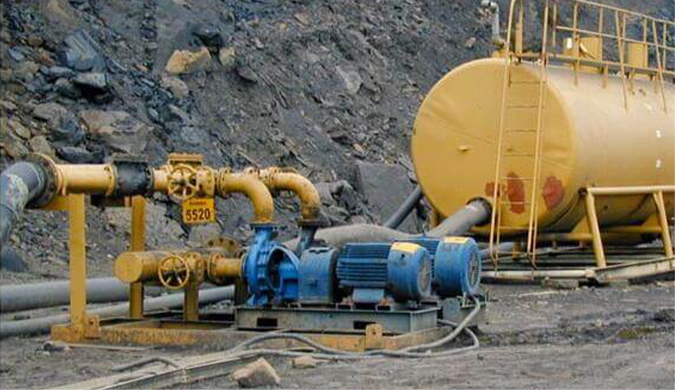
Umbilical slurry pumps are specialized positive displacement pumps utilized extensively in offshore oil and gas production, subsea infrastructure development, and dredging operations. Their primary function is the reliable and efficient transfer of abrasive and dense slurry mixtures – typically composed of drilling mud, cuttings, cement, and process fluids – from a subsea location to a surface facility via an umbilical line. Unlike conventional pumps, umbilical slurry pumps are designed for remote operation and withstand extreme hydrostatic pressures. The technology is critical in maintaining continuous operations in challenging environments where direct access for maintenance or repair is limited. Core performance characteristics include volumetric displacement, maximum differential pressure capability, solids handling capacity, and operational reliability over extended periods, addressing the critical need for dependable fluid transfer in demanding subsea applications. A key industry pain point revolves around minimizing downtime and reducing the risk of costly failures in deepwater environments.
Material Science & Manufacturing
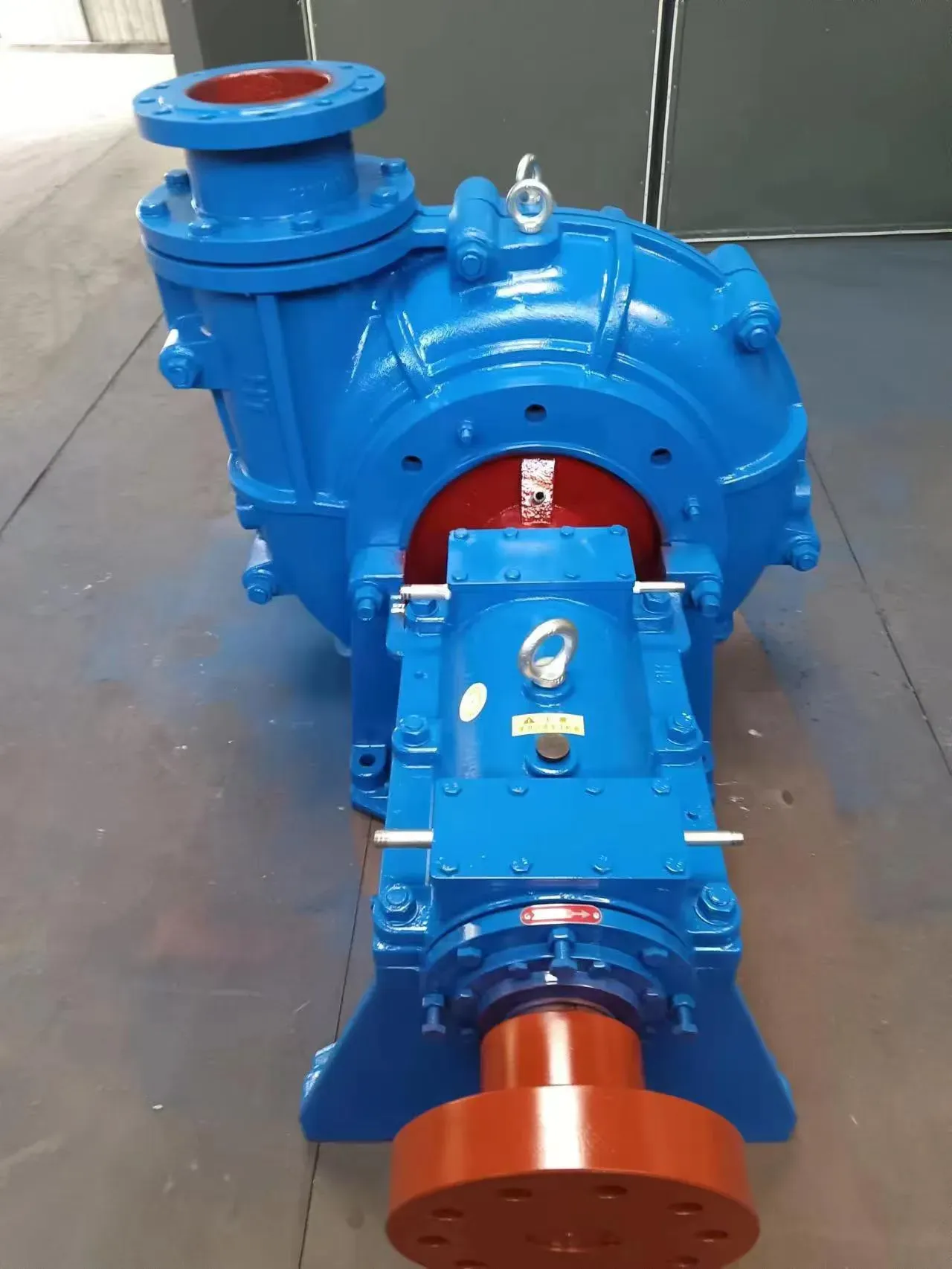
The construction of umbilical slurry pumps necessitates materials capable of withstanding harsh subsea conditions, including high pressures, corrosive fluids, and low temperatures. Pump casings are commonly manufactured from duplex stainless steels (e.g., 2205, 2507) or super-duplex stainless steels due to their superior corrosion resistance to hydrogen sulfide (H2S), carbon dioxide (CO2), and chlorides. Internal components subject to abrasive wear, such as impellers and liners, frequently utilize high-chromium cast irons or tungsten carbide coatings to enhance durability. Elastomeric seals and diaphragms are typically made from specialized polymers like fluoroelastomers (e.g., Viton) or perfluoroelastomers (e.g., Kalrez) for chemical compatibility and pressure retention.
Manufacturing processes involve precision machining of metallic components, followed by rigorous quality control inspections using non-destructive testing (NDT) methods such as radiographic testing (RT), ultrasonic testing (UT), and liquid penetrant examination (LPE) to detect internal flaws and ensure structural integrity. The pumping element itself often employs a reciprocating piston or diaphragm design. For piston-type pumps, the piston is typically fitted with polyurethane or rubber seals. Diaphragm pumps utilize flexible diaphragms actuated by hydraulic fluid. The umbilical connection is a critical aspect, often involving specialized connectors engineered to withstand extreme pressures and prevent fluid leakage. Key parameter control during manufacturing focuses on dimensional accuracy, surface finish, and material composition to guarantee consistent performance and long service life. Welding procedures are carefully controlled and certified to relevant industry standards (e.g., ASME Section IX) to prevent weld defects that could compromise pump integrity.
Performance & Engineering
Performance engineering for umbilical slurry pumps centers around hydraulic power analysis, stress analysis, and fluid dynamics simulations. Force analysis determines the loads acting on the pump components during operation, ensuring structural adequacy. Environmental resistance is paramount; pumps must withstand hydrostatic pressures ranging from 3,000 to 15,000 psi and operate reliably in seawater temperatures approaching freezing. Compliance requirements include adherence to industry standards like API 674 (Positive Displacement Pumps) and specific subsea equipment qualification standards (e.g., DNV-GL-ET-0361).
Functional implementation involves careful consideration of pump sizing, flow rate optimization, and solids handling capabilities. The pump's volumetric displacement must be matched to the specific application requirements, ensuring efficient slurry transport without causing excessive pressure drops or blockage. The selection of pump materials and seal designs plays a crucial role in maintaining chemical compatibility with the transported slurry. Furthermore, the pump's control system must be integrated with the overall subsea infrastructure, allowing for remote operation, monitoring, and diagnostics. A critical engineering challenge is preventing cavitation, which can occur due to low suction pressure and lead to impeller damage. Proper pump positioning and optimization of suction line configuration are essential to mitigate this risk. Pressure relief valves and other safety devices are incorporated to protect the pump from overpressure conditions.
Technical Specifications
| Parameter | Unit | Typical Value (Low Range) | Typical Value (High Range) |
|---|---|---|---|
| Maximum Discharge Pressure | psi | 3,000 | 15,000 |
| Flow Rate | gpm | 50 | 500 |
| Solids Handling Capacity | wt% | 10 | 60 |
| Pump Displacement | cu in/stroke | 20 | 100 |
| Operating Temperature Range | °F | 20 | 250 |
| Umbilical Connection Size | inches | 2 | 6 |
Failure Mode & Maintenance
Umbilical slurry pump failures can arise from various sources. Fatigue cracking in the pump casing or internal components can occur due to cyclic pressure loading and stress concentration. Delamination of elastomer seals can lead to leakage and loss of pumping efficiency. Degradation of polymeric materials due to chemical attack or thermal aging can compromise their sealing properties. Oxidation of metallic components, particularly in the presence of corrosive fluids, can lead to pitting corrosion and reduced material strength. Abrasive wear of impellers and liners is a common failure mode when handling abrasive slurries.
Professional maintenance solutions include regular inspection of pump components for signs of wear or damage. Elastomeric seals should be replaced periodically based on operating conditions and manufacturer recommendations. The pump's hydraulic fluid should be analyzed for contamination and replaced as needed. Non-destructive testing methods (e.g., UT, RT) can be used to detect internal flaws and assess the structural integrity of critical components. Preventive maintenance schedules should be implemented to minimize the risk of unscheduled downtime. In the event of a pump failure, a root cause analysis should be performed to identify the underlying cause and implement corrective actions. Repair procedures should be conducted by qualified personnel using appropriate tools and equipment. Proper lubrication is also critical; using the manufacturer's recommended lubricants ensures smooth operation and minimizes wear.
Industry FAQ
Q: What is the impact of solids concentration on pump performance and lifespan?
A: Increased solids concentration significantly reduces pump efficiency and accelerates abrasive wear. Higher concentrations require more power to pump, increasing stress on the motor and pump components. The lifespan of impellers, liners, and seals is dramatically reduced. Proper slurry conditioning and solids separation techniques should be employed upstream of the pump to minimize solids concentration.
Q: How does the umbilical length affect pump operation and what mitigation strategies are employed?
A: Longer umbilical lengths increase frictional pressure losses, reducing pump discharge pressure and flow rate. This requires a larger pump or a higher operating pressure to compensate. Mitigation strategies include using larger diameter umbilical lines, optimizing umbilical routing to minimize bends, and selecting pump designs with higher head capabilities.
Q: What corrosion inhibitors are commonly used to protect the pump from seawater corrosion?
A: Common corrosion inhibitors include amine-based inhibitors, phosphate-based inhibitors, and oxygen scavengers. The specific inhibitor selection depends on the water chemistry, temperature, and the materials of construction. Continuous injection of corrosion inhibitors is often employed to maintain a protective film on the pump's internal surfaces.
Q: What are the challenges associated with subsea pump maintenance, and how are they addressed?
A: Subsea pump maintenance is challenging due to the remote location, high pressures, and limited access. ROVs (Remotely Operated Vehicles) are typically used to perform visual inspections, maintenance tasks, and component replacements. Modular pump designs and quick-disconnect connectors facilitate easier component replacement. Condition monitoring systems provide real-time data on pump performance and can detect potential failures before they occur.
Q: How do you prevent cavitation in these pump systems?
A: Cavitation is prevented by ensuring adequate net positive suction head available (NPSHa) at the pump inlet. This involves optimizing suction line diameter, minimizing suction lift, and maintaining sufficient fluid level in the suction tank. Proper pump selection and operation within the recommended flow rate range also help prevent cavitation.
Conclusion
Umbilical slurry pumps are essential components in numerous subsea applications, providing a reliable means of transferring abrasive slurries in demanding environments. Their design and material selection are dictated by the need to withstand extreme pressures, corrosive fluids, and prolonged operation with minimal maintenance. Understanding the intricacies of material science, manufacturing processes, and performance engineering is crucial for ensuring optimal pump performance and longevity.
Looking ahead, advancements in pump technology will focus on developing more efficient and durable pumps with enhanced monitoring and control capabilities. The integration of artificial intelligence and machine learning algorithms will enable predictive maintenance, minimizing downtime and reducing operating costs. Furthermore, the development of new materials with improved corrosion resistance and abrasion resistance will extend pump service life and enhance reliability in challenging subsea environments.
-
Precision at the Pump: How Better Machining Protects Flow and Uptime
News2026-11-20
-
Why Pump Reliability Begins Before the First Drop of Fluid
News2026-11-20
-
Beyond the Pump: Designing Safer Access Around Critical Water Infrastructure
News2026-11-20
-
Why Pumping Stations Depend on the Infrastructure Beneath the Pumps
News2026-11-20
-
Beyond the Pump Room: How Smarter Loading Protects Industrial Equipment
News2026-11-19
-
When Pumps Stop: Designing More Resilient Power for Critical Pumping Systems
News2026-11-19
-
The Hidden Role of Dust and Gas Monitoring in Reliable Pump Operations
News2026-11-19
-
The Hidden Role of Mineral Compounds in Extending Industrial Pump Lifespan
News2026-10-12
-
Why Pump System Reliability Depends on Precision Hose Assembly Methods
News2026-09-15
-
How Advanced Imaging Films Are Transforming Pump Component Quality Control
News2026-08-25
-
How Advanced Filtration Protects Pump Systems from Premature Wear and Costly Downtime
News2026-08-25
-
How Steel Material Selection Drives Pump Reliability in Heavy-Duty Systems
News2026-08-25
-
Ensuring Pump System Efficiency: The Role of High-Quality Pipe Fittings and Tubing
News2026-08-24
-
Optimizing Fluid Dynamics and Material Consistency in Industrial Processing
News2026-08-18
-
Innovations and Challenges in Hydraulic Systems for Heavy Machinery
News2026-08-13




