English
- Afrikaans
- Albanian
- Amharic
- Arabic
- Armenian
- Azerbaijani
- Basque
- Belarusian
- Bengali
- Bosnian
- Bulgarian
- Catalan
- Cebuano
- Corsican
- Croatian
- Czech
- Danish
- Dutch
- English
- Esperanto
- Estonian
- Finnish
- French
- Frisian
- Galician
- Georgian
- German
- Greek
- Gujarati
- Haitian Creole
- hausa
- hawaiian
- Hebrew
- Hindi
- Miao
- Hungarian
- Icelandic
- igbo
- Indonesian
- irish
- Italian
- Japanese
- Javanese
- Kannada
- kazakh
- Khmer
- Rwandese
- Korean
- Kurdish
- Kyrgyz
- Lao
- Latin
- Latvian
- Lithuanian
- Luxembourgish
- Macedonian
- Malgashi
- Malay
- Malayalam
- Maltese
- Maori
- Marathi
- Mongolian
- Myanmar
- Nepali
- Norwegian
- Norwegian
- Occitan
- Pashto
- Persian
- Polish
- Portuguese
- Punjabi
- Romanian
- Russian
- Samoan
- Scottish Gaelic
- Serbian
- Sesotho
- Shona
- Sindhi
- Sinhala
- Slovak
- Slovenian
- Somali
- Spanish
- Sundanese
- Swahili
- Swedish
- Tagalog
- Tajik
- Tamil
- Tatar
- Telugu
- Thai
- Turkish
- Turkmen
- Ukrainian
- Urdu
- Uighur
- Uzbek
- Vietnamese
- Welsh
- Bantu
- Yiddish
- Yoruba
- Zulu

Telephone: +86 13120555503
Email: frank@cypump.com


Apr . 01, 2024 17:55 Back to list
trash slurry pump Material Science Manufacturing
Introduction
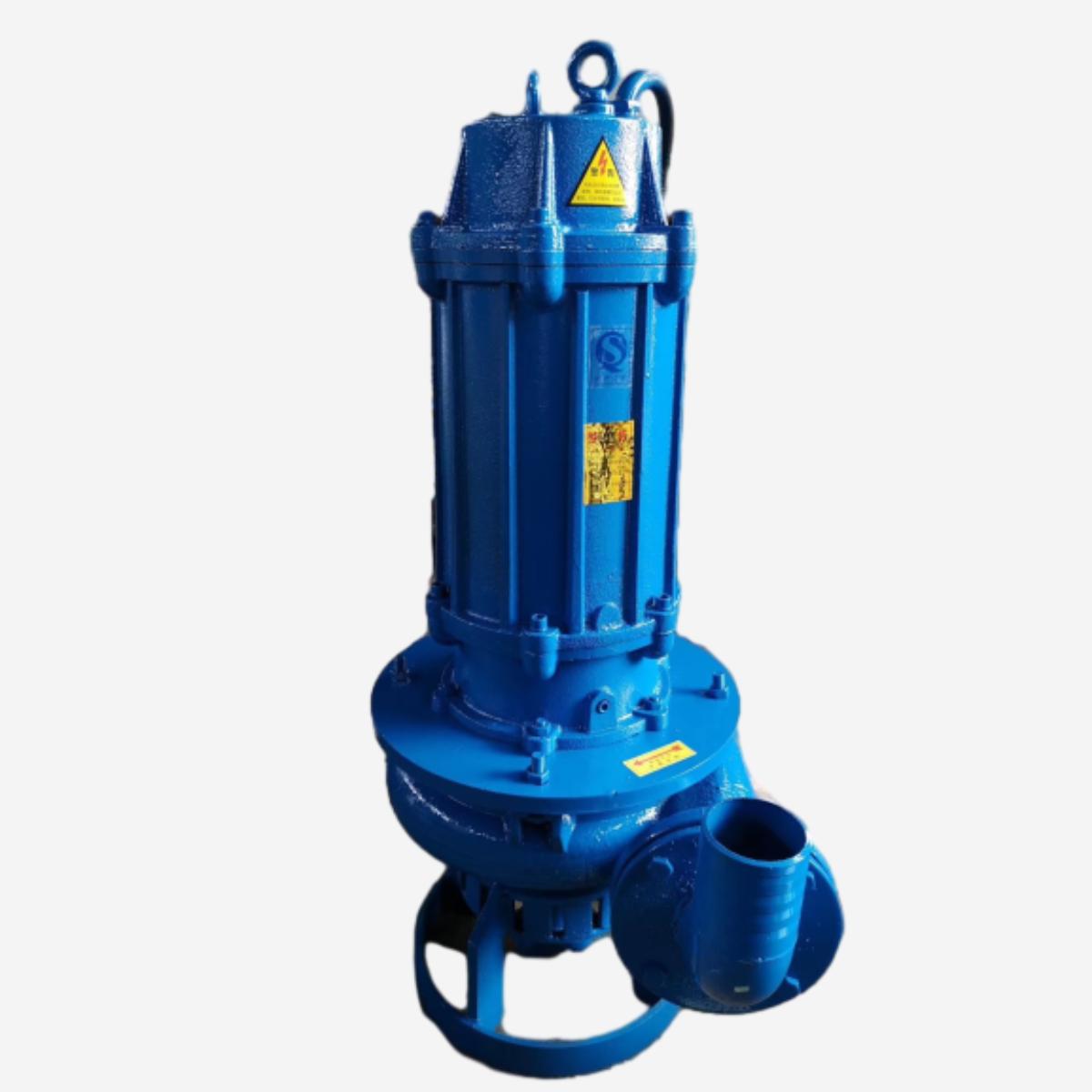
Trash slurry pumps are robust centrifugal pumps specifically engineered for handling heavily contaminated liquids containing large solids and abrasive materials. Their position within the industrial chain is critical in wastewater treatment, mining, construction, and various industrial processes where the removal of solids-laden slurries is essential. Unlike clear-liquid centrifugal pumps, trash slurry pumps incorporate design features to prevent clogging and damage from rags, debris, stones, and other foreign objects. Core performance characteristics center on high solids handling capacity, abrasion resistance, and reliable operation in demanding environments. These pumps are frequently selected to overcome the core industry pain point of consistent downtime and high maintenance costs associated with conventional pumps failing due to solid ingestion and wear. The operational envelope of these pumps extends beyond simple fluid transfer to include dewatering, sludge handling, and process fluid circulation in harsh conditions.
Material Science & Manufacturing
The construction of trash slurry pumps necessitates materials capable of withstanding both abrasion and corrosion. Pump casings are commonly manufactured from gray iron (ASTM A48 Class 30) due to its cost-effectiveness and adequate wear resistance in moderately abrasive slurries. For highly abrasive applications, high chrome iron (typically 13-28% chromium) is employed, significantly enhancing resistance to erosion and wear. Impeller materials range from ductile iron (ASTM A536 65-45-12) for general-purpose service to hardened stainless steels (304, 316, 410) and specialized alloys for corrosive environments. Shaft materials typically utilize alloy steels (e.g., 4140, 4340) heat-treated for high tensile strength and torsional rigidity.
Manufacturing processes vary depending on component complexity. Casings are often produced using sand casting, offering flexibility in design and accommodating complex geometries. Impellers may be manufactured through investment casting for intricate blade profiles and improved dimensional accuracy, or via centrifugal casting to create high-density, wear-resistant structures. Shafts are typically machined from bar stock, undergoing precise turning, milling, and grinding operations. Critical dimensions, such as impeller clearances and shaft runout, are closely monitored during assembly using precision measuring instruments. Welding processes (SMAW, GMAW) are employed for joining components, requiring qualified welders and adherence to welding procedures specified in ASME Section IX to ensure structural integrity. Surface treatments such as epoxy coatings or ceramic linings are often applied to internal pump surfaces to further enhance corrosion and abrasion resistance.
Performance & Engineering
The performance of trash slurry pumps is heavily dictated by hydraulic design and operational parameters. Key engineering considerations include impeller geometry, casing volute design, and rotational speed. Impeller designs often incorporate open or semi-open configurations to minimize clogging and maximize solids handling capacity. The volute casing directs flow smoothly, converting kinetic energy into pressure. Force analysis considers both hydrostatic and hydrodynamic forces acting on the impeller and shaft. Bearing selection is critical, with deep groove ball bearings or angular contact ball bearings typically used for radial and axial load support. Shaft deflection is rigorously analyzed to prevent seal failure and maintain alignment.
Environmental resistance is paramount. Pumps operating in corrosive environments require careful material selection and protective coatings. Operating temperature limitations are dictated by the materials of construction and the properties of the pumped fluid. Compliance requirements frequently include adherence to hydraulic institute standards (HI) for pump performance testing and energy efficiency. Furthermore, certain applications, such as those involving hazardous materials, may necessitate compliance with ATEX directives for explosion protection (Europe) or Class I, Division 1 & 2 hazardous location standards (North America). The pump’s Net Positive Suction Head Required (NPSHr) must be carefully considered relative to the available NPSHa to avoid cavitation, which can cause significant damage to the impeller. Pump selection also hinges on understanding the slurry’s rheological properties (viscosity, density, particle size distribution) and solids concentration.
Technical Specifications
| Parameter | Unit | Typical Range | Material Options |
|---|---|---|---|
| Flow Rate | GPM (US) | 50 - 1000 | Cast Iron, Stainless Steel, High Chrome Iron |
| Total Head | ft | 20 - 200 | Cast Iron, Stainless Steel, High Chrome Iron |
| Solids Handling Size | in | Up to 3 | Cast Iron, Stainless Steel, High Chrome Iron |
| Pump Type | - | Centrifugal, Submersible | Cast Iron, Stainless Steel, High Chrome Iron |
| Motor Power | HP | 3 - 100 | TEFC, Explosion Proof |
| Impeller Diameter | in | 4 - 12 | Ductile Iron, High Chrome Iron, Stainless Steel |
Failure Mode & Maintenance
Trash slurry pumps are susceptible to several failure modes. Abrasive wear is a primary concern, leading to impeller erosion and casing wall thinning. This is exacerbated by high solids concentrations and the angularity of the abrasive particles. Fatigue cracking can occur in the shaft and impeller due to cyclical loading and stress concentrations. Corrosion, particularly in saline or chemically aggressive environments, can lead to pitting and material degradation. Cavitation, arising from insufficient NPSHa, causes pitting and erosion on the impeller surface. Mechanical seal failures are common, often due to abrasive particles migrating between the seal faces or excessive shaft misalignment.
Preventive maintenance is crucial. Regular inspections should focus on impeller wear, casing thickness, bearing condition, and seal integrity. Vibration analysis can detect bearing defects or impeller imbalance. Lubrication schedules must be strictly adhered to, utilizing appropriate lubricants for the operating conditions. Periodic replacement of wear parts, such as liners and impellers, is essential. For pumps operating in corrosive environments, regular coating inspection and repair are necessary. Thorough flushing of the pump casing after use can remove abrasive particles and prevent build-up. Implementing a condition monitoring program utilizing sensors for temperature, pressure, and vibration can provide early warnings of potential failures. Routine alignment checks of the pump and motor assembly are also critical to minimize bearing and seal wear.
Industry FAQ
Q: What is the impact of particle size distribution on pump selection?
A: Particle size distribution is a critical parameter. Larger particles require larger impeller passages and a more robust pump design to prevent clogging. The concentration of solids also influences pump selection; higher concentrations necessitate pumps with larger clearances and more abrasion-resistant materials. The shape of the particles (angularity vs. roundness) also plays a role, with angular particles causing more aggressive wear.
Q: How does the specific gravity of the slurry affect pump performance?
A: Higher specific gravity slurries increase the hydraulic load on the pump, requiring a more powerful motor and potentially a larger pump size. The pump's head-capacity curve will be affected, and the pump may need to be derated to ensure reliable operation. Consideration must be given to the increased weight of the slurry and its impact on the pump's foundation and support structure.
Q: What are the key considerations for selecting a pump for abrasive slurries?
A: For abrasive slurries, material selection is paramount. High chrome iron alloys are often preferred for their exceptional wear resistance. Pump design should minimize turbulence and flow velocities to reduce erosive wear. Regular inspection and replacement of wear parts are essential, and a robust sealing system is needed to prevent abrasive particles from entering the bearings.
Q: How do I determine the required NPSH for a slurry application?
A: Determining the required NPSH involves calculating the vapor pressure of the slurry at the operating temperature, measuring the static suction head, and accounting for friction losses in the suction piping. The pump's NPSHr, as specified by the manufacturer, must be lower than the available NPSHa to prevent cavitation. It's critical to accurately assess the slurry's properties and piping configuration.
Q: What maintenance procedures are essential for extending the life of a trash slurry pump?
A: Essential maintenance includes regular inspections of the impeller, casing, and seals; lubrication of bearings according to the manufacturer's recommendations; monitoring vibration levels; and flushing the pump casing to remove abrasive particles. Implementing a scheduled replacement program for wear parts, such as liners and impellers, is also crucial.
Conclusion
Trash slurry pumps represent a critical component in numerous industrial processes, enabling the reliable handling of challenging fluid mixtures. Their design necessitates a careful balance between material selection, hydraulic performance, and operational considerations to mitigate abrasive wear, corrosion, and clogging. Understanding the nuances of slurry characteristics—particle size distribution, specific gravity, and chemical composition—is fundamental to selecting the appropriate pump for a given application.
The ongoing development of advanced materials, such as silicon carbide and ceramic composites, promises to further enhance the abrasion and corrosion resistance of these pumps. Integrating condition monitoring technologies and predictive maintenance strategies will also be instrumental in minimizing downtime and extending pump lifespan, ultimately reducing total cost of ownership. The continued emphasis on hydraulic efficiency and energy conservation will drive innovation in pump design, leading to more sustainable and cost-effective solutions for solids handling.
-
Precision at the Pump: How Better Machining Protects Flow and Uptime
News2026-11-20
-
Why Pump Reliability Begins Before the First Drop of Fluid
News2026-11-20
-
Beyond the Pump: Designing Safer Access Around Critical Water Infrastructure
News2026-11-20
-
Why Pumping Stations Depend on the Infrastructure Beneath the Pumps
News2026-11-20
-
Beyond the Pump Room: How Smarter Loading Protects Industrial Equipment
News2026-11-19
-
When Pumps Stop: Designing More Resilient Power for Critical Pumping Systems
News2026-11-19
-
The Hidden Role of Dust and Gas Monitoring in Reliable Pump Operations
News2026-11-19
-
The Hidden Role of Mineral Compounds in Extending Industrial Pump Lifespan
News2026-10-12
-
Why Pump System Reliability Depends on Precision Hose Assembly Methods
News2026-09-15
-
How Advanced Imaging Films Are Transforming Pump Component Quality Control
News2026-08-25
-
How Advanced Filtration Protects Pump Systems from Premature Wear and Costly Downtime
News2026-08-25
-
How Steel Material Selection Drives Pump Reliability in Heavy-Duty Systems
News2026-08-25
-
Ensuring Pump System Efficiency: The Role of High-Quality Pipe Fittings and Tubing
News2026-08-24
-
Optimizing Fluid Dynamics and Material Consistency in Industrial Processing
News2026-08-18
-
Innovations and Challenges in Hydraulic Systems for Heavy Machinery
News2026-08-13




