English
- Afrikaans
- Albanian
- Amharic
- Arabic
- Armenian
- Azerbaijani
- Basque
- Belarusian
- Bengali
- Bosnian
- Bulgarian
- Catalan
- Cebuano
- Corsican
- Croatian
- Czech
- Danish
- Dutch
- English
- Esperanto
- Estonian
- Finnish
- French
- Frisian
- Galician
- Georgian
- German
- Greek
- Gujarati
- Haitian Creole
- hausa
- hawaiian
- Hebrew
- Hindi
- Miao
- Hungarian
- Icelandic
- igbo
- Indonesian
- irish
- Italian
- Japanese
- Javanese
- Kannada
- kazakh
- Khmer
- Rwandese
- Korean
- Kurdish
- Kyrgyz
- Lao
- Latin
- Latvian
- Lithuanian
- Luxembourgish
- Macedonian
- Malgashi
- Malay
- Malayalam
- Maltese
- Maori
- Marathi
- Mongolian
- Myanmar
- Nepali
- Norwegian
- Norwegian
- Occitan
- Pashto
- Persian
- Polish
- Portuguese
- Punjabi
- Romanian
- Russian
- Samoan
- Scottish Gaelic
- Serbian
- Sesotho
- Shona
- Sindhi
- Sinhala
- Slovak
- Slovenian
- Somali
- Spanish
- Sundanese
- Swahili
- Swedish
- Tagalog
- Tajik
- Tamil
- Tatar
- Telugu
- Thai
- Turkish
- Turkmen
- Ukrainian
- Urdu
- Uighur
- Uzbek
- Vietnamese
- Welsh
- Bantu
- Yiddish
- Yoruba
- Zulu

Telephone: +86 13120555503
Email: frank@cypump.com


Apr . 01, 2024 17:55 Back to list
tractor slurry pump Performance and Engineering
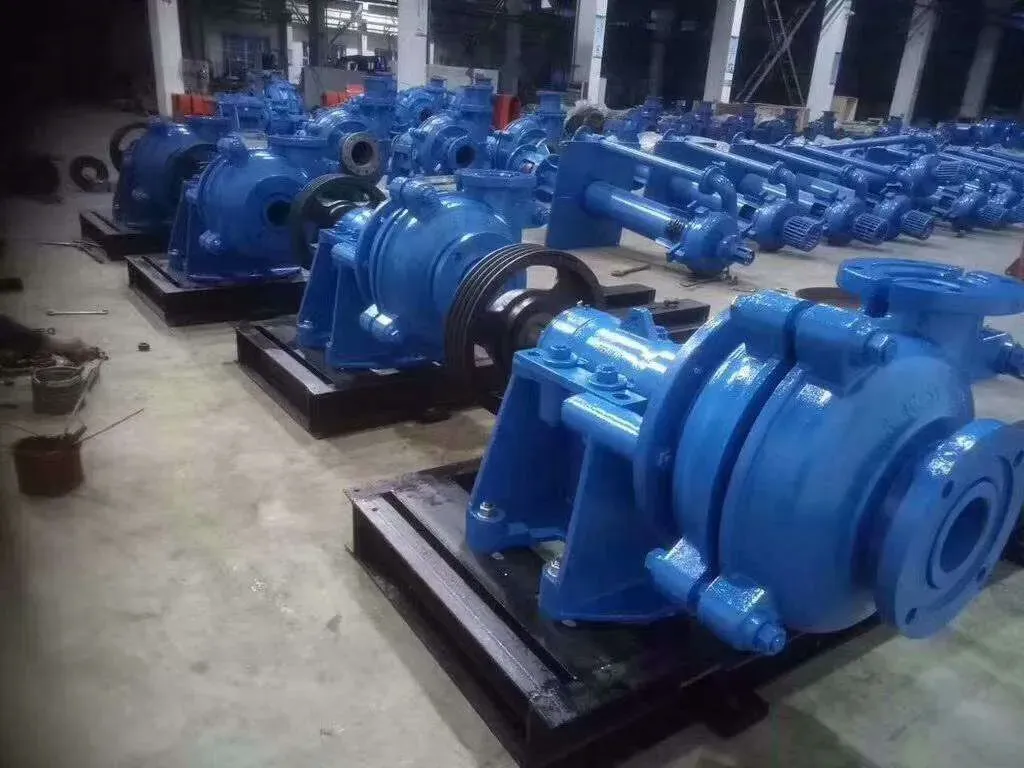
Introduction
Tractor slurry pumps are positive displacement pumps designed for the efficient transfer of semi-solid materials, specifically agricultural slurry comprised of manure, digestate, and other organic waste. Positioned within the agricultural machinery supply chain, these pumps serve as a critical component for waste management systems, contributing to efficient fertilizer application and biogas production. Core performance characteristics center around flow rate (typically measured in cubic meters per hour), head pressure (in meters or feet), solids handling capability (expressed as a percentage or maximum particle size), and overall durability in corrosive environments. The rising demand for environmentally responsible agricultural practices and stricter regulations regarding waste disposal drive the ongoing development and refinement of tractor slurry pump technology. Addressing key industry pain points, such as pump clogging, abrasive wear, and maintaining consistent performance with variable slurry compositions, is paramount. These pumps are typically PTO-driven (Power Take-Off) from the tractor, offering a convenient and self-contained power source for field applications.
Material Science & Manufacturing
The construction of tractor slurry pumps heavily relies on materials selected for their resistance to corrosion, abrasion, and the mechanical stresses induced by handling viscous, abrasive slurries. Pump housings are commonly constructed from cast iron (ASTM A48 Class 30), offering a balance of strength, cost-effectiveness, and castability. Impellers, the rotating component responsible for generating flow, are frequently manufactured from high-chrome cast iron (typically containing 15-28% chromium), chosen for its exceptional wear resistance. Shafts are often made from high-tensile strength steel alloys (e.g., 4140 or equivalent) and undergo hardening treatments to withstand torsional stress. Sealing components, such as mechanical seals, utilize materials like silicon carbide (SiC) or tungsten carbide (WC) for their superior wear and chemical resistance. Manufacturing processes include: Casting: For housing and impeller creation, utilizing sand casting or investment casting for complex geometries. Machining: Precise machining of impeller vanes, housing bores, and shaft surfaces is critical for maintaining hydraulic efficiency. Welding: Used for assembling components and potentially for cladding wear-resistant materials onto the housing. Heat Treatment: Hardening and tempering processes are applied to shafts and impellers to optimize mechanical properties. Parameter control focuses on maintaining dimensional accuracy during machining, ensuring proper alloy composition during casting, and achieving specified hardness values through heat treatment. Slurry composition dictates material selection; highly abrasive slurries necessitate increased chrome content in impellers and potentially the use of hardfacing techniques to extend component life.
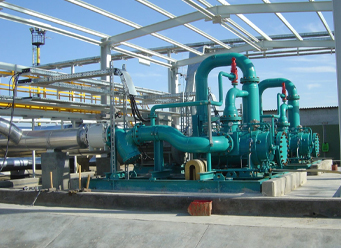
Performance & Engineering
Performance of tractor slurry pumps is dictated by a complex interplay of hydraulic forces, fluid mechanics, and mechanical engineering principles. Force analysis focuses on impeller loading, shaft bending moments, and bearing loads. Cavitation, a significant concern with slurry pumps, occurs when the pressure within the pump drops below the vapor pressure of the slurry, forming vapor bubbles that collapse and damage the impeller. Preventing cavitation requires careful selection of pump speed, suction lift, and impeller design. Environmental resistance is paramount, particularly against the corrosive effects of manure and digestate. Pump housings and impellers must withstand prolonged exposure to acidic and alkaline compounds. Compliance requirements vary by region, but generally encompass safety standards (e.g., EN ISO 12100 for machinery safety) and environmental regulations concerning waste management. Functional implementation involves coupling the pump to the tractor’s PTO shaft, ensuring proper alignment and rotational speed. A critical engineering aspect is the design of the impeller geometry to maximize solids handling capability while minimizing clogging. This often involves the use of open or semi-open impeller designs, incorporating a large passage area for solids to flow through. The pump’s volute casing is engineered to efficiently convert the kinetic energy of the slurry into pressure energy, maximizing pump efficiency.
Technical Specifications
| Parameter | Unit | Typical Value (Range) | Testing Standard |
|---|---|---|---|
| Flow Rate | m³/h | 10 – 80 | ISO 9906 |
| Maximum Head | m | 15 – 40 | ISO 9906 |
| Solids Handling | % | Up to 15 (diameter < 50mm) | In-house testing based on slurry composition |
| Suction Lift | m | Up to 6 | ISO 9906 |
| Pump Type | - | Centrifugal/Positive Displacement (various lobe designs) | Pump Manufacturer Specifications |
| Housing Material | - | Cast Iron (ASTM A48 Class 30), Stainless Steel (304/316) | ASTM Standards |
Failure Mode & Maintenance
Tractor slurry pumps are susceptible to several failure modes. Abrasive Wear: The primary cause of failure, particularly in pumps handling high solids concentrations. Impellers and housings experience gradual material loss due to particle impact. Corrosion: Exposure to corrosive components within the slurry (e.g., hydrogen sulfide, ammonia) can lead to pitting and erosion of metallic components. Clogging: Large debris or fibrous materials can obstruct the impeller and volute, reducing flow rate and potentially causing pump seizure. Mechanical Seal Failure: Wear or damage to the mechanical seal results in slurry leakage and potential pump failure. Bearing Failure: Insufficient lubrication, excessive loading, or contamination can lead to bearing wear and eventual failure. Maintenance solutions include: Regular Inspection: Visual inspection for wear, corrosion, and leaks. Impeller Replacement: Replace impellers when significant wear is detected. Mechanical Seal Replacement: Replace seals proactively to prevent leakage. Lubrication: Proper lubrication of bearings is critical for extending their lifespan. Flushing: Regularly flush the pump with clean water to remove accumulated solids. Preventive Maintenance Schedule: Implement a scheduled maintenance program based on operating hours and slurry composition. Failure analysis of worn components provides valuable insights for improving pump design and material selection. Employing hardness testing (e.g., Rockwell or Vickers) on worn impellers can quantify abrasive wear rates.
Industry FAQ
Q: What is the optimal impeller material for handling highly abrasive slurries containing grit and sand?
A: For highly abrasive slurries, high-chrome cast iron (25-28% chromium) is generally the optimal impeller material. The high chromium content significantly increases wear resistance compared to standard cast iron. Hardfacing techniques, such as applying a layer of tungsten carbide, can further enhance impeller life in extremely abrasive environments.
Q: How can I minimize the risk of cavitation in my slurry pump?
A: Minimizing cavitation involves several factors. Ensure adequate suction head (avoid excessive lift). Control pump speed – lower speeds reduce the risk of cavitation. Select an impeller design optimized for the specific slurry characteristics. Regularly inspect and clean the suction line to remove any obstructions that could restrict flow.
Q: What is the recommended maintenance schedule for a tractor slurry pump operating 8 hours per day, 5 days per week?
A: A recommended schedule includes daily visual inspection for leaks and unusual noises, weekly flushing of the pump with clean water, monthly inspection of mechanical seals and bearings, and annual replacement of seals and a comprehensive pump overhaul to inspect for wear and corrosion.
Q: What measures can be taken to prevent clogging in the pump when handling slurries with long fibrous materials?
A: Utilizing a pump with an open or semi-open impeller design, which offers a larger passage area for solids, is crucial. Implementing a pre-screening system to remove larger debris before it enters the pump can also help prevent clogging. Additionally, regular flushing with clean water can dislodge any accumulated fibrous materials.
Q: What are the key considerations when selecting a pump for digestate application versus manure application?
A: Digestate typically has a lower solids content and is less abrasive than raw manure. Therefore, a pump designed for digestate can potentially utilize softer materials and operate at higher speeds. Manure, being more abrasive, requires pumps constructed from harder materials (high-chrome cast iron) and operating at lower speeds to minimize wear. Digestate may also contain more stringy materials which require an open impeller design.
Conclusion
Tractor slurry pumps represent a vital component in modern agricultural waste management, facilitating efficient and environmentally responsible handling of manure and digestate. The selection and operation of these pumps necessitate a thorough understanding of material science, hydraulic principles, and potential failure modes. Optimizing performance requires careful consideration of slurry composition, pump design, and a proactive maintenance strategy.
Future developments in tractor slurry pump technology will likely focus on enhancing wear resistance through novel materials and surface coatings, improving impeller designs to further minimize clogging, and incorporating intelligent monitoring systems to predict and prevent pump failures. Continued refinement of these technologies will contribute to increased efficiency, reduced operating costs, and enhanced sustainability in agricultural practices.
-
Precision at the Pump: How Better Machining Protects Flow and Uptime
News2026-11-20
-
Why Pump Reliability Begins Before the First Drop of Fluid
News2026-11-20
-
Beyond the Pump: Designing Safer Access Around Critical Water Infrastructure
News2026-11-20
-
Why Pumping Stations Depend on the Infrastructure Beneath the Pumps
News2026-11-20
-
Beyond the Pump Room: How Smarter Loading Protects Industrial Equipment
News2026-11-19
-
When Pumps Stop: Designing More Resilient Power for Critical Pumping Systems
News2026-11-19
-
The Hidden Role of Dust and Gas Monitoring in Reliable Pump Operations
News2026-11-19
-
The Hidden Role of Mineral Compounds in Extending Industrial Pump Lifespan
News2026-10-12
-
Why Pump System Reliability Depends on Precision Hose Assembly Methods
News2026-09-15
-
How Advanced Imaging Films Are Transforming Pump Component Quality Control
News2026-08-25
-
How Advanced Filtration Protects Pump Systems from Premature Wear and Costly Downtime
News2026-08-25
-
How Steel Material Selection Drives Pump Reliability in Heavy-Duty Systems
News2026-08-25
-
Ensuring Pump System Efficiency: The Role of High-Quality Pipe Fittings and Tubing
News2026-08-24
-
Optimizing Fluid Dynamics and Material Consistency in Industrial Processing
News2026-08-18
-
Innovations and Challenges in Hydraulic Systems for Heavy Machinery
News2026-08-13




