English
- Afrikaans
- Albanian
- Amharic
- Arabic
- Armenian
- Azerbaijani
- Basque
- Belarusian
- Bengali
- Bosnian
- Bulgarian
- Catalan
- Cebuano
- Corsican
- Croatian
- Czech
- Danish
- Dutch
- English
- Esperanto
- Estonian
- Finnish
- French
- Frisian
- Galician
- Georgian
- German
- Greek
- Gujarati
- Haitian Creole
- hausa
- hawaiian
- Hebrew
- Hindi
- Miao
- Hungarian
- Icelandic
- igbo
- Indonesian
- irish
- Italian
- Japanese
- Javanese
- Kannada
- kazakh
- Khmer
- Rwandese
- Korean
- Kurdish
- Kyrgyz
- Lao
- Latin
- Latvian
- Lithuanian
- Luxembourgish
- Macedonian
- Malgashi
- Malay
- Malayalam
- Maltese
- Maori
- Marathi
- Mongolian
- Myanmar
- Nepali
- Norwegian
- Norwegian
- Occitan
- Pashto
- Persian
- Polish
- Portuguese
- Punjabi
- Romanian
- Russian
- Samoan
- Scottish Gaelic
- Serbian
- Sesotho
- Shona
- Sindhi
- Sinhala
- Slovak
- Slovenian
- Somali
- Spanish
- Sundanese
- Swahili
- Swedish
- Tagalog
- Tajik
- Tamil
- Tatar
- Telugu
- Thai
- Turkish
- Turkmen
- Ukrainian
- Urdu
- Uighur
- Uzbek
- Vietnamese
- Welsh
- Bantu
- Yiddish
- Yoruba
- Zulu

Telephone: +86 13120555503
Email: frank@cypump.com


Apr . 01, 2024 17:55 Back to list
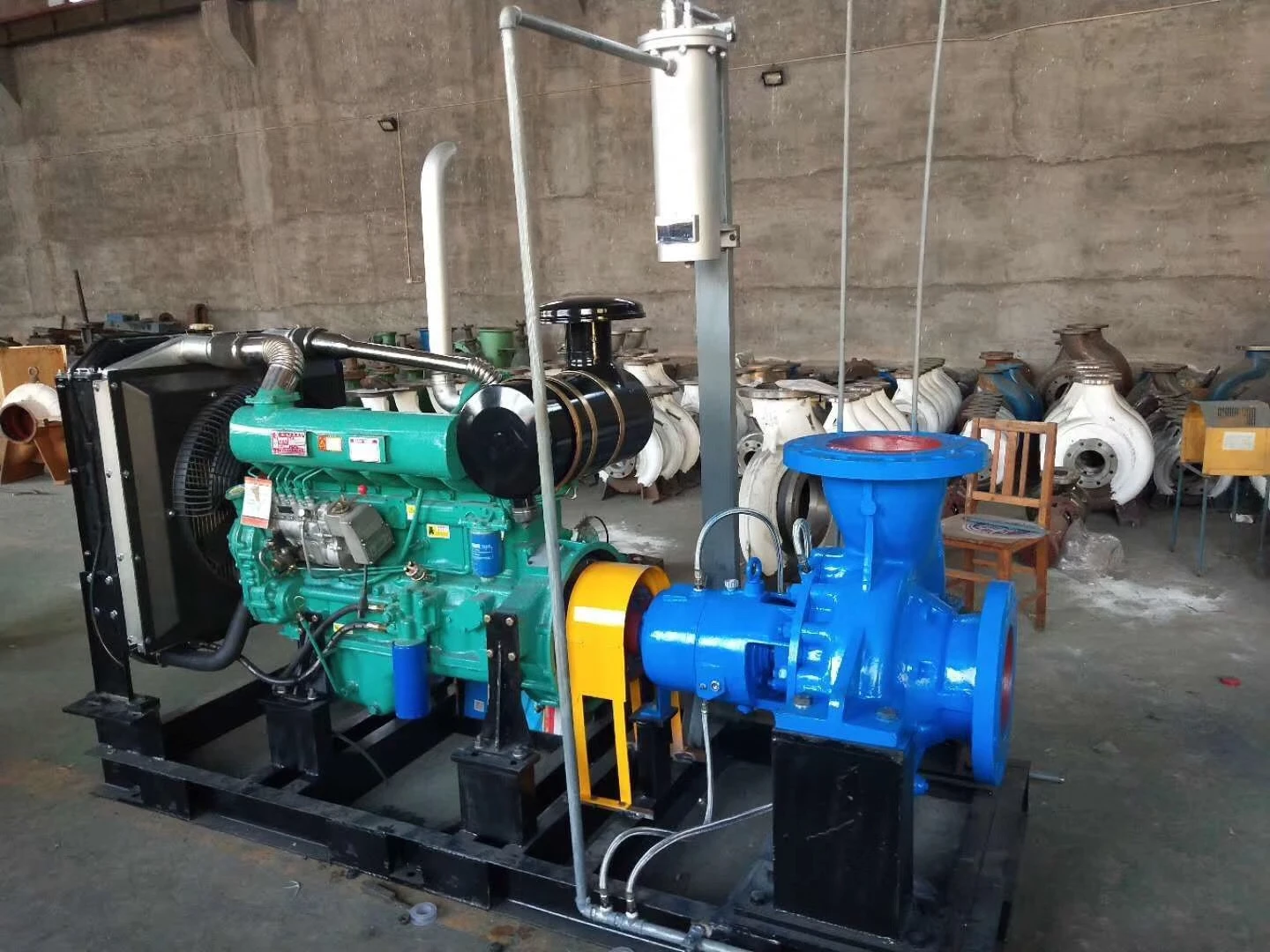
tractor pto slurry pump Performance Analysis
Introduction
The tractor PTO slurry pump is a positive displacement pump designed for transferring semi-solid, abrasive slurries utilizing the power take-off (PTO) of a tractor. Positioned within the agricultural and industrial fluid handling chain, it bridges the gap between slurry source and destination – typically manure pits, lagoons, or tanks, and application points like spreaders or irrigation systems. Its core performance characteristics revolve around flow rate (gallons per minute), maximum solids handling capability (percentage solids by weight), discharge pressure (PSI), and pump efficiency. Unlike centrifugal pumps, PTO slurry pumps excel in handling viscous fluids and high solids content, making them vital for agricultural waste management, industrial wastewater treatment, and mining applications. A key differentiator lies in its direct mechanical drive from the tractor’s PTO shaft, eliminating the need for external power sources and enhancing portability. However, limitations include dependence on tractor engine speed for flow control and potential for pump damage if operated outside specified parameters.
Material Science & Manufacturing
The construction of a tractor PTO slurry pump necessitates materials resistant to abrasion, corrosion, and impact. Pump housings are commonly cast from grey iron (ASTM A48 Class 30) or ductile iron (ASTM A536 65-45-12), chosen for their structural integrity and cost-effectiveness. Impellers, the heart of the pump, are frequently manufactured from high-chrome cast iron (typically 15-28% chromium), providing exceptional resistance to abrasive wear from solid particles within the slurry. Shafts are typically made from medium carbon steel (AISI 1045) and hardened for torsional strength and durability. Seals are a critical component, commonly utilizing mechanical seals composed of silicon carbide (SiC) faces against tungsten carbide (WC) or ceramic seats to ensure leak-free operation with abrasive slurries. Manufacturing processes involve sand casting for the housing, investment casting or sand casting for the impeller, and machining operations for precision fitting of components. Key parameter control during manufacturing focuses on impeller balance (to minimize vibration), dimensional tolerances of the housing and impeller (to maintain close clearances for optimal pumping efficiency), and hardness of wear components. Welding processes, specifically shielded metal arc welding (SMAW) or gas tungsten arc welding (GTAW), are employed for repairing casting defects or joining components, adhering to AWS D1.1 standards. Proper heat treatment post-welding is essential to maintain material properties and prevent cracking.
Performance & Engineering
The performance of a tractor PTO slurry pump is dictated by several engineering principles. Force analysis centers on the hydraulic forces exerted by the slurry on the impeller and housing, demanding robust structural design to withstand these pressures. Cavitation, a significant concern, arises when the suction pressure drops too low, forming vapor bubbles that collapse and damage the impeller. Proper Net Positive Suction Head Required (NPSHr) calculations, based on slurry viscosity and pump speed, are crucial to prevent cavitation. Environmental resistance considerations include corrosion prevention via material selection (e.g., epoxy coatings for iron housings) and seal design to withstand exposure to corrosive slurries. Compliance requirements vary by region but typically encompass safety standards like ISO 12100 (safety of machinery) and environmental regulations concerning slurry leakage and disposal. Pump design incorporates volute casings to efficiently convert velocity energy into pressure energy, maximizing discharge pressure. The PTO shaft's rotational speed, dictated by the tractor's PTO speed (typically 540 or 1000 RPM), directly influences pump flow rate. Gearbox systems are often integrated to adjust pump speed and provide optimized performance for different slurry types and discharge head requirements. Pump selection requires careful consideration of slurry density, viscosity, solids content, and desired flow rate to match the pump’s performance curve with the application’s needs.
Technical Specifications
| Parameter | Unit | Typical Range | Testing Standard |
|---|---|---|---|
| Flow Rate | GPM (Gallons Per Minute) | 50 – 300 | ISO 9906 |
| Maximum Solids Handling | % by Weight | Up to 70 | In-house testing per client specification |
| Discharge Pressure | PSI (Pounds per Square Inch) | 50 – 150 | ASTM D1430 |
| Suction Lift | ft (Feet) | 10 – 25 | Manufacturer's data sheet |
| Pump Speed | RPM (Revolutions Per Minute) | 540 or 1000 (PTO dependent) | PTO Standard EN 12968 |
| Housing Material | - | Grey Iron/Ductile Iron | ASTM A48/A536 |
Failure Mode & Maintenance
Tractor PTO slurry pumps are susceptible to several failure modes. Fatigue cracking in the impeller, particularly around the vane roots, can occur due to cyclic stress from abrasive particles. Delamination of protective coatings (e.g., epoxy) on the housing exposes the iron to corrosion, leading to pitting and eventual housing failure. Seal failure, a common issue, is often caused by abrasive wear of the seal faces or intrusion of solid particles. Cavitation erosion damages the impeller, creating pits and reducing pumping efficiency. Shaft bending or breakage can occur due to excessive torsional stress or impact from large solids. Maintenance protocols are crucial for extending pump life. Regular inspection of the impeller and housing for wear is essential. Seal replacement should be performed proactively, based on operating hours or slurry abrasiveness. Lubrication of bearings per manufacturer's recommendations prevents premature failure. Thorough cleaning after each use removes residual slurry and prevents clogging. Proper storage during periods of inactivity minimizes corrosion. Preventative maintenance schedules should include torque checks on the PTO shaft connection and visual inspection for leaks or unusual noises. Failure analysis, involving metallurgical examination of failed components, helps identify root causes and improve future designs or maintenance procedures.
Industry FAQ
Q: What is the optimal slurry velocity for minimizing abrasion in the pump?
A: Maintaining a slurry velocity within the range of 2-4 m/s (approximately 6.5-13 ft/s) generally minimizes abrasion. Lower velocities encourage settling of solids, leading to increased wear at the bottom of the pump. Higher velocities increase erosive wear. The optimal velocity depends on the particle size distribution and hardness of the solids.
Q: How does slurry viscosity affect pump performance?
A: Increased slurry viscosity reduces pump flow rate and increases power consumption. Highly viscous slurries require pumps with larger impeller clearances and lower speeds to maintain adequate performance. Consideration should be given to using a pump specifically designed for high-viscosity fluids.
Q: What are the risks associated with overspeeding the pump via the PTO?
A: Overspeeding the pump significantly increases stress on the impeller, shaft, and seals, leading to premature failure. It also increases cavitation risk. Always operate the pump within the manufacturer’s specified speed range, corresponding to the tractor's PTO speed settings.
Q: What type of mechanical seal is best suited for highly abrasive slurries?
A: Silicon carbide (SiC) versus tungsten carbide (WC) mechanical seals are the most common choice for abrasive slurries. SiC offers superior abrasion resistance compared to WC. Double mechanical seals with a flush fluid barrier can further enhance seal life by preventing abrasive particle ingress.
Q: What measures can be taken to prevent corrosion in slurry pumps handling manure?
A: Applying an epoxy coating to the pump housing and impeller provides a barrier against corrosive elements in manure. Selecting stainless steel components for critical wear parts can also improve corrosion resistance. Regular cleaning after each use is crucial to remove corrosive compounds.
Conclusion
The tractor PTO slurry pump remains a workhorse in industries requiring robust and portable slurry handling solutions. Its reliance on established material science principles – particularly abrasion-resistant alloys and appropriate seal technologies – and adherence to stringent manufacturing controls are paramount to its operational longevity. Understanding the interplay between slurry properties, pump performance characteristics, and potential failure modes is crucial for informed pump selection and preventative maintenance programs.
Future development trends focus on optimizing impeller designs for enhanced hydraulic efficiency and reduced wear, exploring advanced coating technologies for improved corrosion resistance, and integrating smart sensors for real-time monitoring of pump performance and predictive maintenance capabilities. Continued advancements in these areas will further solidify the tractor PTO slurry pump's position as a reliable and cost-effective solution for challenging slurry handling applications.
-
Precision at the Pump: How Better Machining Protects Flow and Uptime
News2026-11-20
-
Why Pump Reliability Begins Before the First Drop of Fluid
News2026-11-20
-
Beyond the Pump: Designing Safer Access Around Critical Water Infrastructure
News2026-11-20
-
Why Pumping Stations Depend on the Infrastructure Beneath the Pumps
News2026-11-20
-
Beyond the Pump Room: How Smarter Loading Protects Industrial Equipment
News2026-11-19
-
When Pumps Stop: Designing More Resilient Power for Critical Pumping Systems
News2026-11-19
-
The Hidden Role of Dust and Gas Monitoring in Reliable Pump Operations
News2026-11-19
-
The Hidden Role of Mineral Compounds in Extending Industrial Pump Lifespan
News2026-10-12
-
Why Pump System Reliability Depends on Precision Hose Assembly Methods
News2026-09-15
-
How Advanced Imaging Films Are Transforming Pump Component Quality Control
News2026-08-25
-
How Advanced Filtration Protects Pump Systems from Premature Wear and Costly Downtime
News2026-08-25
-
How Steel Material Selection Drives Pump Reliability in Heavy-Duty Systems
News2026-08-25
-
Ensuring Pump System Efficiency: The Role of High-Quality Pipe Fittings and Tubing
News2026-08-24
-
Optimizing Fluid Dynamics and Material Consistency in Industrial Processing
News2026-08-18
-
Innovations and Challenges in Hydraulic Systems for Heavy Machinery
News2026-08-13




