English
- Afrikaans
- Albanian
- Amharic
- Arabic
- Armenian
- Azerbaijani
- Basque
- Belarusian
- Bengali
- Bosnian
- Bulgarian
- Catalan
- Cebuano
- Corsican
- Croatian
- Czech
- Danish
- Dutch
- English
- Esperanto
- Estonian
- Finnish
- French
- Frisian
- Galician
- Georgian
- German
- Greek
- Gujarati
- Haitian Creole
- hausa
- hawaiian
- Hebrew
- Hindi
- Miao
- Hungarian
- Icelandic
- igbo
- Indonesian
- irish
- Italian
- Japanese
- Javanese
- Kannada
- kazakh
- Khmer
- Rwandese
- Korean
- Kurdish
- Kyrgyz
- Lao
- Latin
- Latvian
- Lithuanian
- Luxembourgish
- Macedonian
- Malgashi
- Malay
- Malayalam
- Maltese
- Maori
- Marathi
- Mongolian
- Myanmar
- Nepali
- Norwegian
- Norwegian
- Occitan
- Pashto
- Persian
- Polish
- Portuguese
- Punjabi
- Romanian
- Russian
- Samoan
- Scottish Gaelic
- Serbian
- Sesotho
- Shona
- Sindhi
- Sinhala
- Slovak
- Slovenian
- Somali
- Spanish
- Sundanese
- Swahili
- Swedish
- Tagalog
- Tajik
- Tamil
- Tatar
- Telugu
- Thai
- Turkish
- Turkmen
- Ukrainian
- Urdu
- Uighur
- Uzbek
- Vietnamese
- Welsh
- Bantu
- Yiddish
- Yoruba
- Zulu

Telephone: +86 13120555503
Email: frank@cypump.com


Apr . 01, 2024 17:55 Back to list
tractor driven slurry pumps Material Science Manufacturing
Introduction
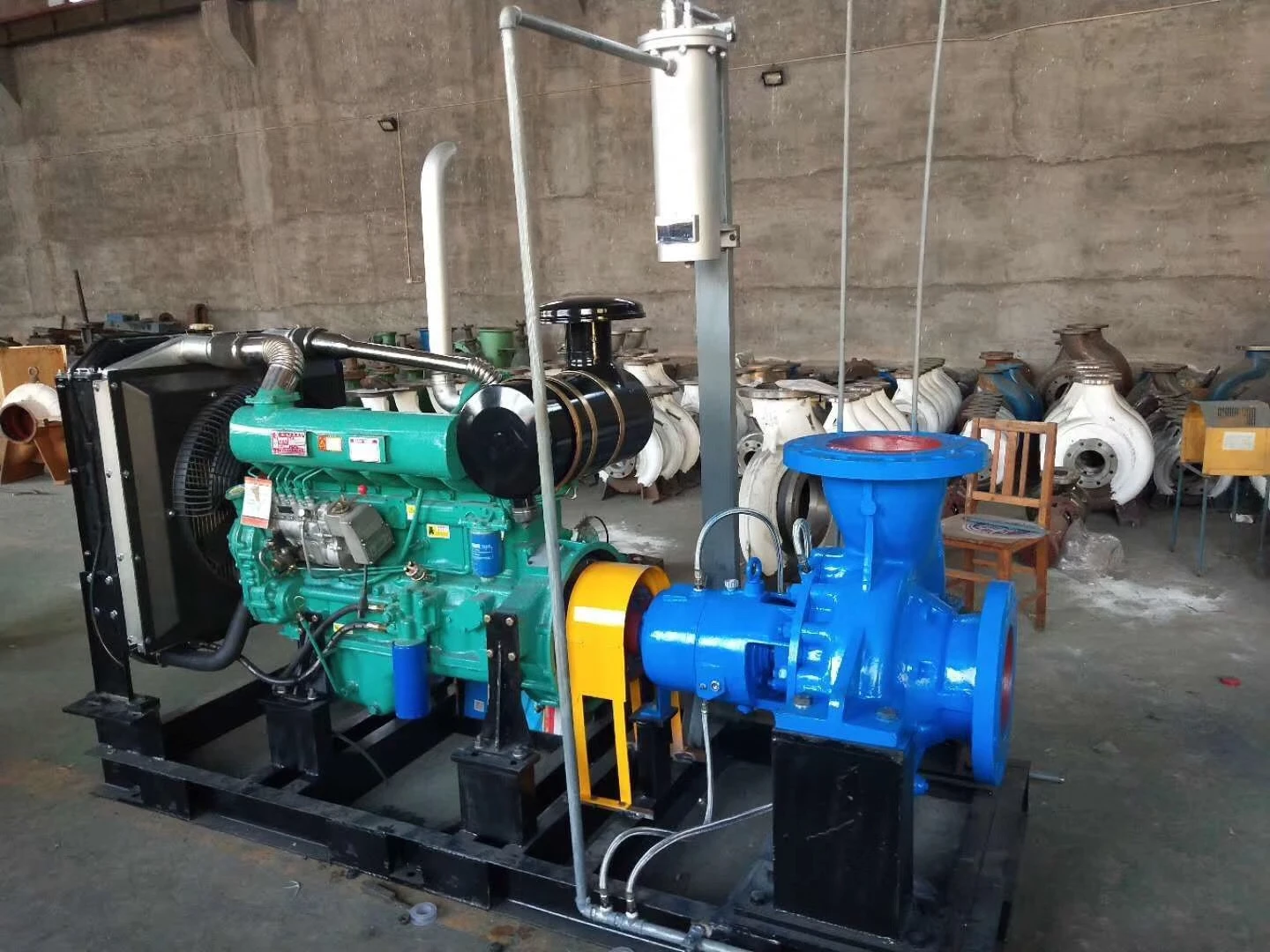
Tractor-driven slurry pumps are positive displacement pumps specifically designed for the transfer of semi-solid materials, commonly referred to as slurry, utilizing the power take-off (PTO) of a tractor as their primary energy source. Positioned within the agricultural and industrial fluid handling chain, these pumps bridge the gap between slurry sources – typically agricultural waste, wastewater treatment processes, or mining operations – and their destination: storage facilities, application sites, or processing units. Core performance characteristics center around flow rate (measured in gallons per minute or liters per minute), head pressure (feet or meters), solids handling capacity (percentage by weight or diameter of particle), and pump efficiency. A key pain point within the agricultural sector is the reliable and cost-effective management of manure and digestate, where pump failure can lead to environmental concerns and significant operational delays. Similarly, in industrial applications, downtime associated with pump maintenance or failure translates directly into lost production and increased costs. Therefore, understanding the material science, operational parameters, and potential failure modes of these pumps is critical for optimizing performance and minimizing life-cycle costs.
Material Science & Manufacturing
The core components of a tractor-driven slurry pump are subject to abrasive wear and corrosion, necessitating careful material selection. Pump casings are commonly constructed from cast iron (ASTM A48, Grade 30) due to its cost-effectiveness and reasonable abrasion resistance. However, for highly abrasive slurries, high-chrome cast iron alloys (typically containing 15-30% chromium) are preferred, offering significantly enhanced wear properties. Impellers, the rotating components responsible for generating flow, are often manufactured from similarly treated cast iron alloys or, in more demanding applications, stainless steel (304 or 316 grade – ASTM A240) to combat corrosion. Shafts are typically made from high-strength carbon steel (AISI 1045) and hardened to resist torsional stress and bending. Seals are a critical component, with mechanical seals utilizing ceramic or tungsten carbide faces for long-term reliability against abrasive particles.
Manufacturing processes vary depending on component complexity. Casings are produced using sand casting, followed by machining to precise tolerances. Impellers are often investment cast for intricate geometries and superior surface finish. Shafts are typically machined from bar stock. Critical parameter control during manufacturing includes dimensional accuracy of the impeller vanes to maintain hydraulic efficiency, hardness testing of wear components to ensure material properties meet specifications, and non-destructive testing (NDT) – such as ultrasonic testing or magnetic particle inspection – to detect internal flaws in castings and shafts. Proper heat treatment is crucial for achieving desired material properties; improperly heat-treated components can suffer from premature failure due to cracking or softening. The assembly process requires meticulous attention to seal installation and impeller balancing to minimize vibration and ensure smooth operation. Welding, where applicable, must adhere to standards like AWS D1.1 for structural welding, with qualified welders and appropriate weld consumables selected based on the base material.
Performance & Engineering
The performance of tractor-driven slurry pumps is governed by principles of fluid dynamics and mechanical engineering. Force analysis focuses on the stresses acting on the impeller, shaft, and casing due to fluid pressure and rotational forces. Impeller design directly impacts pump head, flow rate, and efficiency. Volute casings are optimized to convert kinetic energy from the impeller into pressure energy, minimizing energy losses. Environmental resistance is a critical consideration; pumps operating in agricultural environments are exposed to corrosive elements present in manure and fertilizers, requiring corrosion-resistant materials and protective coatings. Temperature fluctuations can also affect pump performance and material integrity.
Compliance requirements vary by region. In North America, pumps may need to comply with ANSI/ASME standards for safety and performance. In Europe, CE marking is required, demonstrating compliance with relevant European directives. The pump's PTO shaft connection must adhere to ISO 500 standards to ensure compatibility with a wide range of tractors. Functional implementation includes consideration of suction lift capacity (the vertical distance the pump can draw slurry from below), NPSH (Net Positive Suction Head) requirements to prevent cavitation, and the pump's ability to handle varying slurry viscosities and solids concentrations. Understanding the slurry's specific gravity and rheological properties is vital for selecting the appropriate pump size and operating parameters. Proper pump selection avoids overloading the tractor’s PTO and ensures efficient slurry transfer.
Technical Specifications
| Parameter | Unit | Typical Range (Agricultural Slurry) | Typical Range (Industrial Slurry) |
|---|---|---|---|
| Flow Rate | GPM (Gallons per Minute) | 50-200 | 100-500 |
| Maximum Head | ft (Feet) | 30-80 | 50-150 |
| Solids Handling | % by Weight | Up to 40% | Up to 70% |
| Suction Lift | ft (Feet) | 10-20 | 15-25 |
| Impeller Diameter | in (Inches) | 6-12 | 8-16 |
| Pump Weight | lbs (Pounds) | 150-300 | 250-500 |
Failure Mode & Maintenance
Common failure modes in tractor-driven slurry pumps include impeller wear (caused by abrasive particles in the slurry), seal failure (leading to leakage and reduced efficiency), bearing failure (due to lack of lubrication or excessive load), and casing cracking (resulting from stress corrosion or impact damage). Fatigue cracking can occur in the shaft due to cyclical loading. Delamination of protective coatings on the casing can accelerate corrosion. Oxidation of metallic components can also contribute to degradation over time.
Preventive maintenance is critical. This includes regular inspection of the impeller for wear, replacement of seals as needed, lubrication of bearings according to manufacturer’s specifications (using appropriate greases compatible with the operating environment), and periodic inspection of the casing for cracks or corrosion. Suction and discharge lines should be checked for blockages and proper support. Proper slurry screening before pump inlet can significantly reduce abrasive wear. If cavitation is suspected (indicated by noise or reduced performance), the pump’s NPSH requirements should be reassessed. In the event of a pump failure, a thorough failure analysis should be conducted to identify the root cause and prevent recurrence. This may involve visual inspection, metallographic analysis, and fluid analysis. The PTO shaft should also be inspected for proper lubrication and alignment to avoid excessive wear and vibration.
Industry FAQ
Q: What is the optimal impeller material for handling highly abrasive manure slurry containing sand and grit?
A: For highly abrasive manure slurry, a high-chrome cast iron impeller is highly recommended. The high chromium content (typically 15-30%) significantly improves wear resistance compared to standard cast iron. Alternatively, a hard-faced impeller with a ceramic coating can provide exceptional abrasion protection, although at a higher cost.
Q: How do I determine the correct pump size for my application, considering variations in slurry viscosity?
A: Determining the correct pump size requires considering the slurry’s specific gravity, viscosity, and solids content. A higher viscosity slurry requires a pump with greater power and flow capacity. It is crucial to consult pump performance curves provided by the manufacturer and select a pump that can deliver the required flow rate and head pressure at the expected viscosity. Conducting pilot tests with the actual slurry can provide valuable data for accurate pump sizing.
Q: What are the common causes of cavitation in tractor-driven slurry pumps, and how can I prevent it?
A: Cavitation occurs when the absolute pressure at the pump inlet falls below the vapor pressure of the slurry, forming vapor bubbles that collapse violently, causing damage to the impeller. Common causes include insufficient suction lift, high slurry temperature, and restrictions in the suction line. To prevent cavitation, ensure adequate NPSH available, minimize suction lift, and maintain a clean, unobstructed suction line.
Q: How frequently should the mechanical seal be replaced in a typical agricultural slurry application?
A: The frequency of mechanical seal replacement depends on the abrasiveness of the slurry and the operating conditions. In typical agricultural slurry applications, a mechanical seal should be inspected every 6-12 months and replaced when signs of wear or leakage are observed. Using a seal compatible with the slurry composition and ensuring proper lubrication can extend seal life.
Q: What PTO shaft speed is generally recommended for optimal pump performance and longevity?
A: A PTO shaft speed of 540 RPM is the most common recommendation for tractor-driven slurry pumps, offering a balance between flow rate and pump lifespan. Operating the pump at a significantly higher speed can increase wear and reduce pump efficiency. Always refer to the pump manufacturer’s specifications for the recommended PTO speed for your specific model.
Conclusion
Tractor-driven slurry pumps represent a vital component in efficient fluid handling across agricultural and industrial sectors. Their performance and longevity are heavily dependent on careful material selection, precise manufacturing processes, and diligent maintenance. Understanding the interplay between slurry characteristics, pump design, and operating parameters is critical for optimizing performance and minimizing downtime. Selecting appropriate materials – particularly high-chrome cast iron or stainless steel for wear and corrosion resistance – is paramount.
Looking forward, advancements in pump design, such as improved impeller geometries and the incorporation of wear-resistant coatings, will further enhance the efficiency and reliability of these pumps. The increasing emphasis on sustainable agriculture and environmental protection will drive demand for pumps capable of handling increasingly challenging slurries with minimal environmental impact. Continued research into pump monitoring and predictive maintenance technologies will also play a key role in maximizing pump uptime and reducing life-cycle costs.
-
Precision at the Pump: How Better Machining Protects Flow and Uptime
News2026-11-20
-
Why Pump Reliability Begins Before the First Drop of Fluid
News2026-11-20
-
Beyond the Pump: Designing Safer Access Around Critical Water Infrastructure
News2026-11-20
-
Why Pumping Stations Depend on the Infrastructure Beneath the Pumps
News2026-11-20
-
Beyond the Pump Room: How Smarter Loading Protects Industrial Equipment
News2026-11-19
-
When Pumps Stop: Designing More Resilient Power for Critical Pumping Systems
News2026-11-19
-
The Hidden Role of Dust and Gas Monitoring in Reliable Pump Operations
News2026-11-19
-
The Hidden Role of Mineral Compounds in Extending Industrial Pump Lifespan
News2026-10-12
-
Why Pump System Reliability Depends on Precision Hose Assembly Methods
News2026-09-15
-
How Advanced Imaging Films Are Transforming Pump Component Quality Control
News2026-08-25
-
How Advanced Filtration Protects Pump Systems from Premature Wear and Costly Downtime
News2026-08-25
-
How Steel Material Selection Drives Pump Reliability in Heavy-Duty Systems
News2026-08-25
-
Ensuring Pump System Efficiency: The Role of High-Quality Pipe Fittings and Tubing
News2026-08-24
-
Optimizing Fluid Dynamics and Material Consistency in Industrial Processing
News2026-08-18
-
Innovations and Challenges in Hydraulic Systems for Heavy Machinery
News2026-08-13




