English
- Afrikaans
- Albanian
- Amharic
- Arabic
- Armenian
- Azerbaijani
- Basque
- Belarusian
- Bengali
- Bosnian
- Bulgarian
- Catalan
- Cebuano
- Corsican
- Croatian
- Czech
- Danish
- Dutch
- English
- Esperanto
- Estonian
- Finnish
- French
- Frisian
- Galician
- Georgian
- German
- Greek
- Gujarati
- Haitian Creole
- hausa
- hawaiian
- Hebrew
- Hindi
- Miao
- Hungarian
- Icelandic
- igbo
- Indonesian
- irish
- Italian
- Japanese
- Javanese
- Kannada
- kazakh
- Khmer
- Rwandese
- Korean
- Kurdish
- Kyrgyz
- Lao
- Latin
- Latvian
- Lithuanian
- Luxembourgish
- Macedonian
- Malgashi
- Malay
- Malayalam
- Maltese
- Maori
- Marathi
- Mongolian
- Myanmar
- Nepali
- Norwegian
- Norwegian
- Occitan
- Pashto
- Persian
- Polish
- Portuguese
- Punjabi
- Romanian
- Russian
- Samoan
- Scottish Gaelic
- Serbian
- Sesotho
- Shona
- Sindhi
- Sinhala
- Slovak
- Slovenian
- Somali
- Spanish
- Sundanese
- Swahili
- Swedish
- Tagalog
- Tajik
- Tamil
- Tatar
- Telugu
- Thai
- Turkish
- Turkmen
- Ukrainian
- Urdu
- Uighur
- Uzbek
- Vietnamese
- Welsh
- Bantu
- Yiddish
- Yoruba
- Zulu

Telephone: +86 13120555503
Email: frank@cypump.com


Apr . 01, 2024 17:55 Back to list
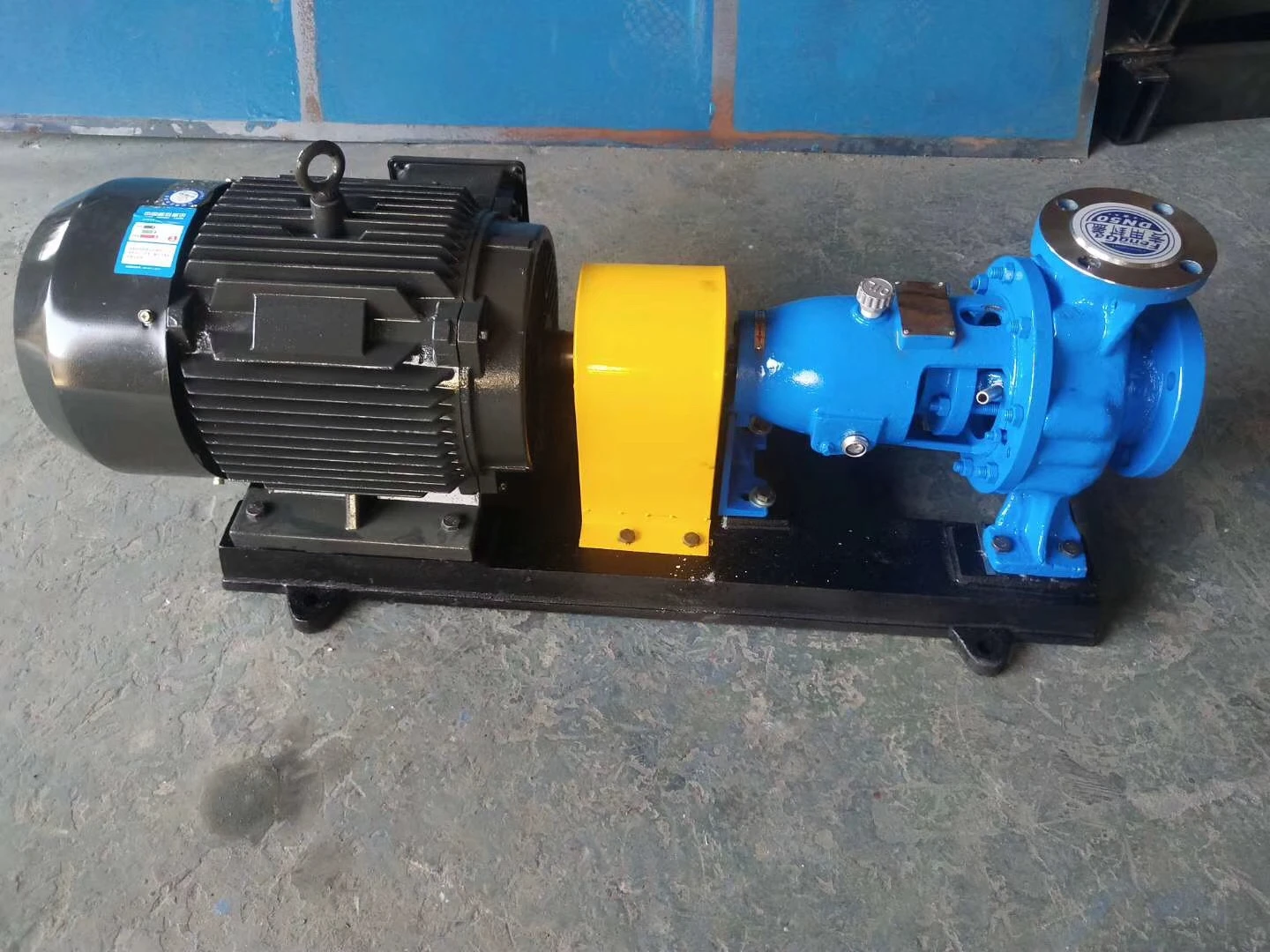
townley slurry pumps Performance and Engineering
Introduction
Townley slurry pumps are positive displacement pumps specifically engineered for the handling of abrasive and high-solids content slurries. They occupy a critical position in numerous industrial processes, functioning as a vital component in applications spanning mining, wastewater treatment, chemical processing, and dredging. Unlike centrifugal pumps, which are susceptible to performance degradation and rapid wear when handling abrasive materials, Townley pumps utilize a progressing cavity design. This design facilitates the transport of slurries with minimal shear, reducing particle breakdown and maximizing pump lifespan. Core performance characteristics center around consistent flow rate regardless of discharge pressure, high suction lift capability, and efficient handling of viscous fluids. The industrial demand stems from the increasing need for reliable and robust slurry transfer solutions in challenging environments where downtime is costly and maintenance is difficult.
Material Science & Manufacturing
The core component of a Townley slurry pump is the rotor and stator assembly. The rotor is typically manufactured from high-grade alloy steel (e.g., 4140, 8640) chosen for its tensile strength, yield strength, and resistance to torsional fatigue. Hardness is critical, often exceeding 30 HRC after heat treatment to resist wear from the abrasive slurry. The stator, which provides the sealing and pumping action, is most commonly composed of a vulcanized natural rubber compound reinforced with textile layers. Nitrile (NBR), EPDM, and Viton are also utilized as stator elastomers depending on the chemical compatibility requirements of the slurry. Manufacturing involves precision machining of the rotor helix, ensuring minimal runout and consistent cavity progression. The stator is molded under high pressure and temperature to achieve dimensional accuracy and optimal rubber crosslinking. Key parameter control during manufacturing includes rotor eccentricity (maintained within tight tolerances of +/- 0.025mm), stator compression (critical for sealing efficiency), and elastomer hardness (verified via Shore durometer testing). Welding processes, used in the pump housing construction, require adherence to AWS D1.1 standards for structural welding, specifically employing low-hydrogen processes like GMAW-S or SMAW-E7018 to prevent weld-induced cracking. Post-weld heat treatment is frequently implemented to relieve residual stresses.
Performance & Engineering
Performance of Townley slurry pumps is fundamentally governed by the principles of positive displacement. The volumetric flow rate is directly proportional to the rotor speed and the pump’s internal geometry. Force analysis focuses on torsional stress within the rotor shaft, dictated by the slurry viscosity, flow rate, and discharge pressure. Pump housing design must accommodate the maximum allowable operating pressure (MAOP) with a substantial safety factor (typically 4:1). Environmental resistance is a key engineering consideration. In corrosive environments, pump housings are often constructed from ductile iron with epoxy or polyurethane coatings, providing a barrier against chemical attack. Stator materials are selected based on the slurry’s pH, temperature, and chemical composition. Compliance requirements vary geographically but typically include adherence to API 674 (Reciprocating and Rotary Positive Displacement Pumps) and relevant OSHA safety standards. Hydraulic Institute standards also provide guidance on pump performance testing and reporting. The pump’s ability to handle solids is quantified by the maximum solids size and solids concentration it can process without plugging. Cavitation is less of a concern in progressing cavity pumps compared to centrifugal pumps, but can occur at the suction side under extreme low-pressure conditions, necessitating proper NPSH (Net Positive Suction Head) calculations.
Technical Specifications
| Parameter | Unit | Typical Value (Small Pump) | Typical Value (Large Pump) |
|---|---|---|---|
| Maximum Flow Rate | GPM | 50 | 500 |
| Maximum Discharge Pressure | PSI | 150 | 300 |
| Maximum Solids Size | Inches | 0.5 | 2 |
| Maximum Solids Concentration (Weight %) | % | 30 | 60 |
| Rotor Speed | RPM | 100 | 300 |
| Stator Material | - | NBR | EPDM |
Failure Mode & Maintenance
Common failure modes in Townley slurry pumps include stator wear (leading to reduced pumping efficiency and increased slippage), rotor breakage (due to torsional fatigue or impact from hard solids), and bearing failure (caused by inadequate lubrication or excessive loading). Stator wear is often manifested as increased flow, reduced differential pressure, and visible cracks or erosion on the stator’s internal surface. Rotor breakage typically results in a complete loss of pumping action and can cause catastrophic damage to the pump. Fatigue cracking is a prevalent failure mode in the rotor, initiated by stress concentrations at helical grooves or shaft shoulders. Delamination of the stator elastomer can occur due to improper installation or exposure to incompatible chemicals. Oxidation of the stator material can lead to hardening and cracking, particularly at elevated temperatures. Maintenance solutions include regular stator inspection and replacement (based on wear patterns), proper lubrication of bearings (using manufacturer-recommended greases), and periodic rotor inspection for cracks or signs of fatigue. Preventive maintenance schedules should also incorporate strainer cleaning to remove large solids before they enter the pump. Proper alignment of the pump and motor is critical to minimize bearing loads and prevent premature failure. When replacing stators, ensure the new stator is properly compressed according to the manufacturer's specifications to achieve optimal sealing.
Industry FAQ
Q: What are the key differences between a Townley pump and a centrifugal pump when handling abrasive slurries?
A: Centrifugal pumps rely on impeller rotation to generate velocity and pressure, making them susceptible to erosion and wear from abrasive particles. As the impeller wears, pump efficiency decreases significantly. Townley pumps, being positive displacement, maintain consistent flow rate regardless of wear, offering far superior performance and lifespan in abrasive slurry applications. They also excel in high-solids content applications where centrifugal pumps struggle.
Q: How do I select the appropriate stator material for a specific slurry?
A: Stator material selection is critical. NBR is suitable for water-based slurries with moderate temperatures. EPDM offers improved resistance to chemicals and higher temperatures. Viton provides superior chemical resistance, particularly to hydrocarbons and strong acids. Always consult a chemical compatibility chart and consider the slurry’s pH, temperature, and specific chemical constituents.
Q: What are the common causes of reduced pump performance after stator replacement?
A: Improper stator compression is a frequent issue. The stator must be tightly compressed around the rotor to create a proper seal. Insufficient compression leads to slippage and reduced efficiency. Incorrect rotor installation or damage to the rotor surface can also cause performance issues. Verify proper alignment and ensure the stator is fully seated.
Q: What preventative maintenance practices are most crucial for extending the life of a Townley pump?
A: Regular strainer cleaning to remove large solids is paramount. Proper lubrication of bearings and periodic inspection of the rotor and stator for wear are also critical. Maintaining accurate operating logs to track pump performance and identify trends can facilitate proactive maintenance.
Q: How does the viscosity of the slurry affect pump performance and what adjustments should be made?
A: Increasing slurry viscosity increases the torque required to drive the pump and can reduce flow rate. In some cases, a larger pump or a higher rotor speed may be necessary to maintain the desired flow. Monitor pump motor current and adjust operating parameters accordingly. Also, ensure the pump housing is adequately sized to handle the increased pressure drop.
Conclusion
Townley slurry pumps represent a sophisticated solution for handling abrasive and high-solids slurries, offering significant advantages over traditional centrifugal pumps in demanding industrial environments. Their positive displacement design, coupled with careful material selection and precise manufacturing, ensures reliable performance, extended service life, and minimized downtime. Understanding the fundamental principles of operation, potential failure modes, and proper maintenance procedures is crucial for maximizing the return on investment and ensuring optimal process efficiency.
Future advancements in Townley pump technology are likely to focus on improved stator materials with enhanced abrasion resistance and chemical compatibility, optimized rotor designs to reduce torsional stress, and the integration of smart sensors for predictive maintenance. These developments will further solidify the position of Townley pumps as a leading solution for challenging slurry handling applications.
-
Precision at the Pump: How Better Machining Protects Flow and Uptime
News2026-11-20
-
Why Pump Reliability Begins Before the First Drop of Fluid
News2026-11-20
-
Beyond the Pump: Designing Safer Access Around Critical Water Infrastructure
News2026-11-20
-
Why Pumping Stations Depend on the Infrastructure Beneath the Pumps
News2026-11-20
-
Beyond the Pump Room: How Smarter Loading Protects Industrial Equipment
News2026-11-19
-
When Pumps Stop: Designing More Resilient Power for Critical Pumping Systems
News2026-11-19
-
The Hidden Role of Dust and Gas Monitoring in Reliable Pump Operations
News2026-11-19
-
The Hidden Role of Mineral Compounds in Extending Industrial Pump Lifespan
News2026-10-12
-
Why Pump System Reliability Depends on Precision Hose Assembly Methods
News2026-09-15
-
How Advanced Imaging Films Are Transforming Pump Component Quality Control
News2026-08-25
-
How Advanced Filtration Protects Pump Systems from Premature Wear and Costly Downtime
News2026-08-25
-
How Steel Material Selection Drives Pump Reliability in Heavy-Duty Systems
News2026-08-25
-
Ensuring Pump System Efficiency: The Role of High-Quality Pipe Fittings and Tubing
News2026-08-24
-
Optimizing Fluid Dynamics and Material Consistency in Industrial Processing
News2026-08-18
-
Innovations and Challenges in Hydraulic Systems for Heavy Machinery
News2026-08-13




