English
- Afrikaans
- Albanian
- Amharic
- Arabic
- Armenian
- Azerbaijani
- Basque
- Belarusian
- Bengali
- Bosnian
- Bulgarian
- Catalan
- Cebuano
- Corsican
- Croatian
- Czech
- Danish
- Dutch
- English
- Esperanto
- Estonian
- Finnish
- French
- Frisian
- Galician
- Georgian
- German
- Greek
- Gujarati
- Haitian Creole
- hausa
- hawaiian
- Hebrew
- Hindi
- Miao
- Hungarian
- Icelandic
- igbo
- Indonesian
- irish
- Italian
- Japanese
- Javanese
- Kannada
- kazakh
- Khmer
- Rwandese
- Korean
- Kurdish
- Kyrgyz
- Lao
- Latin
- Latvian
- Lithuanian
- Luxembourgish
- Macedonian
- Malgashi
- Malay
- Malayalam
- Maltese
- Maori
- Marathi
- Mongolian
- Myanmar
- Nepali
- Norwegian
- Norwegian
- Occitan
- Pashto
- Persian
- Polish
- Portuguese
- Punjabi
- Romanian
- Russian
- Samoan
- Scottish Gaelic
- Serbian
- Sesotho
- Shona
- Sindhi
- Sinhala
- Slovak
- Slovenian
- Somali
- Spanish
- Sundanese
- Swahili
- Swedish
- Tagalog
- Tajik
- Tamil
- Tatar
- Telugu
- Thai
- Turkish
- Turkmen
- Ukrainian
- Urdu
- Uighur
- Uzbek
- Vietnamese
- Welsh
- Bantu
- Yiddish
- Yoruba
- Zulu

Telephone: +86 13120555503
Email: frank@cypump.com


Apr . 01, 2024 17:55 Back to list
thick slurry pump Performance and Engineering
Introduction
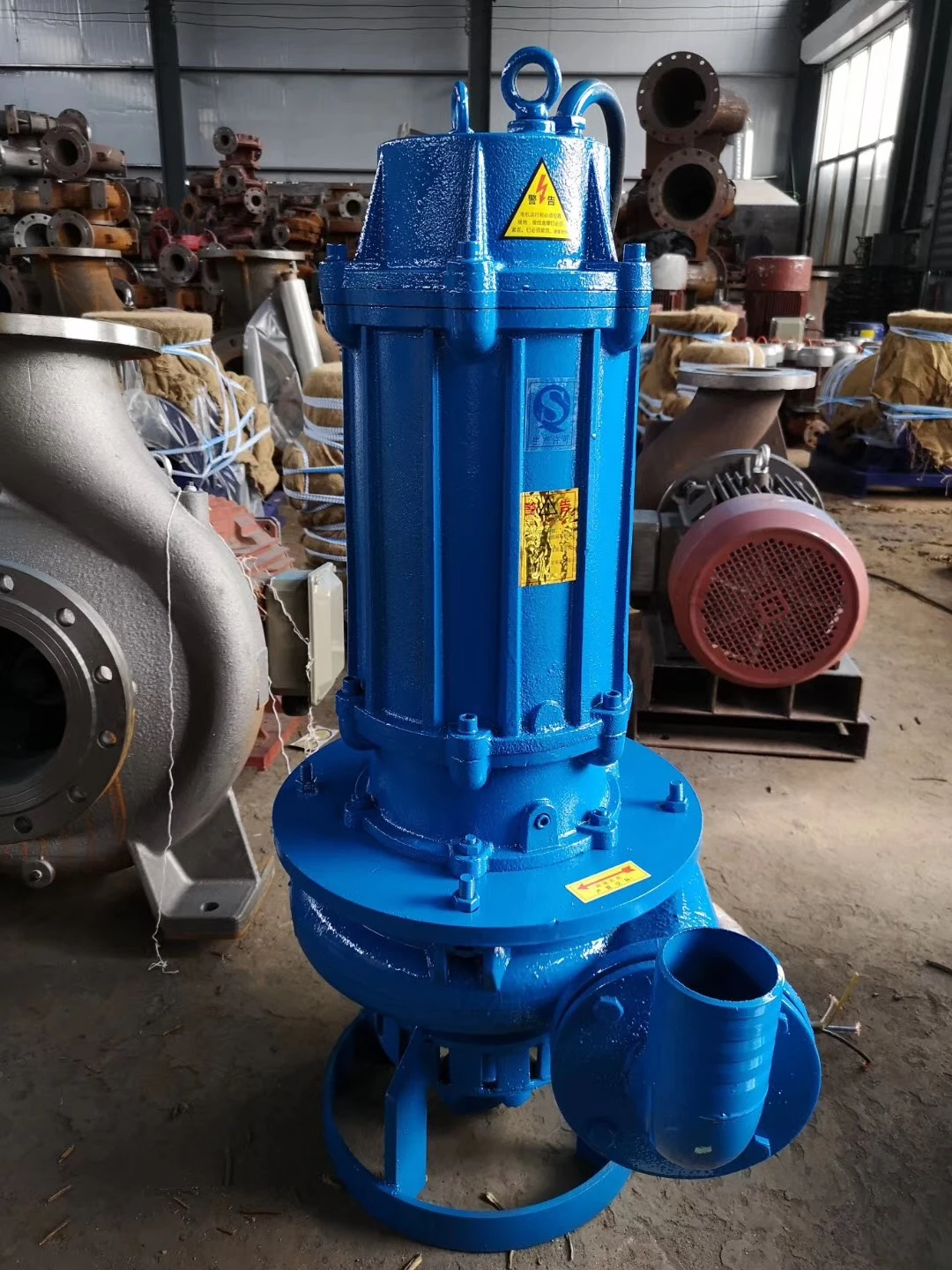
Thick slurry pumps are positive displacement pumps specifically engineered for the transport of highly concentrated abrasive and erosive slurries. Unlike centrifugal pumps which struggle with high solids content and increased viscosity, thick slurry pumps excel in applications demanding the reliable transfer of materials like tailings, mine concentrates, coal slurries, and industrial waste. Their technical position within the industry chain lies between the solids processing stages (e.g., screening, classification) and subsequent handling or refining processes. Core performance characteristics are defined by their ability to maintain consistent flow rates irrespective of slurry density, minimize pipeline plugging, and withstand the mechanical stresses induced by abrasive particles. A key differentiator is the pump's capacity to handle slurries with solids concentrations exceeding 60% by weight, a threshold beyond which centrifugal pumps typically become inefficient or cease to function. This capability addresses a critical pain point in industries like mining and mineral processing where maximizing solids transport efficiency is paramount to reducing operating costs and environmental impact.
Material Science & Manufacturing
The construction of thick slurry pumps necessitates robust materials capable of resisting abrasion, corrosion, and high stresses. Pump casings are frequently manufactured from high-chrome cast iron (typically containing 15-30% chromium) due to its exceptional wear resistance. Alternative materials include hardened steel alloys, nickel-hard cast iron, and, for highly corrosive environments, stainless steel (specifically duplex stainless steels like 2205). Impellers are often similarly constructed, with the addition of elastomer coatings (e.g., polyurethane, natural rubber) to further enhance abrasion resistance and reduce noise. Rotor materials vary based on slurry characteristics, but typically involve hardened alloys or specialized polymers. The manufacturing process often involves sand casting for the casing and impeller, followed by heat treatment to optimize material hardness and toughness. Critical parameters controlled during casting include grain size refinement, chemical composition homogeneity, and cooling rate. Rotor manufacturing frequently utilizes CNC machining for precision and dimensional accuracy. Sealing components, a frequent failure point, require meticulous manufacturing tolerances and are typically made from materials like tungsten carbide or silicon carbide. The selection of elastomers involves precise control of polymerization processes and curing conditions to achieve desired hardness, tensile strength, and chemical resistance.
Performance & Engineering
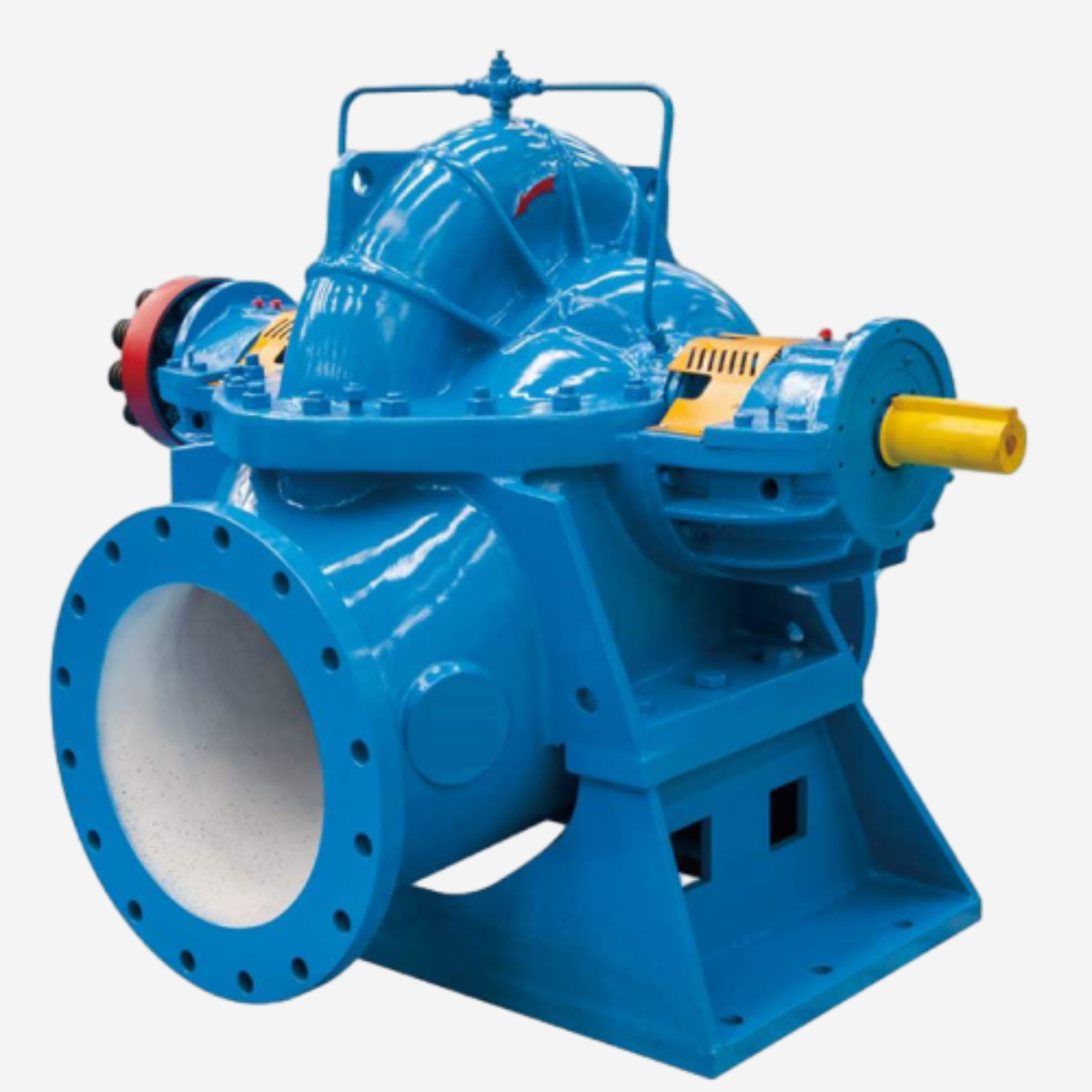
Performance of thick slurry pumps is heavily influenced by the slurry's rheological properties—specifically its viscosity, yield stress, and particle size distribution. Force analysis must account for the increased hydrodynamic drag caused by high solids concentrations and the impact forces exerted by abrasive particles on pump components. Environmental resistance is critical, particularly in outdoor applications where pumps are exposed to temperature fluctuations, rain, and dust. Pump design incorporates features like double mechanical seals and flushing systems to prevent abrasive ingress and maintain seal integrity. Compliance requirements often mandate adherence to ATEX directives for hazardous environments and stringent noise emission standards. Functional implementation relies on positive displacement principles – typically progressing cavity (screw pump) or peristaltic designs. Progressing cavity pumps utilize a single helical rotor that rotates eccentrically within a fixed stator, creating sealed cavities that move the slurry. Peristaltic pumps employ rollers to compress a flexible tube, pushing the slurry through. The choice between these designs depends on slurry abrasiveness, viscosity, and required flow rate. Hydraulic Institute standards (HI) provide guidelines for pump performance testing and data reporting, ensuring accurate and comparable results.
Technical Specifications
| Maximum Solids Concentration (Weight %) | Maximum Particle Size (mm) | Flow Rate Range (m³/hr) | Discharge Pressure Range (bar) |
|---|---|---|---|
| 80 | 75 | 0-200 | 0-40 |
| 70 | 50 | 50-300 | 10-60 |
| 60 | 25 | 150-450 | 20-80 |
| 50 | 10 | 300-600 | 30-100 |
| 40 | 6 | 500-800 | 40-120 |
| 30 | 3 | 700-1000 | 50-150 |
Failure Mode & Maintenance
Failure modes in thick slurry pumps are predominantly related to abrasive wear and corrosion. Fatigue cracking can occur in the casing and impeller due to cyclic loading and stress concentrations. Delamination of elastomer coatings is common when the coating is improperly bonded or subjected to excessive shear stress. Degradation of seals results in leakage and reduced pump efficiency. Oxidation of metallic components in corrosive slurries leads to material loss and eventual failure. Preventive maintenance is crucial and includes regular inspection of wear surfaces, replacement of seals and elastomers, lubrication of bearings, and monitoring of pump performance parameters (flow rate, pressure, power consumption). Failure analysis should involve microscopic examination of worn surfaces to identify the wear mechanism (abrasion, corrosion, erosion). Non-destructive testing methods like ultrasonic testing can detect cracks and defects before they lead to catastrophic failure. Rotor-stator clearances should be periodically checked and adjusted to maintain optimal pump performance. Proper slurry conditioning (e.g., pH adjustment, addition of corrosion inhibitors) can significantly extend pump lifespan. Scheduled overhaul programs based on operating hours and slurry characteristics are essential for maximizing uptime and minimizing unplanned downtime.
Industry FAQ
Q: What are the key differences between a thick slurry pump and a centrifugal pump when handling high-solids content slurries?
A: Centrifugal pumps experience a significant drop in efficiency and head as solids concentration increases. They are prone to clogging and cannot effectively handle highly viscous slurries. Thick slurry pumps, being positive displacement, maintain consistent flow rates irrespective of slurry density. They are designed with larger flow passages and robust components to withstand abrasive wear, making them ideal for high-solids applications.
Q: How does slurry particle size affect pump selection and performance?
A: Larger particle sizes increase abrasive wear and can lead to impeller damage or clogging. Pump selection must consider the maximum particle size the pump can handle without compromising performance or lifespan. Smaller particles, while less abrasive, can contribute to increased viscosity and require pumps with higher torque capabilities.
Q: What materials are best suited for slurry pump construction in highly corrosive environments?
A: Duplex stainless steels (e.g., 2205, 2507) and high-nickel alloys offer excellent corrosion resistance. For extremely aggressive slurries, specialized coatings like rubber linings or fluoropolymer coatings can be applied to protect the pump casing and impeller.
Q: What maintenance procedures are most critical for extending the lifespan of a thick slurry pump?
A: Regular inspection and replacement of seals and elastomers are paramount. Monitoring bearing lubrication levels, checking for wear on impeller and stator components, and maintaining proper slurry conditioning are also essential. Implementing a preventive maintenance schedule based on operating hours and slurry characteristics is crucial.
Q: How do you determine the appropriate pump size for a specific slurry application?
A: Pump sizing requires careful consideration of flow rate, discharge pressure, slurry density, viscosity, particle size distribution, and pipeline characteristics. Performing a hydraulic analysis and consulting pump performance curves is essential to ensure optimal pump selection and avoid undersizing or oversizing.
Conclusion
Thick slurry pumps represent a critical technology for industries dealing with high-solids content slurries, offering reliable and efficient transport where centrifugal pumps falter. Their robust construction, specialized materials, and positive displacement principles allow them to overcome the challenges posed by abrasive particles and high viscosity. Proper selection, installation, and maintenance are essential to maximizing pump lifespan and minimizing operational costs.
Future advancements will likely focus on developing more wear-resistant materials, optimizing pump designs for improved hydraulic efficiency, and integrating advanced monitoring systems for predictive maintenance. The ongoing demand for efficient solids handling in industries like mining, mineral processing, and wastewater treatment will continue to drive innovation in thick slurry pump technology.
-
Precision at the Pump: How Better Machining Protects Flow and Uptime
News2026-11-20
-
Why Pump Reliability Begins Before the First Drop of Fluid
News2026-11-20
-
Beyond the Pump: Designing Safer Access Around Critical Water Infrastructure
News2026-11-20
-
Why Pumping Stations Depend on the Infrastructure Beneath the Pumps
News2026-11-20
-
Beyond the Pump Room: How Smarter Loading Protects Industrial Equipment
News2026-11-19
-
When Pumps Stop: Designing More Resilient Power for Critical Pumping Systems
News2026-11-19
-
The Hidden Role of Dust and Gas Monitoring in Reliable Pump Operations
News2026-11-19
-
The Hidden Role of Mineral Compounds in Extending Industrial Pump Lifespan
News2026-10-12
-
Why Pump System Reliability Depends on Precision Hose Assembly Methods
News2026-09-15
-
How Advanced Imaging Films Are Transforming Pump Component Quality Control
News2026-08-25
-
How Advanced Filtration Protects Pump Systems from Premature Wear and Costly Downtime
News2026-08-25
-
How Steel Material Selection Drives Pump Reliability in Heavy-Duty Systems
News2026-08-25
-
Ensuring Pump System Efficiency: The Role of High-Quality Pipe Fittings and Tubing
News2026-08-24
-
Optimizing Fluid Dynamics and Material Consistency in Industrial Processing
News2026-08-18
-
Innovations and Challenges in Hydraulic Systems for Heavy Machinery
News2026-08-13




