English
- Afrikaans
- Albanian
- Amharic
- Arabic
- Armenian
- Azerbaijani
- Basque
- Belarusian
- Bengali
- Bosnian
- Bulgarian
- Catalan
- Cebuano
- Corsican
- Croatian
- Czech
- Danish
- Dutch
- English
- Esperanto
- Estonian
- Finnish
- French
- Frisian
- Galician
- Georgian
- German
- Greek
- Gujarati
- Haitian Creole
- hausa
- hawaiian
- Hebrew
- Hindi
- Miao
- Hungarian
- Icelandic
- igbo
- Indonesian
- irish
- Italian
- Japanese
- Javanese
- Kannada
- kazakh
- Khmer
- Rwandese
- Korean
- Kurdish
- Kyrgyz
- Lao
- Latin
- Latvian
- Lithuanian
- Luxembourgish
- Macedonian
- Malgashi
- Malay
- Malayalam
- Maltese
- Maori
- Marathi
- Mongolian
- Myanmar
- Nepali
- Norwegian
- Norwegian
- Occitan
- Pashto
- Persian
- Polish
- Portuguese
- Punjabi
- Romanian
- Russian
- Samoan
- Scottish Gaelic
- Serbian
- Sesotho
- Shona
- Sindhi
- Sinhala
- Slovak
- Slovenian
- Somali
- Spanish
- Sundanese
- Swahili
- Swedish
- Tagalog
- Tajik
- Tamil
- Tatar
- Telugu
- Thai
- Turkish
- Turkmen
- Ukrainian
- Urdu
- Uighur
- Uzbek
- Vietnamese
- Welsh
- Bantu
- Yiddish
- Yoruba
- Zulu

Telephone: +86 13120555503
Email: frank@cypump.com


Apr . 01, 2024 17:55 Back to list
supply nonleakage chemical centrifugal pump Performance Analysis

Introduction
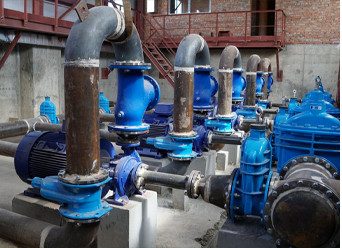
Non-leakage chemical centrifugal pumps are critical components in numerous industrial processes involving corrosive or hazardous fluids. Positioned as a core element within chemical processing, pharmaceutical manufacturing, water and wastewater treatment, and other demanding applications, these pumps are designed to reliably transfer fluids while maintaining environmental integrity and worker safety. Unlike standard centrifugal pumps, non-leakage designs prioritize the elimination of fluid escape via specialized sealing technologies. This guide provides an in-depth technical overview of these pumps, covering material science, manufacturing techniques, performance characteristics, failure modes, and relevant industry standards. The primary performance indicators for these pumps include flow rate (m³/hr), head (meters), Net Positive Suction Head Required (NPSHr), and the capacity to handle specific fluid corrosivity, temperature, and solids content. A key industry pain point centers around the cost and downtime associated with seal failures and environmental contamination, driving the demand for increasingly robust and reliable non-leakage solutions.
Material Science & Manufacturing
The construction of a non-leakage chemical centrifugal pump necessitates careful material selection to ensure compatibility with the conveyed fluid and resistance to corrosion, erosion, and mechanical stress. Pump casings are commonly fabricated from stainless steels (316, 316L, 904L) due to their superior corrosion resistance in a wide range of chemical environments. For highly aggressive fluids, more exotic materials like Alloy 20, Hastelloy C-276, or even titanium alloys are employed. Impellers, crucial for fluid momentum transfer, often utilize similar alloys, and may also incorporate specialized coatings (e.g., PTFE, PFA) for enhanced chemical resistance and reduced friction. The mechanical seal, the heart of the non-leakage system, typically consists of a seal face material (silicon carbide, tungsten carbide, ceramic) paired with an elastomer (PTFE, EPDM, Viton) for secondary sealing. Manufacturing processes are stringent. Casting precision is paramount for the casing, followed by meticulous machining to ensure dimensional accuracy and smooth fluid flow paths. Impeller fabrication often involves investment casting or forging, followed by balancing to minimize vibration. Mechanical seals are assembled in cleanroom environments to prevent contamination. Key parameter control during manufacturing includes weld integrity verification (radiographic testing, liquid penetrant inspection), surface finish analysis (Ra values), and dimensional inspection using coordinate measuring machines (CMMs). The choice of elastomer is critical, considering its chemical compatibility with the fluid, temperature range, and pressure rating.
Performance & Engineering
Performance analysis of non-leakage chemical centrifugal pumps requires a comprehensive understanding of fluid dynamics and mechanical engineering principles. Force analysis centers on the hydraulic forces exerted by the fluid on the impeller and casing, as well as the mechanical stresses induced by pressure and rotation. Cavitation, a common issue in centrifugal pumps, is mitigated through proper NPSH calculations and impeller design. The pump's head-capacity curve, a graphical representation of the pump's performance, is crucial for selecting the appropriate pump for a given application. Environmental resistance is addressed through material selection and protective coatings. The pump must withstand the corrosive effects of the fluid, as well as ambient temperature fluctuations and potential exposure to UV radiation. Compliance requirements are dictated by industry standards and regulations, such as those related to emissions, safety, and environmental protection. Specifically, designs must comply with ATEX directives for use in potentially explosive atmospheres. Functional implementation involves careful consideration of the pump's integration into the overall process system, including piping configurations, suction and discharge pressures, and control systems. Bearing lubrication and monitoring are essential for extending pump life and preventing failures. Advanced designs incorporate magnetic drive systems to eliminate the need for mechanical seals altogether, achieving true zero leakage.
Technical Specifications
| Parameter | Unit | Typical Value (Range) | Notes |
|---|---|---|---|
| Flow Rate | m³/hr | 5 - 500 | Dependent on impeller size and pump speed. |
| Head | m | 10 - 150 | Determined by impeller design and rotational speed. |
| NPSHr | m | 1 - 10 | Critical for preventing cavitation. |
| Maximum Operating Pressure | bar | 1 - 40 | Based on casing material and design. |
| Temperature Range | °C | -40 to 200 | Limited by seal material compatibility. |
| Seal Type | - | Mechanical Seal (Single/Double), Magnetic Drive | Selection based on fluid characteristics and leakage requirements. |
Failure Mode & Maintenance
Failure analysis of non-leakage chemical centrifugal pumps reveals several common modes. Seal failures are the most frequent, often caused by abrasion, chemical attack, or thermal cycling. Abrasion occurs when abrasive particles in the fluid damage the seal faces. Chemical attack degrades the seal materials, leading to leakage. Thermal cycling induces stress and distortion in the seal components. Fatigue cracking in the pump casing or impeller can occur due to repeated stress cycles. Delamination of coatings (e.g., PTFE) can expose the underlying material to corrosion. Oxidation of metallic components can lead to corrosion and reduced mechanical strength. Maintenance solutions include regular seal inspections and replacements, proper lubrication of bearings, and periodic cleaning of the pump internals. Preventative maintenance programs should incorporate vibration analysis to detect early signs of bearing or impeller imbalance. For double mechanical seal arrangements, barrier fluid pressure and composition must be monitored. Root cause analysis should be performed on all failures to identify and address underlying issues. Regular monitoring of pump performance parameters (flow rate, pressure, power consumption) can provide early warning of potential problems. Consider utilizing a Condition Monitoring System (CMS) for proactive maintenance.
Industry FAQ
Q: What are the primary advantages of a double mechanical seal compared to a single mechanical seal in a corrosive application?
A: A double mechanical seal provides a redundant barrier against leakage. If the primary seal fails, the secondary seal maintains containment, preventing release to the environment. Furthermore, a barrier fluid system between the seals allows for cooling and lubrication, extending seal life and enhancing reliability in harsh conditions. Single seals, while cost-effective, offer less protection against catastrophic failures.
Q: How does the choice of elastomer affect the performance of a non-leakage pump handling concentrated sulfuric acid?
A: Sulfuric acid is highly corrosive, and elastomer selection is critical. Viton (fluoroelastomer) offers good resistance at moderate temperatures, but PTFE (polytetrafluoroethylene) or FFKM (perfluoroelastomer) are often preferred for high concentrations and elevated temperatures. Incorrect elastomer selection will result in rapid degradation and seal failure.
Q: What is the role of NPSH in preventing pump damage when handling fluids with a high vapor pressure?
A: NPSH (Net Positive Suction Head) is the absolute pressure at the pump suction, above the fluid's vapor pressure. Insufficient NPSH can lead to cavitation, where vapor bubbles form and collapse, causing erosion of the impeller and casing. Fluids with high vapor pressure require a higher NPSH to prevent cavitation damage.
Q: Are magnetic drive pumps truly "seal-less," and what are their limitations?
A: Magnetic drive pumps eliminate the need for traditional mechanical seals by utilizing magnetic coupling to transmit torque to the impeller. While technically “seal-less” where the seal would traditionally be, static o-rings are still present. Their limitations include lower torque capacity compared to mechanically sealed pumps and potential issues with heat generation in the magnetic coupling.
Q: How can I verify the correct installation of a mechanical seal to ensure optimal performance and prevent premature failure?
A: Proper installation is critical. Ensure the seal faces are clean and free from scratches. Use the correct installation tools and follow the manufacturer’s instructions precisely. Verify that the seal is seated squarely and that the spring is properly compressed. Avoid over-tightening the gland plate, as this can damage the seal faces.
Conclusion
Non-leakage chemical centrifugal pumps are engineered solutions addressing critical safety and environmental concerns within demanding industrial applications. The success of these pumps relies heavily on careful material selection, precise manufacturing, and diligent maintenance. The continued drive for enhanced reliability, reduced emissions, and improved operational efficiency will fuel advancements in seal technology, pump design, and condition monitoring systems.
Future developments will likely focus on further refinements to magnetic drive technology, the development of more chemically resistant seal materials, and the integration of predictive maintenance algorithms to optimize pump performance and minimize downtime. The increasing emphasis on sustainability and environmental responsibility will continue to drive the demand for zero-leakage pumping solutions.
-
Precision at the Pump: How Better Machining Protects Flow and Uptime
News2026-11-20
-
Why Pump Reliability Begins Before the First Drop of Fluid
News2026-11-20
-
Beyond the Pump: Designing Safer Access Around Critical Water Infrastructure
News2026-11-20
-
Why Pumping Stations Depend on the Infrastructure Beneath the Pumps
News2026-11-20
-
Beyond the Pump Room: How Smarter Loading Protects Industrial Equipment
News2026-11-19
-
When Pumps Stop: Designing More Resilient Power for Critical Pumping Systems
News2026-11-19
-
The Hidden Role of Dust and Gas Monitoring in Reliable Pump Operations
News2026-11-19
-
The Hidden Role of Mineral Compounds in Extending Industrial Pump Lifespan
News2026-10-12
-
Why Pump System Reliability Depends on Precision Hose Assembly Methods
News2026-09-15
-
How Advanced Imaging Films Are Transforming Pump Component Quality Control
News2026-08-25
-
How Advanced Filtration Protects Pump Systems from Premature Wear and Costly Downtime
News2026-08-25
-
How Steel Material Selection Drives Pump Reliability in Heavy-Duty Systems
News2026-08-25
-
Ensuring Pump System Efficiency: The Role of High-Quality Pipe Fittings and Tubing
News2026-08-24
-
Optimizing Fluid Dynamics and Material Consistency in Industrial Processing
News2026-08-18
-
Innovations and Challenges in Hydraulic Systems for Heavy Machinery
News2026-08-13




