English
- Afrikaans
- Albanian
- Amharic
- Arabic
- Armenian
- Azerbaijani
- Basque
- Belarusian
- Bengali
- Bosnian
- Bulgarian
- Catalan
- Cebuano
- Corsican
- Croatian
- Czech
- Danish
- Dutch
- English
- Esperanto
- Estonian
- Finnish
- French
- Frisian
- Galician
- Georgian
- German
- Greek
- Gujarati
- Haitian Creole
- hausa
- hawaiian
- Hebrew
- Hindi
- Miao
- Hungarian
- Icelandic
- igbo
- Indonesian
- irish
- Italian
- Japanese
- Javanese
- Kannada
- kazakh
- Khmer
- Rwandese
- Korean
- Kurdish
- Kyrgyz
- Lao
- Latin
- Latvian
- Lithuanian
- Luxembourgish
- Macedonian
- Malgashi
- Malay
- Malayalam
- Maltese
- Maori
- Marathi
- Mongolian
- Myanmar
- Nepali
- Norwegian
- Norwegian
- Occitan
- Pashto
- Persian
- Polish
- Portuguese
- Punjabi
- Romanian
- Russian
- Samoan
- Scottish Gaelic
- Serbian
- Sesotho
- Shona
- Sindhi
- Sinhala
- Slovak
- Slovenian
- Somali
- Spanish
- Sundanese
- Swahili
- Swedish
- Tagalog
- Tajik
- Tamil
- Tatar
- Telugu
- Thai
- Turkish
- Turkmen
- Ukrainian
- Urdu
- Uighur
- Uzbek
- Vietnamese
- Welsh
- Bantu
- Yiddish
- Yoruba
- Zulu

Telephone: +86 13120555503
Email: frank@cypump.com


Apr . 01, 2024 17:55 Back to list
sump slurry pump Performance Engineering
Introduction
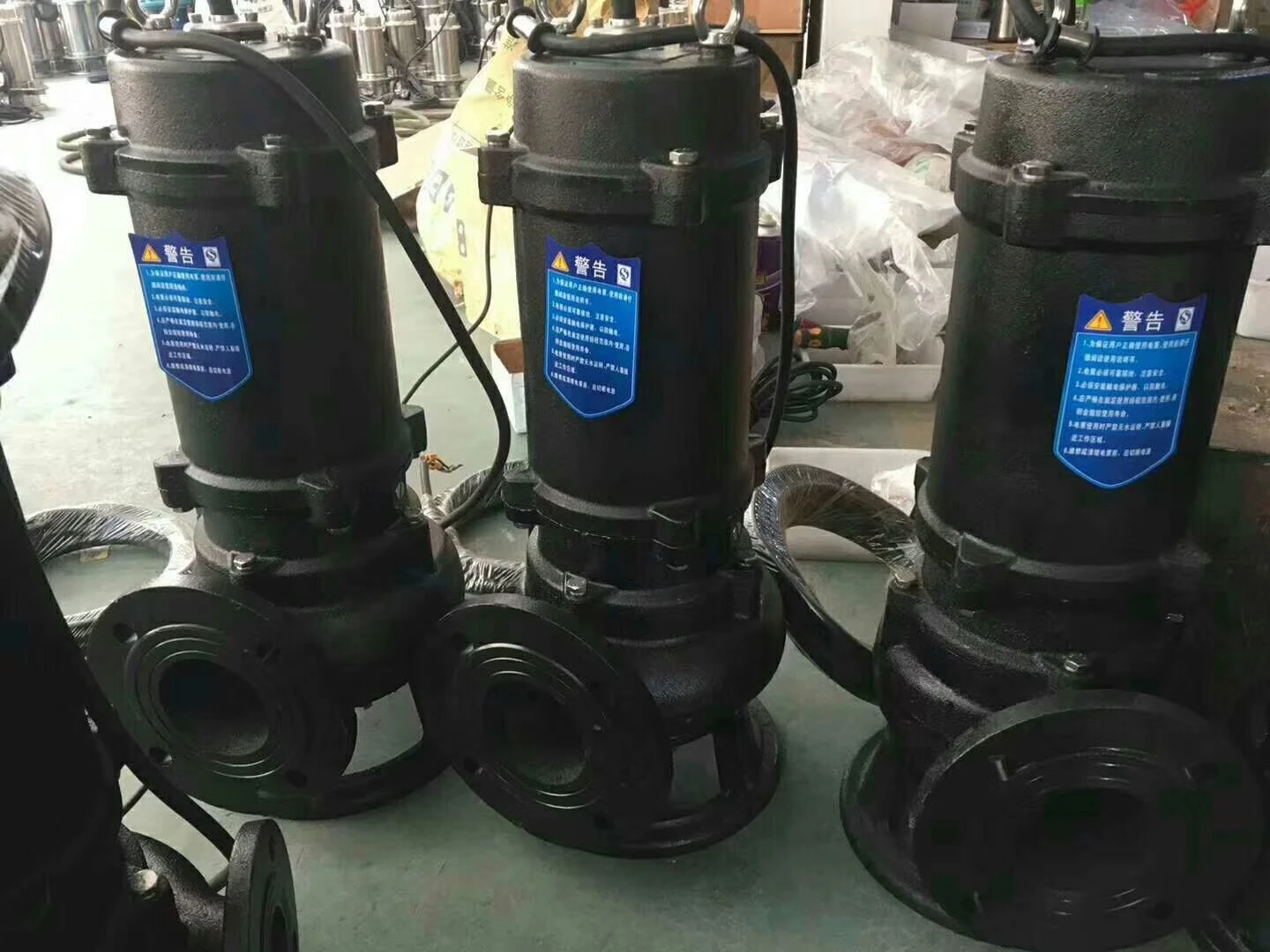
Sump slurry pumps are positive displacement pumps specifically engineered for the challenging task of transferring abrasive and highly concentrated slurries. Positioned within the industrial fluid handling chain, these pumps serve as critical components in sectors including mining, wastewater treatment, chemical processing, and construction. Unlike centrifugal pumps which struggle with high solids content and abrasive particles, sump slurry pumps are designed to handle these conditions with sustained efficiency and minimal wear. Core performance characteristics center around flow rate, head pressure, solids handling capability, and abrasion resistance. The primary pain point addressed by these pumps is preventing clogging, maintaining consistent flow, and minimizing downtime associated with component failure due to abrasive wear. They differentiate themselves through robust construction, specialized impeller designs, and materials selection focused on extending service life in demanding environments. Proper selection and application are critical to optimize performance and minimize total cost of ownership.
Material Science & Manufacturing
The construction of a sump slurry pump necessitates materials capable of withstanding constant abrasion, chemical attack, and mechanical stress. Common materials for pump casings include high-chrome cast iron (typically 27-30% chromium) due to its exceptional hardness and resistance to wear. Alternative materials like stainless steel (304, 316, and duplex grades) are employed when handling corrosive fluids or requiring increased hygiene. Impellers are frequently manufactured from high-chrome iron, hardened steel alloys, or rubber lined steel depending on the slurry composition and particle size distribution. Elastomeric linings (natural rubber, butyl rubber, EPDM) provide cushioning and reduce wear in applications handling particularly abrasive slurries. Shafts are typically forged from high-strength alloy steels, heat-treated to enhance tensile strength and fatigue resistance. Manufacturing processes involve several critical stages. Casting is used for the housing and impeller, followed by machining to precise tolerances. Welding is used to join components and apply protective linings. Rubber lining is typically achieved through a vulcanization process ensuring a strong, bonded layer. Key parameter control during manufacturing includes meticulous heat treatment schedules to achieve desired material hardness, dimensional accuracy to maintain impeller-casing clearances, and weld quality inspections to prevent structural failures. The hardness of the chrome iron is typically measured using Rockwell C hardness testing (HRC 60-68). Proper surface finish on the impeller is also vital – a slightly rough surface promotes slurry flow and minimizes localized wear.
Performance & Engineering
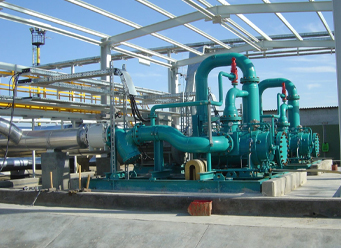
Performance of a sump slurry pump is dictated by a complex interplay of hydraulic forces, mechanical stresses, and slurry characteristics. Force analysis focuses on quantifying the radial and axial loads exerted on the impeller and shaft due to fluid pressure and solids impact. Cavitation, a significant concern, occurs when pressure drops below the vapor pressure of the liquid, forming bubbles that implode and cause erosion. Pump design incorporates features like optimized impeller geometry and adequate suction lift to mitigate cavitation risk. Environmental resistance is critical, particularly in outdoor applications. Pump casings are designed to withstand temperature extremes, UV radiation, and precipitation. Seal design is paramount to prevent leakage and ingress of contaminants. Mechanical seals (single or double) are commonly used, with materials selected based on fluid compatibility. Compliance requirements vary depending on the application. For instance, pumps used in potable water systems must meet NSF/ANSI 61 standards. Wastewater treatment plants must adhere to EPA guidelines. Explosion-proof motors are required in hazardous environments (ATEX, IECEx certifications). Functional implementation relies on proper pump sizing, piping configuration, and control systems. Variable Frequency Drives (VFDs) allow for precise flow control and energy optimization. Regular monitoring of pump parameters (pressure, flow rate, vibration) is essential for predictive maintenance and preventing catastrophic failures. Proper strainer selection upstream of the pump is critical to remove oversized solids and protect the impeller.
Technical Specifications
| Parameter | Unit | Typical Range | Material Options |
|---|---|---|---|
| Flow Rate | GPM (US) | 50 - 500 | Cast Iron, Stainless Steel |
| Head (Total Dynamic) | ft | 20 - 150 | Cast Iron, Stainless Steel |
| Solids Handling | inches | Up to 3 | High-Chrome Iron, Rubber Lined Steel |
| Pump Speed | RPM | 300 - 1800 | Variable Frequency Drive Compatible |
| Casing Pressure Rating | PSI | 150 - 300 | Cast Iron, Stainless Steel |
| Temperature Range | °F | -20 to 250 | Material Dependent |
Failure Mode & Maintenance
Sump slurry pumps are susceptible to several failure modes. Fatigue cracking in the impeller, particularly near the vanes, is common due to cyclical stresses induced by slurry impact. Delamination of rubber linings can occur if the bonding agent fails or the slurry contains chemicals incompatible with the rubber compound. Abrasion wear on the impeller and casing progressively reduces pump efficiency and capacity. Oxidation and corrosion can weaken the pump's structural integrity, especially in harsh chemical environments. Seal failure leads to leakage and potential motor damage. Bearing failure, often caused by improper lubrication or excessive loading, results in increased vibration and noise. Preventive maintenance is critical. Regular inspection of the impeller and casing for wear is essential, along with monitoring bearing temperatures and vibration levels. Lubrication schedules must be strictly adhered to, using appropriate greases or oils. Seal replacement should be performed proactively, before complete failure occurs. Rubber linings should be inspected for delamination and repaired or replaced as needed. Impeller replacement is inevitable in abrasive applications, with the frequency depending on slurry characteristics and operating conditions. Non-destructive testing methods like ultrasonic thickness testing can assess casing wall thickness and detect corrosion. Proper pump alignment is crucial to minimize bearing wear and vibration.
Industry FAQ
Q: What is the impact of particle size distribution on pump selection?
A: Particle size distribution significantly influences pump selection. Larger particles require pumps with wider impeller passages and higher solids handling capabilities. A high concentration of fine particles accelerates abrasive wear. The pump’s impeller design and material selection must align with the size and abrasivity of the solids present in the slurry. Failing to account for particle size can lead to frequent clogging and reduced pump life.
Q: How do I determine the appropriate pump material for a specific slurry?
A: Material selection requires a comprehensive understanding of the slurry’s chemical composition, abrasive characteristics, and temperature. Consulting material compatibility charts is a starting point. For corrosive slurries, stainless steel or specialized alloys are preferred. For highly abrasive slurries, high-chrome iron or rubber linings offer superior wear resistance. Pilot testing with small samples of the slurry can validate material suitability.
Q: What are the common causes of cavitation and how can they be prevented?
A: Cavitation is caused by a drop in pressure within the pump, typically due to insufficient Net Positive Suction Head Available (NPSHa). Other causes include high suction lift, restricted suction lines, and high fluid temperature. Prevention strategies include ensuring adequate NPSHa, minimizing suction lift, using larger diameter suction piping, and reducing fluid temperature. Proper impeller design also plays a crucial role.
Q: How often should pump seals be replaced?
A: Seal replacement frequency depends on the slurry's abrasiveness, chemical compatibility, and operating conditions. A general guideline is to replace seals annually during scheduled maintenance. However, regular monitoring of seal leakage and performance can identify potential failures early and allow for proactive replacement. Double mechanical seals offer increased reliability and extended service life.
Q: What are the benefits of using a Variable Frequency Drive (VFD) with a sump slurry pump?
A: VFDs provide precise flow control, enabling optimization of pump performance and energy consumption. They allow for soft starting and stopping, reducing stress on the pump and motor. VFDs can also prevent clogging by adjusting pump speed to match slurry flow rates. This results in reduced maintenance costs and extended pump life.
Conclusion
Sump slurry pumps represent a vital component in numerous industrial processes demanding reliable handling of abrasive and concentrated slurries. Their effectiveness hinges on a sophisticated understanding of material science, precise manufacturing controls, and careful engineering considerations. The selection process is not simply about matching flow rate and head; it demands a detailed analysis of the slurry composition, particle size, and operating environment to ensure optimal performance and longevity.
Future advancements in sump slurry pump technology are likely to focus on improved materials, enhanced impeller designs, and smart monitoring systems for predictive maintenance. Further development of wear-resistant coatings and self-cleaning impeller geometries will minimize downtime and reduce operating costs. Integration of data analytics and remote monitoring capabilities will allow for proactive identification of potential failures and optimization of pump performance in real-time. These improvements will solidify the sump slurry pump’s role as a critical enabler of efficient and reliable fluid handling in challenging industrial applications.
-
Precision at the Pump: How Better Machining Protects Flow and Uptime
News2026-11-20
-
Why Pump Reliability Begins Before the First Drop of Fluid
News2026-11-20
-
Beyond the Pump: Designing Safer Access Around Critical Water Infrastructure
News2026-11-20
-
Why Pumping Stations Depend on the Infrastructure Beneath the Pumps
News2026-11-20
-
Beyond the Pump Room: How Smarter Loading Protects Industrial Equipment
News2026-11-19
-
When Pumps Stop: Designing More Resilient Power for Critical Pumping Systems
News2026-11-19
-
The Hidden Role of Dust and Gas Monitoring in Reliable Pump Operations
News2026-11-19
-
The Hidden Role of Mineral Compounds in Extending Industrial Pump Lifespan
News2026-10-12
-
Why Pump System Reliability Depends on Precision Hose Assembly Methods
News2026-09-15
-
How Advanced Imaging Films Are Transforming Pump Component Quality Control
News2026-08-25
-
How Advanced Filtration Protects Pump Systems from Premature Wear and Costly Downtime
News2026-08-25
-
How Steel Material Selection Drives Pump Reliability in Heavy-Duty Systems
News2026-08-25
-
Ensuring Pump System Efficiency: The Role of High-Quality Pipe Fittings and Tubing
News2026-08-24
-
Optimizing Fluid Dynamics and Material Consistency in Industrial Processing
News2026-08-18
-
Innovations and Challenges in Hydraulic Systems for Heavy Machinery
News2026-08-13




