English
- Afrikaans
- Albanian
- Amharic
- Arabic
- Armenian
- Azerbaijani
- Basque
- Belarusian
- Bengali
- Bosnian
- Bulgarian
- Catalan
- Cebuano
- Corsican
- Croatian
- Czech
- Danish
- Dutch
- English
- Esperanto
- Estonian
- Finnish
- French
- Frisian
- Galician
- Georgian
- German
- Greek
- Gujarati
- Haitian Creole
- hausa
- hawaiian
- Hebrew
- Hindi
- Miao
- Hungarian
- Icelandic
- igbo
- Indonesian
- irish
- Italian
- Japanese
- Javanese
- Kannada
- kazakh
- Khmer
- Rwandese
- Korean
- Kurdish
- Kyrgyz
- Lao
- Latin
- Latvian
- Lithuanian
- Luxembourgish
- Macedonian
- Malgashi
- Malay
- Malayalam
- Maltese
- Maori
- Marathi
- Mongolian
- Myanmar
- Nepali
- Norwegian
- Norwegian
- Occitan
- Pashto
- Persian
- Polish
- Portuguese
- Punjabi
- Romanian
- Russian
- Samoan
- Scottish Gaelic
- Serbian
- Sesotho
- Shona
- Sindhi
- Sinhala
- Slovak
- Slovenian
- Somali
- Spanish
- Sundanese
- Swahili
- Swedish
- Tagalog
- Tajik
- Tamil
- Tatar
- Telugu
- Thai
- Turkish
- Turkmen
- Ukrainian
- Urdu
- Uighur
- Uzbek
- Vietnamese
- Welsh
- Bantu
- Yiddish
- Yoruba
- Zulu

Telephone: +86 13120555503
Email: frank@cypump.com


Apr . 01, 2024 17:55 Back to list
submersible slurry pumps Material Science
Introduction
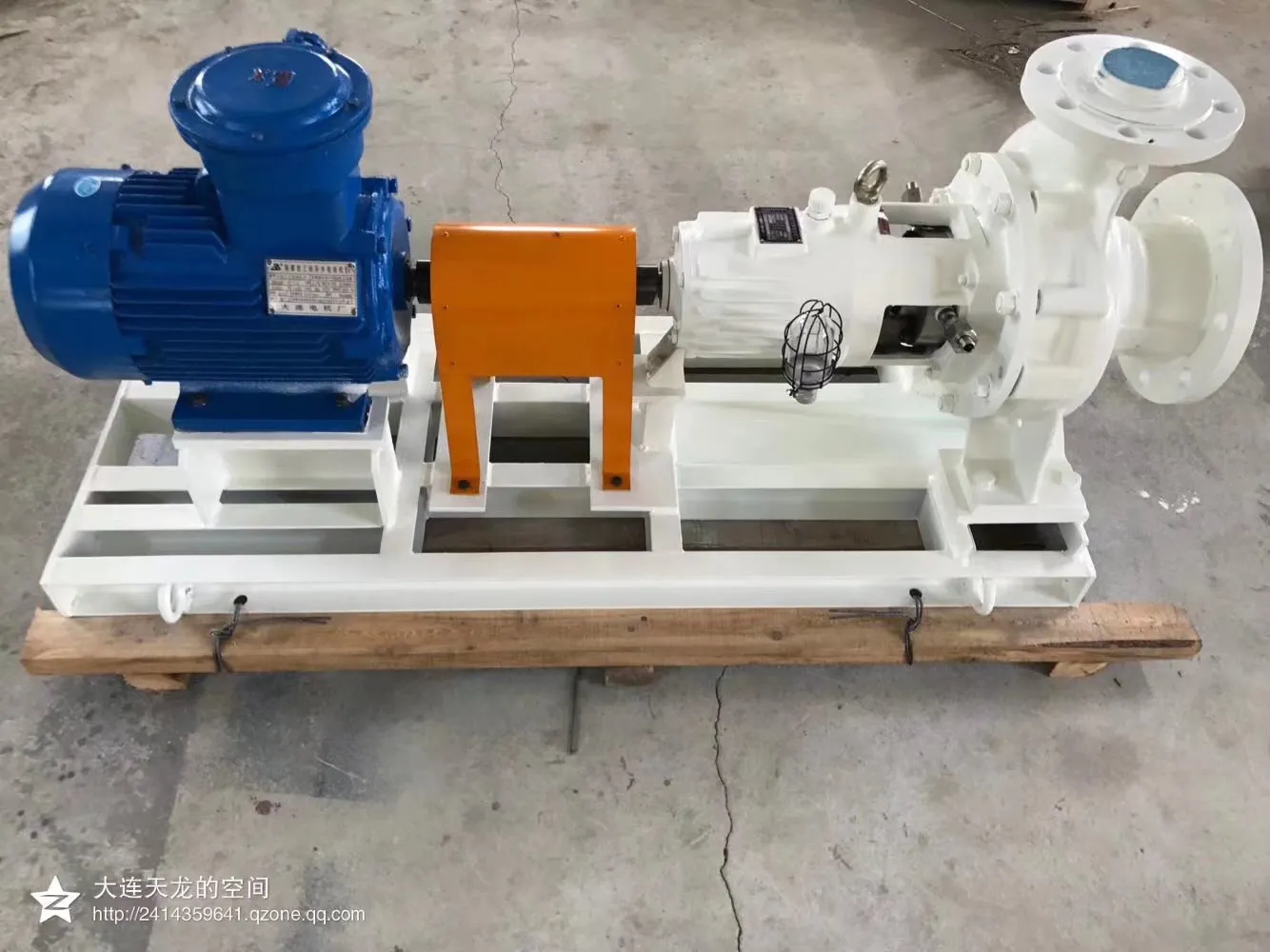
Submersible slurry pumps are centrifugal pumps specifically designed for handling abrasive, erosive, and corrosive slurries in submerged applications. They represent a critical component in numerous industrial processes including mining, wastewater treatment, dredging, chemical processing, and construction. Unlike standard centrifugal pumps, submersible slurry pumps are engineered with robust materials and hydraulic designs to withstand the extreme conditions inherent in slurry transport. Their fully submersible design eliminates the need for surface priming and reduces noise pollution. Positioned within the industry chain, these pumps follow pre-processing stages (e.g., solids separation, grinding) and feed into downstream operations like tailings management, material transfer, and effluent discharge. Core performance characteristics are defined by flow rate (m³/h), head (m), solids handling capability (mm), and power consumption (kW). A key industry pain point is balancing pump longevity with operational efficiency in highly abrasive environments, demanding continuous innovation in materials and pump design to mitigate wear and maximize uptime.
Material Science & Manufacturing
The performance and lifespan of a submersible slurry pump are intrinsically linked to the materials used in its construction and the precision of its manufacturing processes. Pump casings are commonly constructed from high-chrome cast iron (typically 27% chromium content) to provide exceptional abrasion resistance. Impellers, the rotating component responsible for imparting energy to the slurry, are often manufactured using similar high-chrome alloys, or alternatively, utilizing specialized materials such as ceramic or tungsten carbide for extreme abrasive applications. Shafts are typically forged from alloy steels (e.g., 4140, 4340) heat-treated for high tensile strength and torsional rigidity. Seals are critical, with options including mechanical seals (silicon carbide versus silicon carbide is common for abrasive slurries) and lip seals. Elastomeric components, like liners and diaphragms, necessitate the use of materials with good chemical resistance, often employing natural rubber, neoprene, or EPDM depending on the slurry’s composition.
Manufacturing processes vary based on component complexity. Casings are typically produced via sand casting, followed by rigorous quality control checks for porosity and dimensional accuracy. Impellers may be investment cast for intricate geometries. Shafts undergo forging, machining, and heat treatment. Welding processes, particularly for joining casing components, require specialized techniques like submerged arc welding (SAW) or gas tungsten arc welding (GTAW) to ensure weld integrity and minimize porosity. Key parameter control involves precise alloy composition monitoring, controlled cooling rates during heat treatment, and meticulous machining tolerances to maintain hydraulic efficiency and prevent premature wear. A crucial manufacturing step is the hydrotesting of completed pumps to ensure structural integrity under simulated operating conditions.
Performance & Engineering
The performance of a submersible slurry pump is fundamentally governed by hydraulic principles and mechanical engineering considerations. Force analysis includes evaluating radial and axial thrust loads imposed by the slurry on the impeller. Excessive thrust can lead to bearing failure and shaft deflection. Pump curves, detailing the relationship between flow rate, head, and power consumption, are crucial for selecting the appropriate pump for a specific application. Environmental resistance is paramount, particularly regarding corrosion. Slurry composition dictates the choice of materials; acidic slurries require corrosion-resistant alloys like duplex stainless steel or Hastelloy. Abrasion resistance is equally vital, and pump design incorporates wear-resistant liners and hardened surfaces. Compliance requirements are extensive, encompassing electrical safety standards (IEC 60034-1), mechanical safety standards (ISO 13709), and potentially environmental regulations concerning noise emissions and fluid containment.
Functional implementation necessitates careful consideration of the submersible motor. Motors are typically squirrel-cage induction motors, encapsulated within a watertight housing. Cable entry glands and seals are critical components to prevent water ingress and maintain electrical insulation. Cooling is achieved through oil-filled motor housings, facilitating heat dissipation. The pump's hydraulic design focuses on minimizing turbulence and maximizing solids handling capability. Impeller geometry (e.g., open impeller, vortex impeller) is selected based on the slurry’s solids concentration and particle size. Wear plates and replaceable liners are incorporated to extend pump life and reduce maintenance frequency. Pump efficiency is also improved through optimizing impeller blade angles and casing volute design.
Technical Specifications
| Parameter | Unit | Typical Range | Application Notes |
|---|---|---|---|
| Flow Rate | m³/h | 10 – 1500 | Dependent on slurry characteristics and head requirements. |
| Head | m | 5 – 100 | Influenced by slurry density, pipe friction losses, and elevation. |
| Solids Handling Size | mm | 6 – 100+ | Determines pump's ability to process varying particle sizes. |
| Power | kW | 0.75 – 300 | Based on flow rate, head, and pump efficiency. |
| Casing Material | - | High-Chrome Cast Iron (27%Cr) | Offers exceptional abrasion resistance in most slurry applications. |
| Impeller Material | - | High-Chrome Cast Iron (27%Cr), Ceramic, Tungsten Carbide | Selection based on slurry abrasiveness and corrosive nature. |
Failure Mode & Maintenance
Submersible slurry pumps are susceptible to various failure modes. Fatigue cracking, particularly in the impeller and casing, can occur due to cyclical stress induced by abrasive particles. Delamination of wear-resistant coatings (e.g., rubber liners) results from the loss of adhesion between the coating and the substrate. Degradation of elastomeric components (seals, diaphragms) stems from chemical attack or physical wear. Oxidation of metallic components, especially in corrosive environments, leads to material loss and reduced structural integrity. Abrasive wear is the most common failure mechanism, affecting impellers, casings, and wear plates. Cavitation erosion can occur if the pump operates at insufficient submergence or with excessive suction lift.
Professional maintenance solutions include regular inspection of wear parts, replacement of worn impellers and liners, and periodic seal replacement. Lubrication of bearings is crucial. Monitoring motor temperature and current draw can identify potential motor issues. Preventative maintenance programs should incorporate vibration analysis to detect bearing wear or impeller imbalance. For severe corrosion issues, consider upgrading to more corrosion-resistant materials. Implementing a slurry analysis program to characterize the slurry’s composition and abrasive index can help optimize pump selection and maintenance schedules. Proper pump installation, ensuring adequate submergence and minimizing pipe strain, is vital for extending pump life. Regular cleaning to remove accumulated solids and debris prevents clogging and reduces wear.
Industry FAQ
Q: What is the impact of slurry solids concentration on pump selection and performance?
A: Higher solids concentrations significantly increase the wear rate on pump components and require pumps designed with larger internal clearances to prevent clogging. Increased concentration also reduces pump efficiency and may necessitate the use of heavier-duty impellers and liners. Pump selection must consider the settling characteristics of the solids; pumps designed for handling settling slurries often feature vortex impellers to minimize abrasive wear.
Q: How does the chemical composition of the slurry affect material selection for the pump?
A: The slurry’s pH and chemical constituents dictate the materials of construction. Acidic slurries demand corrosion-resistant alloys (e.g., duplex stainless steel, Hastelloy), while alkaline slurries may require materials resistant to caustic attack. The presence of chlorides can accelerate corrosion in many alloys. A thorough chemical analysis of the slurry is essential for proper material selection.
Q: What are the key considerations for selecting a submersible slurry pump motor?
A: The motor must be fully submersible and capable of operating reliably in a wet, abrasive environment. The motor's power rating must be sufficient to handle the pump's power requirements at the desired flow rate and head. The motor housing must be adequately sealed to prevent water ingress. Consideration should be given to the motor's cooling method (oil-filled vs. water-cooled) and its starting characteristics.
Q: What maintenance practices are most critical for extending the lifespan of a submersible slurry pump?
A: Regular inspection of wear parts (impellers, liners, seals) is paramount. Proactive replacement of worn components prevents catastrophic failures. Lubrication of bearings is crucial. Monitoring pump vibration and motor temperature can identify developing issues. Maintaining proper pump alignment and minimizing pipe strain reduces stress on the pump.
Q: How do you mitigate cavitation damage in submersible slurry pumps?
A: Ensure adequate submergence of the pump to prevent suction lift. Maintain sufficient flow rate to avoid vapor pressure drop. Minimize pipe friction losses. Inspect the impeller for damage and replace if necessary. Proper pump selection, based on the application's specific requirements, is critical for preventing cavitation.
Conclusion
Submersible slurry pumps are indispensable assets in a variety of industrial applications, playing a critical role in handling abrasive and corrosive slurries. Selecting the correct pump demands a thorough understanding of slurry characteristics, operational requirements, and the interplay between material science, hydraulic design, and mechanical engineering principles. Optimizing pump performance and longevity necessitates a proactive maintenance approach focused on regular inspection, component replacement, and adherence to industry best practices.
Future advancements in submersible slurry pump technology are likely to focus on further improvements in abrasion resistance through novel materials, enhanced hydraulic designs to minimize turbulence and wear, and the integration of smart monitoring systems for predictive maintenance. These innovations will contribute to increased operational efficiency, reduced downtime, and lower total cost of ownership for slurry pumping systems.
-
Comprehensive Guide to Waterproof ORings for Optimal Sealing Solutions
News2026-06-09
-
Septic Pump System Performance Analysis
News2026-06-08
-
pump for septic Material Science
News2026-06-08
-
basement sewer pump Performance Analysis
News2026-06-08
-
submerged pump Performance Engineering
News2026-06-08
-
Septic System Pumps Performance Analysis
News2026-06-08
-
septic system pump Material Science and Manufacturing
News2026-06-07
-
pump for septic tank Material Science Manufacturing
News2026-06-07
-
submersible sewage pump Material Science
News2026-06-07
-
Sewage Ejector Material Science and Manufacturing
News2026-06-07
-
Ejection Pump Material Science
News2026-06-07
-
pump submersible Performance Analysis
News2026-06-06
-
ejector pumps Performance Engineering
News2026-06-06
-
basement ejector pump Material Science Manufacturing
News2026-06-06
-
Septic Tanks Pumping Performance Analysis
News2026-06-06




