English
- Afrikaans
- Albanian
- Amharic
- Arabic
- Armenian
- Azerbaijani
- Basque
- Belarusian
- Bengali
- Bosnian
- Bulgarian
- Catalan
- Cebuano
- Corsican
- Croatian
- Czech
- Danish
- Dutch
- English
- Esperanto
- Estonian
- Finnish
- French
- Frisian
- Galician
- Georgian
- German
- Greek
- Gujarati
- Haitian Creole
- hausa
- hawaiian
- Hebrew
- Hindi
- Miao
- Hungarian
- Icelandic
- igbo
- Indonesian
- irish
- Italian
- Japanese
- Javanese
- Kannada
- kazakh
- Khmer
- Rwandese
- Korean
- Kurdish
- Kyrgyz
- Lao
- Latin
- Latvian
- Lithuanian
- Luxembourgish
- Macedonian
- Malgashi
- Malay
- Malayalam
- Maltese
- Maori
- Marathi
- Mongolian
- Myanmar
- Nepali
- Norwegian
- Norwegian
- Occitan
- Pashto
- Persian
- Polish
- Portuguese
- Punjabi
- Romanian
- Russian
- Samoan
- Scottish Gaelic
- Serbian
- Sesotho
- Shona
- Sindhi
- Sinhala
- Slovak
- Slovenian
- Somali
- Spanish
- Sundanese
- Swahili
- Swedish
- Tagalog
- Tajik
- Tamil
- Tatar
- Telugu
- Thai
- Turkish
- Turkmen
- Ukrainian
- Urdu
- Uighur
- Uzbek
- Vietnamese
- Welsh
- Bantu
- Yiddish
- Yoruba
- Zulu

Telephone: +86 13120555503
Email: frank@cypump.com


Apr . 01, 2024 17:55 Back to list
submersible slurry pump with agitator Material Science and Manufacturing
Introduction
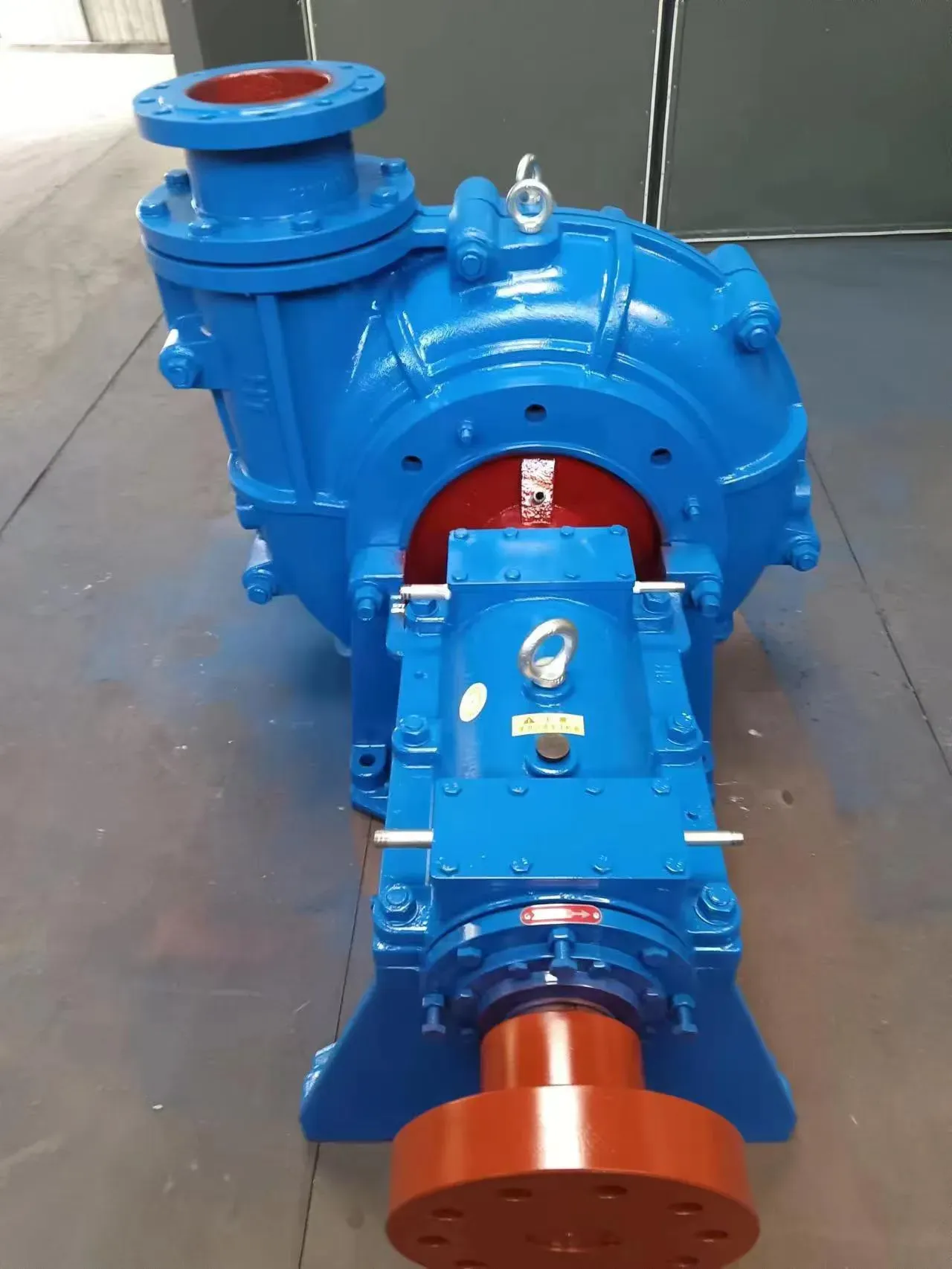
Submersible slurry pumps with agitators are crucial components in numerous industrial processes handling abrasive and high-solids content fluids. These pumps are designed for fully submerged operation, eliminating the need for surface priming and offering efficient fluid transfer from pits, sumps, and tanks. Unlike conventional pumps, their submersible design mitigates issues related to suction lift and air entrainment, making them ideal for applications where liquids contain substantial solids, such as mining, wastewater treatment, construction, and chemical processing. The integrated agitator is a key feature, preventing solids settling and ensuring consistent pump performance by maintaining a homogenous slurry mixture. This guide provides a comprehensive technical overview of these pumps, encompassing material science, manufacturing processes, performance characteristics, potential failure modes, and relevant industry standards.
Material Science & Manufacturing
The performance and longevity of a submersible slurry pump with agitator are intrinsically linked to the material selection for its core components. The pump housing, impeller, and agitator are commonly constructed from high-chromium cast iron (typically 27-30% Cr) or specialized alloys like duplex stainless steel (e.g., 2205, 2507) or high-hardness ceramics. High-chromium cast iron offers excellent abrasion resistance due to the formation of hard chromium carbides within the iron matrix. Duplex stainless steel provides superior corrosion resistance, particularly in saline or acidic environments, while ceramics deliver exceptional wear resistance, although with lower impact strength. The pump shaft is typically made from alloy steel, heat-treated to achieve high tensile strength and torsional rigidity. Seals are often constructed from materials like silicon carbide or tungsten carbide to withstand abrasive slurry and minimize leakage.
Manufacturing processes vary depending on component complexity. Pump housings are frequently produced using sand casting, followed by heat treatment and machining to achieve precise dimensions. Impellers are commonly manufactured via investment casting, enabling the creation of intricate blade geometries optimized for slurry handling. Agitators are often welded assemblies using plate steel, requiring strict quality control to ensure weld integrity and minimize corrosion points. Motor casings utilize die-casting or sand casting of aluminum alloys, followed by surface treatment (e.g., epoxy coating) for corrosion protection. Quality control includes non-destructive testing (NDT) like radiographic inspection and ultrasonic testing to detect internal flaws in castings and welds. The impeller’s hydraulic efficiency is optimized through Computational Fluid Dynamics (CFD) simulations during the design phase, ensuring minimal energy loss and maximized slurry throughput. Parameter control during welding processes—including preheating temperatures, welding current, and shielding gas composition—is crucial for preventing stress corrosion cracking and ensuring long-term reliability.
Performance & Engineering
The performance of a submersible slurry pump with agitator is governed by several critical engineering factors. Hydraulic efficiency is paramount, influenced by impeller design, pump speed, and slurry characteristics (solids concentration, particle size distribution, and fluid viscosity). Force analysis focuses on radial loads generated by the impeller and axial thrust forces balanced by the pump’s bearing system. Cavitation is a significant concern, particularly at higher speeds or with fluctuating slurry density. The Net Positive Suction Head Required (NPSHr) must be carefully considered to prevent cavitation damage. Agitator design plays a vital role in maintaining slurry homogeneity; blade pitch, diameter, and rotational speed are optimized based on tank geometry and slurry properties. Environmental resistance is crucial, requiring robust sealing systems to prevent ingress of abrasive particles and corrosive fluids into the motor compartment. Compliance with industry standards (see footer) dictates performance testing and safety requirements, including electrical safety certifications and mechanical endurance tests. Variable Frequency Drives (VFDs) are commonly employed to control pump speed and optimize performance based on varying process demands and slurry conditions. The pump’s total dynamic head (TDH) is a key performance metric calculated by considering static lift, friction losses in piping, and the velocity head of the slurry.
Technical Specifications
| Parameter | Unit | Typical Range | Notes |
|---|---|---|---|
| Flow Rate | m³/h | 5 - 500 | Dependent on pump size and impeller design. |
| Head | m | 10 - 100 | Determined by slurry specific gravity and pipe friction. |
| Solids Handling Capability | mm | Up to 75 | Varies with pump design; larger sizes can handle larger solids. |
| Motor Power | kW | 0.75 - 37 | Selected based on flow rate, head, and slurry density. |
| Impeller Material | - | High-Chromium Cast Iron, Duplex Stainless Steel | Material selection impacts abrasion and corrosion resistance. |
| Maximum Submergence Depth | m | Up to 40 | Limited by cable length and pump housing pressure rating. |
Failure Mode & Maintenance
Submersible slurry pumps with agitators are susceptible to several failure modes. Abrasion is a primary concern, leading to impeller wear and reduced pump efficiency. Corrosion, particularly in aggressive chemical environments, can compromise the pump housing and internal components. Bearing failure, often due to inadequate lubrication or excessive load, can result in pump seizure. Seal failure allows slurry ingress into the motor compartment, leading to motor damage. Fatigue cracking in the pump housing or agitator welds can occur due to cyclic loading and stress concentrations. Electrical failures, such as cable insulation breakdown or motor winding shorts, are also common.
Preventative maintenance is crucial for maximizing pump lifespan. Regular inspections should focus on impeller wear, seal condition, and bearing lubrication. Periodic monitoring of motor current and temperature can detect early signs of electrical issues. Slurry analysis should be performed to identify corrosive components and adjust material selection or implement corrosion inhibitors. A scheduled bearing replacement program is essential, based on operating hours and slurry abrasiveness. Weld inspections using NDT methods should be conducted periodically to detect cracks. Proper cable routing and protection are critical to prevent damage. In the event of a pump failure, thorough root cause analysis should be performed to identify the underlying issue and prevent recurrence.
Industry FAQ
Q: What is the optimal impeller material for handling a highly abrasive slurry containing silica particles?
A: For a highly abrasive slurry containing silica particles, a high-chromium cast iron impeller (27-30% Cr) is typically the most cost-effective solution. The hard chromium carbides provide excellent resistance to abrasion from silica. However, for extremely severe abrasion conditions, consider ceramic impellers, despite their lower impact strength. Regular impeller inspection and replacement will be crucial in either case.
Q: How do I determine the appropriate pump size for a given application?
A: Pump sizing requires considering several factors, including flow rate, total dynamic head (TDH), slurry density, solids concentration, and particle size distribution. Begin by accurately determining the required flow rate and TDH. Then, consult pump performance curves provided by the manufacturer to select a pump that operates within its recommended efficiency range for the specified slurry characteristics. A safety factor should be added to the TDH calculation to account for potential variations in slurry density or pipe friction.
Q: What are the common causes of pump seal failure in abrasive slurry applications?
A: Common causes of seal failure include abrasive wear, improper installation, incompatibility with the slurry, and excessive operating temperature. Ensure the seal material is compatible with the slurry composition and select a robust seal design suitable for abrasive service. Proper installation, including correct alignment and lubrication, is critical. Monitor the pump operating temperature to prevent overheating the seal.
Q: How can I mitigate the risk of cavitation in a submersible slurry pump?
A: To mitigate cavitation, ensure the Net Positive Suction Head Available (NPSHa) is greater than the Net Positive Suction Head Required (NPSHr) by a sufficient margin. Reduce pump speed, lower slurry temperature, or increase the liquid level in the sump to increase NPSHa. Also, ensure that the pump suction piping is properly sized and free from restrictions.
Q: What maintenance procedures are recommended for the agitator component of the pump?
A: Regularly inspect the agitator blades for wear and damage. Check the agitator shaft for bending or misalignment. Ensure that the agitator bearings are properly lubricated. If the agitator is welded, inspect the welds for cracks. Periodic removal and cleaning of the agitator can prevent buildup of solids and maintain optimal mixing efficiency.
Conclusion
Submersible slurry pumps with agitators represent a robust and effective solution for handling abrasive and high-solids content fluids in diverse industrial applications. Their submerged design, coupled with the integrated agitator, ensures reliable performance and minimizes operational challenges. Selecting the appropriate materials, understanding hydraulic principles, and implementing a comprehensive maintenance program are critical for maximizing pump lifespan and minimizing downtime. The correct pump selection and operation depend on thorough consideration of slurry properties, process requirements, and adherence to relevant industry standards.
Future advancements in this technology will likely focus on developing more wear-resistant materials, optimizing impeller designs through advanced CFD simulations, and incorporating intelligent monitoring systems for predictive maintenance. The adoption of more efficient motor technologies and variable speed drives will further enhance energy efficiency and operational flexibility. Ultimately, the continued refinement of submersible slurry pump technology will play a vital role in optimizing industrial processes and reducing environmental impact.
-
Precision at the Pump: How Better Machining Protects Flow and Uptime
News2026-11-20
-
Why Pump Reliability Begins Before the First Drop of Fluid
News2026-11-20
-
Beyond the Pump: Designing Safer Access Around Critical Water Infrastructure
News2026-11-20
-
Why Pumping Stations Depend on the Infrastructure Beneath the Pumps
News2026-11-20
-
Beyond the Pump Room: How Smarter Loading Protects Industrial Equipment
News2026-11-19
-
When Pumps Stop: Designing More Resilient Power for Critical Pumping Systems
News2026-11-19
-
The Hidden Role of Dust and Gas Monitoring in Reliable Pump Operations
News2026-11-19
-
The Hidden Role of Mineral Compounds in Extending Industrial Pump Lifespan
News2026-10-12
-
Why Pump System Reliability Depends on Precision Hose Assembly Methods
News2026-09-15
-
How Advanced Imaging Films Are Transforming Pump Component Quality Control
News2026-08-25
-
How Advanced Filtration Protects Pump Systems from Premature Wear and Costly Downtime
News2026-08-25
-
How Steel Material Selection Drives Pump Reliability in Heavy-Duty Systems
News2026-08-25
-
Ensuring Pump System Efficiency: The Role of High-Quality Pipe Fittings and Tubing
News2026-08-24
-
Optimizing Fluid Dynamics and Material Consistency in Industrial Processing
News2026-08-18
-
Innovations and Challenges in Hydraulic Systems for Heavy Machinery
News2026-08-13




