English
- Afrikaans
- Albanian
- Amharic
- Arabic
- Armenian
- Azerbaijani
- Basque
- Belarusian
- Bengali
- Bosnian
- Bulgarian
- Catalan
- Cebuano
- Corsican
- Croatian
- Czech
- Danish
- Dutch
- English
- Esperanto
- Estonian
- Finnish
- French
- Frisian
- Galician
- Georgian
- German
- Greek
- Gujarati
- Haitian Creole
- hausa
- hawaiian
- Hebrew
- Hindi
- Miao
- Hungarian
- Icelandic
- igbo
- Indonesian
- irish
- Italian
- Japanese
- Javanese
- Kannada
- kazakh
- Khmer
- Rwandese
- Korean
- Kurdish
- Kyrgyz
- Lao
- Latin
- Latvian
- Lithuanian
- Luxembourgish
- Macedonian
- Malgashi
- Malay
- Malayalam
- Maltese
- Maori
- Marathi
- Mongolian
- Myanmar
- Nepali
- Norwegian
- Norwegian
- Occitan
- Pashto
- Persian
- Polish
- Portuguese
- Punjabi
- Romanian
- Russian
- Samoan
- Scottish Gaelic
- Serbian
- Sesotho
- Shona
- Sindhi
- Sinhala
- Slovak
- Slovenian
- Somali
- Spanish
- Sundanese
- Swahili
- Swedish
- Tagalog
- Tajik
- Tamil
- Tatar
- Telugu
- Thai
- Turkish
- Turkmen
- Ukrainian
- Urdu
- Uighur
- Uzbek
- Vietnamese
- Welsh
- Bantu
- Yiddish
- Yoruba
- Zulu

Telephone: +86 13120555503
Email: frank@cypump.com


Apr . 01, 2024 17:55 Back to list
submersible slurry pump suppliers Performance Analysis
Introduction
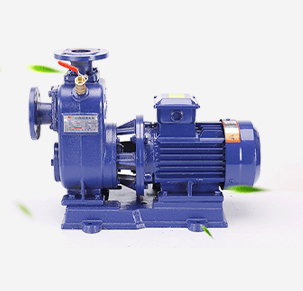
Submersible slurry pumps are critical components in numerous industrial processes, including mining, wastewater treatment, dredging, and chemical processing. These pumps are designed for robust operation in harsh environments, specifically for transferring abrasive and corrosive slurries. Unlike traditional pumps, submersible designs are fully immersed in the pumped medium, eliminating the need for priming and reducing suction lift issues. This guide provides an in-depth technical overview of submersible slurry pumps, covering materials, manufacturing, performance characteristics, failure modes, maintenance procedures, and relevant industry standards. The selection and proper application of these pumps are paramount to ensuring operational efficiency, minimizing downtime, and reducing total cost of ownership. A key industry pain point lies in selecting the correct pump materials and design to withstand the specific slurry composition and operating conditions, preventing premature wear and failure.
Material Science & Manufacturing
The construction of submersible slurry pumps necessitates careful material selection to resist abrasion, corrosion, and erosion. Pump casings are commonly manufactured from high-chrome cast iron (typically containing 15-30% chromium) due to its exceptional hardness and wear resistance. Impellers, the primary slurry-contacting component, are frequently fabricated from similarly high-chrome materials, or alternatively, specialized alloys like duplex stainless steel (e.g., 2205) for more corrosive environments. Shafts are typically constructed from high-strength alloy steel, heat-treated to achieve appropriate tensile strength and toughness. Elastomeric components, such as seals and liners, are often made from natural rubber, nitrile rubber, or ethylene propylene diene monomer (EPDM) rubber, chosen for their chemical compatibility with the slurry. Manufacturing processes include sand casting for the casing, investment casting for complex impeller geometries, and precision machining for shafts and other critical components. Welding procedures are rigorously controlled to ensure joint integrity and prevent stress corrosion cracking. Parameter control during heat treatment is vital, with precise temperature and cooling rates employed to achieve desired material properties. Quality control includes non-destructive testing (NDT) methods like radiography and ultrasonic testing to detect internal flaws.
Performance & Engineering
The performance of a submersible slurry pump is dictated by several key engineering parameters. Hydraulic design focuses on maximizing impeller efficiency and minimizing wear. Impeller design – radial, axial, or mixed flow – is selected based on the slurry’s characteristics (solids concentration, particle size) and required head and flow rate. Force analysis is critical, accounting for hydrodynamic forces, centrifugal forces, and the weight of the pumped slurry. Pump selection must consider the slurry’s specific gravity, viscosity, and solids content. Environmental resistance is crucial; pump seals must withstand hydrostatic pressure and prevent ingress of slurry into the motor compartment. Motor cooling is achieved through oil-filled compartments or water jackets, ensuring reliable operation at elevated temperatures. Compliance requirements vary by region, but generally include adherence to safety standards (e.g., IECEx for explosion-proof designs) and environmental regulations (e.g., limits on noise emissions). Proper installation and alignment are paramount to minimize vibration and premature bearing failure. Variable frequency drives (VFDs) are increasingly employed to optimize pump performance and reduce energy consumption by adjusting motor speed to match flow requirements.
Technical Specifications
| Pump Size (Inlet/Outlet Diameter) | Maximum Flow Rate (m³/hr) | Maximum Head (m) | Maximum Solids Content (%) |
|---|---|---|---|
| 2"/2" | 50 | 30 | 30 |
| 4"/4" | 150 | 60 | 40 |
| 6"/6" | 300 | 100 | 50 |
| 8"/8" | 500 | 150 | 60 |
| 10"/10" | 800 | 200 | 70 |
| 12"/12" | 1200 | 250 | 80 |
Failure Mode & Maintenance
Submersible slurry pumps are susceptible to several failure modes. Abrasive wear is a primary concern, leading to impeller erosion and casing thinning. Corrosion, particularly in acidic or saline slurries, can cause material degradation and pitting. Fatigue cracking can occur in shafts and impellers due to cyclic loading. Seal failure allows slurry ingress into the motor, causing overheating and eventual motor burnout. Cavitation, resulting from insufficient net positive suction head (NPSH), can damage impeller vanes. Bearing failure is common due to contamination, misalignment, or inadequate lubrication. Preventative maintenance is crucial. Regular inspection of impellers, casings, and seals is recommended. Lubrication of bearings should be performed according to manufacturer’s specifications. Monitoring of motor temperature and vibration levels can provide early warning of potential problems. Slurry analysis can help determine the appropriate pump materials and operating parameters. In the event of failure, thorough root cause analysis is essential to prevent recurrence. Replacement of worn components with upgraded materials (e.g., tungsten carbide coatings) can extend pump life.
Industry FAQ
Q: What is the impact of solids particle size distribution on pump selection?
A: Particle size significantly impacts pump selection. Larger particles require pumps with larger impeller passages to prevent clogging and reduce wear. The concentration of larger particles also affects the pump’s hydraulic performance and abrasion resistance. A pump designed for fine slurries may experience rapid wear or blockage when handling coarser materials.
Q: How do you mitigate corrosion in highly acidic slurries?
A: Mitigation strategies include selecting corrosion-resistant materials like duplex stainless steel, super duplex stainless steel, or specialized alloys. Applying protective coatings (e.g., rubber lining, epoxy coating) to the pump casing and impeller can also reduce corrosion rates. Maintaining proper pH control in the slurry can also minimize corrosive attack.
Q: What are the key considerations for submersible pump motor cooling?
A: Effective motor cooling is essential for reliable operation. Oil-filled motor compartments are commonly used, with the oil circulating to dissipate heat. Water jackets are employed in some designs, utilizing the pumped slurry for cooling. Regular monitoring of motor temperature is crucial to ensure the cooling system is functioning correctly.
Q: How does the impeller design affect pump efficiency and wear?
A: Impeller design significantly influences pump efficiency and wear. Radial impellers are suitable for high-head, low-flow applications, while axial impellers are better for low-head, high-flow applications. Mixed-flow impellers offer a compromise between the two. Impeller geometry must be optimized to minimize turbulence and reduce abrasive wear. Hardened impeller materials and coatings further enhance wear resistance.
Q: What is the importance of Net Positive Suction Head (NPSH) in submersible pump applications?
A: Maintaining sufficient NPSH is critical to prevent cavitation. Cavitation occurs when the pressure at the pump inlet drops below the vapor pressure of the slurry, forming vapor bubbles that collapse and damage the impeller. Insufficient NPSH can lead to reduced pump performance, increased noise, and premature failure. Proper pump installation and operating conditions are essential to ensure adequate NPSH.
Conclusion
Submersible slurry pumps represent a robust and reliable solution for handling abrasive and corrosive slurries across a diverse range of industrial applications. Proper material selection, coupled with meticulous manufacturing processes and careful attention to performance engineering principles, are fundamental to ensuring long-term operational efficiency and minimizing downtime. A deep understanding of potential failure modes and the implementation of a comprehensive preventative maintenance program are paramount for maximizing pump lifespan and reducing total cost of ownership.
The ongoing evolution of slurry pump technology focuses on enhancing wear resistance, improving hydraulic efficiency, and incorporating advanced monitoring and control systems. Future developments are likely to include the increased use of computational fluid dynamics (CFD) for impeller design optimization, the adoption of more durable and corrosion-resistant materials, and the integration of sensor technologies for predictive maintenance. Ultimately, the successful application of submersible slurry pumps relies on a holistic approach that considers the specific slurry characteristics, operating conditions, and industry best practices.
-
Precision at the Pump: How Better Machining Protects Flow and Uptime
News2026-11-20
-
Why Pump Reliability Begins Before the First Drop of Fluid
News2026-11-20
-
Beyond the Pump: Designing Safer Access Around Critical Water Infrastructure
News2026-11-20
-
Why Pumping Stations Depend on the Infrastructure Beneath the Pumps
News2026-11-20
-
Beyond the Pump Room: How Smarter Loading Protects Industrial Equipment
News2026-11-19
-
When Pumps Stop: Designing More Resilient Power for Critical Pumping Systems
News2026-11-19
-
The Hidden Role of Dust and Gas Monitoring in Reliable Pump Operations
News2026-11-19
-
The Hidden Role of Mineral Compounds in Extending Industrial Pump Lifespan
News2026-10-12
-
Why Pump System Reliability Depends on Precision Hose Assembly Methods
News2026-09-15
-
How Advanced Imaging Films Are Transforming Pump Component Quality Control
News2026-08-25
-
How Advanced Filtration Protects Pump Systems from Premature Wear and Costly Downtime
News2026-08-25
-
How Steel Material Selection Drives Pump Reliability in Heavy-Duty Systems
News2026-08-25
-
Ensuring Pump System Efficiency: The Role of High-Quality Pipe Fittings and Tubing
News2026-08-24
-
Optimizing Fluid Dynamics and Material Consistency in Industrial Processing
News2026-08-18
-
Innovations and Challenges in Hydraulic Systems for Heavy Machinery
News2026-08-13




