English
- Afrikaans
- Albanian
- Amharic
- Arabic
- Armenian
- Azerbaijani
- Basque
- Belarusian
- Bengali
- Bosnian
- Bulgarian
- Catalan
- Cebuano
- Corsican
- Croatian
- Czech
- Danish
- Dutch
- English
- Esperanto
- Estonian
- Finnish
- French
- Frisian
- Galician
- Georgian
- German
- Greek
- Gujarati
- Haitian Creole
- hausa
- hawaiian
- Hebrew
- Hindi
- Miao
- Hungarian
- Icelandic
- igbo
- Indonesian
- irish
- Italian
- Japanese
- Javanese
- Kannada
- kazakh
- Khmer
- Rwandese
- Korean
- Kurdish
- Kyrgyz
- Lao
- Latin
- Latvian
- Lithuanian
- Luxembourgish
- Macedonian
- Malgashi
- Malay
- Malayalam
- Maltese
- Maori
- Marathi
- Mongolian
- Myanmar
- Nepali
- Norwegian
- Norwegian
- Occitan
- Pashto
- Persian
- Polish
- Portuguese
- Punjabi
- Romanian
- Russian
- Samoan
- Scottish Gaelic
- Serbian
- Sesotho
- Shona
- Sindhi
- Sinhala
- Slovak
- Slovenian
- Somali
- Spanish
- Sundanese
- Swahili
- Swedish
- Tagalog
- Tajik
- Tamil
- Tatar
- Telugu
- Thai
- Turkish
- Turkmen
- Ukrainian
- Urdu
- Uighur
- Uzbek
- Vietnamese
- Welsh
- Bantu
- Yiddish
- Yoruba
- Zulu

Telephone: +86 13120555503
Email: frank@cypump.com


Apr . 01, 2024 17:55 Back to list
submersible slurry pump supplier Performance Analysis
Introduction
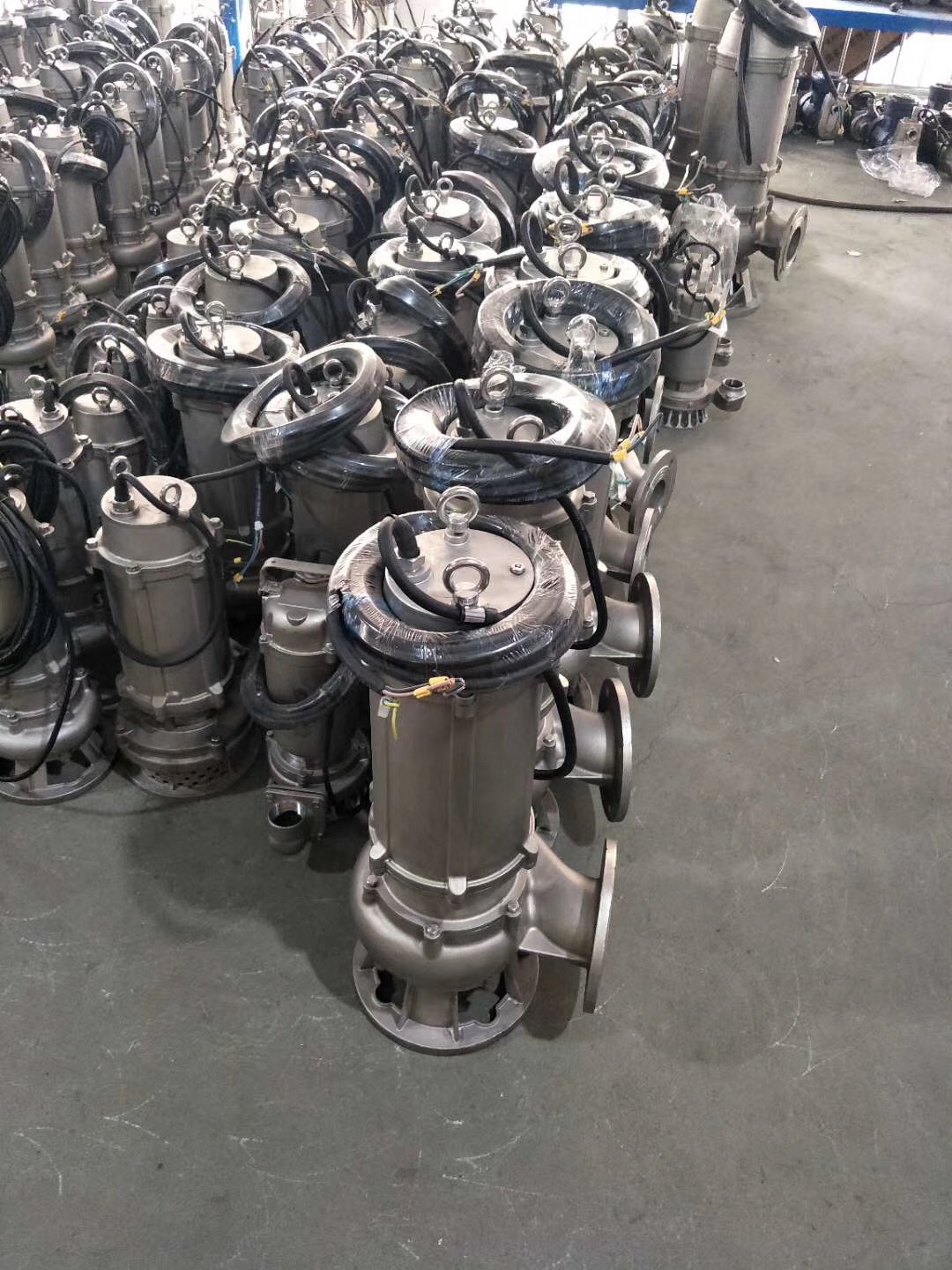
Submersible slurry pumps are critical components in numerous industrial processes, designed for the efficient transfer of abrasive, corrosive, and high-solids content fluids. These pumps are distinct from centrifugal pumps due to their ability to operate completely submerged in the slurry, eliminating the need for surface priming and reducing the risk of cavitation. They occupy a vital technical position within the material handling chain, serving industries such as mining, wastewater treatment, dredging, and chemical processing. Core performance characteristics center around wear resistance, hydraulic efficiency, solids handling capability, and overall reliability in harsh operating environments. The selection of a suitable submersible slurry pump necessitates careful consideration of slurry composition, flow rate requirements, head pressure, and potential environmental factors. Failure to adequately address these parameters can lead to premature pump failure and significant operational downtime, representing a substantial pain point for industrial operators.
Material Science & Manufacturing
The construction of submersible slurry pumps demands materials capable of withstanding extreme abrasion and corrosion. Pump housings are frequently constructed from high-chrome cast iron (typically 27% Cr), which provides excellent resistance to abrasive wear. Impellers, the key component for fluid movement, are often manufactured from similar high-chrome alloys or, in highly corrosive environments, duplex stainless steels (e.g., 2205, 2507) offering superior pitting and crevice corrosion resistance. Shafts are generally made of alloy steels, hardened and tempered to provide high torsional strength and fatigue resistance. Elastomeric components, such as seals and liners, employ materials like natural rubber, neoprene, or polyurethane, selected based on the specific slurry chemistry. Manufacturing processes involve several key stages. Casting forms the base for the housing and impeller, followed by machining to precise tolerances. Welding, utilizing shielded metal arc welding (SMAW) or submerged arc welding (SAW), joins critical components. Critical parameters during welding include preheating temperature to prevent cracking, weld bead composition, and post-weld heat treatment for stress relief. The impeller’s hydrodynamic performance is heavily reliant on accurate blade profiling, typically achieved through 5-axis CNC machining. Quality control involves non-destructive testing (NDT) methods like radiographic inspection and ultrasonic testing to detect internal flaws. Surface coatings, such as tungsten carbide or ceramic linings, are frequently applied to enhance wear resistance in severe abrasion applications.
Performance & Engineering
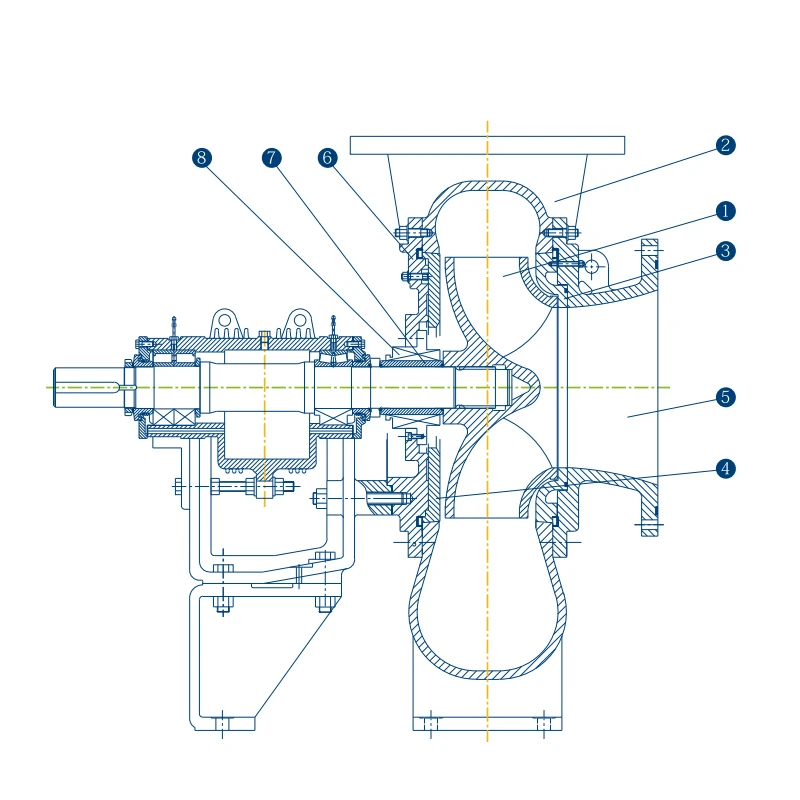
Performance analysis of submersible slurry pumps centers around hydraulic efficiency, head-capacity curves, and power consumption. Force analysis considers the radial and axial forces exerted on the impeller by the slurry, impacting bearing life and shaft deflection. Environmental resistance is paramount, particularly regarding motor insulation integrity in submerged conditions. Seals must prevent ingress of slurry and water, maintaining motor functionality. Pump selection necessitates aligning the pump curve (head vs. flow rate) with the system resistance curve to determine the operating point. Compliance requirements vary by region and application. For example, in mining operations, pumps must meet stringent safety standards (e.g., MSHA in the US) regarding electrical safety and mechanical integrity. Wastewater treatment plants often require pumps to comply with environmental regulations regarding leakage and material compatibility. The pump’s overall design must account for Net Positive Suction Head Required (NPSHr) to prevent cavitation, a phenomenon that drastically reduces pump performance and accelerates wear. Furthermore, the pump’s hydraulic design must minimize turbulence and solids settlement to maximize efficiency and prevent clogging. Finite Element Analysis (FEA) is commonly employed to optimize pump housing geometry and minimize stress concentrations.
Technical Specifications
| Parameter | Unit | Typical Value (Range) | Notes |
|---|---|---|---|
| Flow Rate | m³/h | 50 – 1500 | Dependent on pump size and impeller diameter |
| Head (Discharge Pressure) | m | 20 – 100 | Influenced by impeller design and pump speed |
| Solids Handling Capacity | mm | Up to 75 | Varies with pump design and slurry characteristics |
| Motor Power | kW | 4 – 300 | Selected based on flow rate and head requirements |
| Maximum Submergence Depth | m | Up to 40 | Dependent on cable length and pump design |
| Slurry Specific Gravity | - | 1.0 – 1.8 | Affects pump performance and power consumption |
Failure Mode & Maintenance
Submersible slurry pumps are susceptible to several failure modes. Fatigue cracking in the impeller and pump housing is common, particularly under cyclic loading and high stress concentrations. Abrasion wear is a persistent issue, especially when handling hard particles. Delamination of protective coatings (e.g., rubber linings) can expose the underlying metal to corrosion. Seal failure leads to water ingress and motor damage. Oxidation and corrosion of metallic components, particularly in aggressive chemical environments, reduces pump efficiency and structural integrity. Bearing failure, often caused by insufficient lubrication or excessive loading, leads to pump seizure. Preventive maintenance is crucial. Regular inspections for wear and corrosion are essential. Lubrication schedules must be strictly adhered to. Seals should be replaced periodically. Impeller and housing should be inspected for cracking and erosion. The pump’s electrical connections should be checked for corrosion and insulation integrity. Vibration analysis can detect early signs of bearing failure or impeller imbalance. Proper slurry management practices, such as screening out oversized particles and controlling slurry pH, can significantly extend pump life. Implementing a robust monitoring system that tracks pump performance parameters (e.g., flow rate, discharge pressure, motor current) allows for early detection of anomalies and proactive maintenance interventions.
Industry FAQ
Q: What are the key considerations when selecting a submersible slurry pump for a highly abrasive application, such as tailings management in a mining operation?
A: For highly abrasive applications, prioritize pump materials with exceptional wear resistance. High-chrome cast iron is standard, but consider ceramic or tungsten carbide liners for extremely severe wear. Impeller design should be open or semi-open to minimize clogging and reduce abrasion. Ensure the pump is adequately sized to handle the solids loading and flow rate requirements. Regularly inspect and replace worn components like impellers and liners to prevent premature failure.
Q: How does the specific gravity of the slurry impact pump performance and motor sizing?
A: Higher slurry specific gravity increases the hydraulic load on the pump, requiring more power to achieve the desired flow rate and head. The motor must be sized accordingly to handle the increased torque. Pump curves are typically provided for water (specific gravity of 1.0), and adjustments must be made for slurries with higher specific gravities. Consider the impact on NPSHr as increased specific gravity can reduce available NPSH.
Q: What are the potential consequences of operating a submersible slurry pump outside of its recommended operating range?
A: Operating outside the recommended range can lead to several issues. Running the pump at too high a flow rate can cause cavitation and impeller erosion. Operating at too low a flow rate can lead to increased wear due to recirculation and solids settling. Exceeding the maximum head can overload the motor and damage the pump. Operating with insufficient submergence can cause overheating and seal failure.
Q: What maintenance procedures are critical for extending the life of the pump’s mechanical seals?
A: Proper lubrication of the seal faces is paramount. Ensure the seal is compatible with the slurry chemistry. Inspect the seal regularly for wear and damage. Flush the seal chamber to remove abrasive particles and prevent buildup. Avoid sudden pressure surges or temperature fluctuations, which can damage the seal. Replace the seal according to the manufacturer's recommendations.
Q: What safety measures should be implemented when servicing or repairing a submersible slurry pump?
A: Always disconnect the power supply before commencing any maintenance or repair work. Lockout/Tagout procedures must be strictly followed. Ensure the pump is properly drained and de-pressurized. Wear appropriate personal protective equipment (PPE), including gloves, safety glasses, and steel-toe boots. Be aware of the potential hazards associated with slurry exposure, such as corrosiveness or toxicity. Follow all applicable safety regulations and guidelines.
Conclusion
Submersible slurry pumps are essential for fluid handling in demanding industrial applications. Their design and material selection are critical for ensuring longevity and operational efficiency. A thorough understanding of slurry characteristics, hydraulic principles, and potential failure modes is vital for successful pump selection and maintenance.
Advancements in materials science and pump design continue to improve the performance and reliability of these pumps. Future trends include the development of more abrasion-resistant materials, intelligent monitoring systems for predictive maintenance, and energy-efficient designs to reduce operating costs. Proper implementation of preventive maintenance programs remains the cornerstone of maximizing pump lifespan and minimizing downtime.
-
Precision at the Pump: How Better Machining Protects Flow and Uptime
News2026-11-20
-
Why Pump Reliability Begins Before the First Drop of Fluid
News2026-11-20
-
Beyond the Pump: Designing Safer Access Around Critical Water Infrastructure
News2026-11-20
-
Why Pumping Stations Depend on the Infrastructure Beneath the Pumps
News2026-11-20
-
Beyond the Pump Room: How Smarter Loading Protects Industrial Equipment
News2026-11-19
-
When Pumps Stop: Designing More Resilient Power for Critical Pumping Systems
News2026-11-19
-
The Hidden Role of Dust and Gas Monitoring in Reliable Pump Operations
News2026-11-19
-
The Hidden Role of Mineral Compounds in Extending Industrial Pump Lifespan
News2026-10-12
-
Why Pump System Reliability Depends on Precision Hose Assembly Methods
News2026-09-15
-
How Advanced Imaging Films Are Transforming Pump Component Quality Control
News2026-08-25
-
How Advanced Filtration Protects Pump Systems from Premature Wear and Costly Downtime
News2026-08-25
-
How Steel Material Selection Drives Pump Reliability in Heavy-Duty Systems
News2026-08-25
-
Ensuring Pump System Efficiency: The Role of High-Quality Pipe Fittings and Tubing
News2026-08-24
-
Optimizing Fluid Dynamics and Material Consistency in Industrial Processing
News2026-08-18
-
Innovations and Challenges in Hydraulic Systems for Heavy Machinery
News2026-08-13




