English
- Afrikaans
- Albanian
- Amharic
- Arabic
- Armenian
- Azerbaijani
- Basque
- Belarusian
- Bengali
- Bosnian
- Bulgarian
- Catalan
- Cebuano
- Corsican
- Croatian
- Czech
- Danish
- Dutch
- English
- Esperanto
- Estonian
- Finnish
- French
- Frisian
- Galician
- Georgian
- German
- Greek
- Gujarati
- Haitian Creole
- hausa
- hawaiian
- Hebrew
- Hindi
- Miao
- Hungarian
- Icelandic
- igbo
- Indonesian
- irish
- Italian
- Japanese
- Javanese
- Kannada
- kazakh
- Khmer
- Rwandese
- Korean
- Kurdish
- Kyrgyz
- Lao
- Latin
- Latvian
- Lithuanian
- Luxembourgish
- Macedonian
- Malgashi
- Malay
- Malayalam
- Maltese
- Maori
- Marathi
- Mongolian
- Myanmar
- Nepali
- Norwegian
- Norwegian
- Occitan
- Pashto
- Persian
- Polish
- Portuguese
- Punjabi
- Romanian
- Russian
- Samoan
- Scottish Gaelic
- Serbian
- Sesotho
- Shona
- Sindhi
- Sinhala
- Slovak
- Slovenian
- Somali
- Spanish
- Sundanese
- Swahili
- Swedish
- Tagalog
- Tajik
- Tamil
- Tatar
- Telugu
- Thai
- Turkish
- Turkmen
- Ukrainian
- Urdu
- Uighur
- Uzbek
- Vietnamese
- Welsh
- Bantu
- Yiddish
- Yoruba
- Zulu

Telephone: +86 13120555503
Email: frank@cypump.com


Apr . 01, 2024 17:55 Back to list
submersible slurry pump price Performance Analysis
Introduction
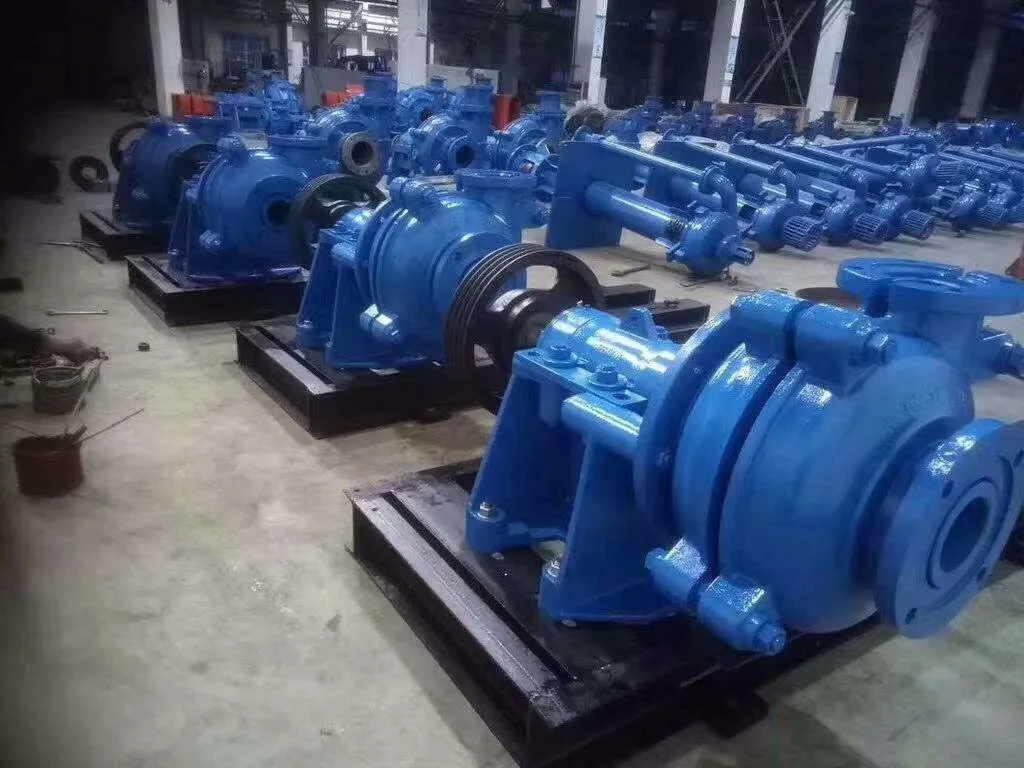
Submersible slurry pumps are critical components in numerous industrial processes, designed for the efficient transfer of abrasive and highly concentrated liquids. Their application spans mining, wastewater treatment, chemical processing, and construction. The “price” of a submersible slurry pump is not simply a monetary figure; it reflects a complex interplay of materials, hydraulic design, motor specifications, and intended operating conditions. This guide provides a comprehensive technical overview of these pumps, covering material science, manufacturing processes, performance characteristics, potential failure modes, and applicable industry standards. The core industry pain point centers around balancing initial acquisition cost with long-term operational efficiency and minimizing downtime due to pump failure, particularly in corrosive or abrasive environments. Selection is driven by understanding the slurry’s composition, solid content, flow rate, head requirements, and the environmental conditions the pump will encounter. Improper selection leads to premature wear, reduced efficiency, and costly repairs.
Material Science & Manufacturing
The construction of a submersible slurry pump necessitates careful material selection to withstand the corrosive and abrasive nature of the pumped media. Pump casings are commonly manufactured from high-chromium cast iron (typically 26-30% Cr) for exceptional abrasion resistance. Impeller materials vary based on slurry characteristics; options include high-chromium alloys, hardened stainless steels (e.g., 316, 440C), or even specialized ceramics for extremely abrasive applications. Shafts are typically forged from alloy steel, heat-treated for high tensile strength and torsional rigidity. Elastomeric components, such as seals and liners, are frequently made from natural rubber, neoprene, or polyurethane, chosen for their chemical resistance and flexibility. Manufacturing processes include: casting (for casings and impellers), forging (for shafts), machining (for precise dimensional control), and rubber molding (for seals and liners). Welding is used for assembling pump components, with careful consideration given to weld metallurgy to prevent cracking or corrosion. Critical parameters controlled during manufacturing include: chemical composition verification, hardness testing, dimensional accuracy (using Coordinate Measuring Machines - CMMs), non-destructive testing (NDT) like radiographic inspection and ultrasonic testing, and hydrotesting to ensure casing integrity. The motor housing is typically cast iron or stainless steel, and the motor windings are insulated with materials resistant to moisture and temperature variations. A key consideration is galvanic corrosion; dissimilar metals used in the pump must be electrically isolated to prevent accelerated corrosion.
Performance & Engineering
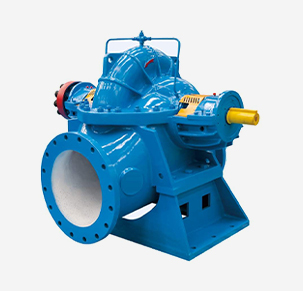
The performance of a submersible slurry pump is governed by several engineering principles. Hydraulic design is paramount, focusing on impeller geometry, volute casing shape, and internal clearances. Impellers are designed to maximize slurry velocity and minimize wear. The pump’s performance curve (head vs. flow rate) is a critical specification, determined through computational fluid dynamics (CFD) modeling and physical testing. Force analysis considers hydrostatic pressure, dynamic forces from impeller rotation, and mechanical stresses on pump components. Environmental resistance is a crucial aspect, particularly concerning motor cooling and sealing. Submersible motors rely on oil-filled compartments for cooling and pressure equalization. Seal design (mechanical seals are common) is critical to prevent water ingress and maintain pump operation. Compliance requirements often dictate specific materials and designs. For example, pumps used in potable water applications must meet NSF/ANSI 61 standards. Electrical safety standards (IEC, UL) ensure safe operation in potentially hazardous environments. The pump’s net positive suction head required (NPSHr) must be carefully considered to prevent cavitation, which can lead to impeller damage. Pump efficiency is affected by slurry solids content, particle size distribution, and slurry viscosity. Higher solids content generally reduces efficiency and increases wear. The pump’s motor power is selected to provide sufficient torque to overcome the slurry’s resistance to flow and maintain the desired flow rate and head.
Technical Specifications
| Parameter | Unit | Typical Range | Description |
|---|---|---|---|
| Flow Rate | m³/hr | 10 - 1500 | Volume of slurry pumped per hour |
| Head | m | 5 - 100 | Vertical distance the pump can lift the slurry |
| Motor Power | kW | 0.75 - 315 | Electrical power required to drive the pump |
| Slurry Concentration | % by weight | Up to 70 | Maximum percentage of solids in the slurry |
| Particle Size | mm | Up to 100 | Maximum size of solid particles the pump can handle |
| Operating Temperature | °C | -20 to 80 | Temperature range of the slurry |
Failure Mode & Maintenance
Submersible slurry pumps are susceptible to several failure modes. Fatigue cracking in the impeller and casing is common, especially under cyclical loading and high stress concentrations. Abrasion wear, caused by solid particles impacting pump components, leads to gradual material loss and reduced performance. Corrosion, resulting from chemical attack by the slurry, weakens pump materials and promotes leaks. Cavitation, caused by vapor bubble formation and collapse, damages impeller surfaces. Seal failures lead to water ingress and motor failure. Electrical failures can occur due to cable damage, motor winding insulation breakdown, or corrosion of electrical connections. Preventive maintenance is critical to extend pump life. Regular inspections should include visual checks for wear, leakages, and corrosion. Lubrication of bearings is essential. Mechanical seals should be inspected and replaced periodically. Pump performance should be monitored (flow rate, pressure, motor current) to detect any deviations from normal operation. Vibration analysis can identify potential bearing failures or impeller imbalances. When replacing parts, use materials compatible with the slurry composition. Proper storage of spare parts is crucial to prevent corrosion or degradation. A comprehensive maintenance log should be maintained to track repairs, inspections, and part replacements.
Industry FAQ
Q: What is the impact of slurry particle size on pump selection and lifespan?
A: Larger particle sizes significantly increase abrasive wear, reducing pump lifespan and efficiency. Pumps handling larger particles require harder impeller materials (e.g., high-chromium alloys or ceramics) and potentially larger impeller clearances to prevent clogging. Selection charts correlate particle size with recommended pump types and materials. Pre-screening the slurry to remove oversized particles can dramatically extend pump life.
Q: How does the chemical composition of the slurry affect material selection for the pump?
A: The slurry’s pH, chloride content, and presence of aggressive chemicals (acids, alkalis) dictate material compatibility. Low pH slurries require corrosion-resistant materials like stainless steel or specialized alloys. High chloride concentrations can cause pitting corrosion, necessitating careful material selection and potentially cathodic protection. Material selection guides provide compatibility charts for various slurry compositions.
Q: What are the key considerations for selecting the appropriate motor size for a submersible slurry pump?
A: Motor size is determined by the required head, flow rate, slurry density, and pump efficiency. Undersized motors will overheat and fail prematurely. Oversized motors are less efficient and more costly. A safety factor should be included to account for variations in slurry characteristics and operating conditions. Motor manufacturers provide performance curves and sizing calculations.
Q: What are the advantages and disadvantages of mechanical seals versus packed glands in slurry pump applications?
A: Mechanical seals offer better sealing performance and reduced leakage compared to packed glands, but are more sensitive to abrasive particles. Packed glands are more tolerant of abrasive slurries but require regular adjustment and exhibit higher leakage rates. The choice depends on the slurry’s abrasiveness and the environmental requirements.
Q: How can cavitation be prevented in a submersible slurry pump?
A: Cavitation is prevented by ensuring sufficient Net Positive Suction Head Available (NPSHa) exceeds the pump’s Net Positive Suction Head Required (NPSHr). This can be achieved by increasing the liquid level above the pump, reducing suction line losses, or lowering the pump’s operating speed. Regular impeller inspection is crucial to identify early signs of cavitation damage.
Conclusion
The selection and operation of a submersible slurry pump is a multifaceted engineering challenge demanding a thorough understanding of slurry characteristics, pump performance, and material science. The initial “price” of the pump is only one component of the total cost of ownership; long-term reliability, maintenance requirements, and energy efficiency are equally critical factors. Proper material selection and adherence to preventative maintenance schedules are paramount to maximizing pump lifespan and minimizing downtime in demanding industrial applications.
Future developments in submersible slurry pump technology will likely focus on improved abrasion resistance through advanced materials (e.g., ceramic composites, tungsten carbides), optimized impeller designs for enhanced hydraulic efficiency, and the integration of smart sensors for real-time performance monitoring and predictive maintenance. Furthermore, standardization of data communication protocols will enable seamless integration with plant-wide control systems, optimizing pump operation and reducing overall operating costs.
-
Comprehensive Guide to Waterproof ORings for Optimal Sealing Solutions
News2026-06-09
-
Septic Pump System Performance Analysis
News2026-06-08
-
pump for septic Material Science
News2026-06-08
-
basement sewer pump Performance Analysis
News2026-06-08
-
submerged pump Performance Engineering
News2026-06-08
-
Septic System Pumps Performance Analysis
News2026-06-08
-
septic system pump Material Science and Manufacturing
News2026-06-07
-
pump for septic tank Material Science Manufacturing
News2026-06-07
-
submersible sewage pump Material Science
News2026-06-07
-
Sewage Ejector Material Science and Manufacturing
News2026-06-07
-
Ejection Pump Material Science
News2026-06-07
-
pump submersible Performance Analysis
News2026-06-06
-
ejector pumps Performance Engineering
News2026-06-06
-
basement ejector pump Material Science Manufacturing
News2026-06-06
-
Septic Tanks Pumping Performance Analysis
News2026-06-06




