English
- Afrikaans
- Albanian
- Amharic
- Arabic
- Armenian
- Azerbaijani
- Basque
- Belarusian
- Bengali
- Bosnian
- Bulgarian
- Catalan
- Cebuano
- Corsican
- Croatian
- Czech
- Danish
- Dutch
- English
- Esperanto
- Estonian
- Finnish
- French
- Frisian
- Galician
- Georgian
- German
- Greek
- Gujarati
- Haitian Creole
- hausa
- hawaiian
- Hebrew
- Hindi
- Miao
- Hungarian
- Icelandic
- igbo
- Indonesian
- irish
- Italian
- Japanese
- Javanese
- Kannada
- kazakh
- Khmer
- Rwandese
- Korean
- Kurdish
- Kyrgyz
- Lao
- Latin
- Latvian
- Lithuanian
- Luxembourgish
- Macedonian
- Malgashi
- Malay
- Malayalam
- Maltese
- Maori
- Marathi
- Mongolian
- Myanmar
- Nepali
- Norwegian
- Norwegian
- Occitan
- Pashto
- Persian
- Polish
- Portuguese
- Punjabi
- Romanian
- Russian
- Samoan
- Scottish Gaelic
- Serbian
- Sesotho
- Shona
- Sindhi
- Sinhala
- Slovak
- Slovenian
- Somali
- Spanish
- Sundanese
- Swahili
- Swedish
- Tagalog
- Tajik
- Tamil
- Tatar
- Telugu
- Thai
- Turkish
- Turkmen
- Ukrainian
- Urdu
- Uighur
- Uzbek
- Vietnamese
- Welsh
- Bantu
- Yiddish
- Yoruba
- Zulu

Telephone: +86 13120555503
Email: frank@cypump.com


Apr . 01, 2024 17:55 Back to list
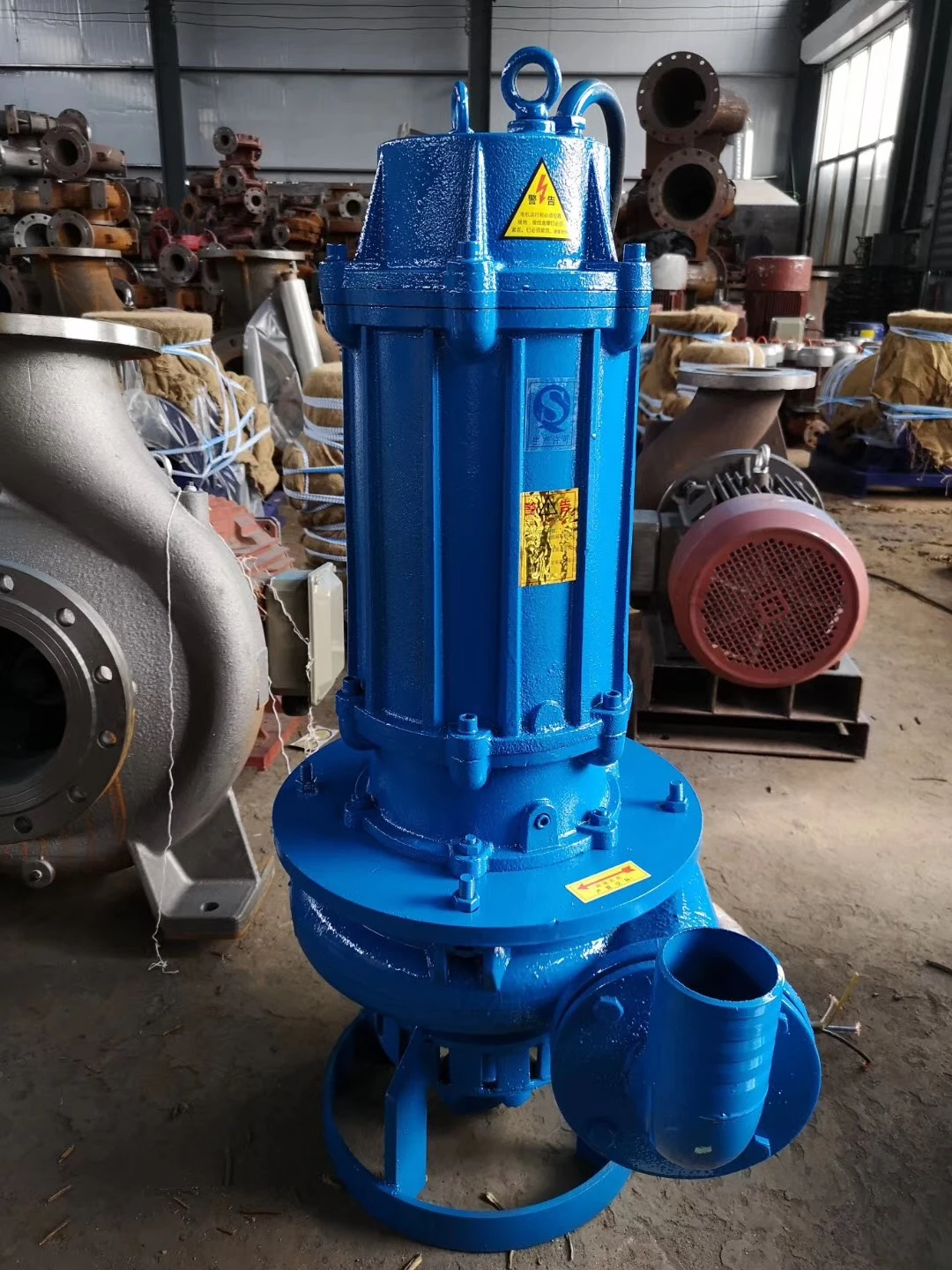
submersible slurry pump Material Science Manufacturing
Introduction
Submersible slurry pumps are centrifugal pumps specifically designed for handling abrasive, erosive, and corrosive slurries in submerged applications. Positioned within the broader pump industry, these units occupy a critical niche in industries requiring the removal or transfer of solids-laden fluids. Unlike surface-mounted pumps, submersible designs offer advantages in confined spaces, eliminating the need for priming, and reducing noise pollution. Core performance characteristics are defined by flow rate (typically measured in gallons per minute or cubic meters per hour), head (the vertical distance the pump can lift the slurry, in feet or meters), solids handling capability (maximum particle size and concentration), and the materials of construction, which dictate resistance to the slurry’s chemical and abrasive properties. The primary industry pain point addressed by submersible slurry pumps is the efficient and reliable removal of slurries from sumps, pits, and other submerged locations, preventing blockages, reducing downtime, and minimizing environmental impact.
Material Science & Manufacturing
The performance and longevity of submersible slurry pumps are heavily reliant on the selection of materials and manufacturing processes. Pump casings are frequently constructed from high-chrome cast iron (typically 27-30% chromium) for superior abrasion resistance. Impellers, the rotating components that impart energy to the slurry, also utilize high-chrome iron, or in extremely abrasive applications, materials such as tungsten carbide or ceramic composites. Pump shafts are typically forged from alloy steels (e.g., 4140, 4340) and hardened to withstand torsional stress and bending loads. Seals are critical for preventing ingress of slurry into the motor compartment and are often comprised of mechanical seals utilizing silicon carbide faces, offering excellent wear and corrosion resistance. Manufacturing processes include sand casting for complex casing geometries, investment casting for high-precision impellers, and CNC machining for shafts and other critical components. Welding, specifically shielded metal arc welding (SMAW) or gas tungsten arc welding (GTAW), is used for joining components. Parameter control during welding is paramount, requiring pre-heating to mitigate cracking, controlled cooling rates to minimize residual stress, and meticulous inspection for defects such as porosity and lack of fusion. The rubber components, often used for liners or wear plates, are generally manufactured from natural rubber compounds engineered for specific abrasion and chemical resistance, utilizing processes like compression molding or extrusion.
Performance & Engineering
The performance of a submersible slurry pump is governed by several engineering principles. Force analysis focuses on hydraulic forces generated by the slurry’s flow, radial forces acting on the impeller due to unbalanced pressure distribution, and axial thrust resulting from pressure differences. These forces must be accounted for in the design of the pump shaft, bearings, and casing to prevent premature failure. Environmental resistance is a critical factor, particularly concerning the pump's electrical components. Submersible motors are typically oil-filled and sealed to prevent water ingress, and cable entry points require robust sealing systems. Furthermore, the pump's materials must be compatible with the slurry’s chemical composition to prevent corrosion and erosion. Compliance requirements vary depending on the application and geographic location, but often include adherence to standards relating to electrical safety (e.g., IECEx, ATEX for hazardous environments), environmental protection (e.g., limits on noise pollution, discharge water quality), and mechanical safety (e.g., pressure vessel standards). Functional implementation considers factors such as pump placement within the sump, suction inlet design to prevent vortexing and air locking, and discharge piping configuration to minimize friction losses and ensure adequate flow velocity.
Technical Specifications
| Pump Model | Flow Rate (GPM) | Head (ft) | Motor Power (HP) |
|---|---|---|---|
| SP-150 | 150 | 60 | 15 |
| SP-200 | 200 | 80 | 20 |
| SP-300 | 300 | 100 | 30 |
| SP-400 | 400 | 120 | 40 |
| SP-500 | 500 | 150 | 50 |
| SP-600 | 600 | 180 | 60 |
Failure Mode & Maintenance
Submersible slurry pumps are susceptible to several failure modes. Fatigue cracking in the impeller or casing can occur due to cyclical stresses induced by slurry flow and pressure fluctuations. Erosion, especially in areas of high flow velocity, progressively removes material, reducing pump efficiency and ultimately leading to component failure. Delamination of rubber liners or coatings can expose underlying metal to corrosion and abrasion. Oxidation and corrosion of metallic components, particularly in aggressive chemical environments, degrade material properties and weaken structural integrity. Mechanical seal failure is a common issue, resulting in slurry ingress into the motor compartment, causing electrical shorts and motor failure. Proper maintenance is crucial for extending pump life. Regular inspection of wear components (impellers, liners, seals) is essential. Periodic lubrication of bearings is required to reduce friction and prevent overheating. Monitoring motor current and temperature can identify potential electrical issues. Thorough cleaning of the pump exterior and internal passages removes accumulated solids and prevents blockages. Preventative maintenance schedules should be established based on operating conditions and slurry characteristics. Failure analysis, including metallurgical examination of failed components, can provide valuable insights into the root causes of failure and guide improvements in materials selection and pump design.
Industry FAQ
Q: What is the impact of solids concentration on pump performance and lifespan?
A: Higher solids concentrations significantly increase abrasive wear and reduce pump efficiency. The impeller and casing experience accelerated erosion, leading to decreased head and flow rate. Increased solids load also elevates the risk of impeller blockage and premature seal failure. Selecting a pump specifically designed for higher solids content and implementing appropriate wear protection measures (e.g., hardened impellers, rubber liners) are essential.
Q: How does the slurry's chemical composition affect material selection?
A: The slurry’s pH, presence of corrosive agents (acids, bases, salts), and oxidizing/reducing potential dictate the choice of materials. For acidic slurries, stainless steel or specialized alloys are necessary to prevent corrosion. Alkaline slurries may require materials resistant to caustic attack. The presence of chlorides increases the risk of pitting corrosion. Careful consideration of the slurry’s chemical properties is critical to ensure long-term material compatibility.
Q: What are the key considerations for submersible motor protection in hazardous environments?
A: In hazardous environments (e.g., those containing flammable gases or dusts), the submersible motor must be certified for use in those conditions (e.g., ATEX, IECEx). This typically involves explosion-proof enclosures, intrinsically safe wiring, and specialized sealing systems to prevent ignition sources. Regular inspection of the motor and cable connections is crucial to ensure continued compliance.
Q: How can I minimize the risk of impeller blockage in a heavily loaded slurry?
A: Several strategies can minimize impeller blockage. Utilizing a larger impeller passage diameter reduces the likelihood of solids becoming lodged. Implementing a vortex inducer at the pump inlet can promote swirling flow, preventing solids from settling. Regular flushing of the pump casing and impeller area can dislodge accumulated solids. Designing the sump to minimize solids settling and ensuring adequate flow velocity are also important.
Q: What is the recommended maintenance schedule for mechanical seals in abrasive slurry applications?
A: Mechanical seals in abrasive slurry applications require frequent inspection and replacement. A conservative maintenance schedule involves inspecting seals every 3-6 months and replacing them proactively before complete failure. The frequency depends on the severity of the abrasion and the slurry's solids content. Using high-quality seals with silicon carbide faces and implementing a seal flushing system can extend seal life.
Conclusion
Submersible slurry pumps represent a critical component in numerous industrial processes, offering a robust and efficient solution for handling challenging slurry applications. Successful implementation hinges upon a thorough understanding of material science, meticulous manufacturing processes, and adherence to rigorous engineering principles. Addressing the core pain points of solids handling, corrosion resistance, and reliability through careful component selection and proactive maintenance is paramount.
Future development in this field will likely focus on enhancing pump efficiency, improving wear resistance through novel materials (e.g., advanced ceramics, diamond-like coatings), and integrating smart sensors for predictive maintenance. The increasing demand for sustainable and environmentally responsible solutions will also drive innovation in pump designs and operating strategies, minimizing energy consumption and reducing environmental impact.
-
Precision at the Pump: How Better Machining Protects Flow and Uptime
News2026-11-20
-
Why Pump Reliability Begins Before the First Drop of Fluid
News2026-11-20
-
Beyond the Pump: Designing Safer Access Around Critical Water Infrastructure
News2026-11-20
-
Why Pumping Stations Depend on the Infrastructure Beneath the Pumps
News2026-11-20
-
Beyond the Pump Room: How Smarter Loading Protects Industrial Equipment
News2026-11-19
-
When Pumps Stop: Designing More Resilient Power for Critical Pumping Systems
News2026-11-19
-
The Hidden Role of Dust and Gas Monitoring in Reliable Pump Operations
News2026-11-19
-
The Hidden Role of Mineral Compounds in Extending Industrial Pump Lifespan
News2026-10-12
-
Why Pump System Reliability Depends on Precision Hose Assembly Methods
News2026-09-15
-
How Advanced Imaging Films Are Transforming Pump Component Quality Control
News2026-08-25
-
How Advanced Filtration Protects Pump Systems from Premature Wear and Costly Downtime
News2026-08-25
-
How Steel Material Selection Drives Pump Reliability in Heavy-Duty Systems
News2026-08-25
-
Ensuring Pump System Efficiency: The Role of High-Quality Pipe Fittings and Tubing
News2026-08-24
-
Optimizing Fluid Dynamics and Material Consistency in Industrial Processing
News2026-08-18
-
Innovations and Challenges in Hydraulic Systems for Heavy Machinery
News2026-08-13




