English
- Afrikaans
- Albanian
- Amharic
- Arabic
- Armenian
- Azerbaijani
- Basque
- Belarusian
- Bengali
- Bosnian
- Bulgarian
- Catalan
- Cebuano
- Corsican
- Croatian
- Czech
- Danish
- Dutch
- English
- Esperanto
- Estonian
- Finnish
- French
- Frisian
- Galician
- Georgian
- German
- Greek
- Gujarati
- Haitian Creole
- hausa
- hawaiian
- Hebrew
- Hindi
- Miao
- Hungarian
- Icelandic
- igbo
- Indonesian
- irish
- Italian
- Japanese
- Javanese
- Kannada
- kazakh
- Khmer
- Rwandese
- Korean
- Kurdish
- Kyrgyz
- Lao
- Latin
- Latvian
- Lithuanian
- Luxembourgish
- Macedonian
- Malgashi
- Malay
- Malayalam
- Maltese
- Maori
- Marathi
- Mongolian
- Myanmar
- Nepali
- Norwegian
- Norwegian
- Occitan
- Pashto
- Persian
- Polish
- Portuguese
- Punjabi
- Romanian
- Russian
- Samoan
- Scottish Gaelic
- Serbian
- Sesotho
- Shona
- Sindhi
- Sinhala
- Slovak
- Slovenian
- Somali
- Spanish
- Sundanese
- Swahili
- Swedish
- Tagalog
- Tajik
- Tamil
- Tatar
- Telugu
- Thai
- Turkish
- Turkmen
- Ukrainian
- Urdu
- Uighur
- Uzbek
- Vietnamese
- Welsh
- Bantu
- Yiddish
- Yoruba
- Zulu

Telephone: +86 13120555503
Email: frank@cypump.com


Apr . 01, 2024 17:55 Back to list
submersible slurry pump for sale Performance Analysis
Introduction
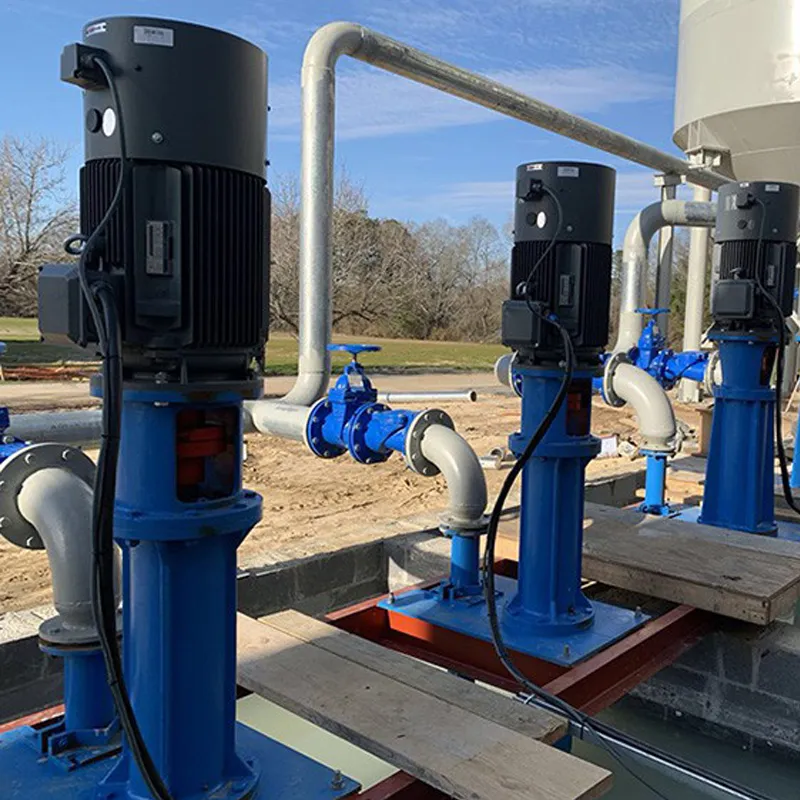
Submersible slurry pumps are centrifugal pumps specifically designed for handling abrasive, erosive, and corrosive slurries in submerged applications. These pumps are critical components in industries like mining, wastewater treatment, dredging, chemical processing, and construction, where the transport of solid-laden liquids is essential. Unlike surface-mounted pumps, submersible designs eliminate the need for suction lift, simplifying installation and reducing the risk of cavitation. Their robust construction and specialized impeller designs allow them to effectively manage high solids concentrations without clogging or excessive wear. This guide provides a comprehensive overview of submersible slurry pump technology, encompassing material science, manufacturing processes, performance characteristics, failure modes, and industry standards.
Material Science & Manufacturing
The performance and longevity of a submersible slurry pump are heavily dependent on the materials used in its construction and the precision of the manufacturing processes. Pump casings are commonly constructed from high-chromium cast iron (typically 27-30% Cr) or stainless steel (304, 316, or duplex stainless steel) to resist abrasion and corrosion. Impellers are often manufactured from high-chromium white iron, offering exceptional hardness and wear resistance. Shafts are typically made of alloy steel, heat-treated for increased strength and toughness. Seals are a critical component, frequently utilizing mechanical seals made from silicon carbide or tungsten carbide faces, with elastomers like Viton or EPDM for compatibility with the slurry being pumped.
Manufacturing processes involve several key steps. Casing fabrication utilizes sand casting or investment casting, followed by machining to ensure dimensional accuracy and smooth surfaces. Impellers are produced through centrifugal casting or lost-wax casting, requiring precise mold design and controlled cooling rates to minimize defects. Welding is critical for assembling the pump housing and connecting various components, necessitating qualified welders and adherence to AWS D1.1 standards. Following assembly, each pump undergoes rigorous hydrostatic testing to verify structural integrity and leak-proof operation. Finally, impellers are dynamically balanced to reduce vibration and extend bearing life. Parameter control during casting focuses on chemical composition, cooling rates, and grain size refinement. Welding parameters are controlled for heat input, shielding gas composition, and penetration depth. Quality control checks include dimensional inspections, material hardness testing, and non-destructive testing (NDT) methods like ultrasonic testing and radiographic inspection to detect internal flaws.
Performance & Engineering
The performance of a submersible slurry pump is dictated by several engineering considerations. Force analysis focuses on hydraulic forces exerted by the slurry on the impeller and casing, as well as mechanical stresses induced by rotation and pressure. Cavitation is a significant concern, especially with slurries containing gas or volatile compounds. Pump design incorporates impeller geometry optimized for slurry handling, including recessed impellers or vortex impellers to minimize clogging and wear. Environmental resistance is addressed through material selection and protective coatings, safeguarding against corrosion, erosion, and chemical attack.
Compliance requirements vary depending on the application and geographic location. Pumps used in potable water systems must meet NSF/ANSI 61 standards for lead content and material safety. Pumps operating in hazardous environments require ATEX or IECEx certification for explosion protection. Hydraulic efficiency is paramount, with engineers striving to maximize pump output while minimizing energy consumption. This is achieved through computational fluid dynamics (CFD) modeling to optimize impeller design and casing geometry. Bearing selection and lubrication are crucial for ensuring long-term reliability, with considerations for load capacity, speed, and operating temperature. Pump performance curves are generated through standardized testing procedures (ISO 9906) to accurately predict pump behavior under various operating conditions. Proper sizing of the motor is also critical, ensuring sufficient power to handle the intended slurry characteristics and head requirements.
Technical Specifications
| Parameter | Unit | Typical Range | Material |
|---|---|---|---|
| Flow Rate | m³/h | 10 – 1000 | Dependent on Impeller Design |
| Head | m | 5 – 150 | Dependent on Impeller Design |
| Solids Handling Size | mm | Up to 75 | Recessed Impeller Design |
| Slurry Concentration (Weight %) | % | Up to 70 | High-Chromium Alloy |
| Motor Power | kW | 1.5 – 300 | Electric Motor (Submersible) |
| Operating Temperature | °C | -20 to 80 | Elastomer Compatibility |
Failure Mode & Maintenance
Submersible slurry pumps are subject to various failure modes. Fatigue cracking in the impeller and casing can occur due to cyclic loading and stress concentrations. Erosion wear is common, especially in areas exposed to high-velocity slurry flow. Corrosion can degrade pump components, particularly in aggressive chemical environments. Seal failure is a frequent issue, leading to leakage and motor contamination. Bearing failure can result from inadequate lubrication, overloading, or contamination. Delamination of protective coatings can accelerate corrosion and erosion. Oxidation of metal surfaces can also contribute to degradation.
Preventative maintenance is crucial for extending pump life. Regular inspections should be conducted to identify signs of wear, corrosion, and leakage. Lubrication of bearings should be performed according to manufacturer’s recommendations. Seals should be replaced periodically. Impellers and casings should be inspected for erosion and cracking, with repairs or replacements made as needed. Protective coatings should be reapplied as necessary. Slurry analysis can help identify abrasive or corrosive components, allowing for optimized material selection and operating parameters. Monitoring pump vibration and temperature can provide early warning signs of potential problems. Routine cleaning of pump internals can prevent buildup of solids and improve efficiency. Proper installation and alignment are also essential for minimizing stress and vibration.
Industry FAQ
Q: What is the primary difference between a submersible slurry pump and a traditional centrifugal pump used for slurry applications?
A: The key difference lies in the pump’s installation and suction requirements. Traditional centrifugal pumps require a suction lift, making them susceptible to cavitation issues when handling slurries. Submersible pumps, being fully submerged, eliminate suction lift, operate more efficiently with slurries, and simplify installation.
Q: How do I select the appropriate material for a slurry pump based on the slurry composition?
A: Material selection depends on the slurry's abrasive and corrosive properties. High-chromium cast iron is suitable for abrasive slurries, while stainless steel (especially duplex stainless steel) is preferred for corrosive environments. A slurry analysis is critical to determine the specific material requirements.
Q: What are the common causes of impeller wear in slurry pumps, and how can they be mitigated?
A: Impeller wear is primarily caused by abrasion and erosion. Mitigation strategies include using wear-resistant materials (high-chromium white iron), optimizing impeller design (recessed or vortex impellers), reducing slurry velocity, and applying hardfacing coatings.
Q: What maintenance procedures should be followed to prevent seal failure in submersible slurry pumps?
A: Regular inspection of seals for wear and damage is crucial. Proper lubrication and cleaning of seal faces are essential. Avoid running the pump dry, as this can quickly damage the seals. Replacement of seals should be performed at recommended intervals.
Q: What is the importance of dynamic balancing in submersible slurry pumps?
A: Dynamic balancing ensures uniform weight distribution on the impeller, minimizing vibration during operation. Excessive vibration can lead to bearing failure, seal damage, and reduced pump life. Regular balancing is a crucial preventative maintenance measure.
Conclusion
Submersible slurry pumps represent a vital technology for industries dealing with abrasive and erosive fluids. Their submerged design offers significant advantages over traditional pumps, eliminating suction lift and simplifying installation. However, successful operation hinges on careful material selection, precise manufacturing, diligent maintenance, and a thorough understanding of potential failure modes. The long-term performance and reliability of these pumps are directly correlated with adherence to industry standards and best practices.
Looking ahead, advancements in materials science and pump design will continue to enhance the efficiency and durability of submersible slurry pumps. The development of more wear-resistant alloys, improved seal technologies, and sophisticated monitoring systems will further reduce downtime and operating costs. As environmental regulations become stricter, the demand for energy-efficient and environmentally friendly slurry pumping solutions will drive innovation in this field.
-
Effluent vs Sump Pump Performance Analysis
News2026-05-22
-
effluent septic pump Performance Engineering
News2026-05-22
-
best sewer pumps Performance Engineering
News2026-05-22
-
best sewer pump Performance Analysis
News2026-05-22
-
best sewage pumps Performance Engineering
News2026-05-22
-
basement bathroom sewage pump Material Science Manufacturing
News2026-05-21
-
wastewater treatment plant pumps Material Science Manufacturing
News2026-05-21
-
waste water pump for basement Material Science Manufacturing
News2026-05-21
-
sump pump sewage Performance Analysis
News2026-05-21
-
sump pump for sewage Material Science and Manufacturing
News2026-05-21
-
sump pump for septic systems Material Science Manufacturing
News2026-05-20
-
sump pump and ejector pump Material Science Manufacturing
News2026-05-20
-
sewage treatment plant pumps Performance Analysis
News2026-05-20
-
sewage tank pump Material Science and Manufacturing
News2026-05-20
-
sewage pump for septic tank Performance Analysis
News2026-05-20




